
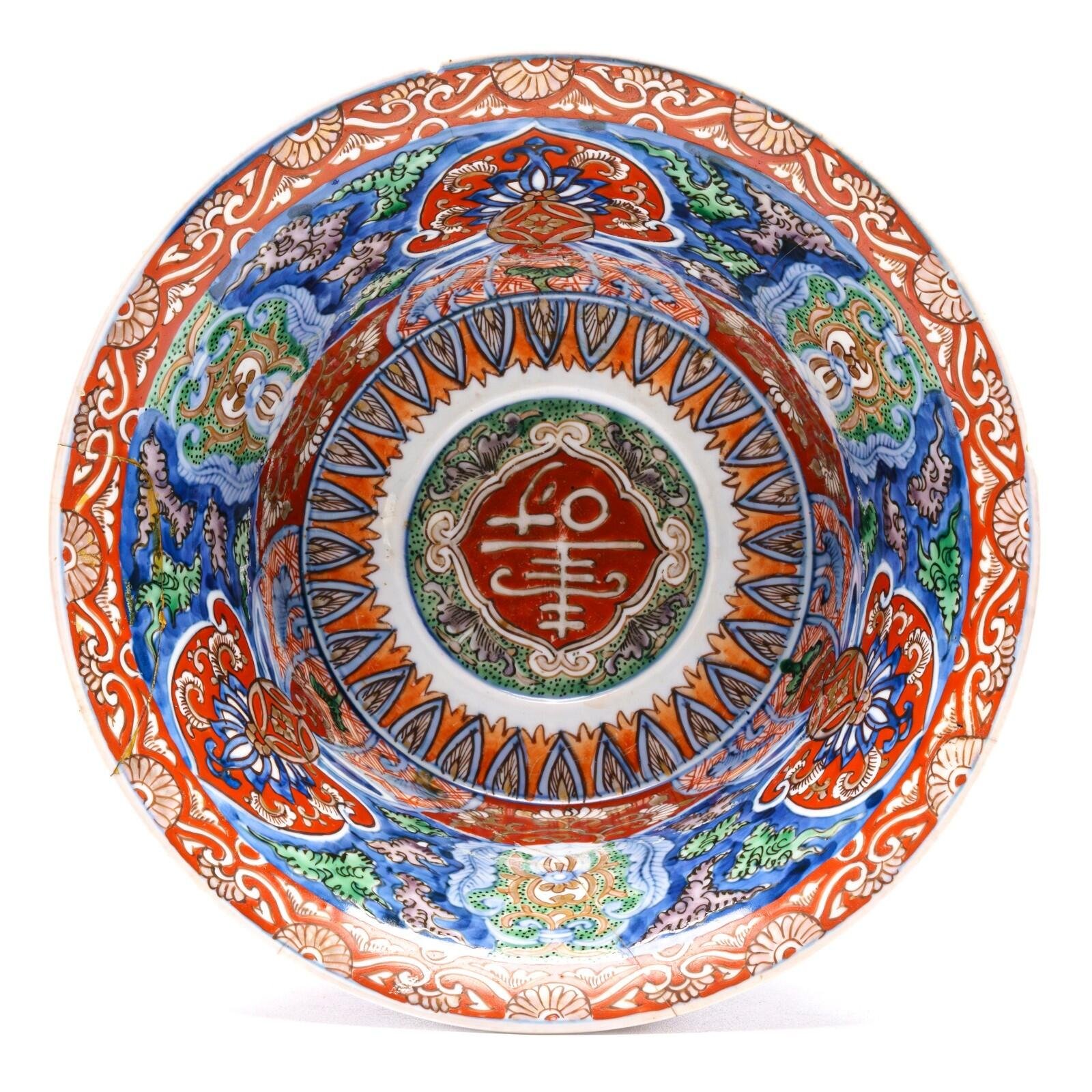
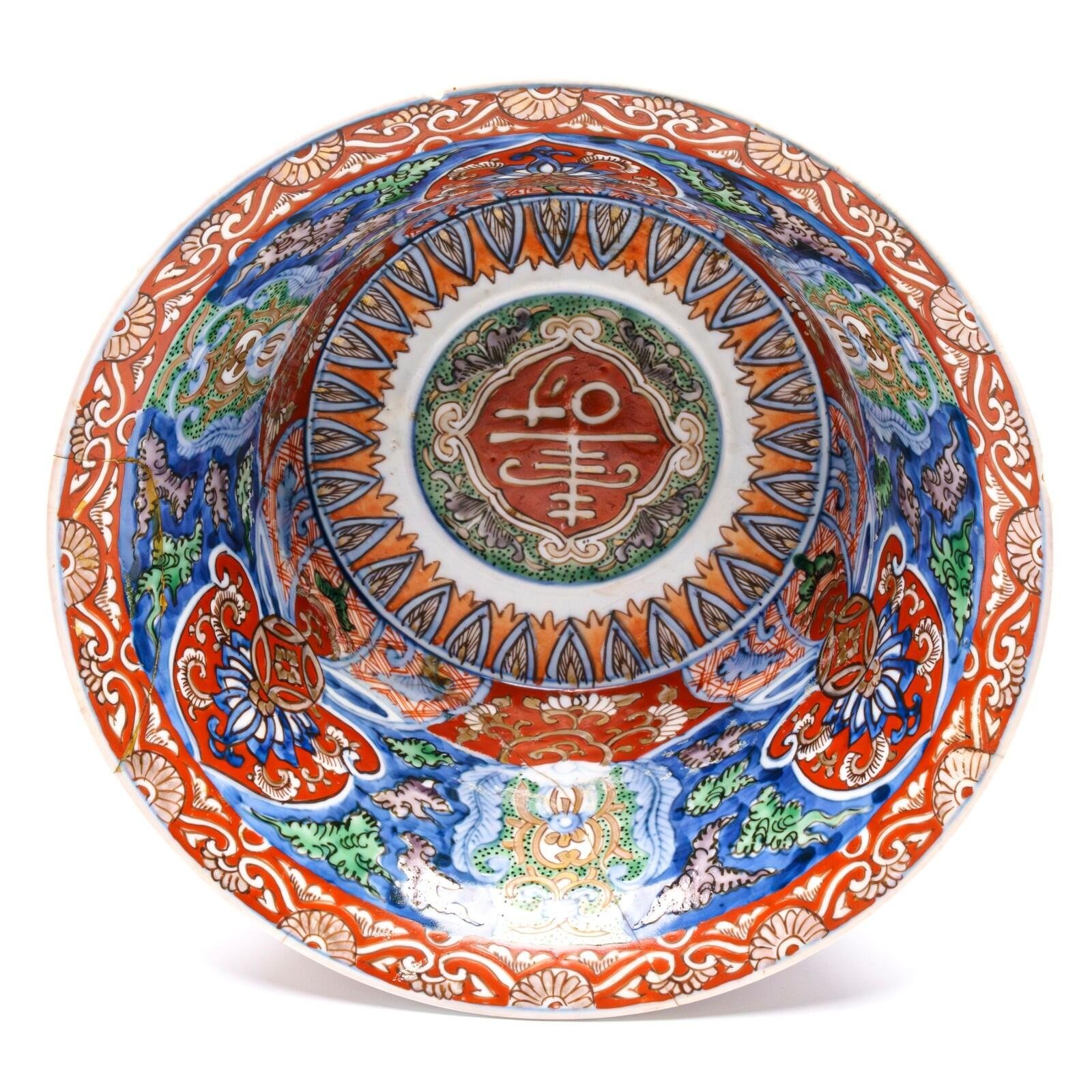
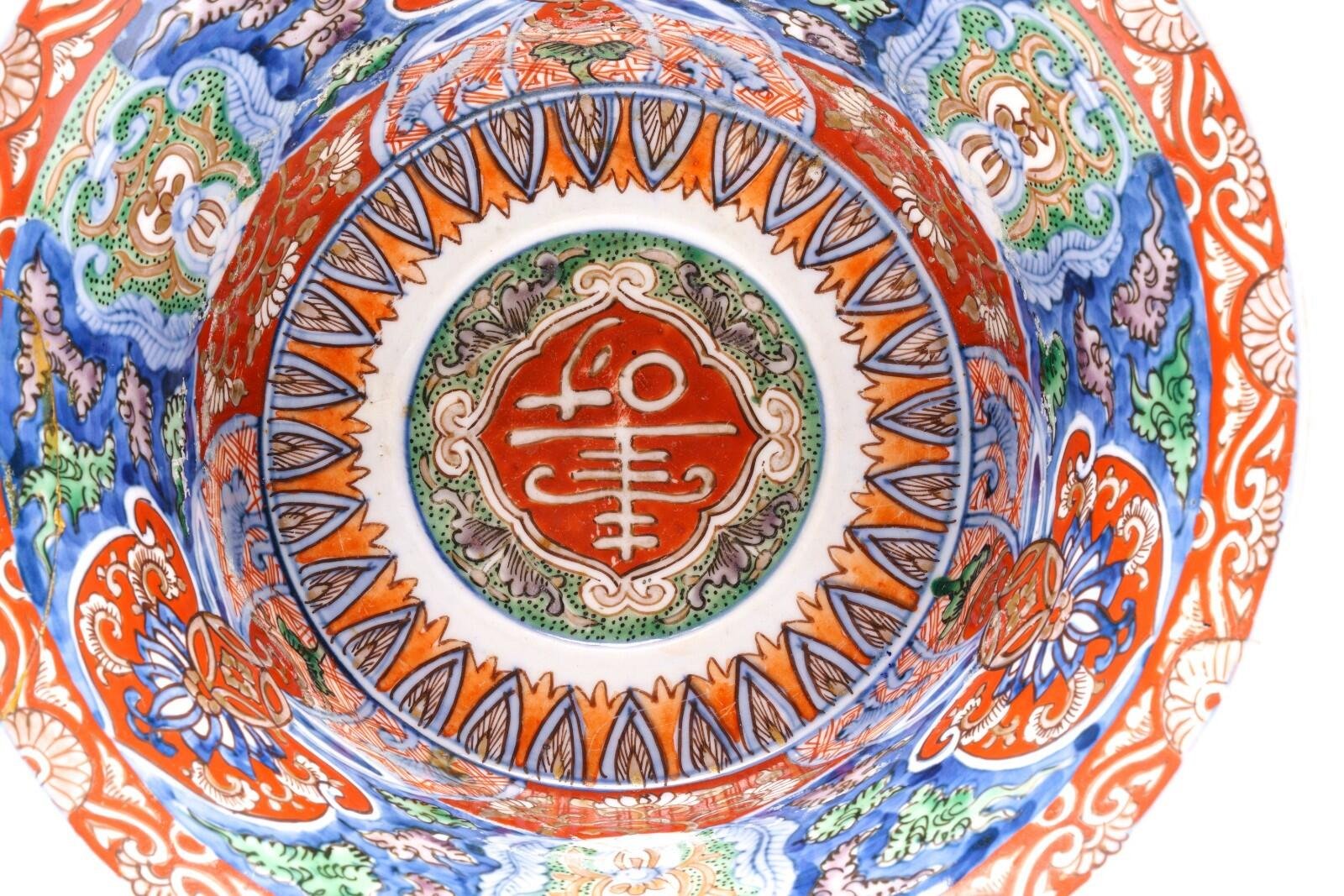
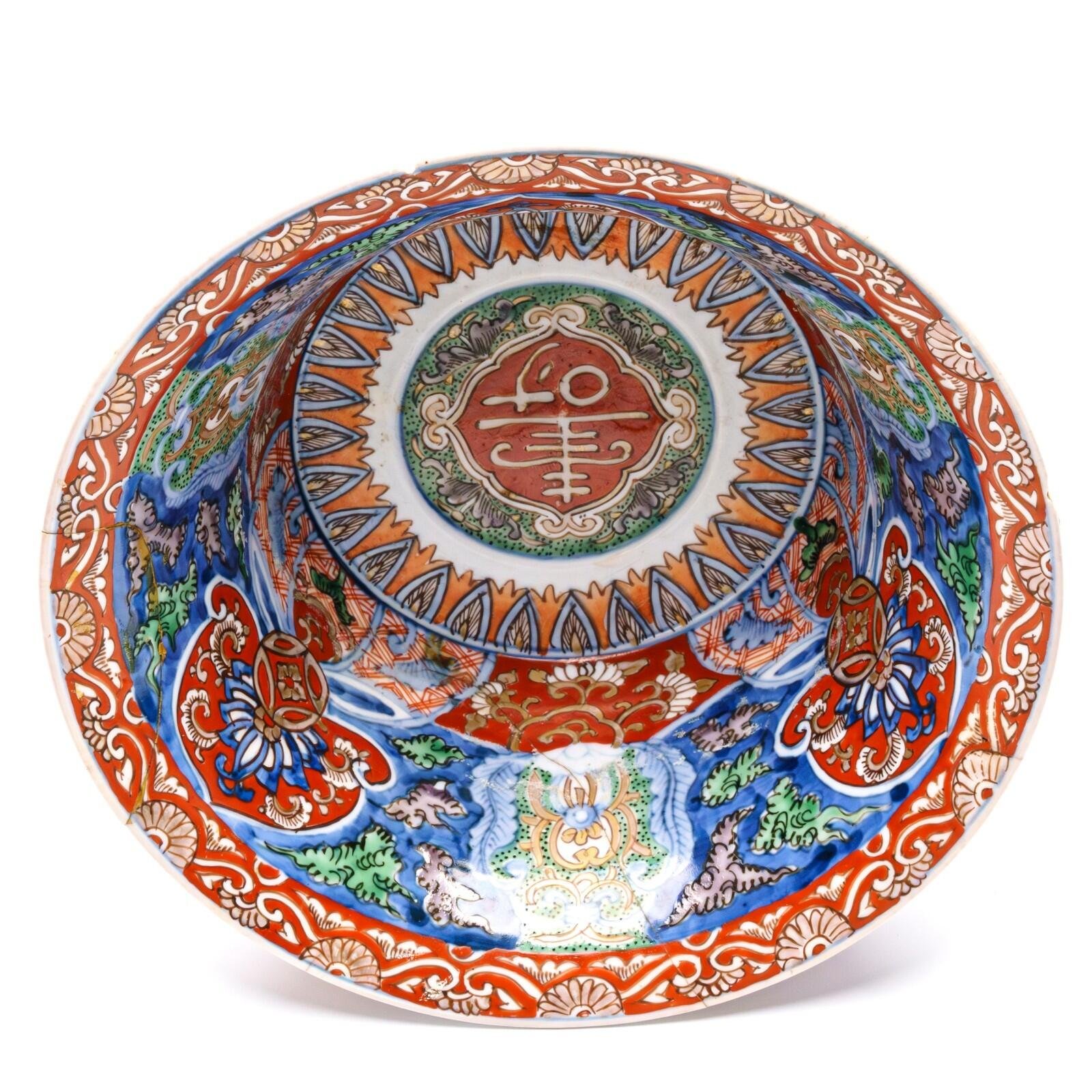

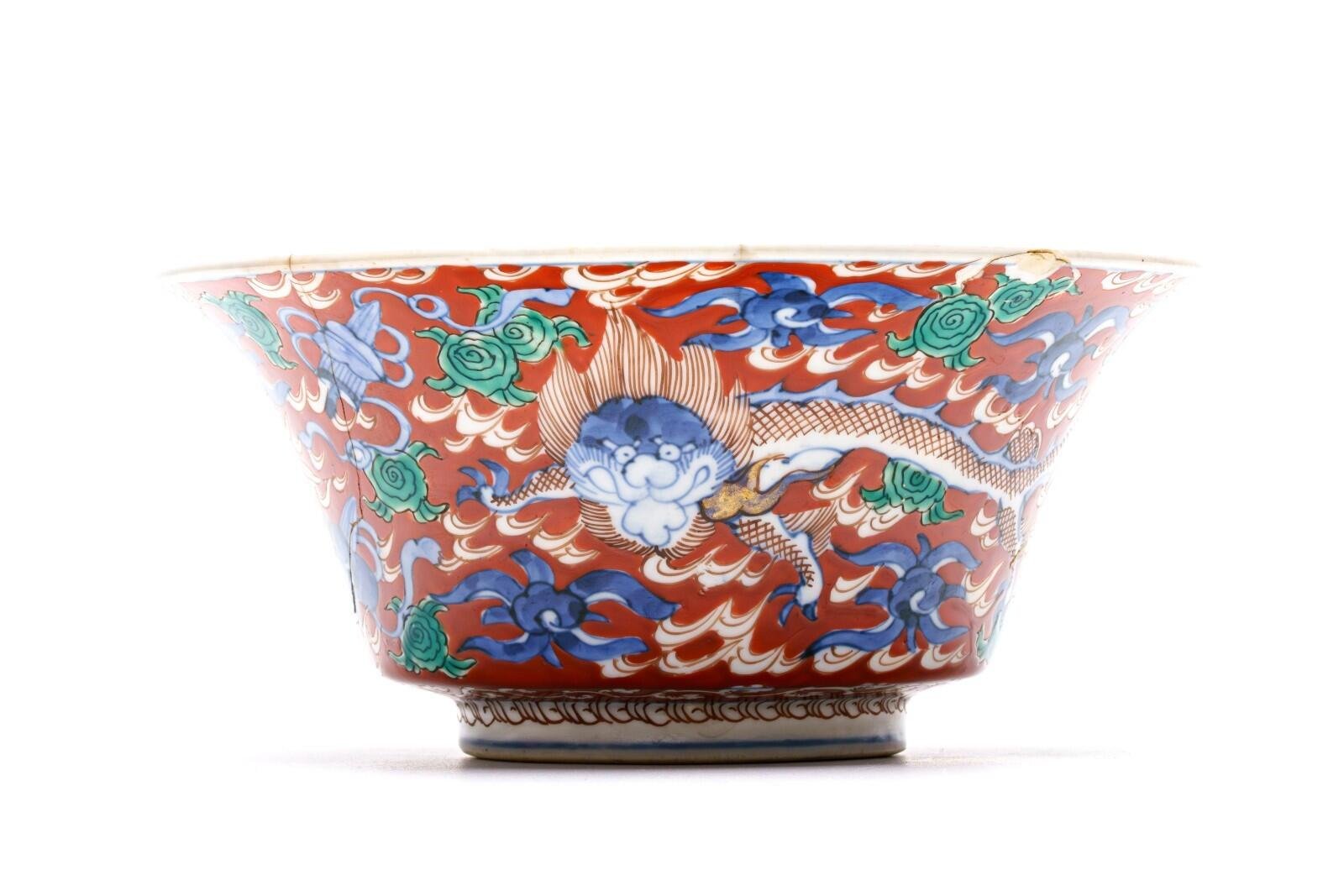
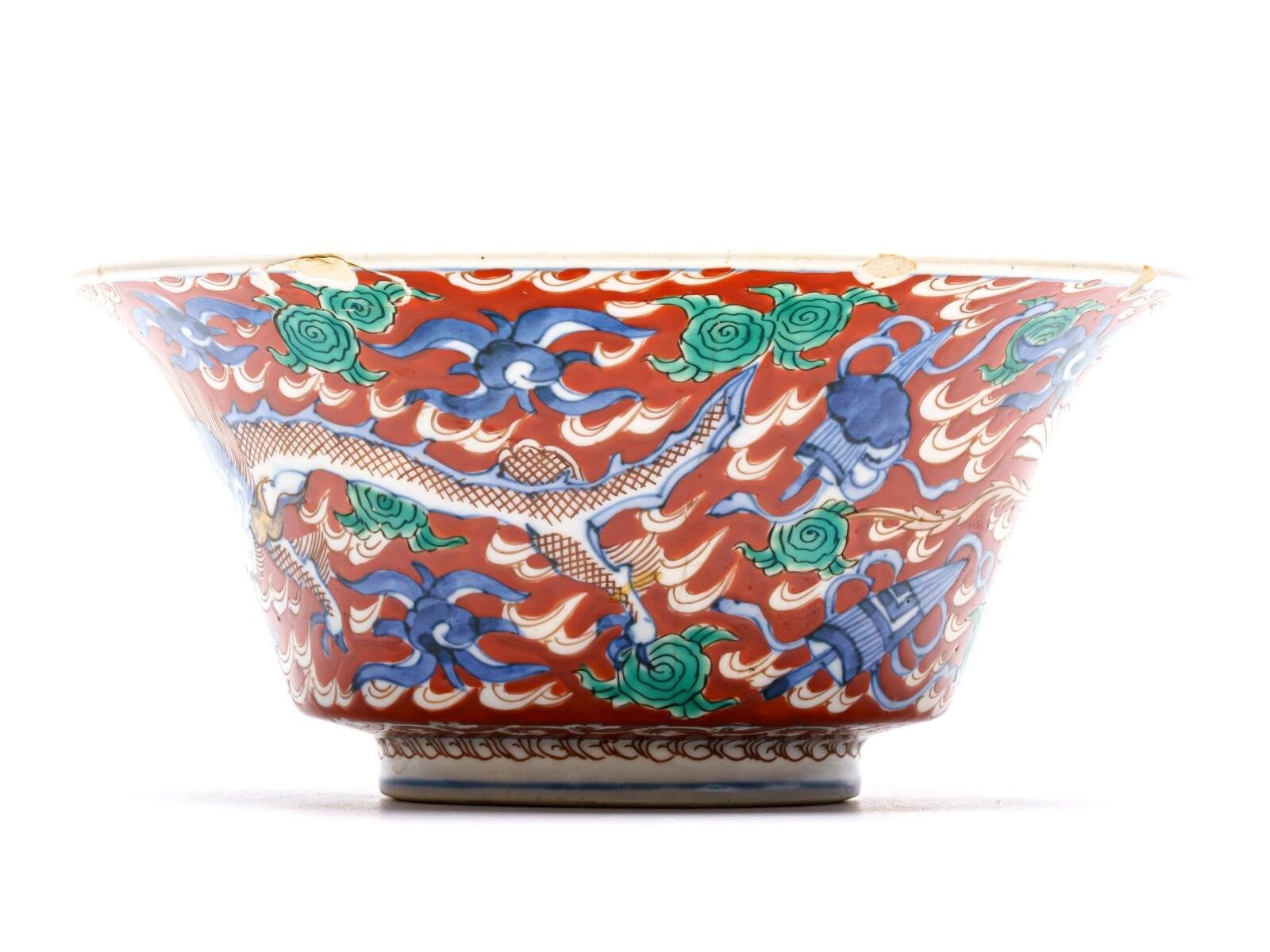
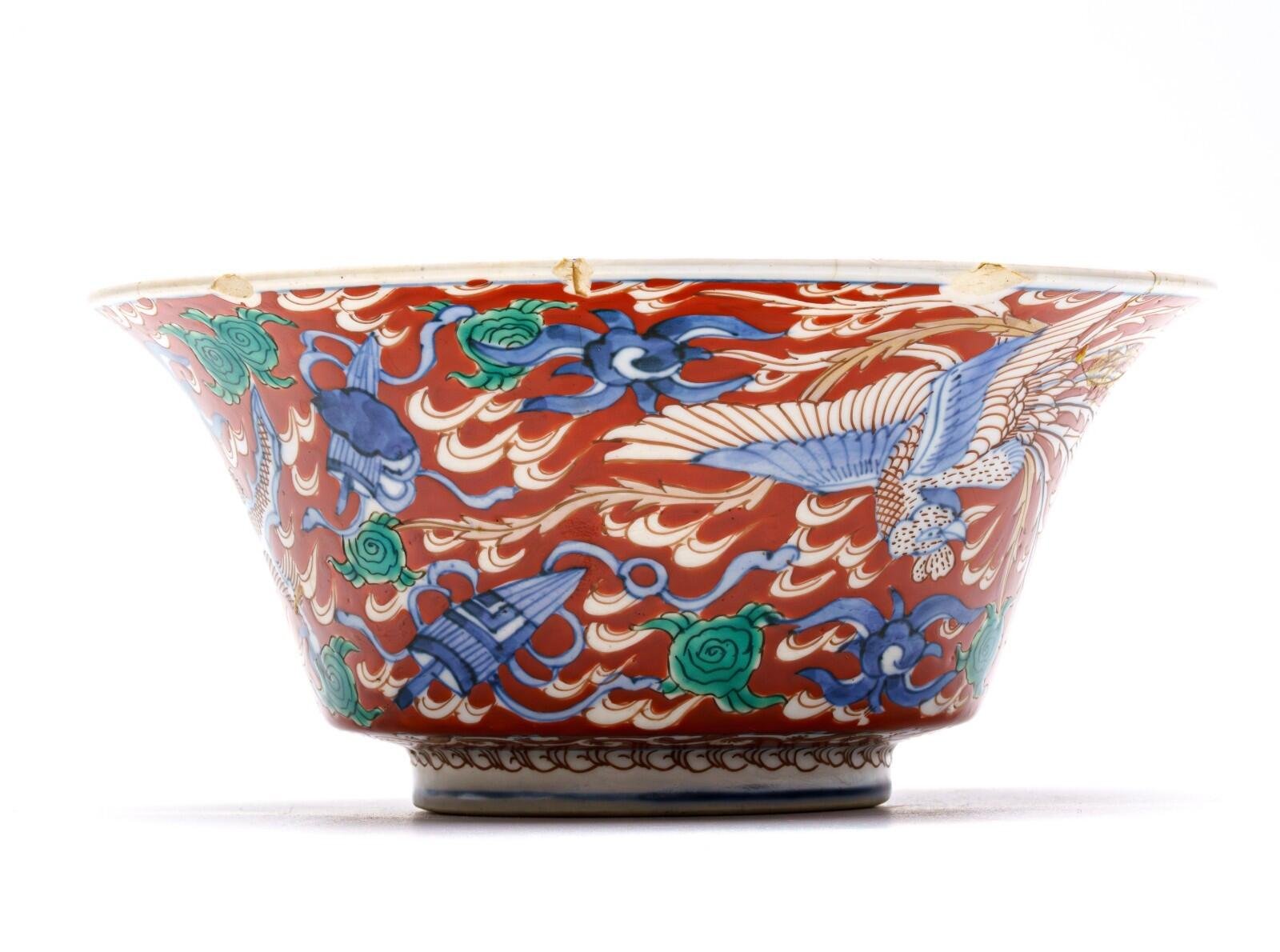
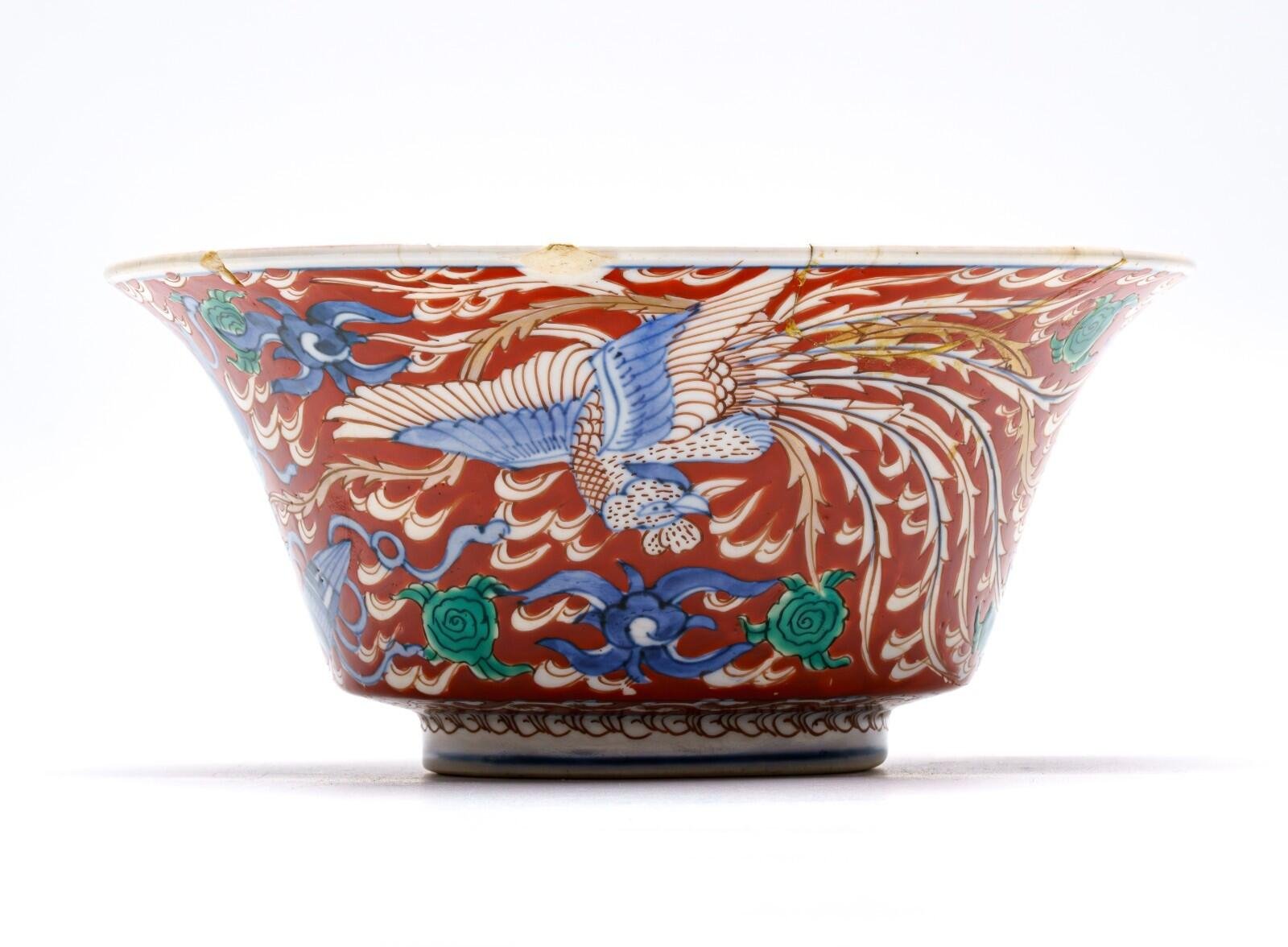


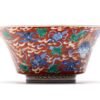
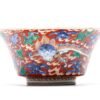
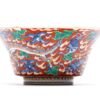
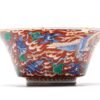
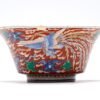


Japanese Porcelain Arita Bowl Uwae Hachi Gilt Phoenix Shou Marked Fuku Edo 17C
£115.00
Inventory Code: INV4371
Object: Bowl
Material: Porcelain
Origin: Japan
Period: Edo
Date: 17th Century
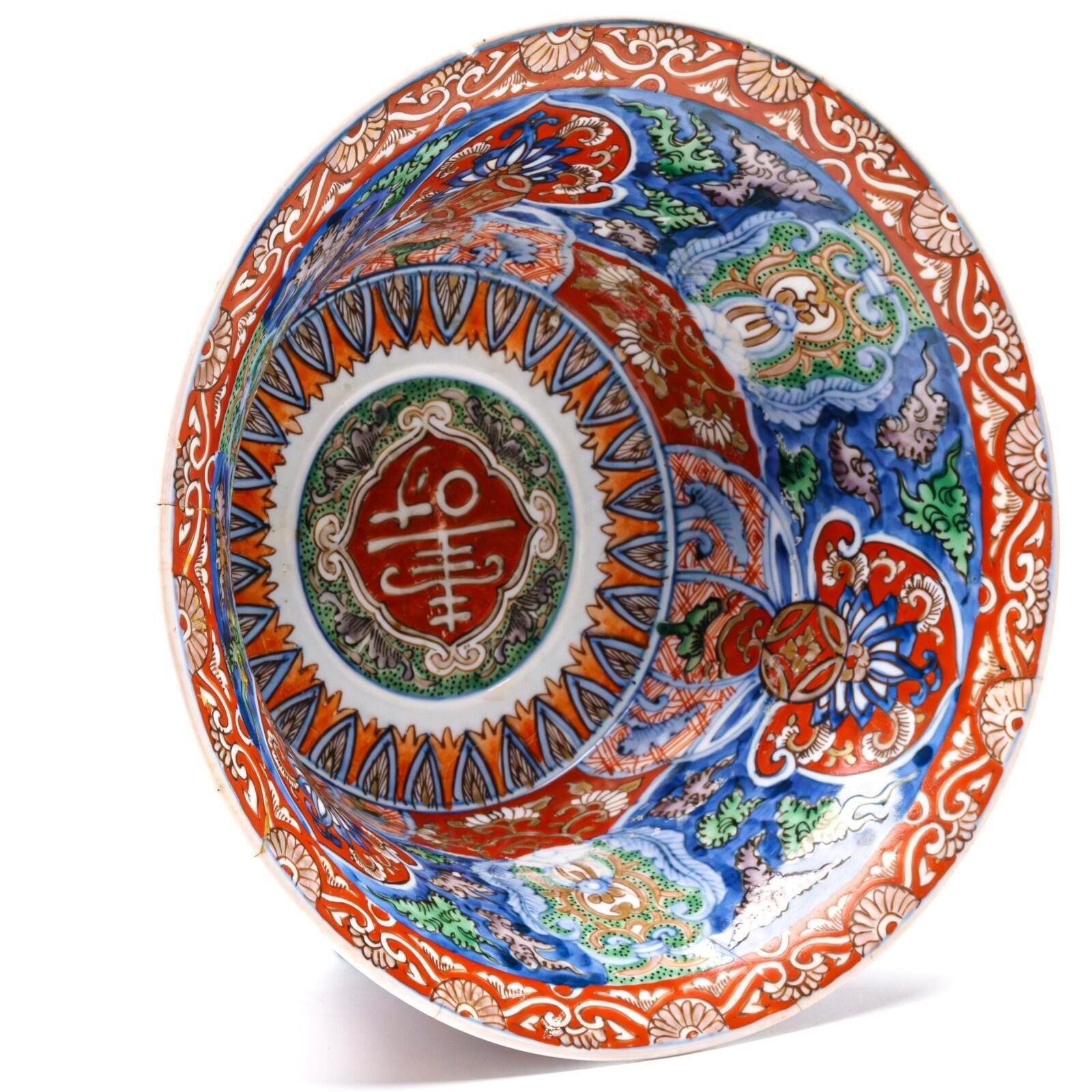
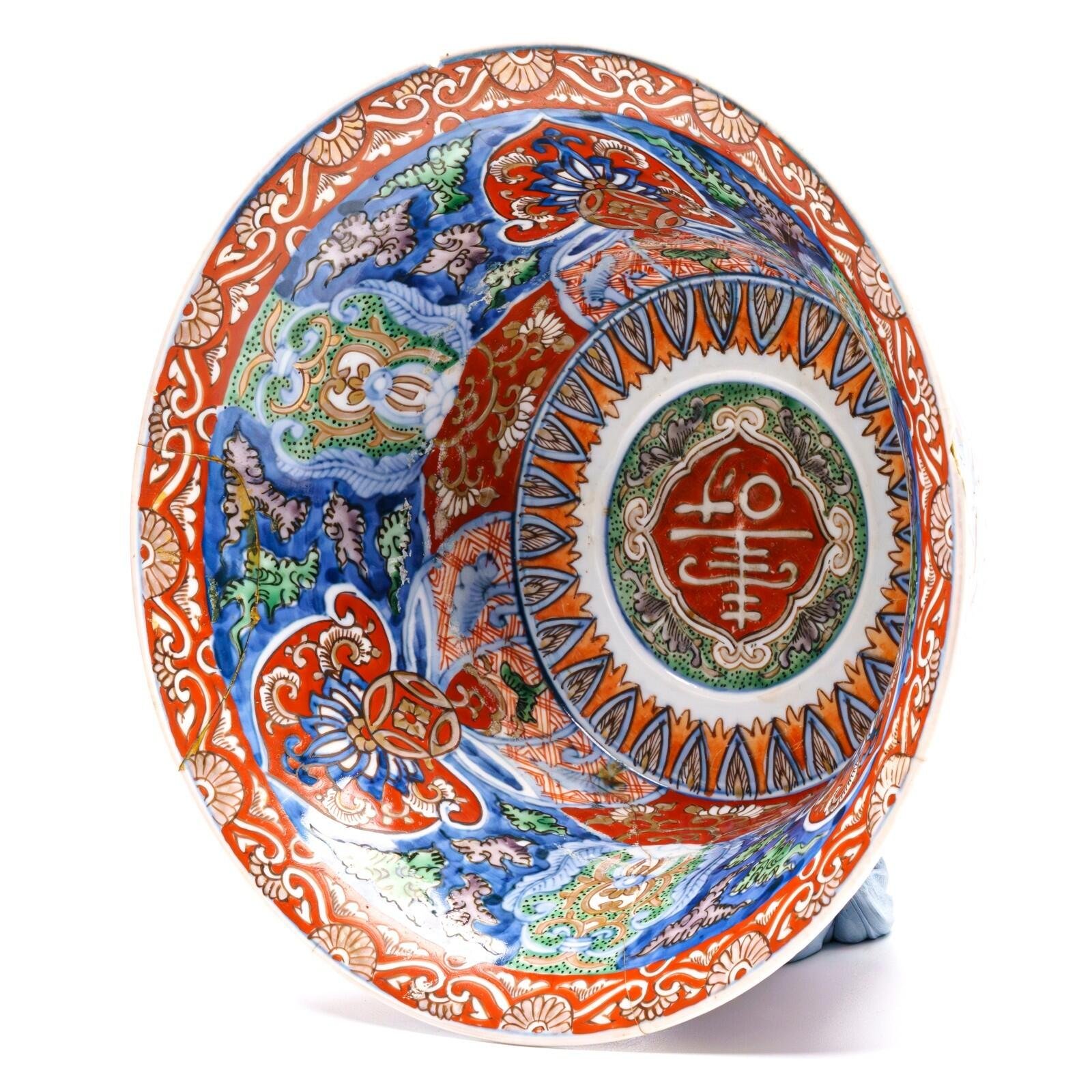
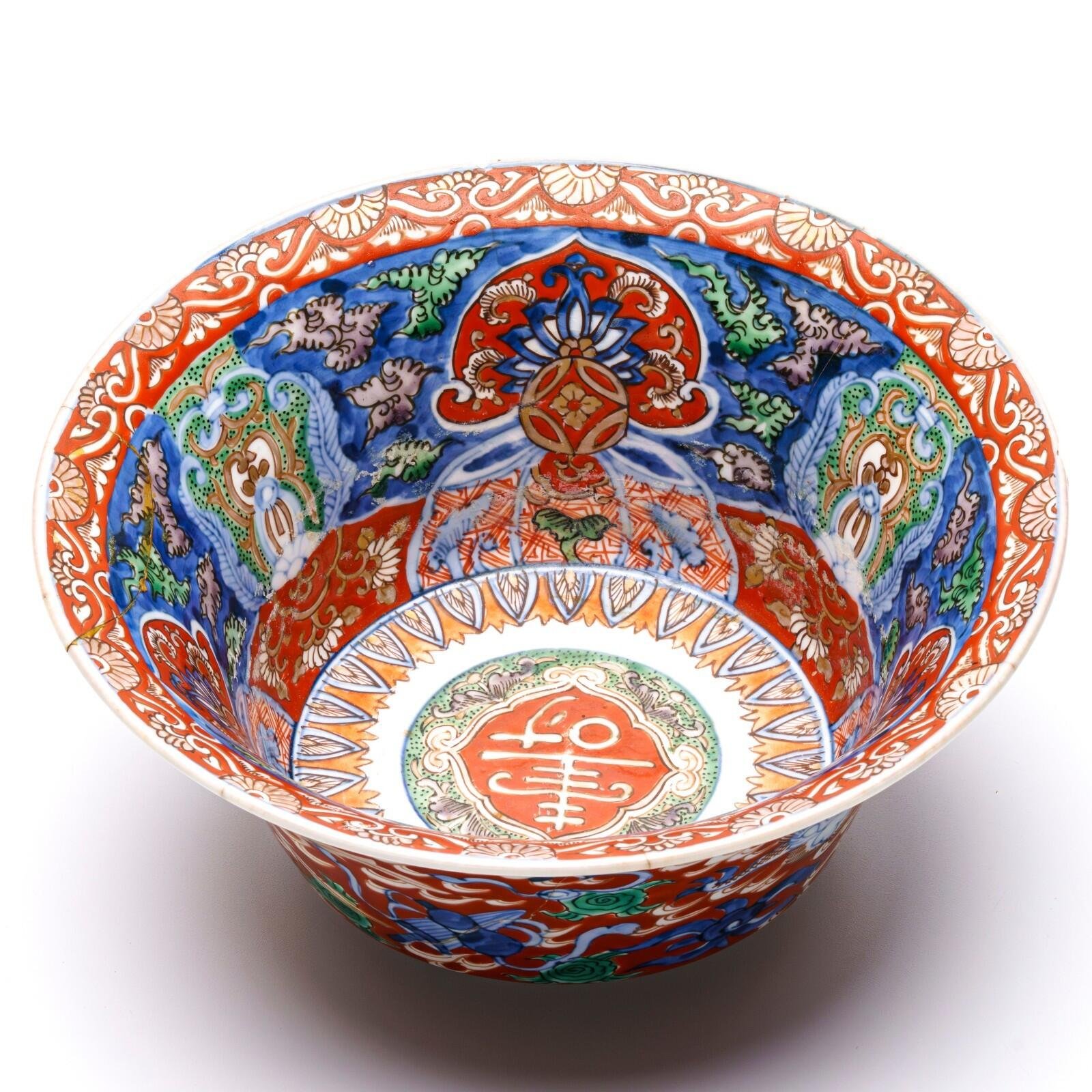
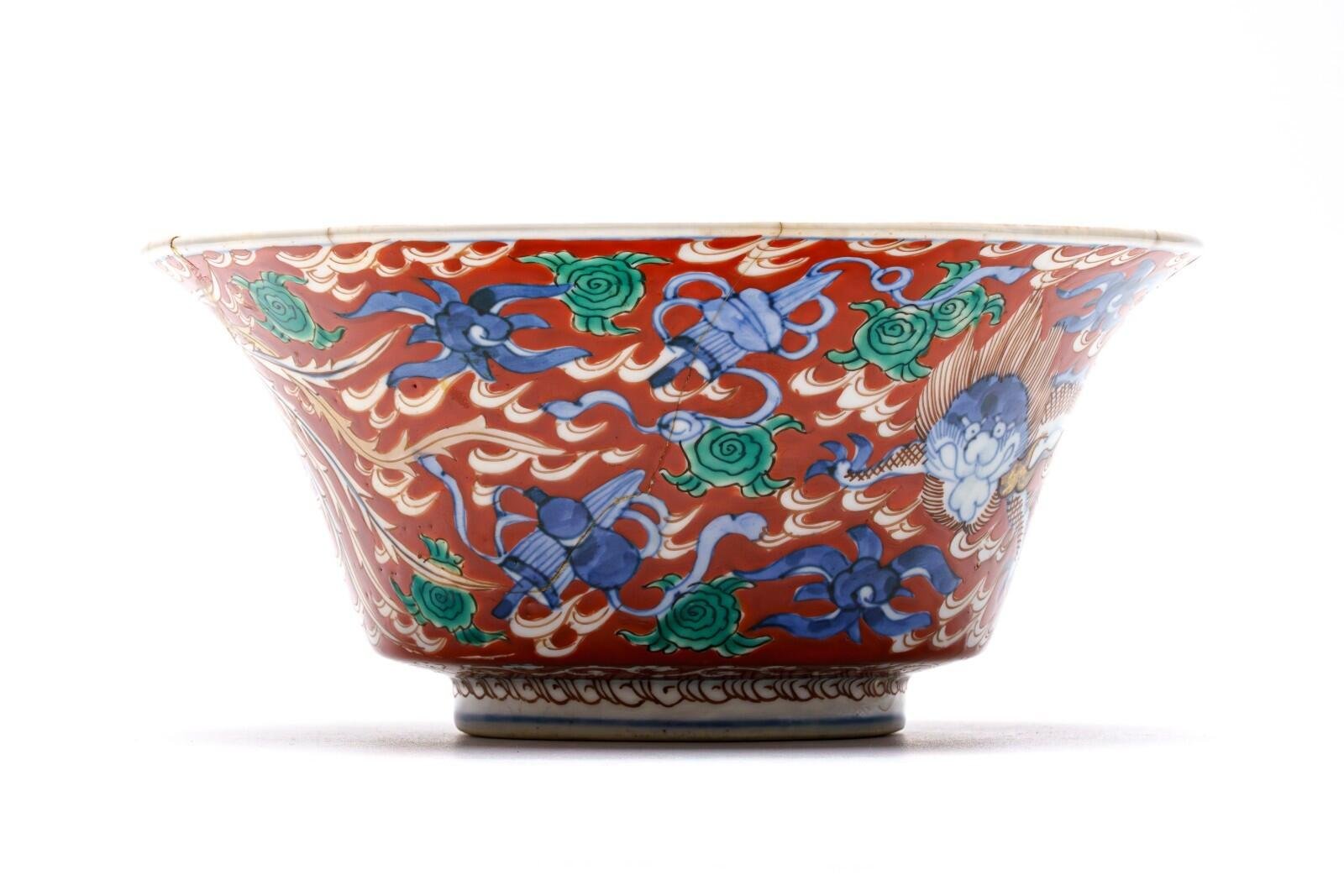
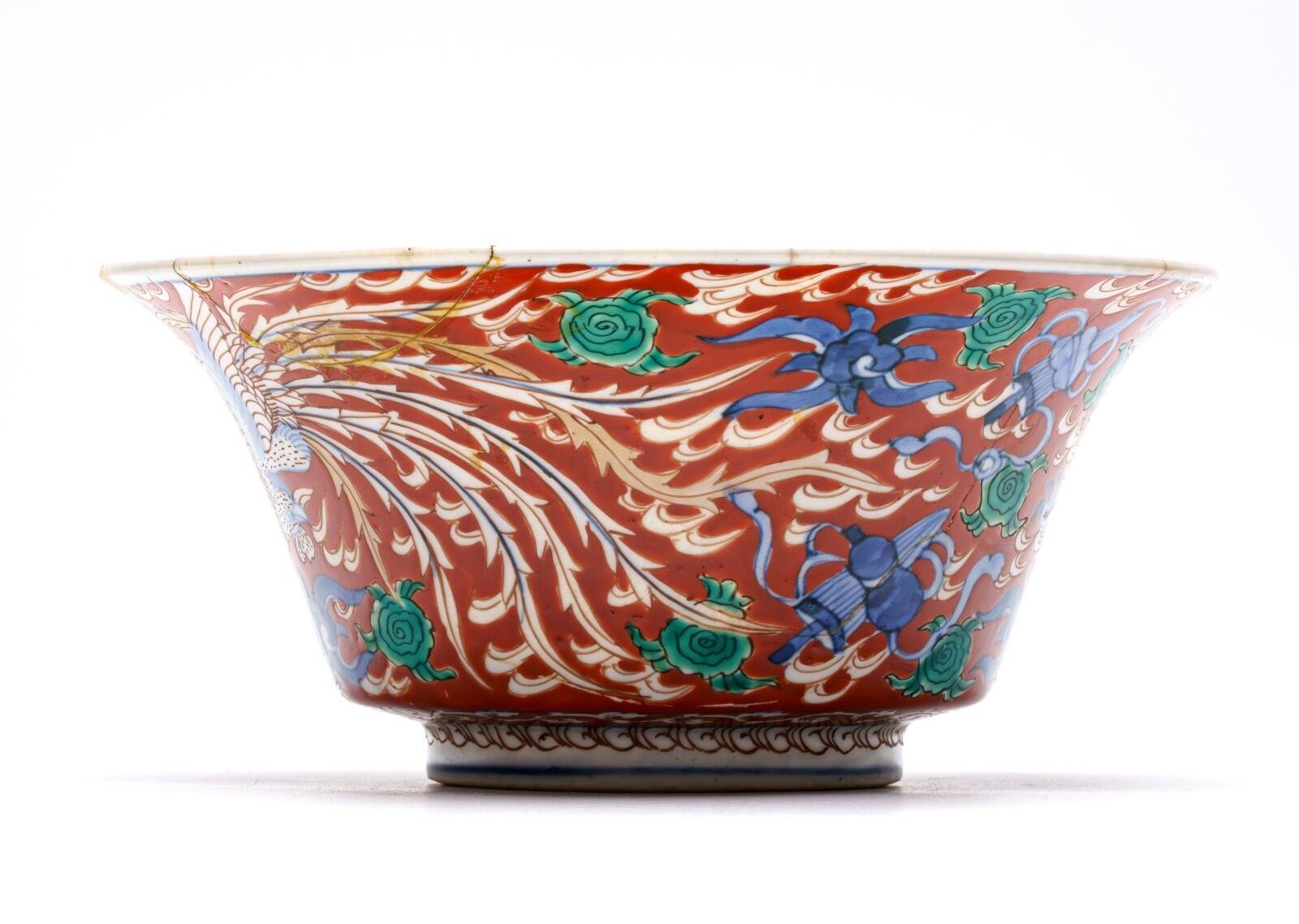
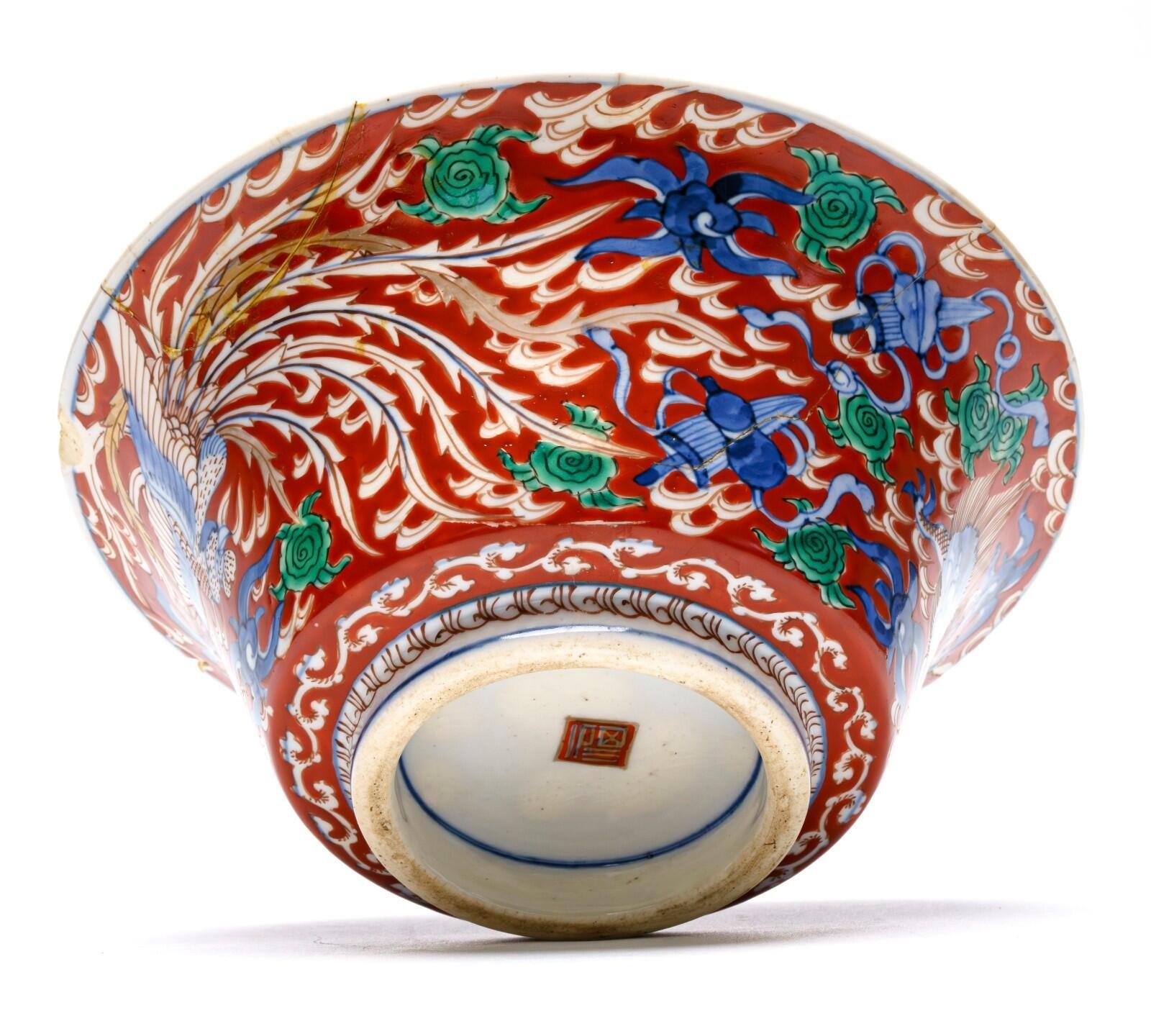
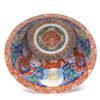
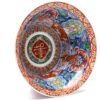
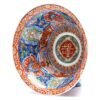
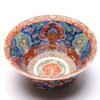
Decoration: Polychrome Imari enamels with phoenix birds, scrolling foliage, gilt details, and central Shou longevity symbol
Marked: Fuku mark to base
Measurements:
Diameter: 7.2 in / 18.5 cm
Height: 3.3 in / 8.4 cm
Condition:
FAIR/RESTORED (2/5) – Restored with visible cracks, old glued repairs, rim chips, and areas of wear and loss to enamel and gilding. Please review the photos carefully for more details.
International Shipping
We ship worldwide using tracked and insured services. Prices are calculated at checkout. All items are securely packaged with care and experience.
Pricing
Prices reflect past sales and our assessment of each item’s rarity and condition. Contact us if you would like to discuss.
Research
All item details are based on our own research and evaluation. We welcome questions or feedback.
Authenticity
Every item is guaranteed to be as described, with provenance provided where available.
Refunds
We accept returns within 14 days of delivery. Please contact us first to arrange a return and refund.
DESCRIPTION
Fine Japanese Arita porcelain bowl decorated in vibrant Imari palette enamels of iron red, cobalt blue, green, and gilt. The interior features a central Shou longevity medallion surrounded by elaborate geometric and floral borders. Exterior decoration includes phoenix birds among scrolling foliage and stylized cloud forms. The bowl displays classic Uwae Hachi characteristics associated with high quality Edo period export porcelain. A visually striking example despite restoration.
COLLECTOR’S NOTE
Arita kilns of the Edo period produced some of Japan’s most celebrated export porcelains. Uwae Hachi bowls are admired for their rich overglaze enamels and dynamic decorative schemes. Phoenix and longevity motifs were popular auspicious symbols in Japanese and East Asian decorative arts.
NOTES
Please review all photos carefully as they form part of the description.
Related products
-
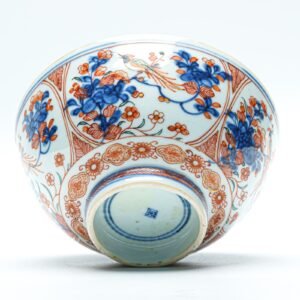
Chinese Porcelain Bowl Imari Gilt Dutch Clobbered Enamel Qing Kangxi 1662 – 1722
£249.99 -
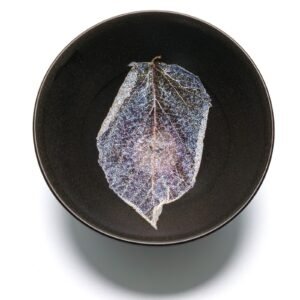
Chinese Ceramic Tenmoku Tree Leaf Bowl Black Glazed Stoneware Asian Modern 21thC
£80.00 -
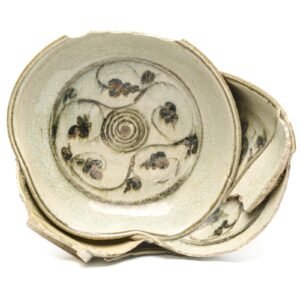
Thai Sukhothai Sawankhalok Celadon Kiln Waster Bowl Black Underglaze 14th-16th C
£300.00 -

Chinese Porcelain Bowl Iron Red Gilt Grisaille Qing Qianlong Peony Brown Rim 18C
£110.00