



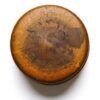
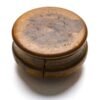
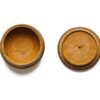
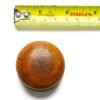
English Victorian Turned Wooden Snuff Box Hardwood Brown Antique 19th C
£30.00
Inventory Code: INV5065
International Shipping
We ship worldwide using tracked and insured services. Prices are calculated at checkout. All items are securely packaged with care and experience.
Pricing
Prices reflect past sales and our assessment of each item’s rarity and condition. Contact us if you would like to discuss.
Research
All item details are based on our own research and evaluation. We welcome questions or feedback.
Authenticity
Every item is guaranteed to be as described, with provenance provided where available.
Refunds
We accept returns within 14 days of delivery. Please contact us first to arrange a return and refund.
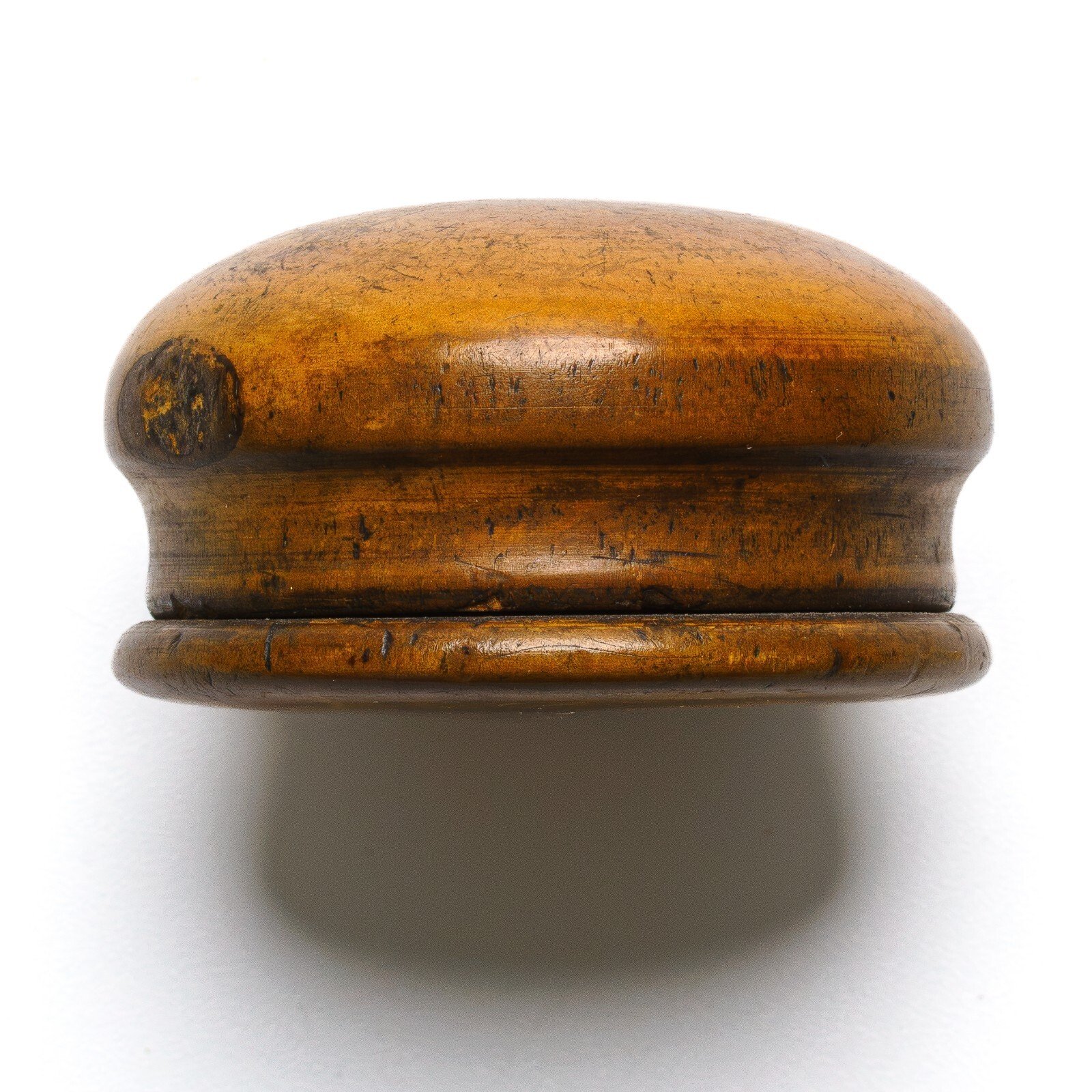
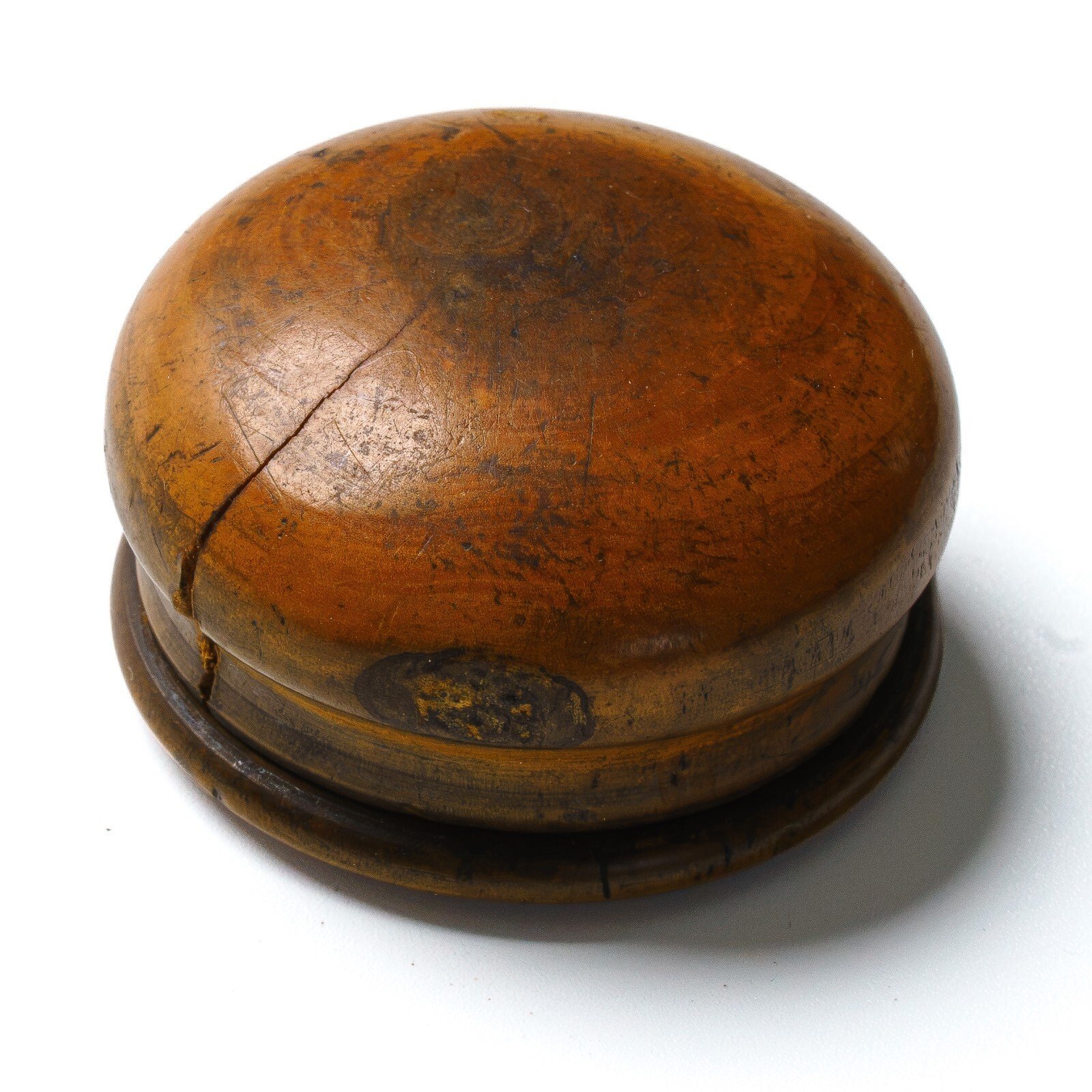
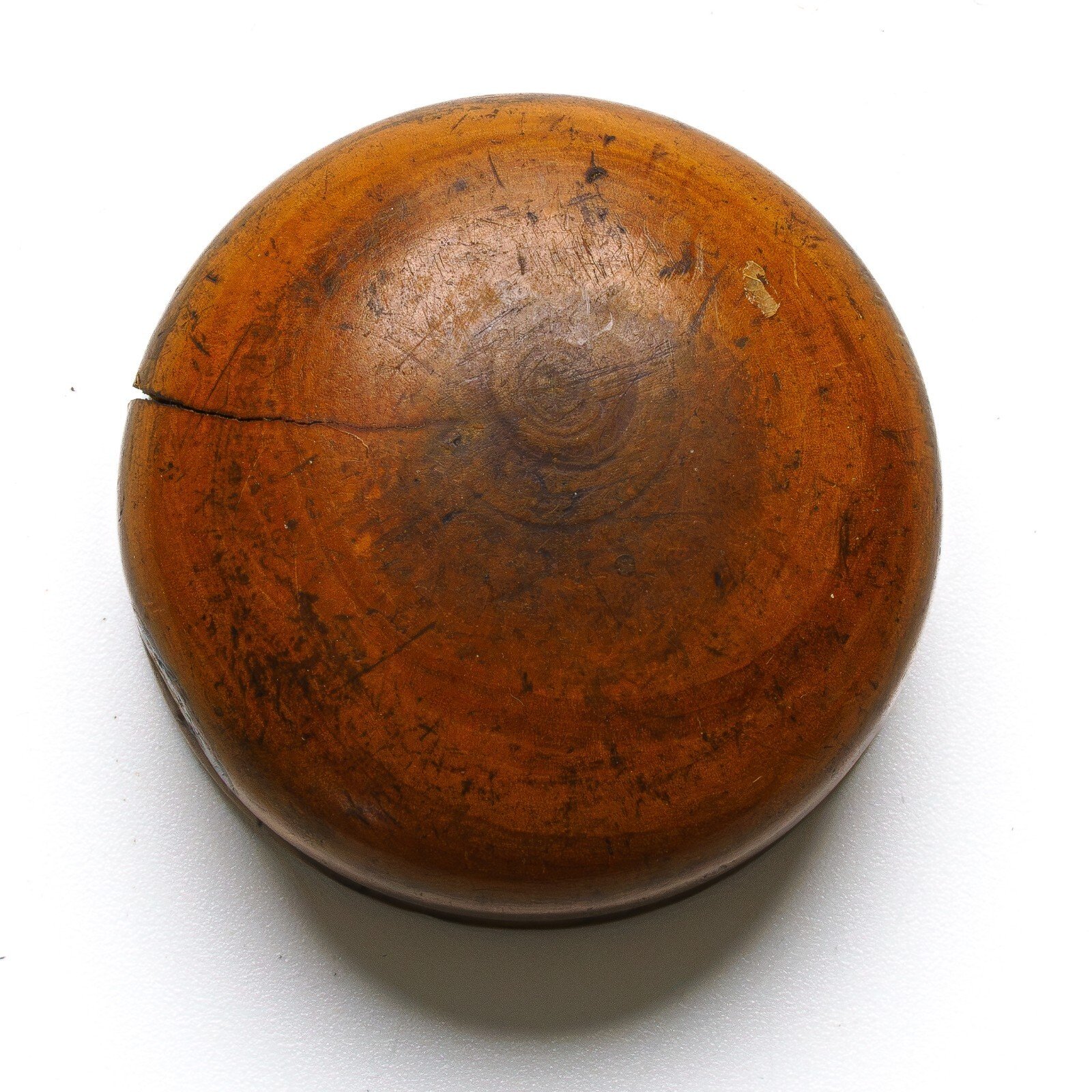
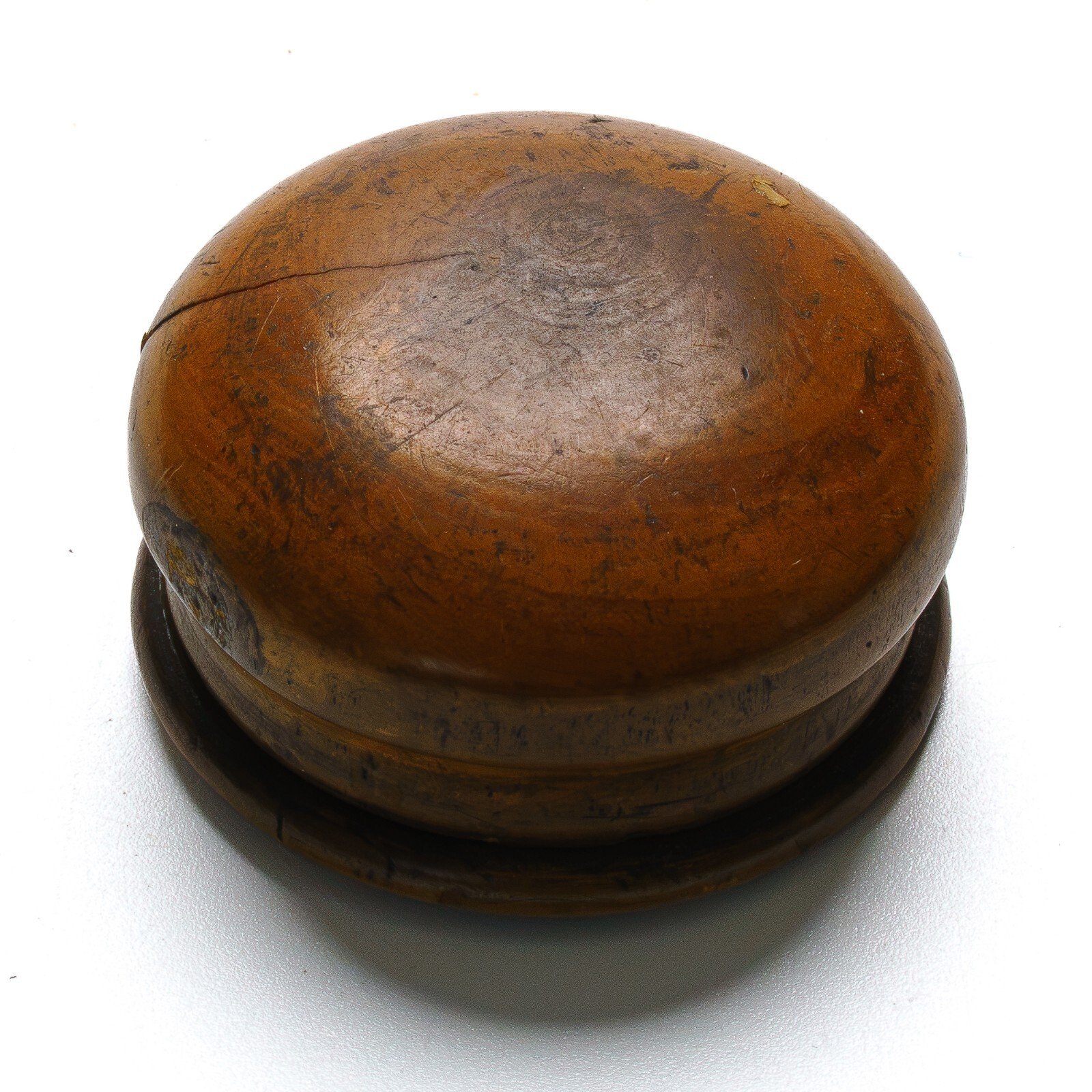
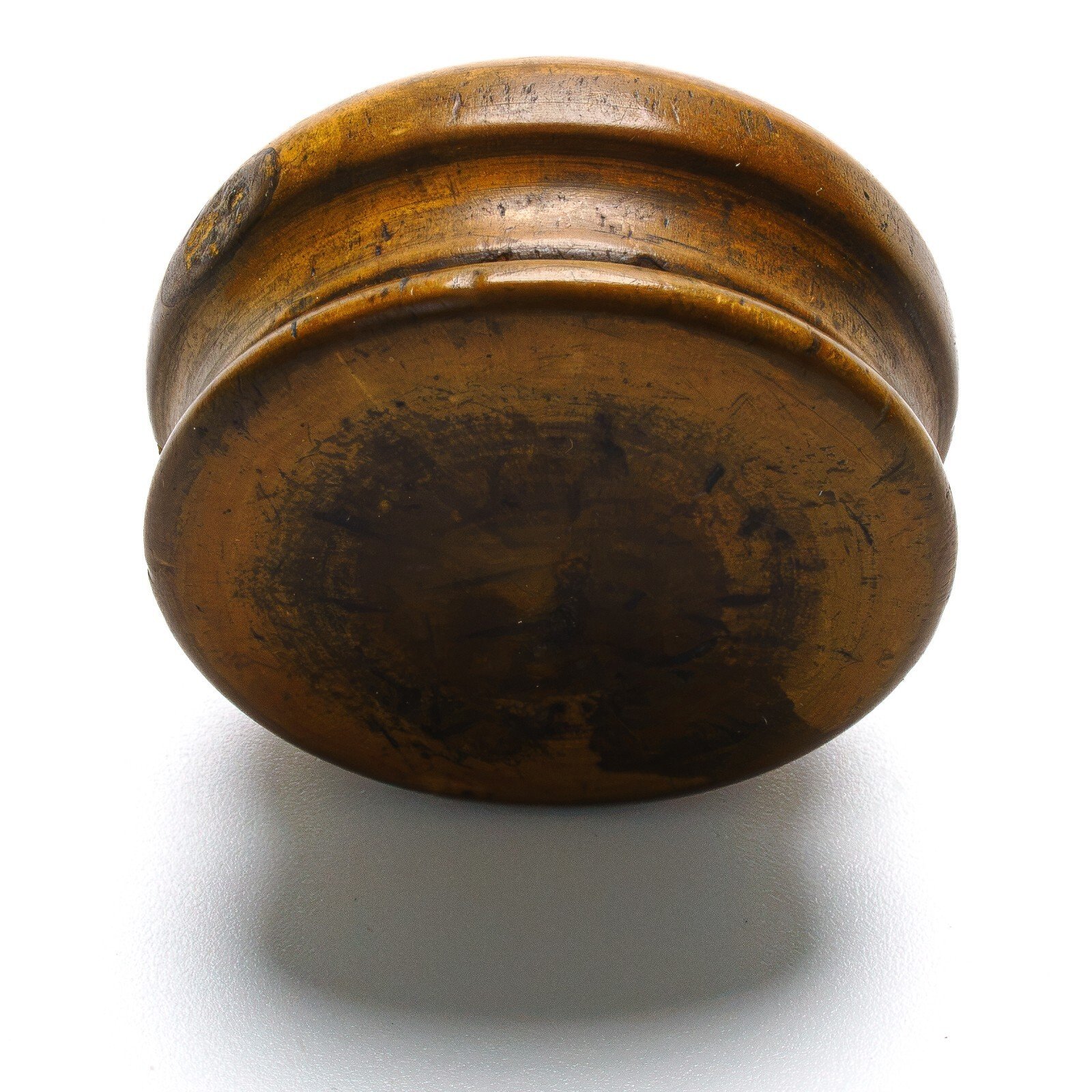
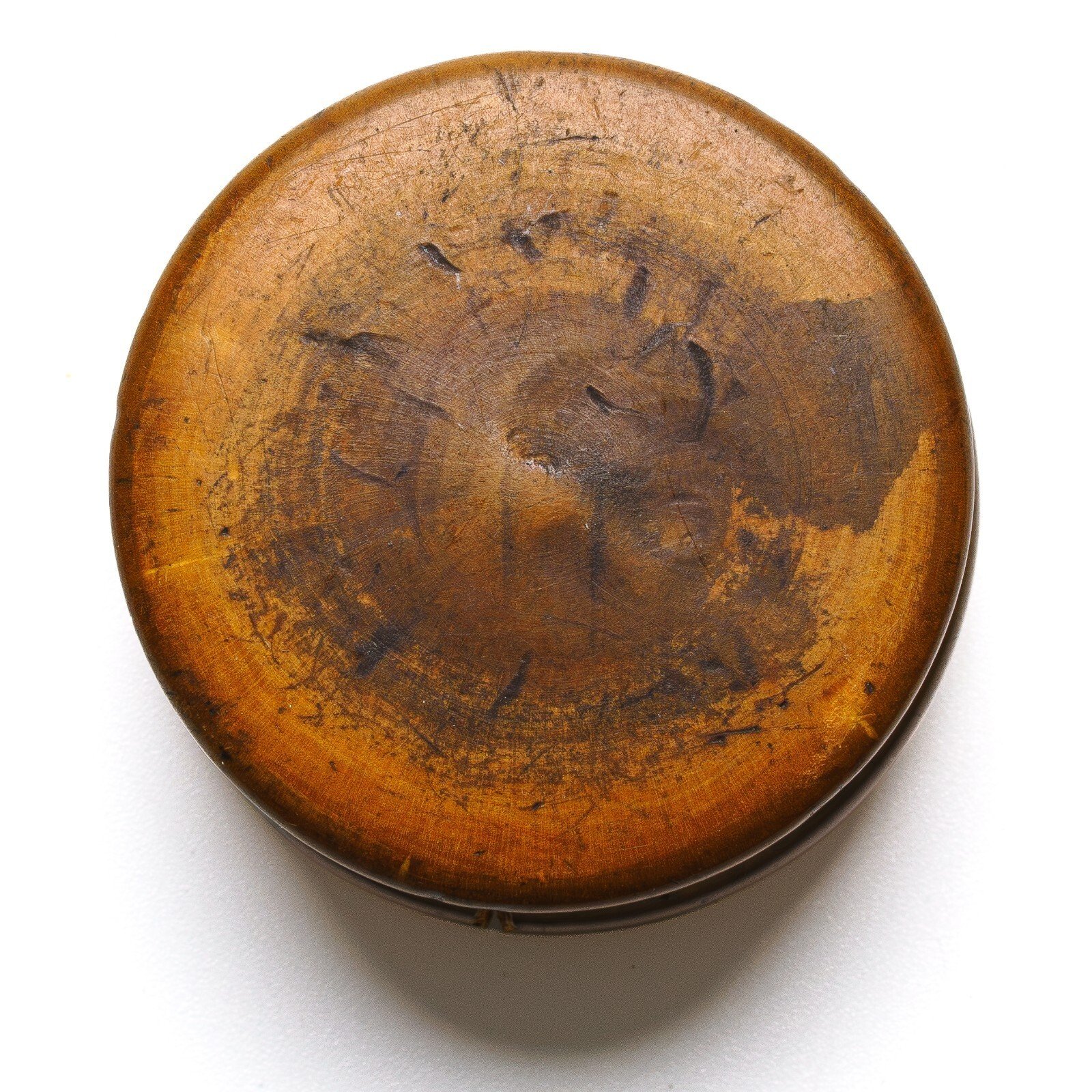
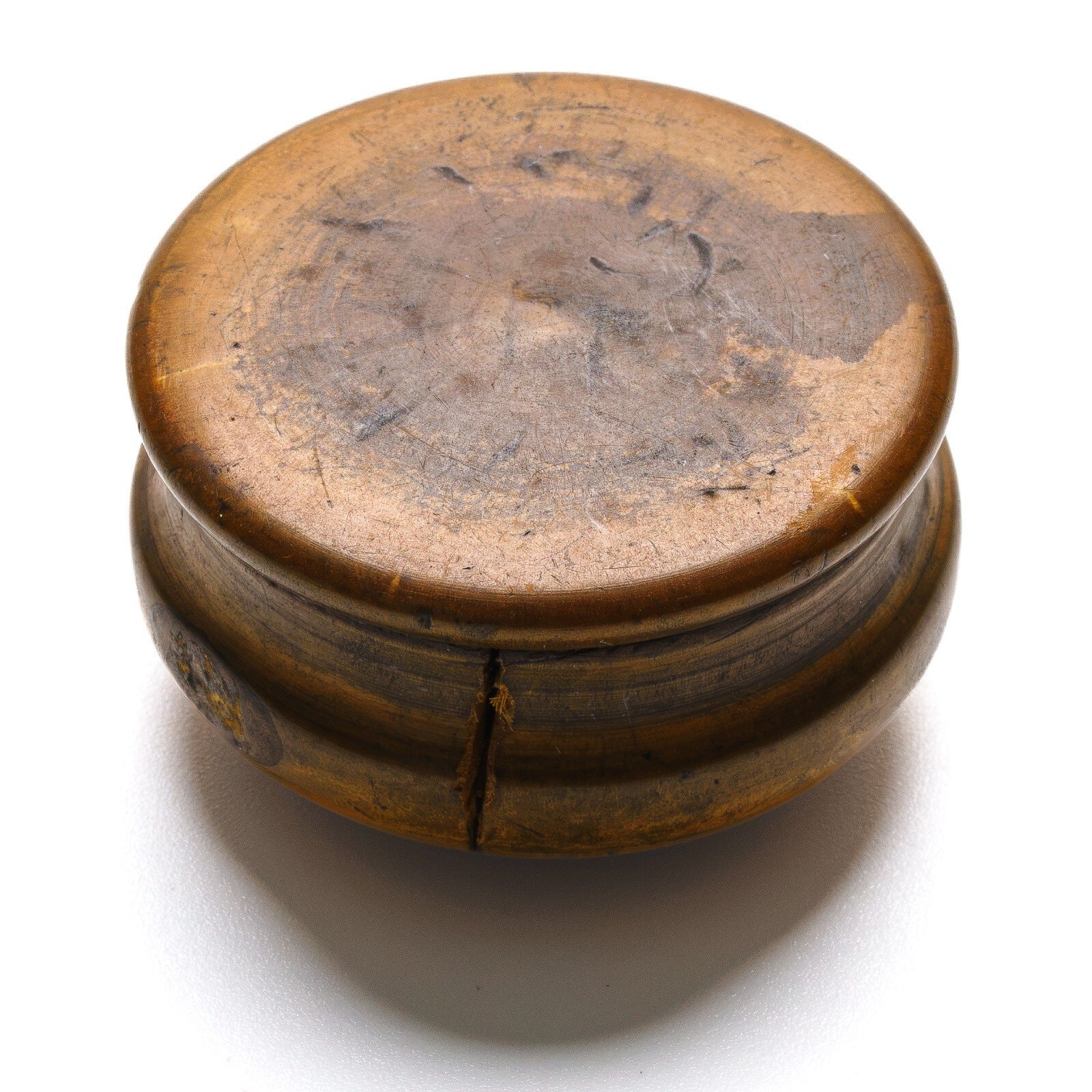
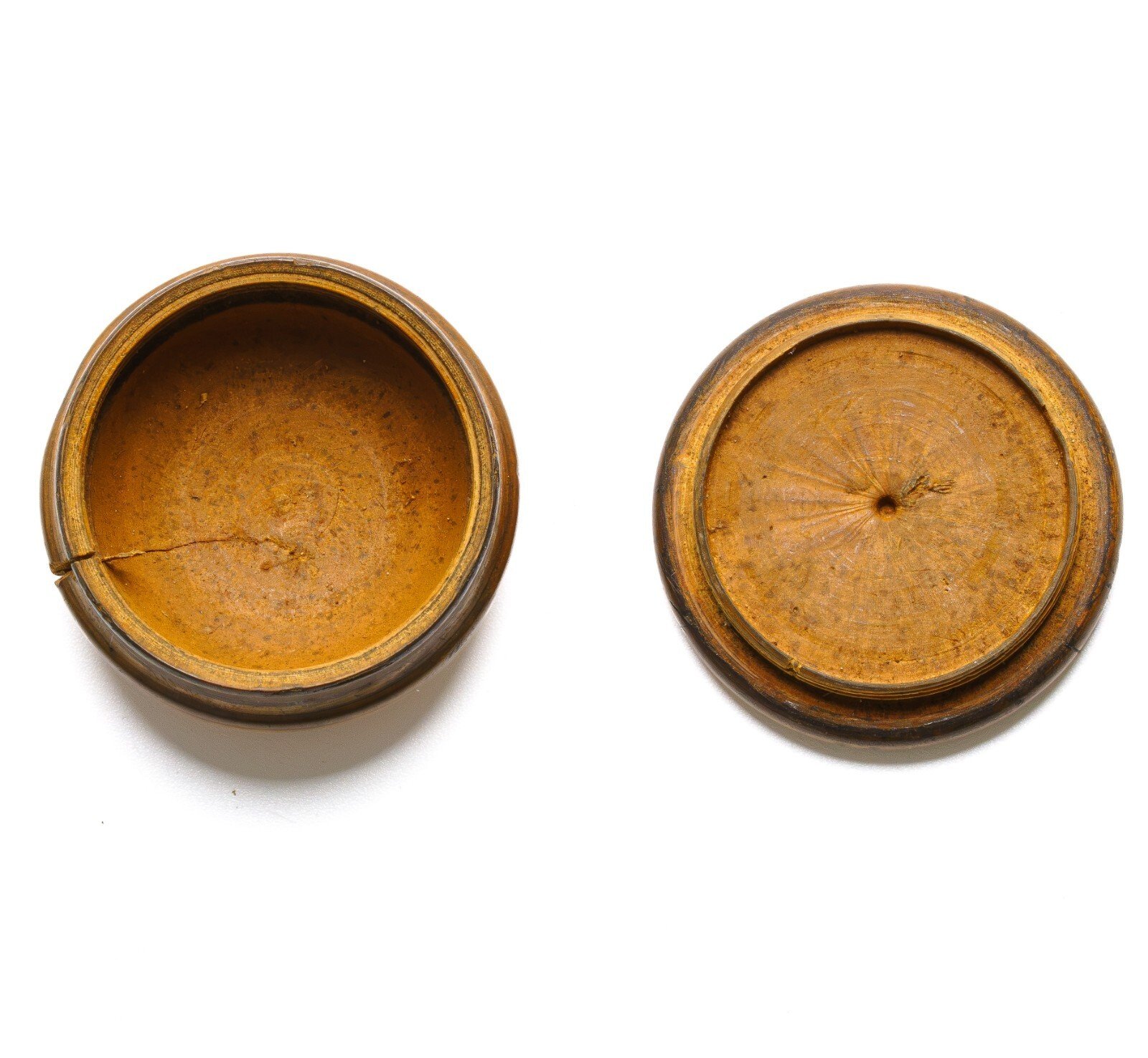
English Victorian Turned Wooden Snuff Box Hardwood Antique 19th Century
ITEM DETAILS
Inventory Code: INV5065
Object: Snuff Box
Material: Turned hardwood
Origin: England
Period: Victorian
Date: 19th century
Decoration: Plain turned circular form with domed lid and aged brown patina
Mark: Unmarked
MEASUREMENTS
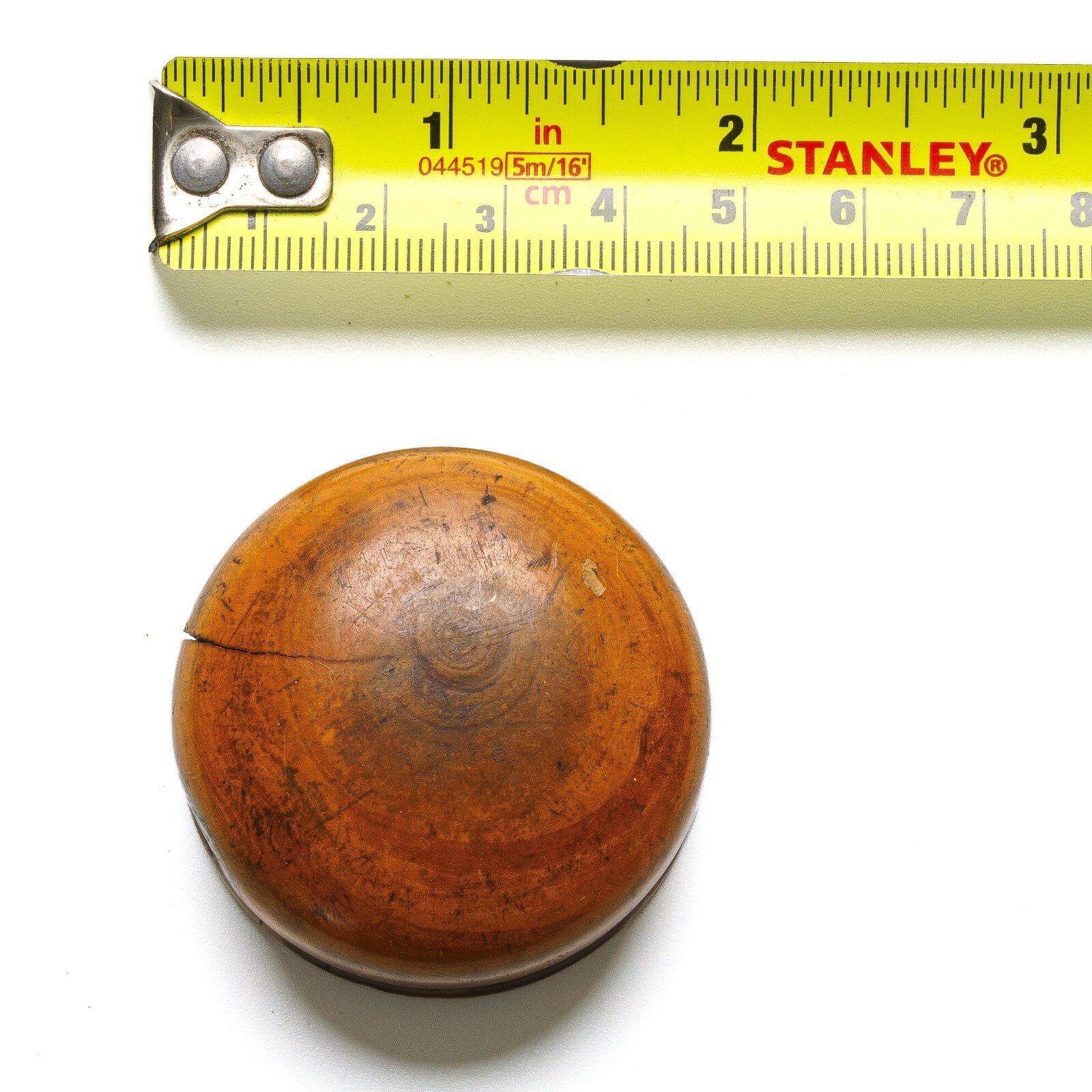
Diameter: 1.77 in / 4.5 cm
Height: 0.98 in / 2.5 cm
CONDITION
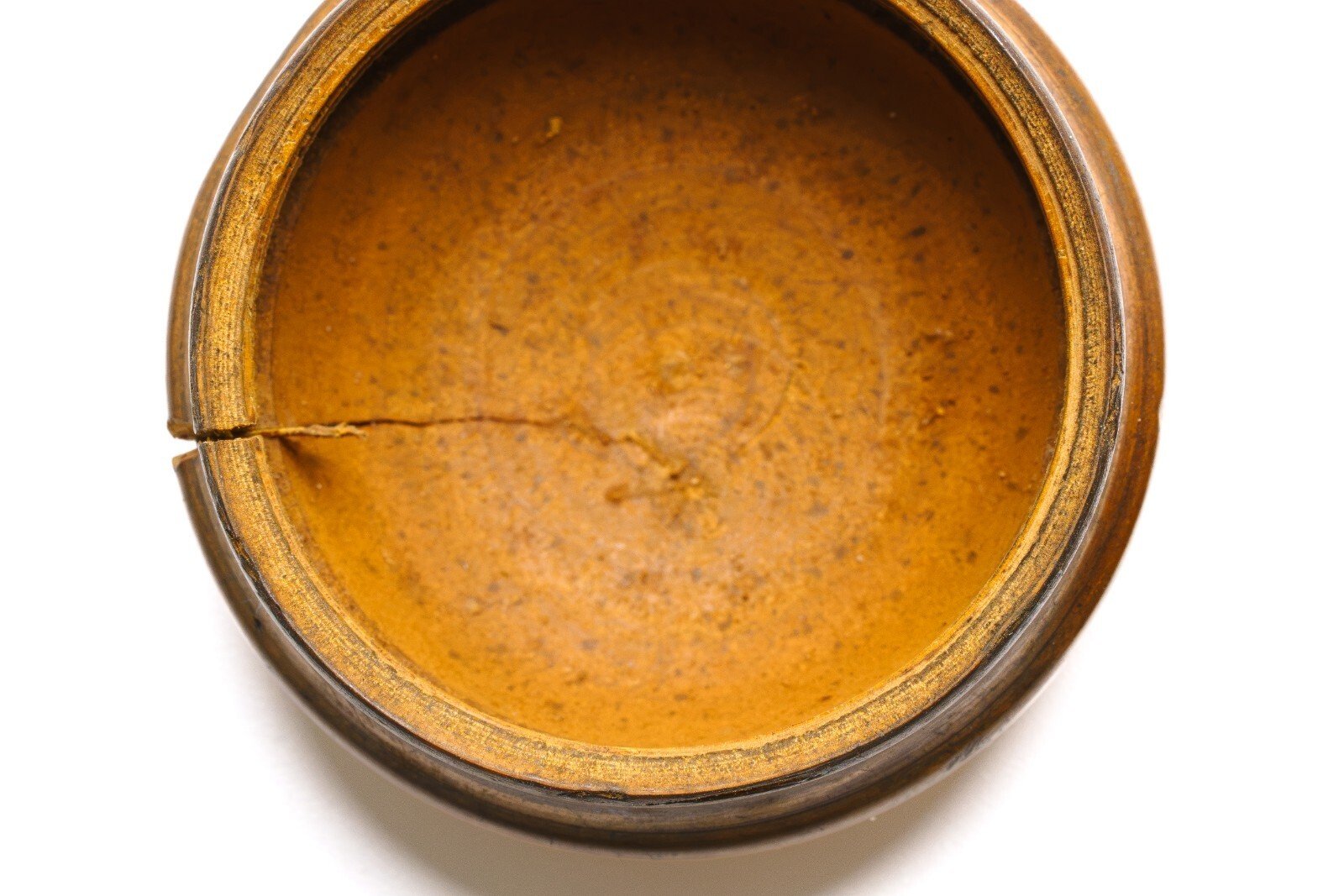
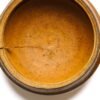
FAIR (3/5) – Crack through the domed lid, further cracking to the body, scratches, rubbing, staining and general surface marks consistent with considerable age and use. Please review the photos carefully for more details.
DESCRIPTION
A small English Victorian turned wooden snuff box dating to the 19th century. The circular box has a rounded domed lid, neatly turned profile and simple fitted construction. The hardwood displays a warm honey brown color with darker areas and a well developed patina from handling and use. Its restrained undecorated form reflects the practical character of traditional pocket snuff boxes. A pleasing antique tobacco accessory with considerable age related character.
COLLECTOR’S NOTE
Wooden snuff boxes were widely used in Britain during the 18th and 19th centuries as portable containers for powdered tobacco. Turned hardwood examples are collected for their tactile forms, traditional craftsmanship and the individual patina developed through generations of use.
NOTES
Please review all photos carefully as they form part of the description.
Related products
-

Japanese Porcelain Arita Marked Saucer Blue White Cartouches Scenes Meiji 19C
£45.00 -

Chinese Porcelain Plate Blue White Landscape Pavillion Qianlong Export Qing 18C
£35.00 -

Chinese Porcelain Saucer Qianlong Famille Rose Green Gilt Flower Scroll Qing 18C
£45.00 -

Chinese Kangxi Porcelain Plate Blue White Precious Objects Brown Rim Qing 18C
£37.77