
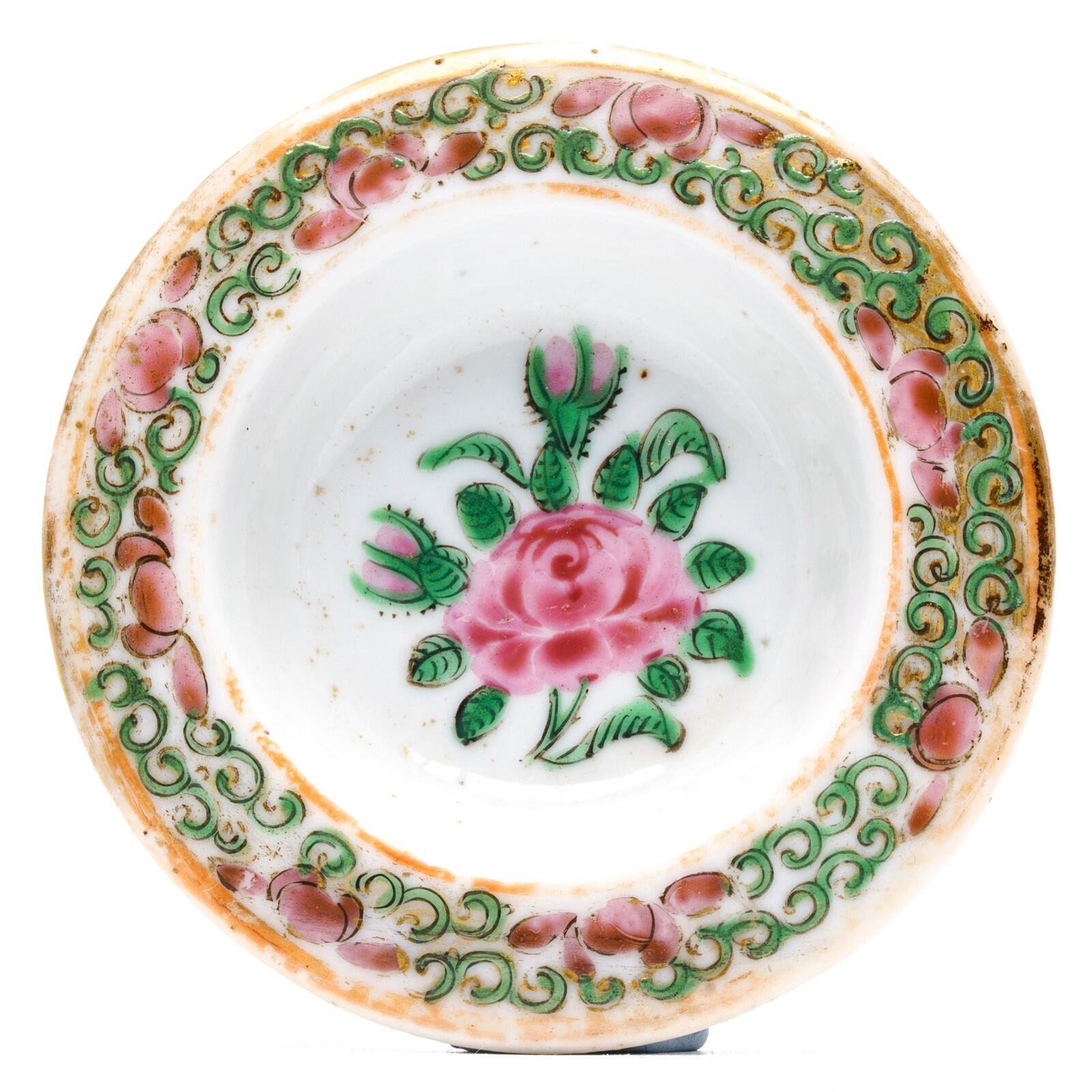
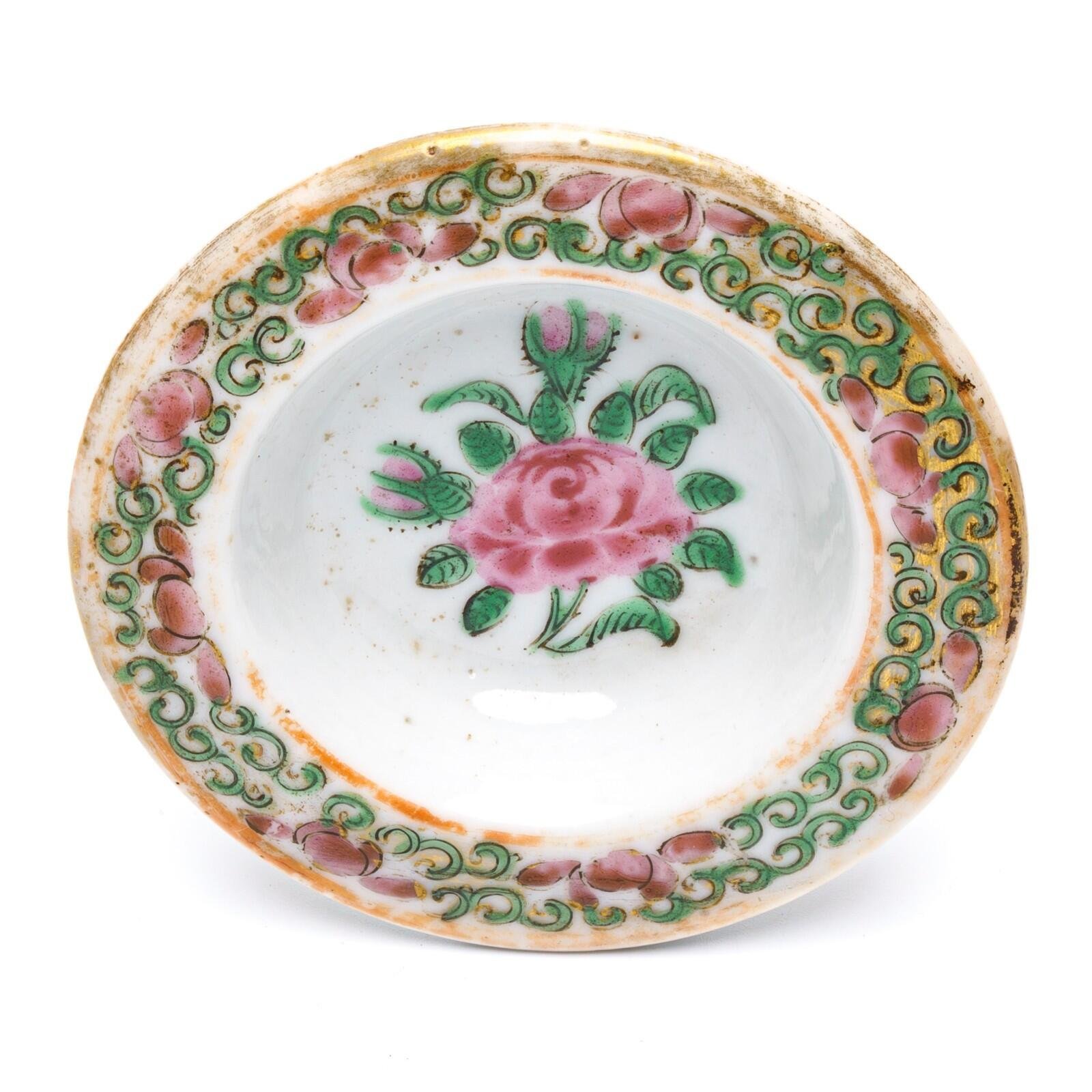
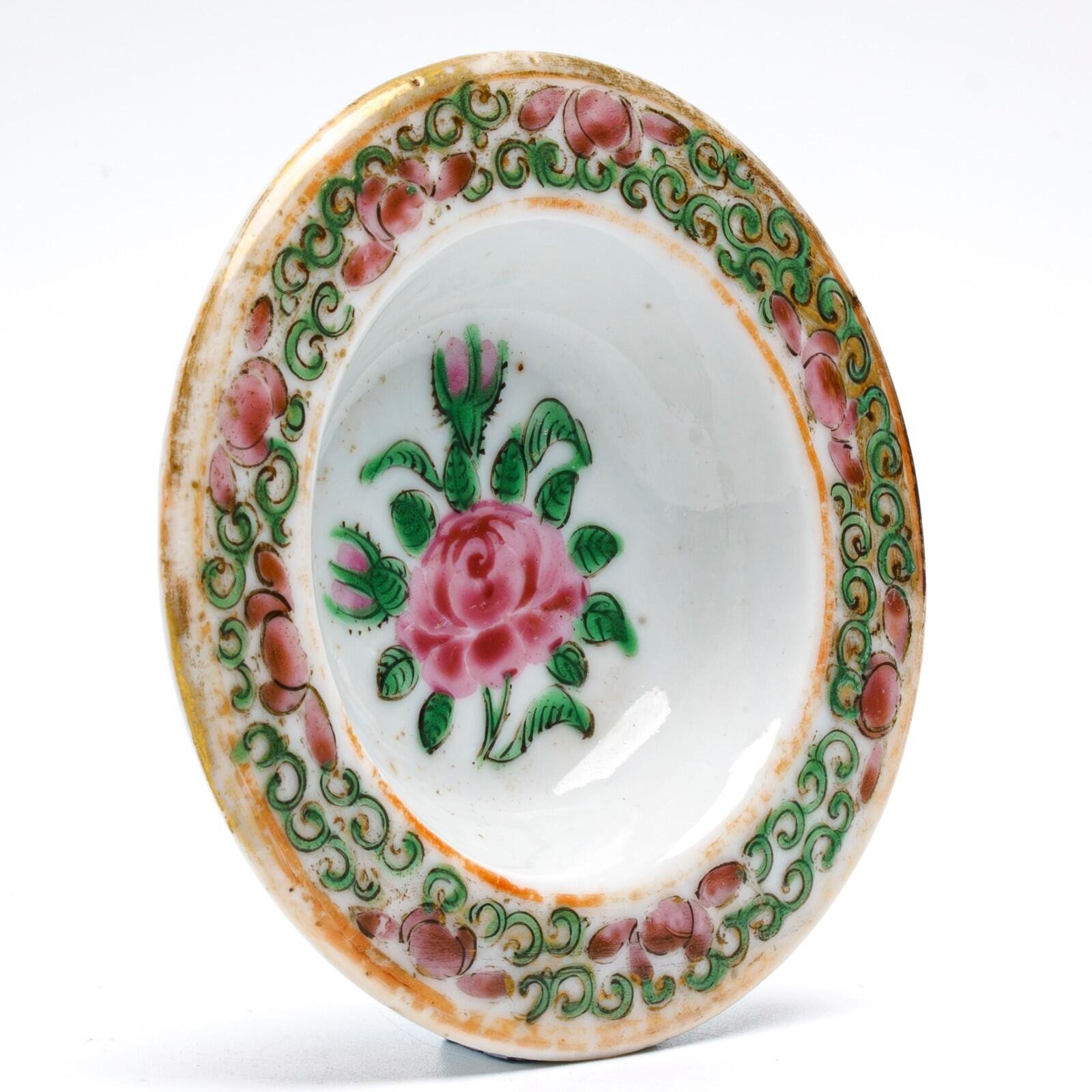
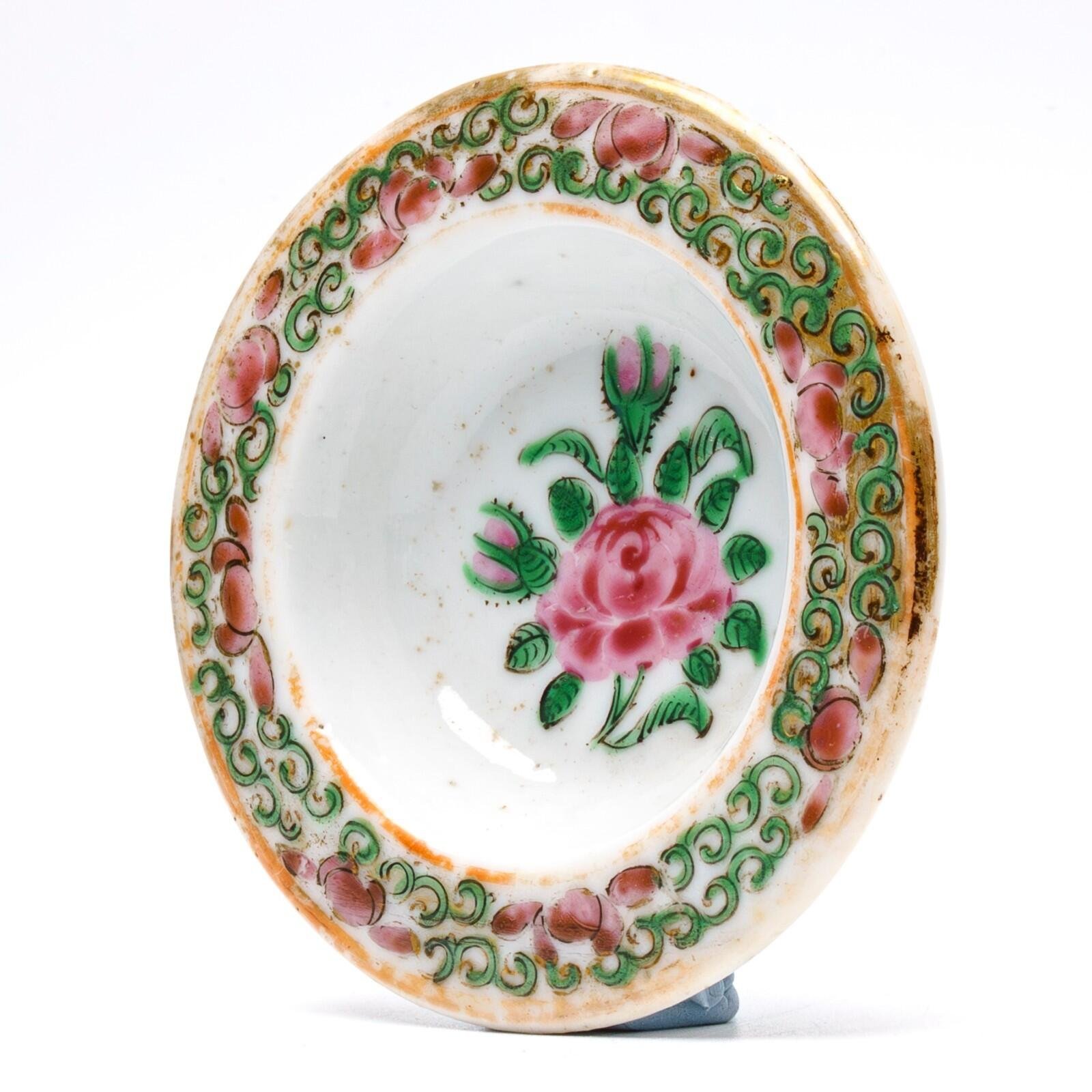
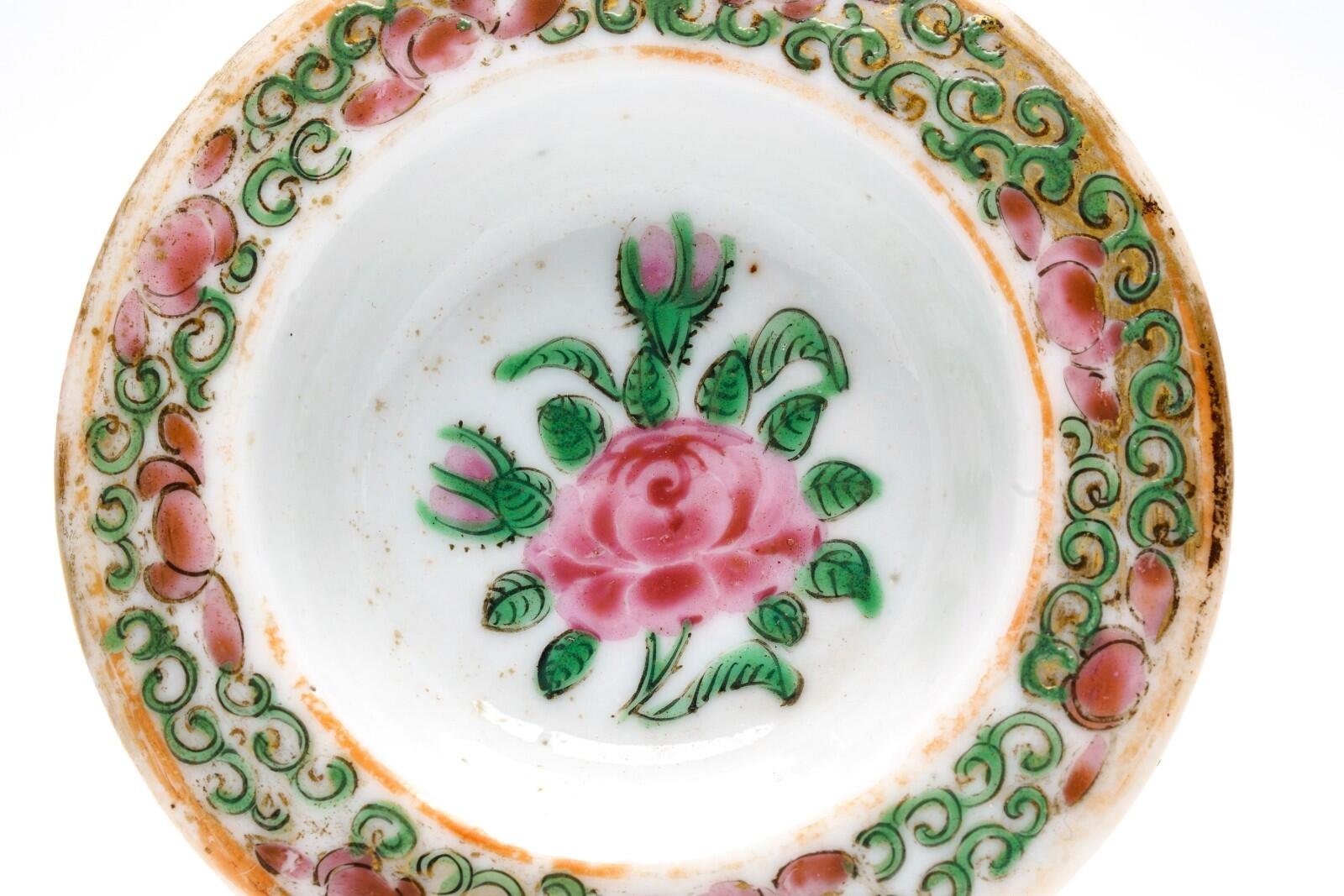
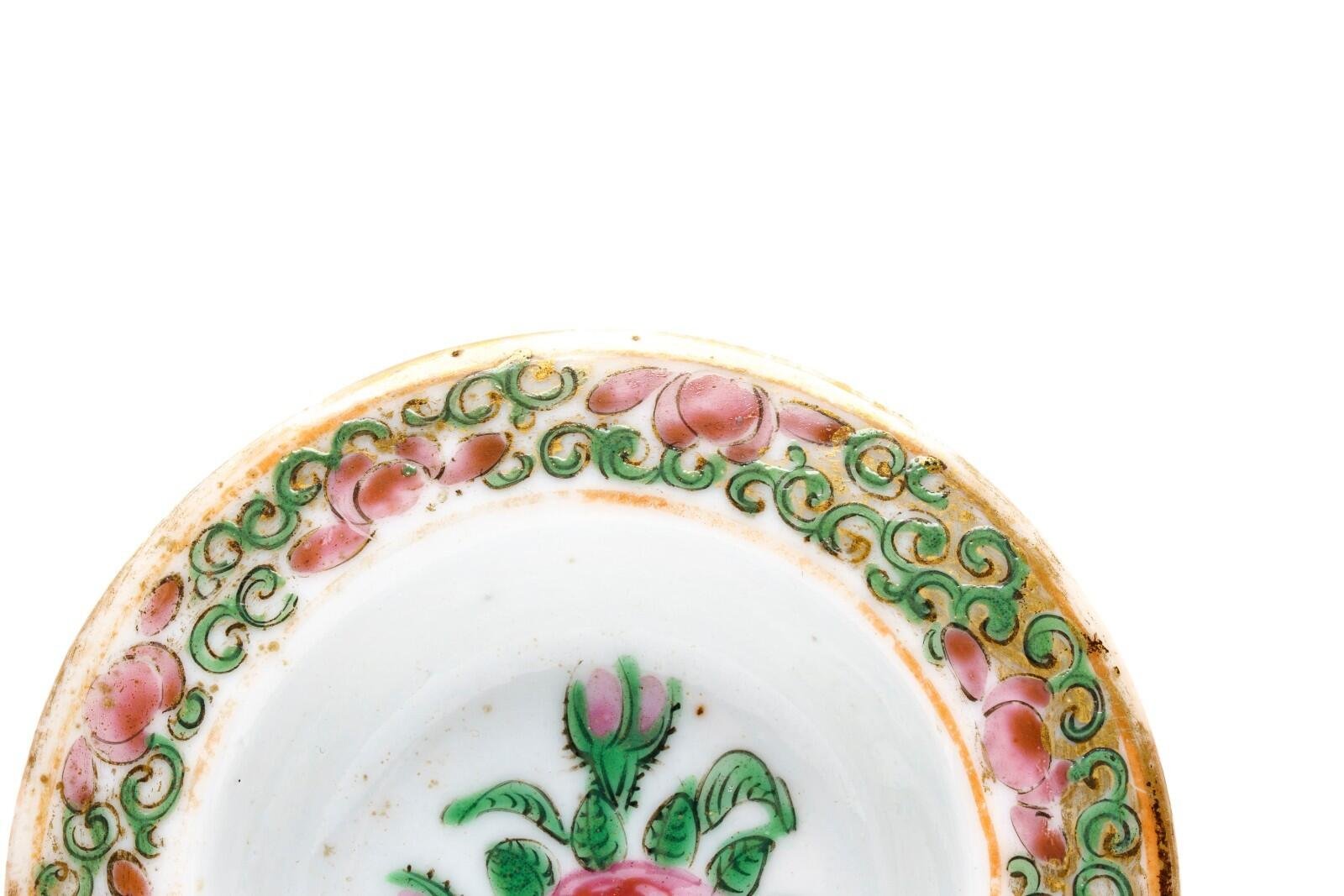
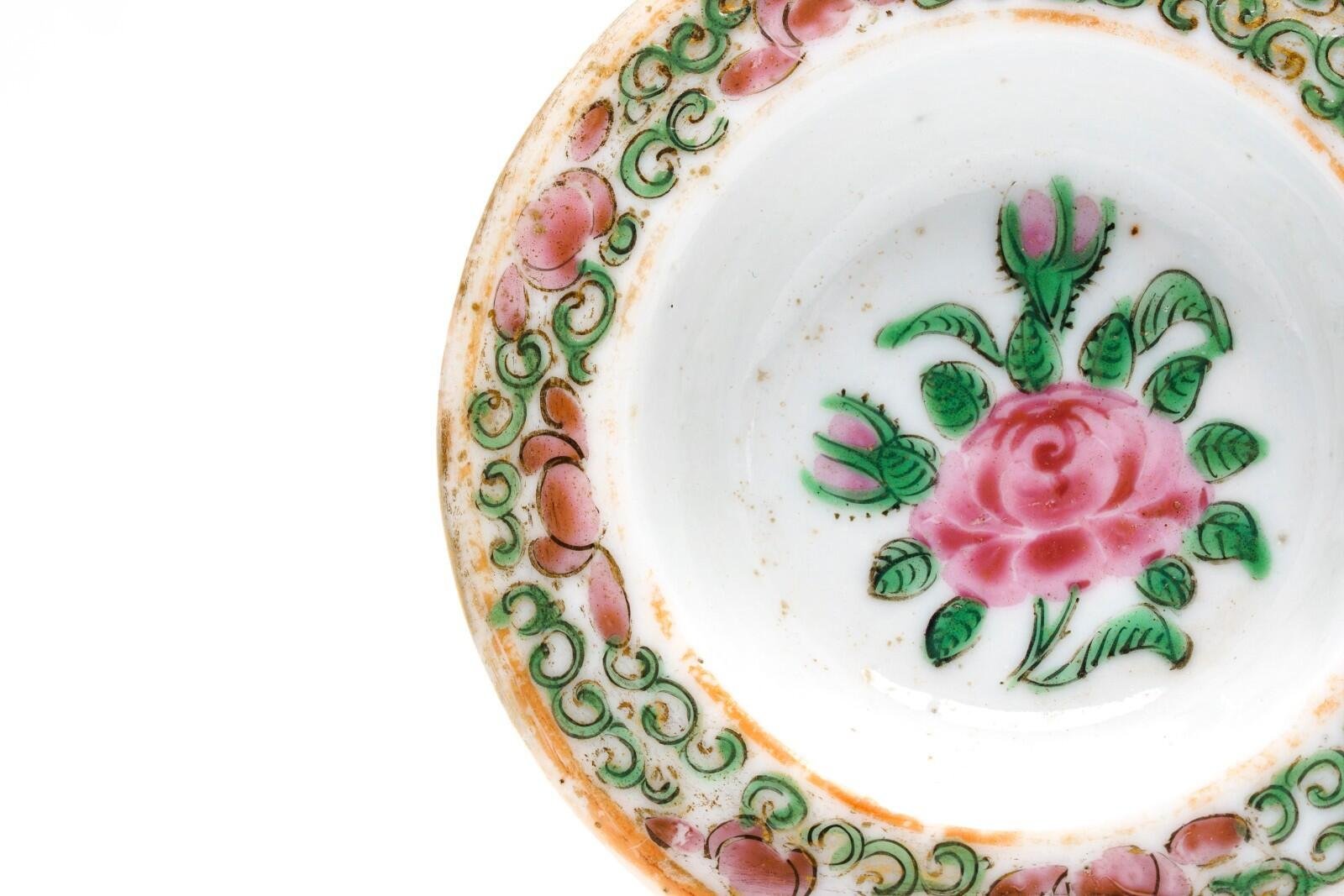
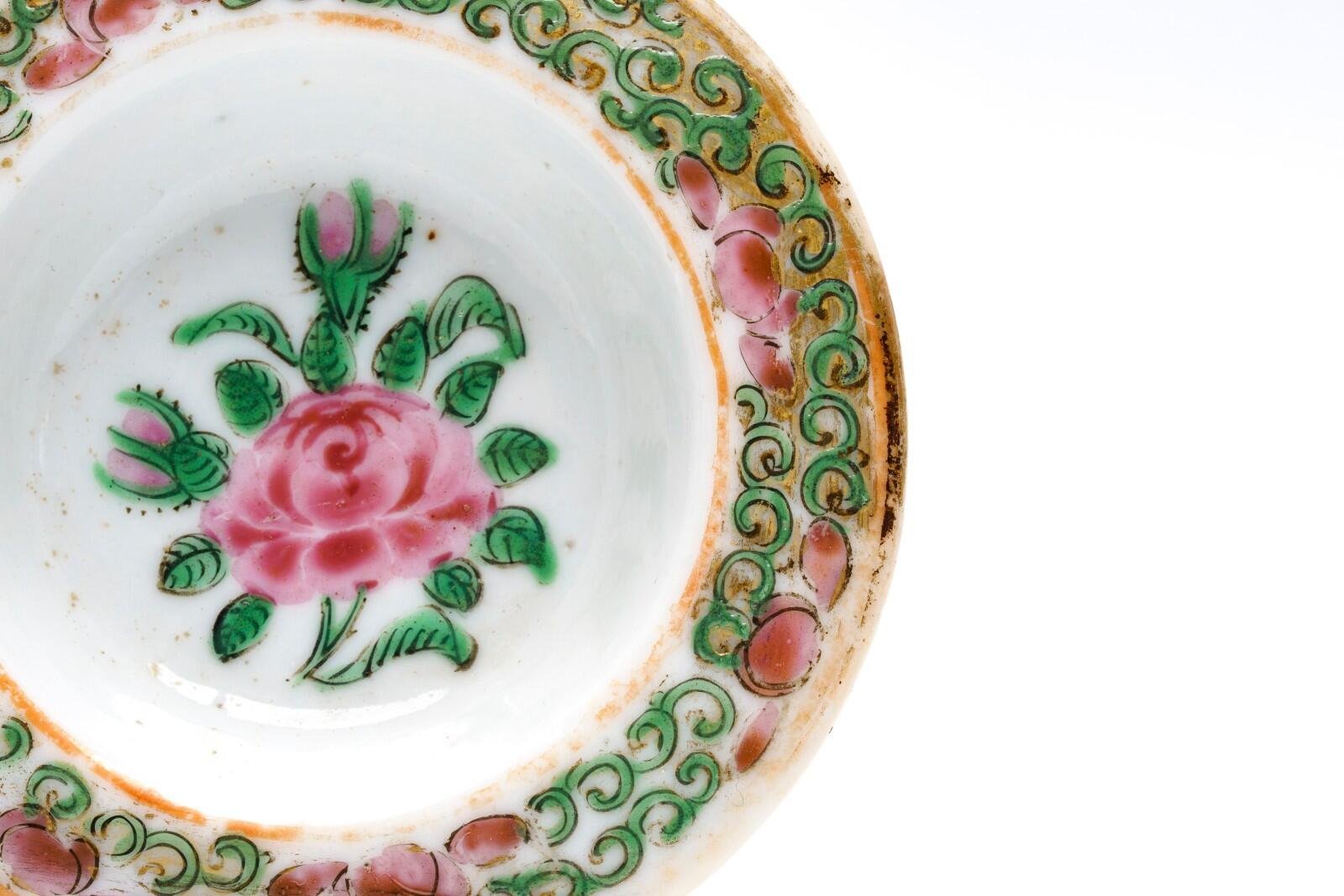

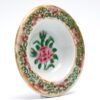
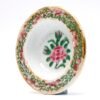
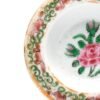
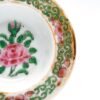
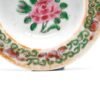
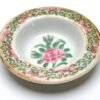

Chinese Teapot Cover Porcelain Canton Rose Gilt Peony Scrolls Late Qing 19th C
£25.00
Inventory Code: INV4430
Object: Teapot Cover
Material: Porcelain
Origin: China
Period: Late Qing Dynasty
Date: 19th Century
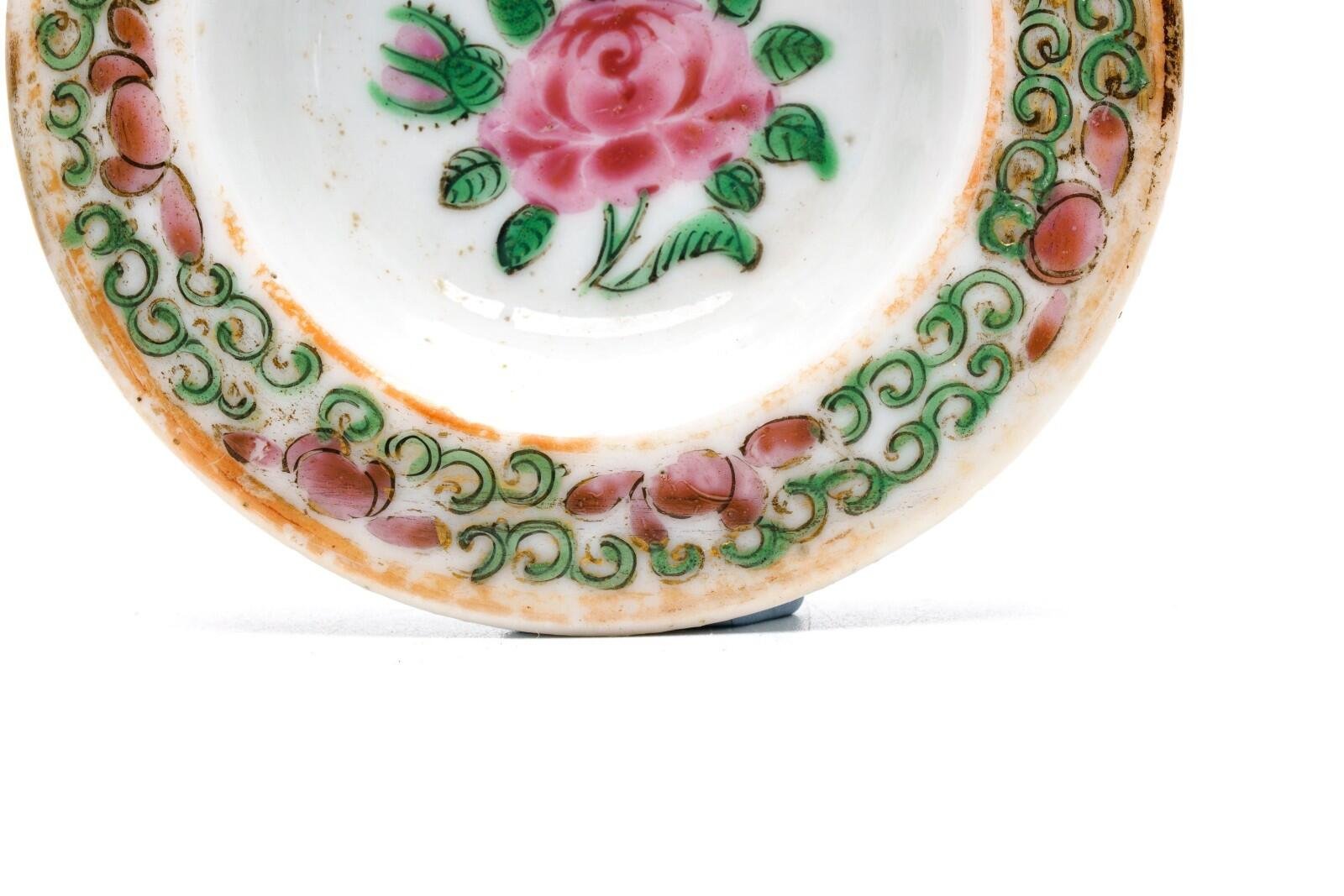
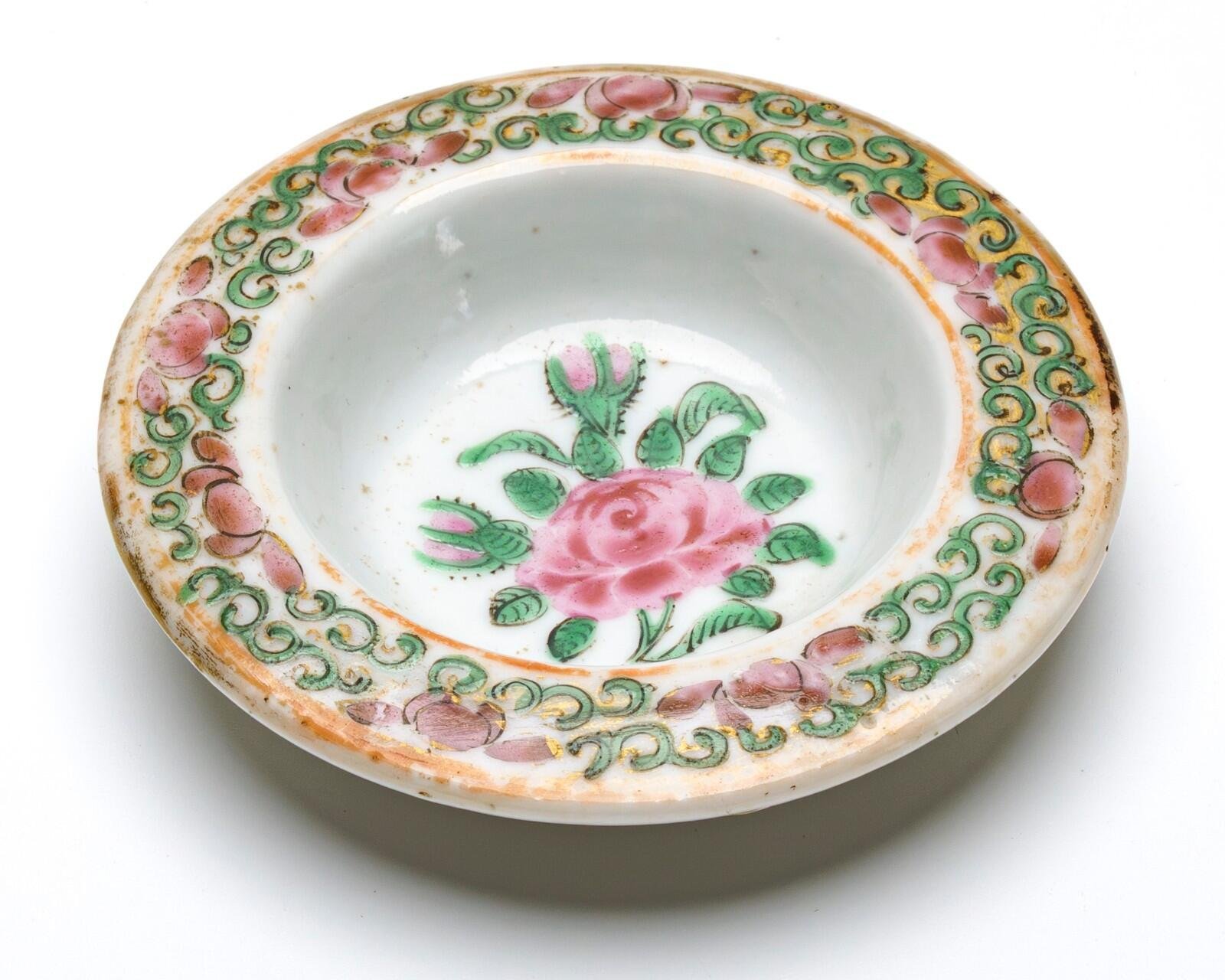
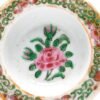
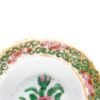
Decoration: Famille Rose peony flower with green scrolling foliage, pink reserves and gilt accents
Marked: Unmarked
Measurements:
Diameter: 3.5 in / 9.0 cm
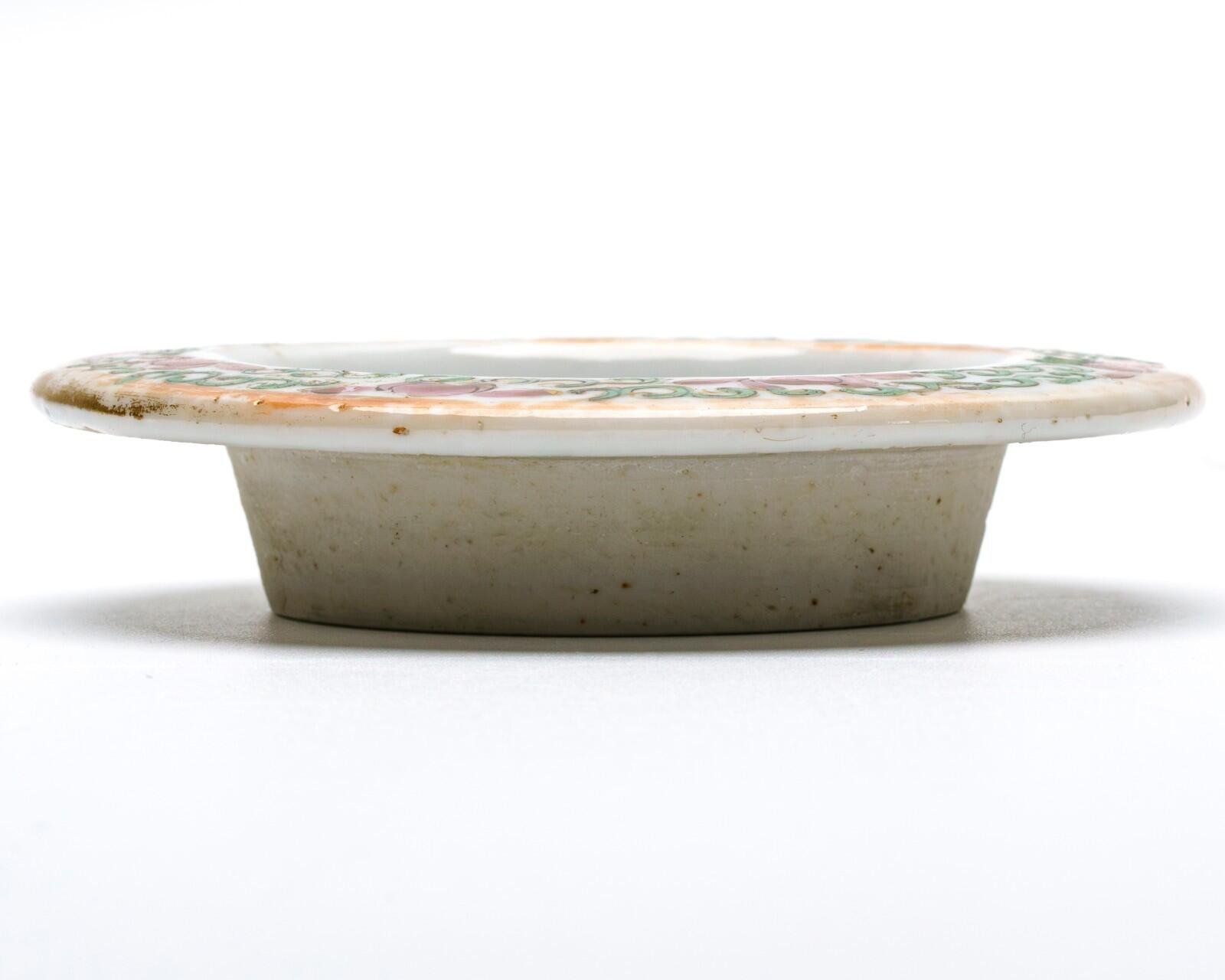
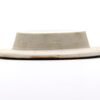
Height: 0.8 in / 2.0 cm
Condition:
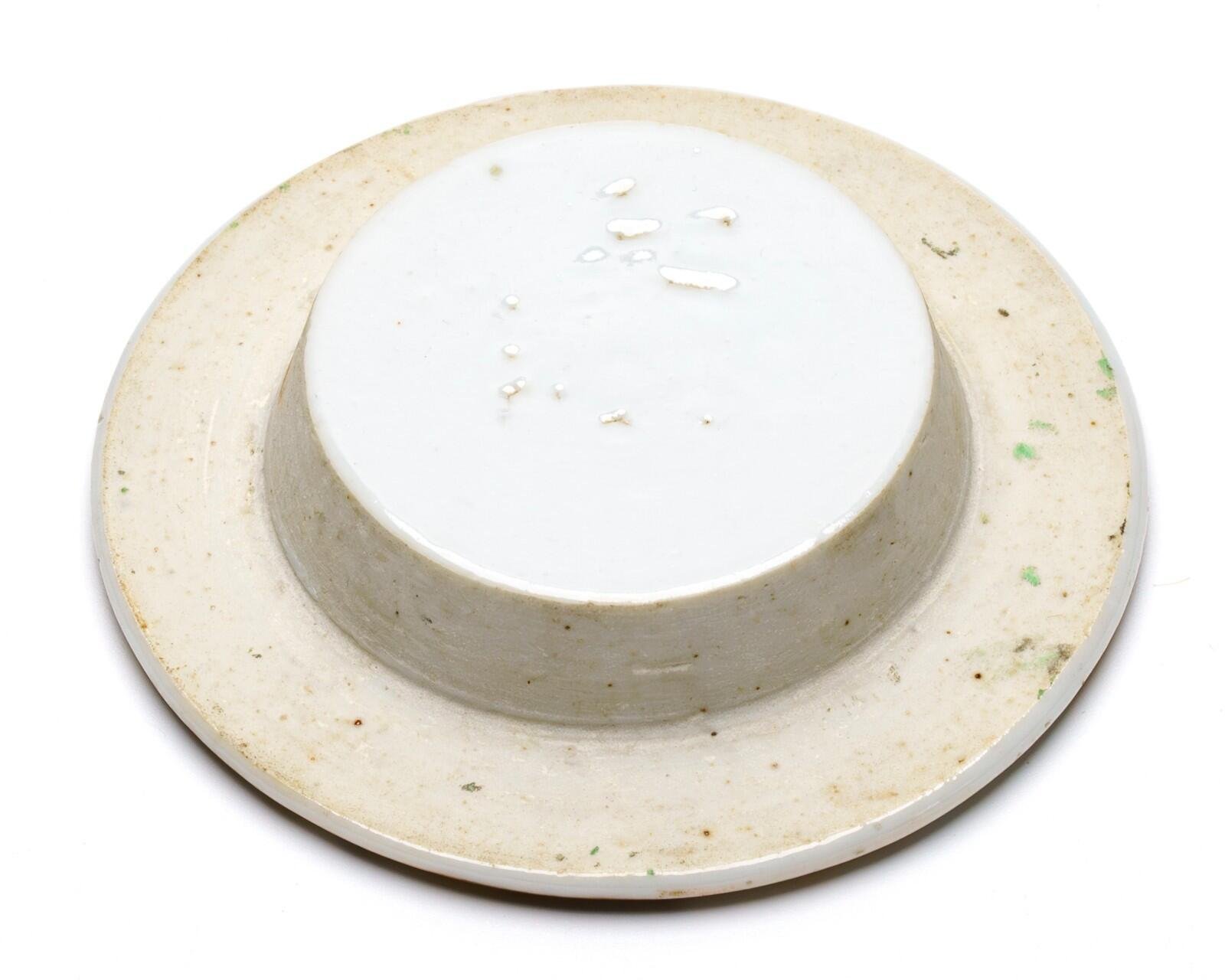
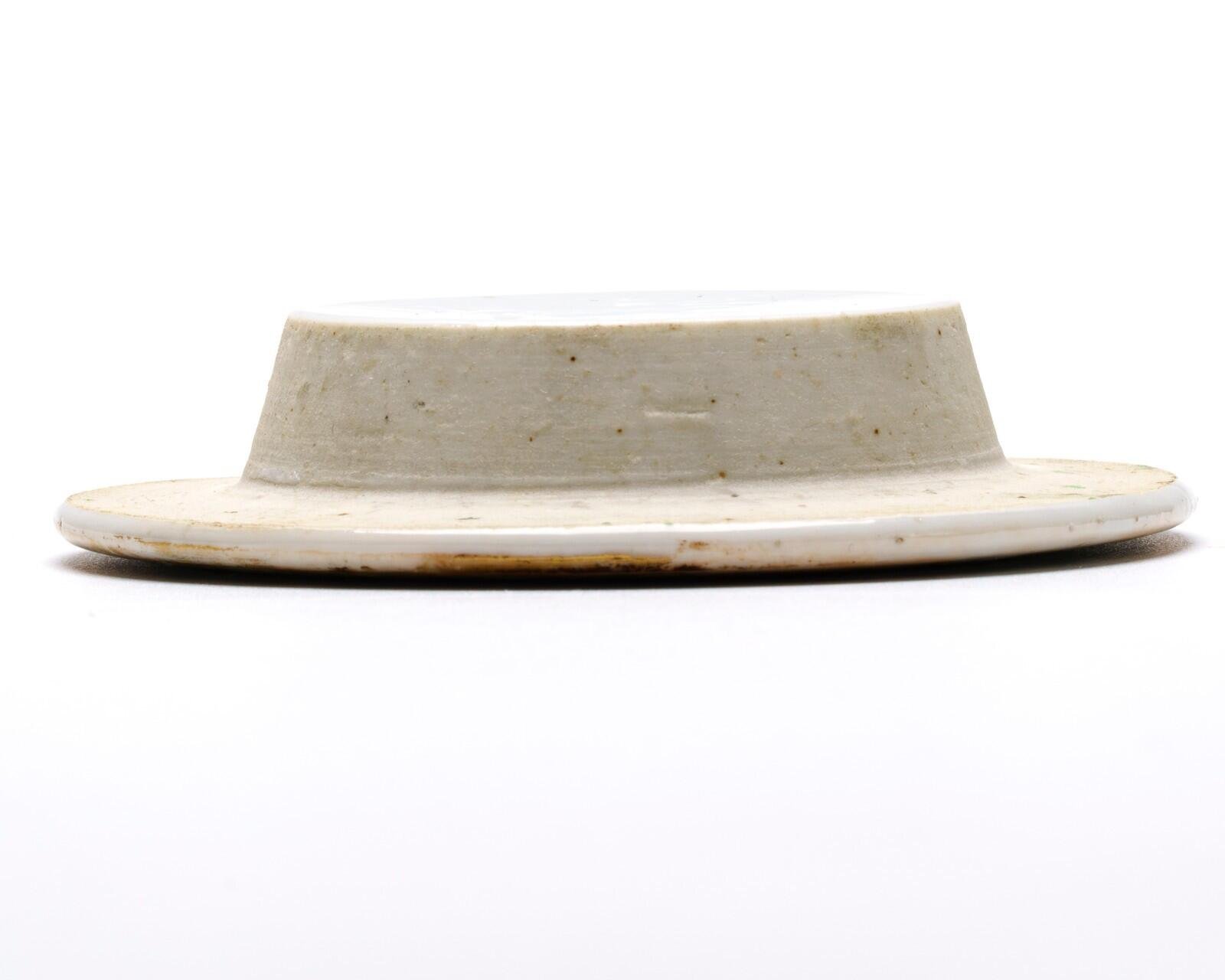
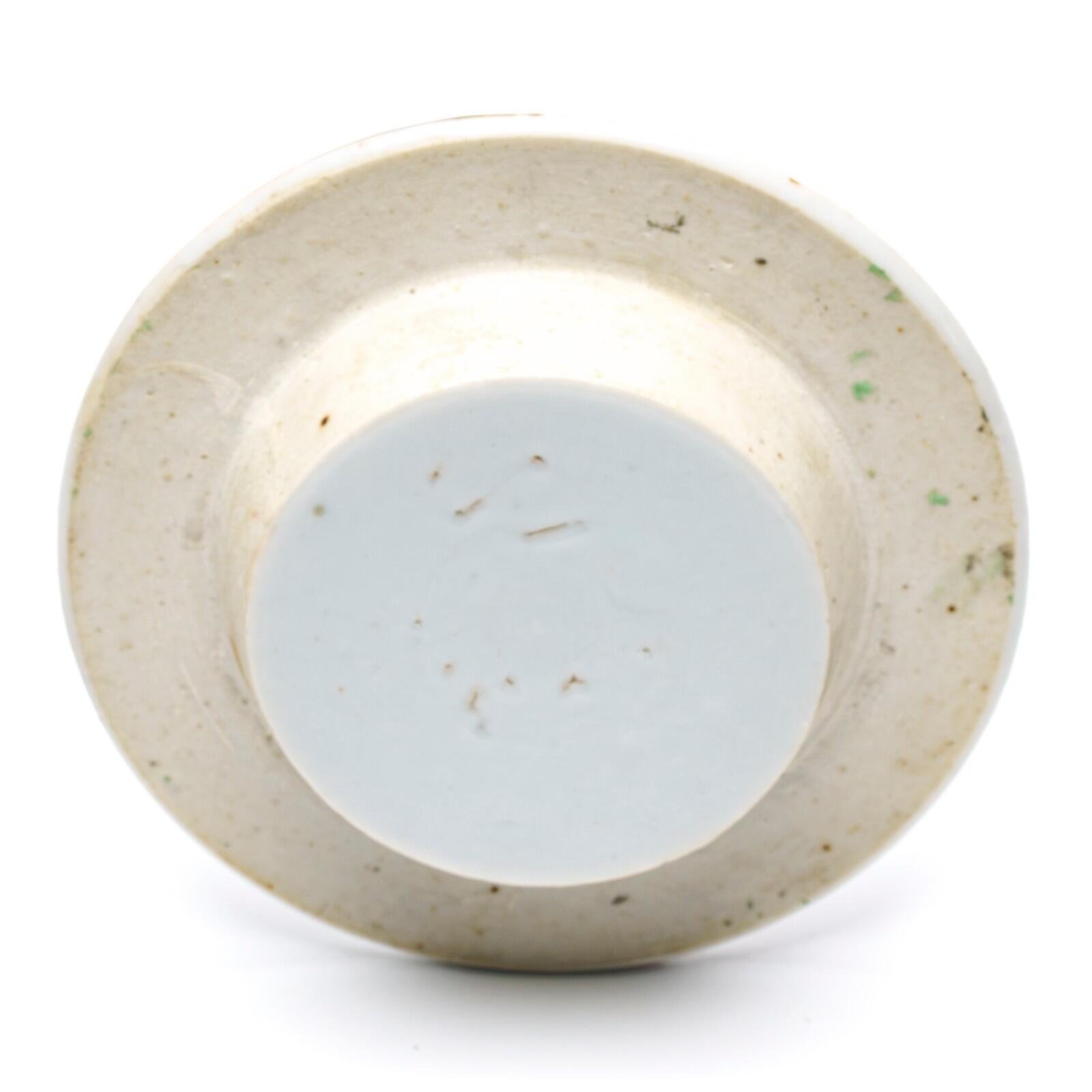
GOOD (4/5) - Light wear, firing imperfections, minor glaze and enamel wear consistent with age. No obvious major chips or cracks visible in the photographs. Please review the photos carefully for more details.
International Shipping
We ship worldwide using tracked and insured services. Prices are calculated at checkout. All items are securely packaged with care and experience.
Pricing
Prices reflect past sales and our assessment of each item’s rarity and condition. Contact us if you would like to discuss.
Research
All item details are based on our own research and evaluation. We welcome questions or feedback.
Authenticity
Every item is guaranteed to be as described, with provenance provided where available.
Refunds
We accept returns within 14 days of delivery. Please contact us first to arrange a return and refund.
DESCRIPTION
Small Chinese porcelain teapot cover dating to the late Qing period.
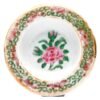
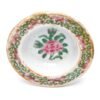
Decorated in Famille Rose enamels with a central pink peony spray.
The border features scrolling green foliage, pink motifs and gilt highlights.
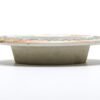
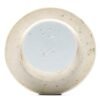
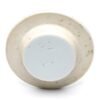
The porcelain body has an unglazed foot rim and typical kiln-related imperfections.
An attractive replacement lid or collectible example of Canton export porcelain.
COLLECTOR’S NOTE
Chinese Canton porcelain was widely exported during the 19th century and is prized for its colorful enamel decoration.
Individual teapot components such as covers are often collected for study, restoration projects, or display alongside related export wares.
NOTES
Please review all photos carefully as they form part of the description.
Related products
-
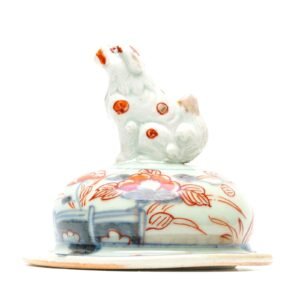
Japanese Porcelain Imari Gilt Enamel Cover for Vase Foo Lion Meiji Period 19th C
£50.00 -
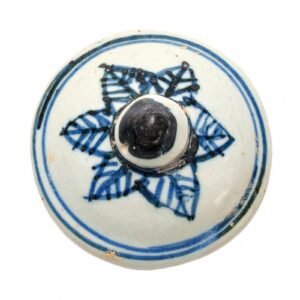
Chinese Vase Cover Porcelain Blue White Border Flower Leaves Double Line 20C
£5.00 -

Japanese Porcelain Cover Blue White Immortals Scene Eiraku Mark Edo / Meiji 19C
£25.00 -
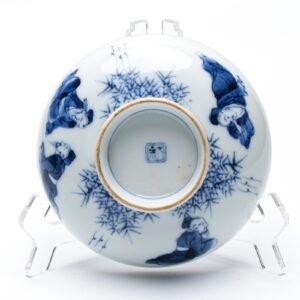
Japanese Porcelain Cover Blue White Immortals Scene Brown Rim Marked Meiji 20C
£35.00