
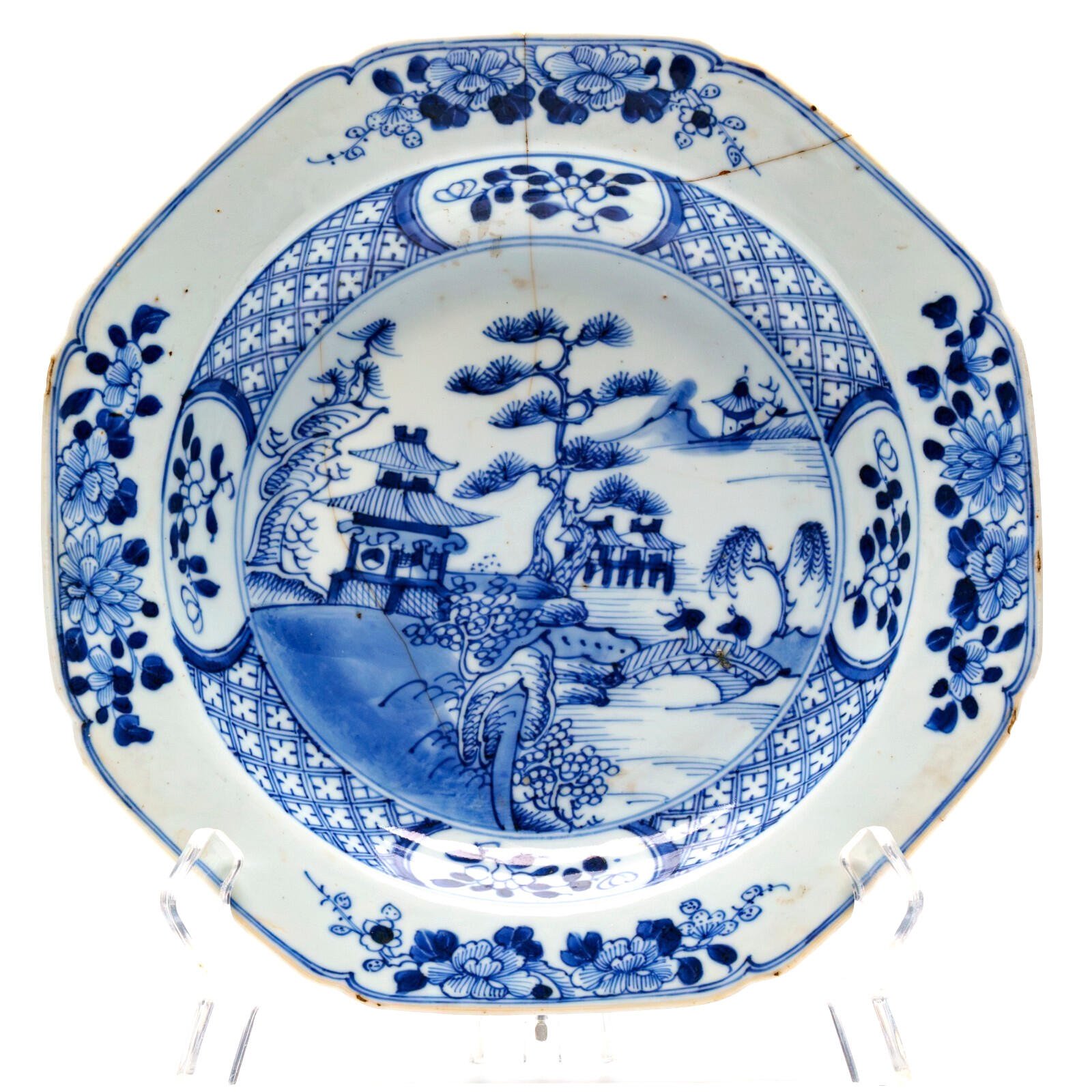
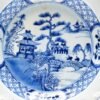
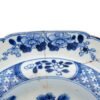
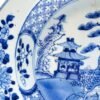
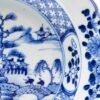

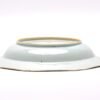
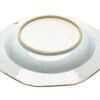
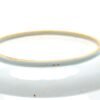
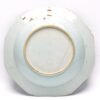
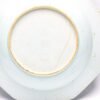
Chinese Porcelain Plate Blue White Lake Landscape Pagoda Diaper Kangxi Qing 18C
£47.00
Inventory Code: INV4173
International Shipping
We ship worldwide using tracked and insured services. Prices are calculated at checkout. All items are securely packaged with care and experience.
Pricing
Prices reflect past sales and our assessment of each item’s rarity and condition. Contact us if you would like to discuss.
Research
All item details are based on our own research and evaluation. We welcome questions or feedback.
Authenticity
Every item is guaranteed to be as described, with provenance provided where available.
Refunds
We accept returns within 14 days of delivery. Please contact us first to arrange a return and refund.
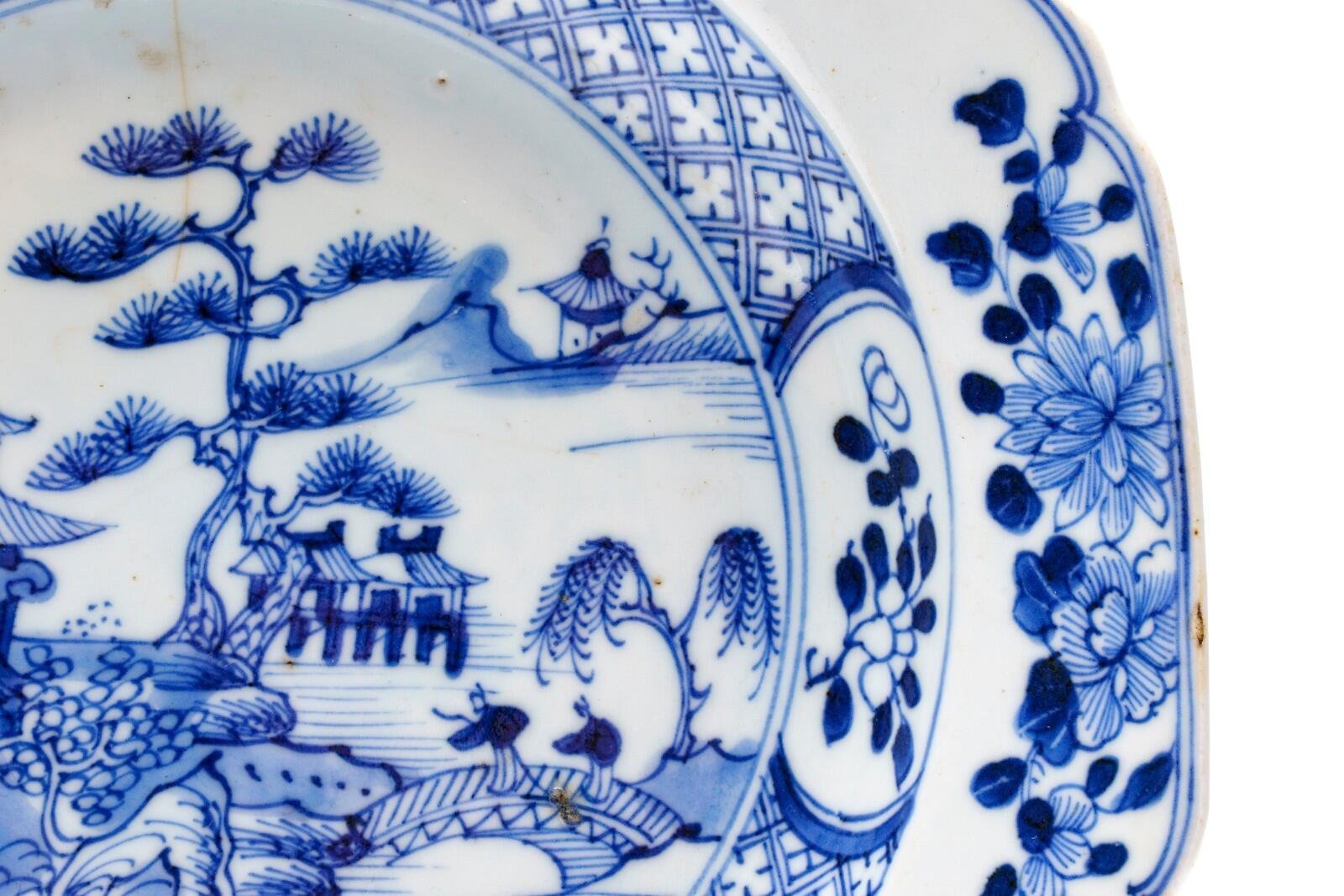
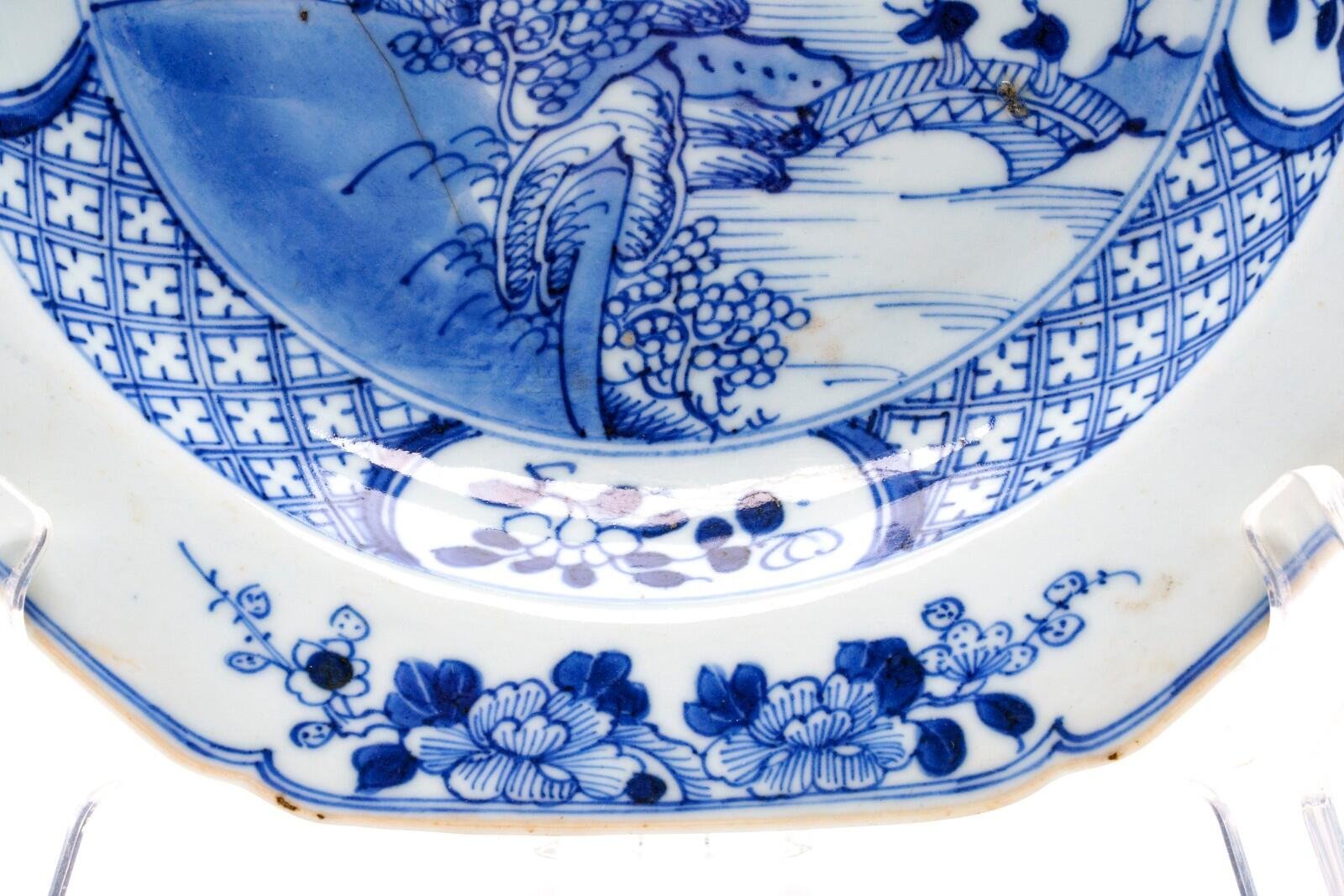
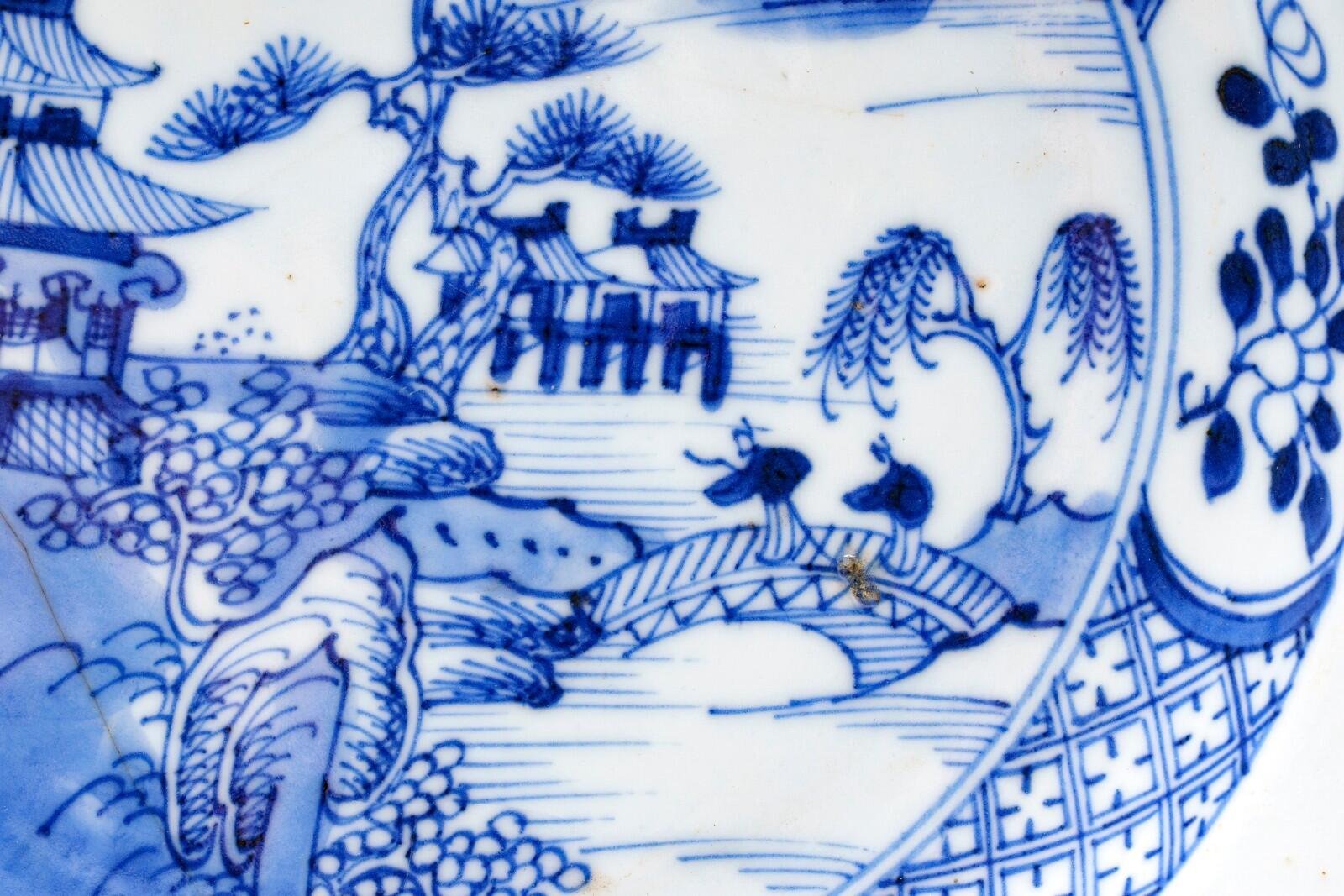
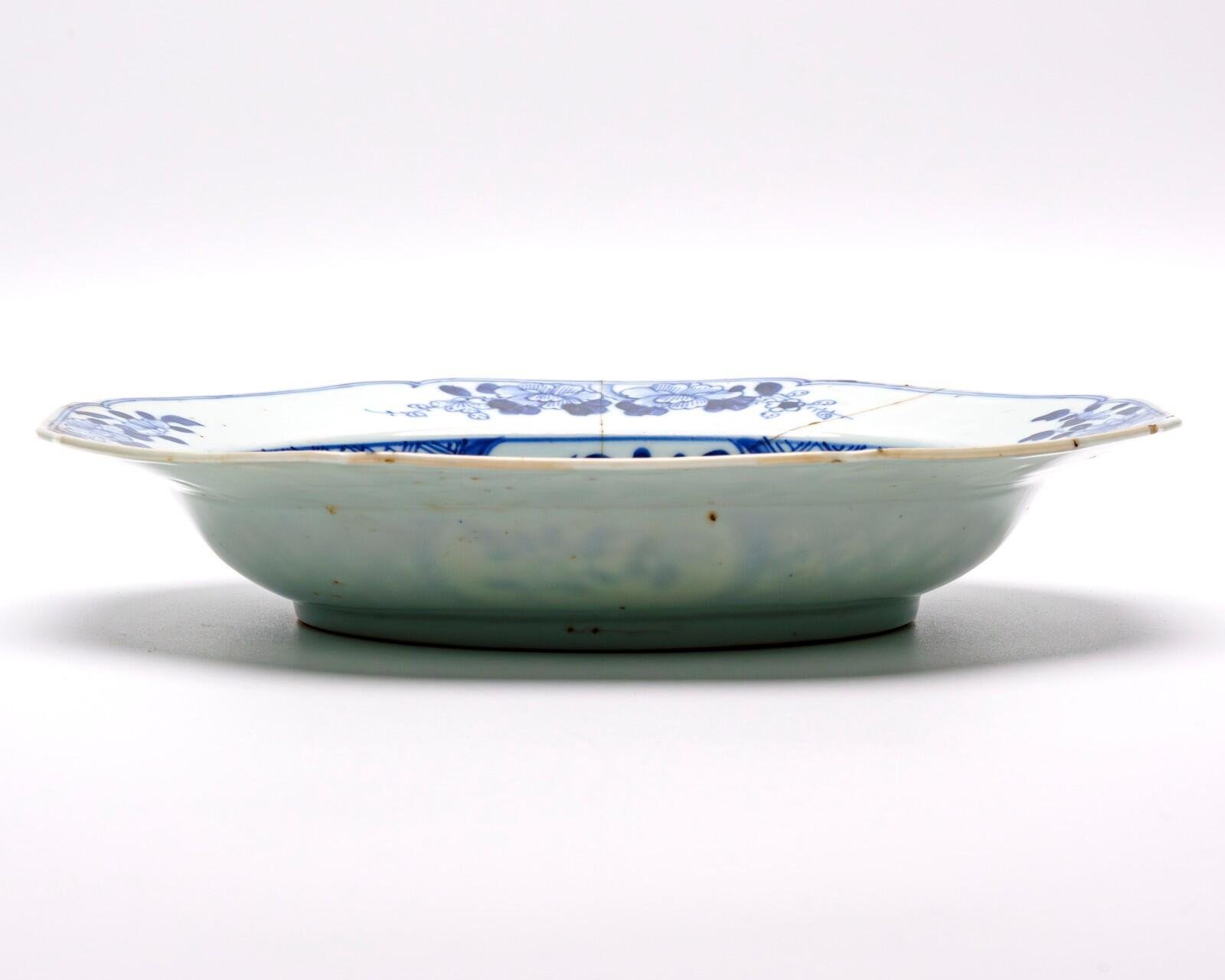
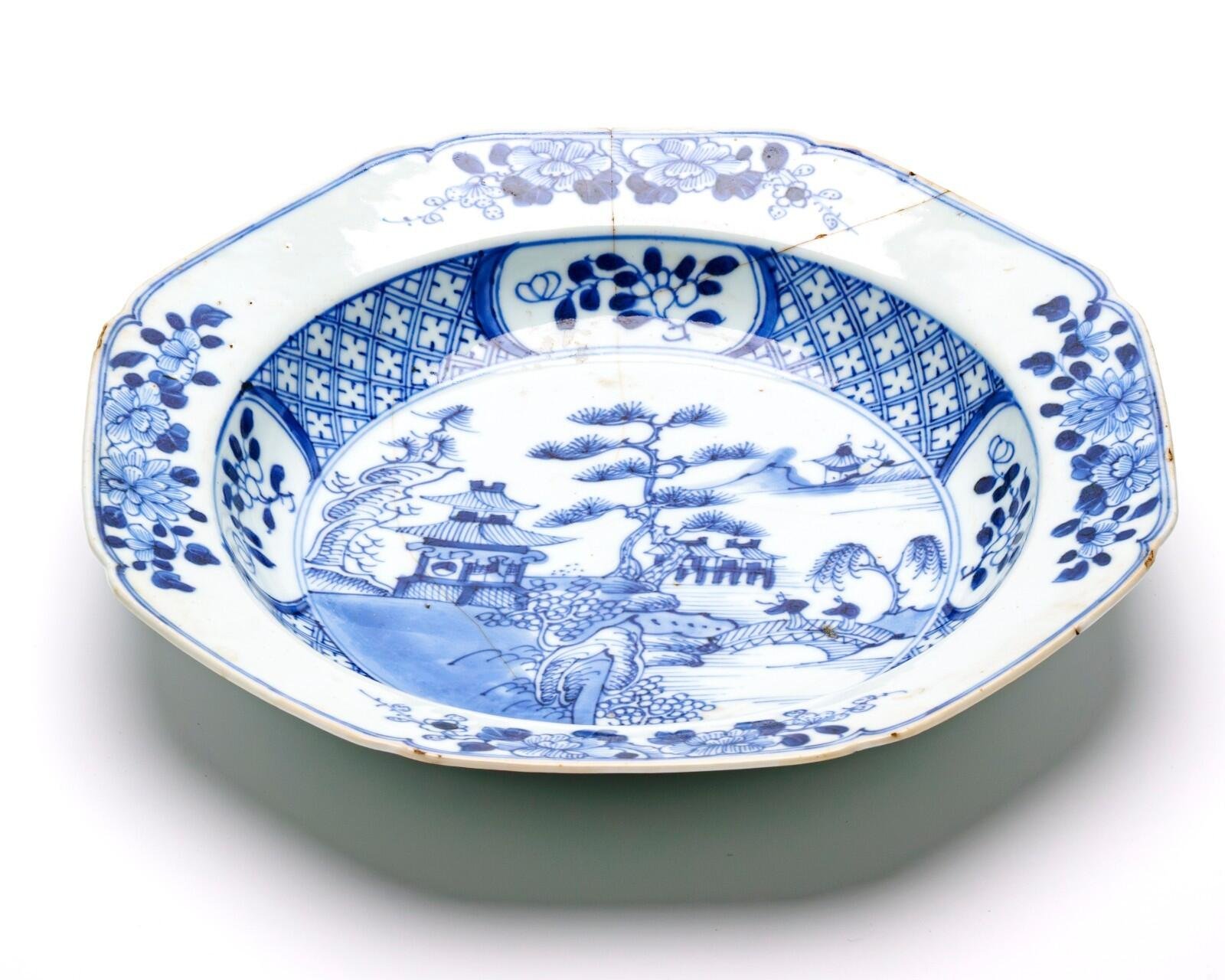
Chinese Porcelain Plate Blue White Lake Landscape Pagoda Diaper Kangxi Qing 18C
ITEM DETAILS
Inventory Code: INV4173
Object: Plate
Material: Porcelain
Origin: China
Period: Qing Dynasty, Kangxi Export
Date: 18th Century
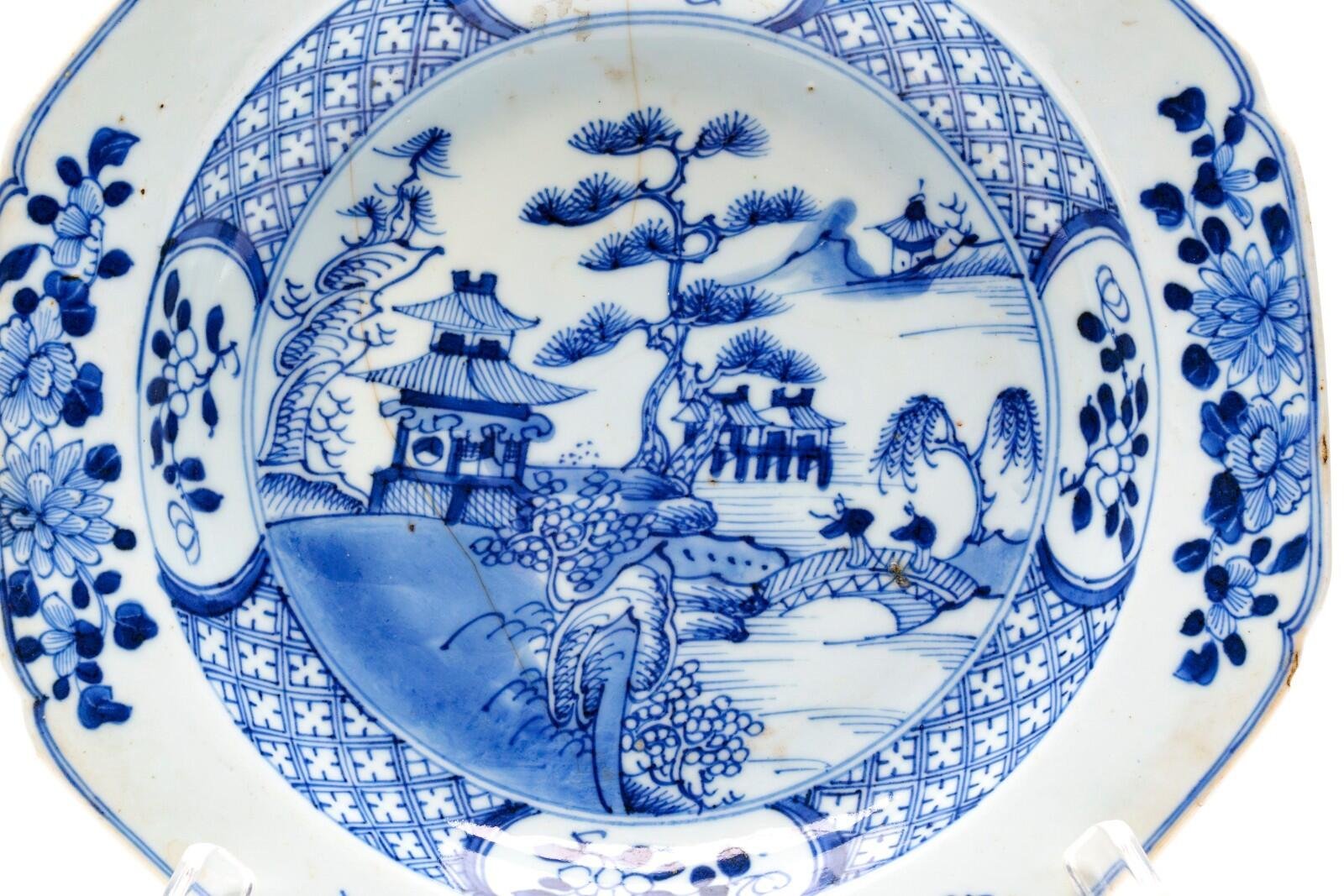
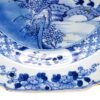
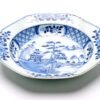
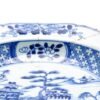
Decoration: Underglaze blue lakeside landscape with pagodas, bridge, pine tree and geometric diaper border
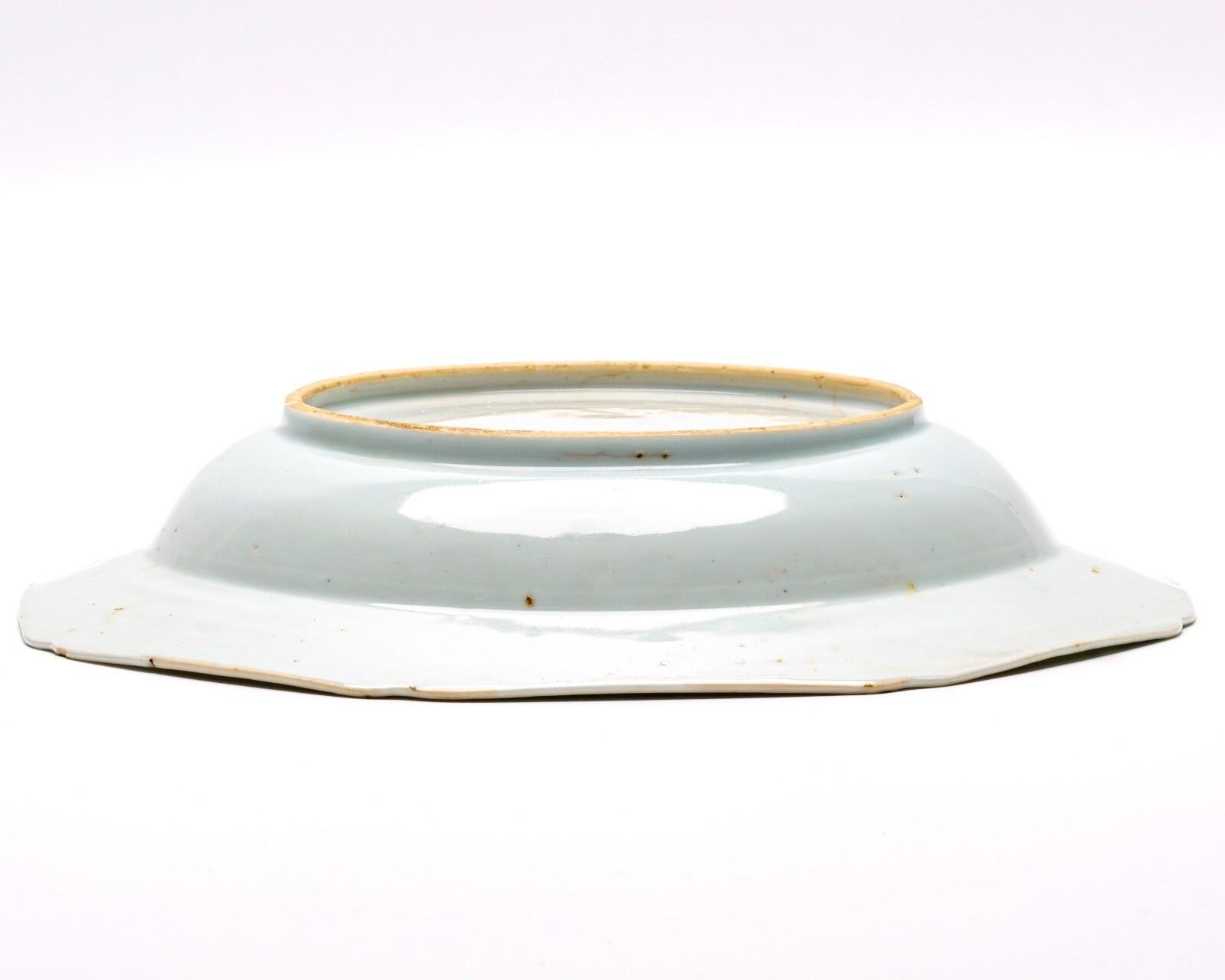
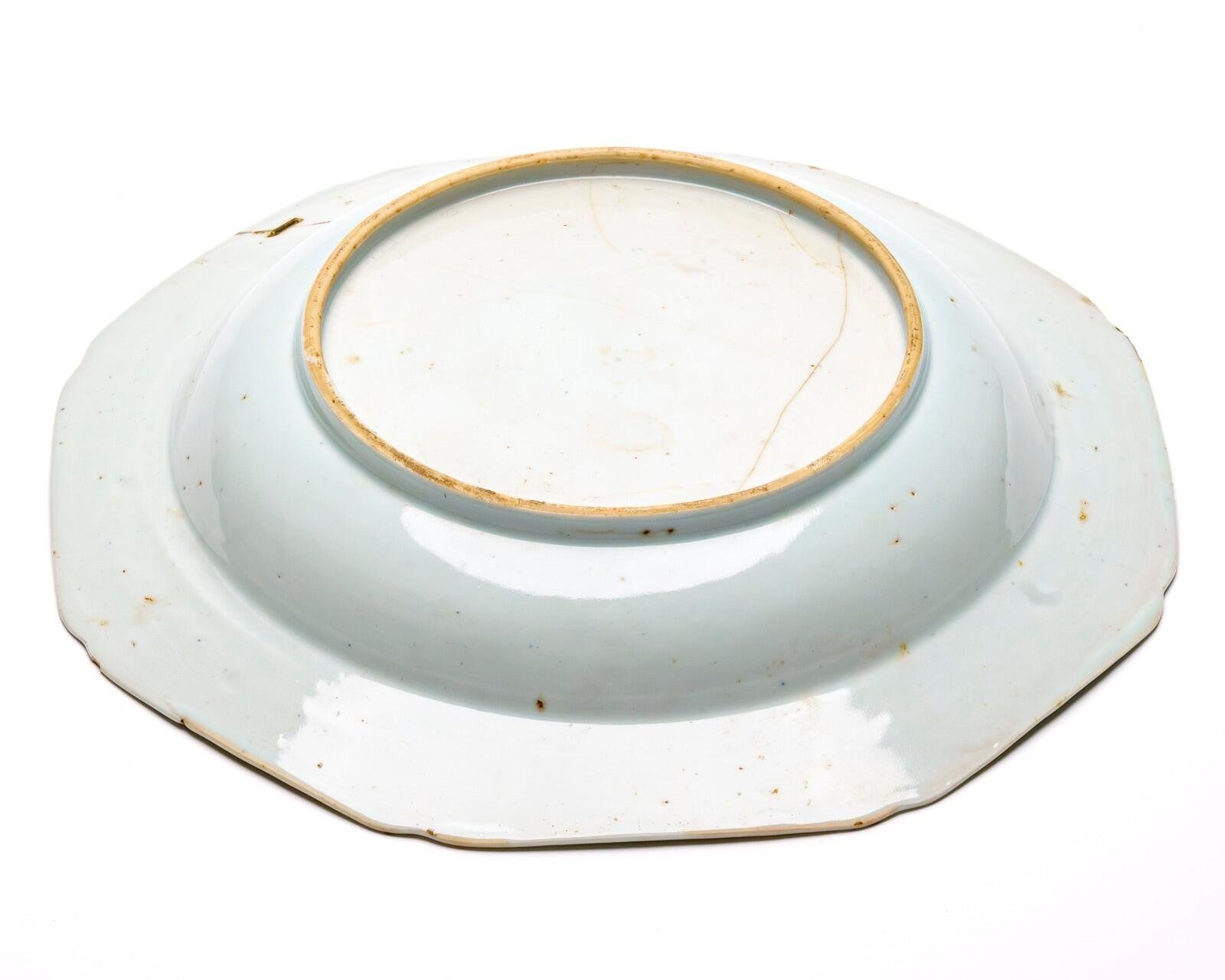
Mark: Unmarked
MEASUREMENTS
Diameter: Approx. 22.5 cm
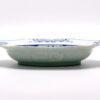
Height: Approx. 4 cm
CONDITION
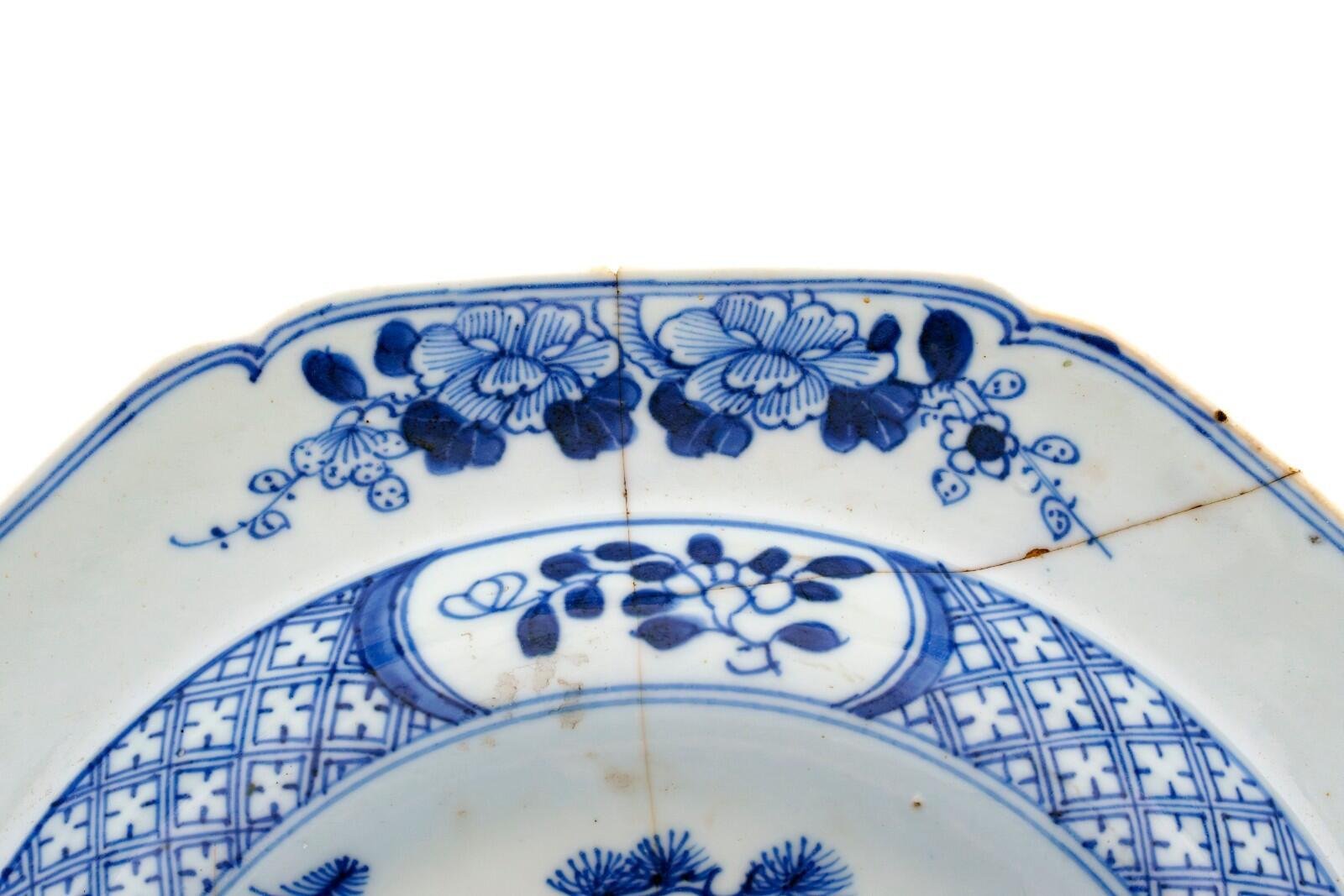
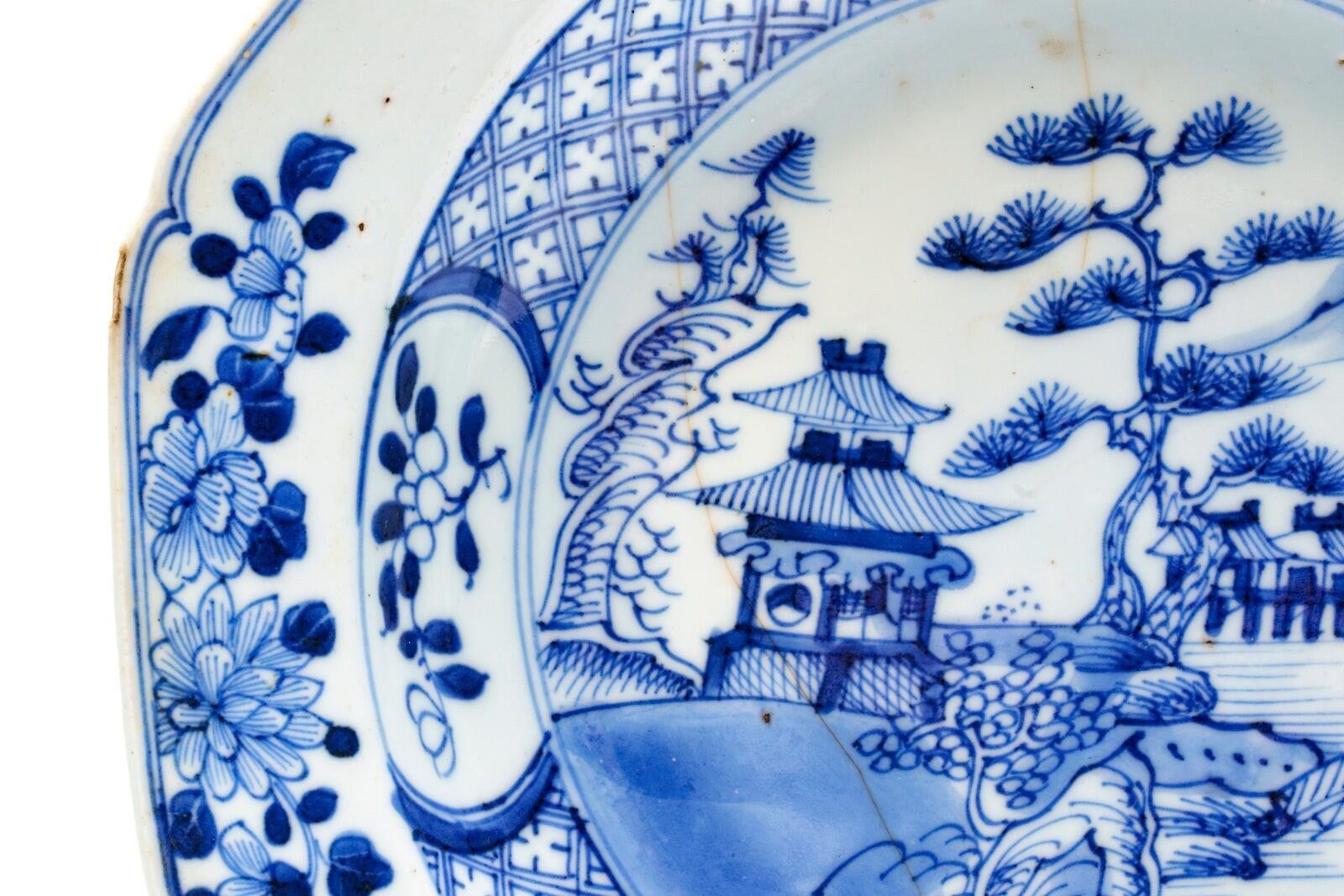
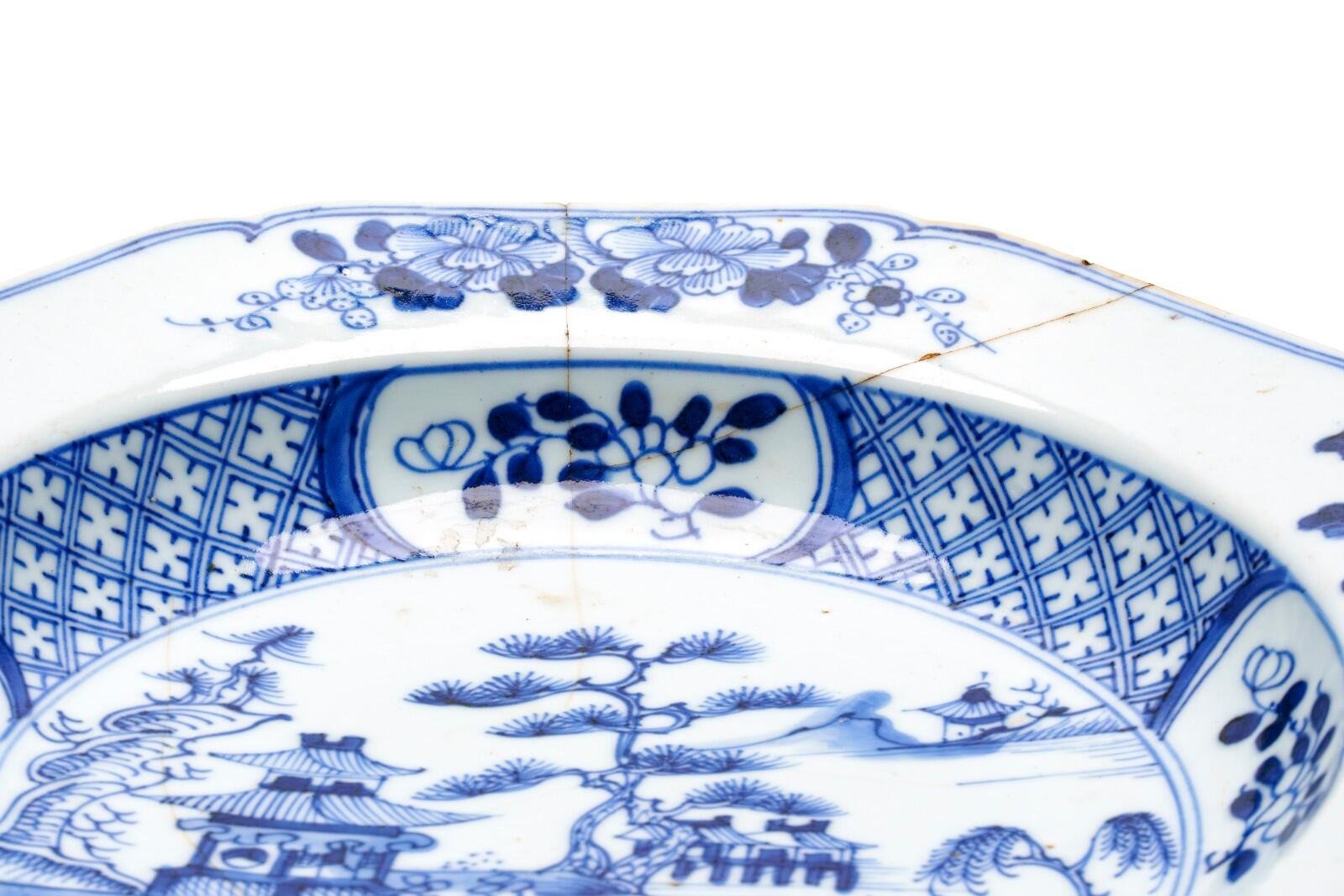
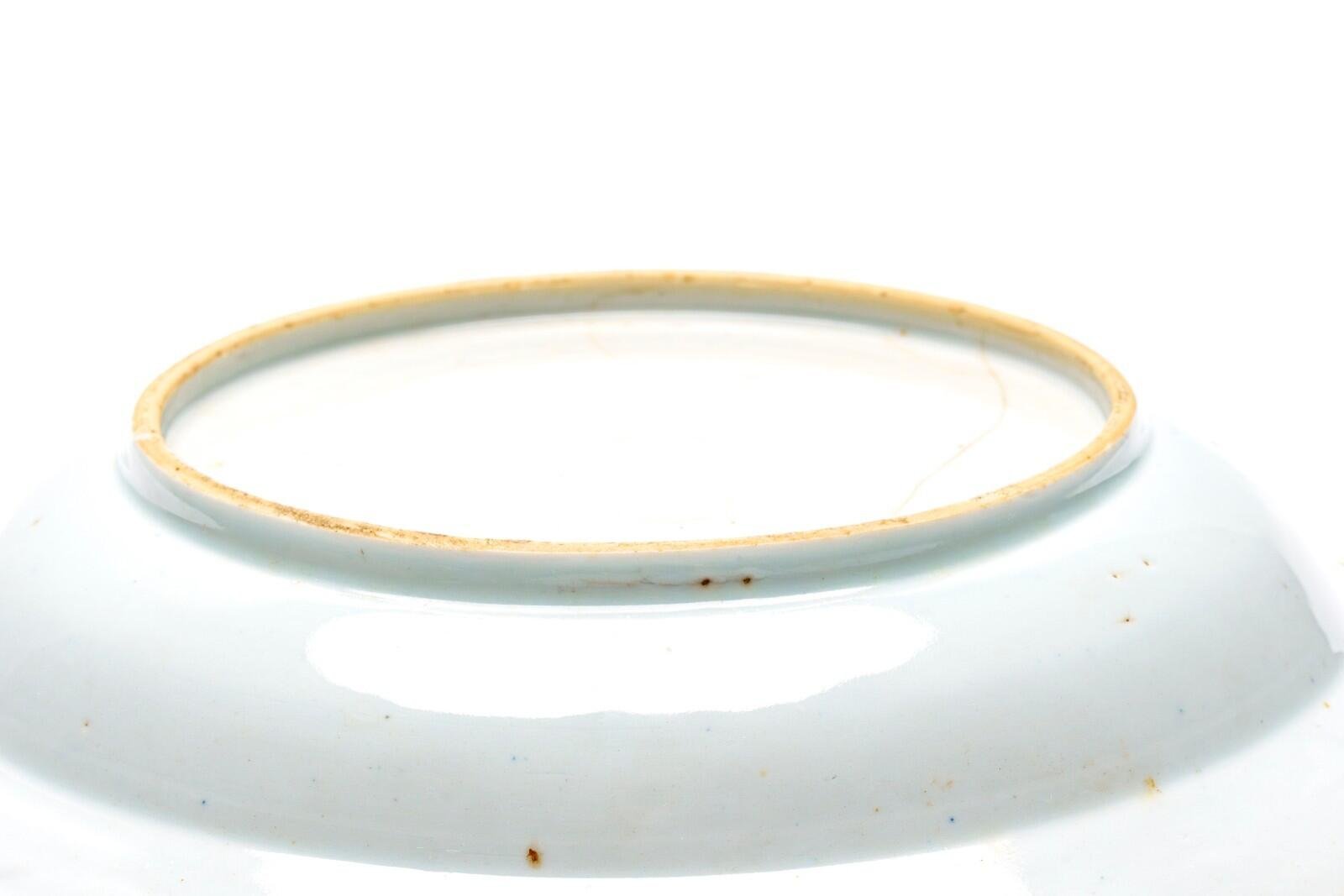
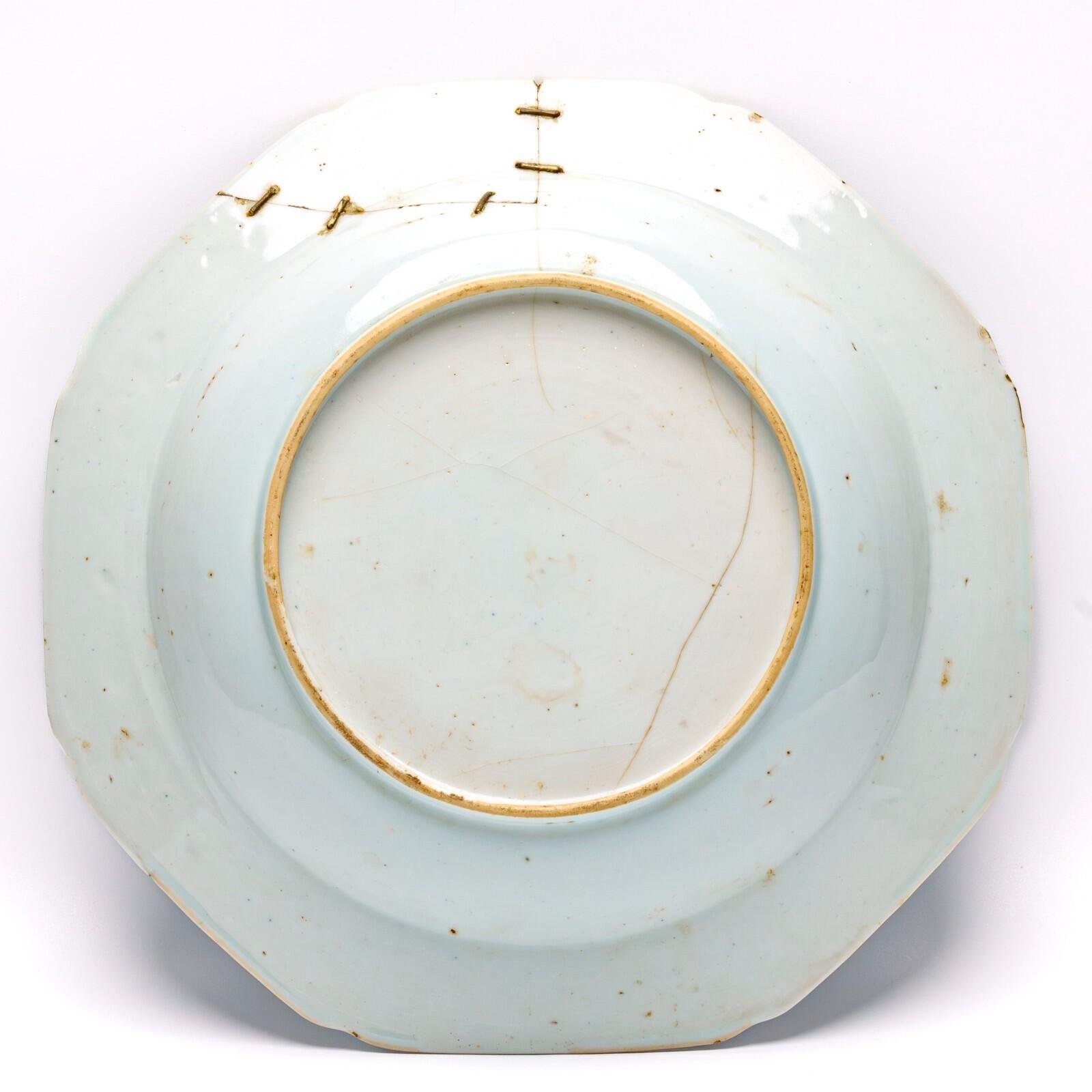
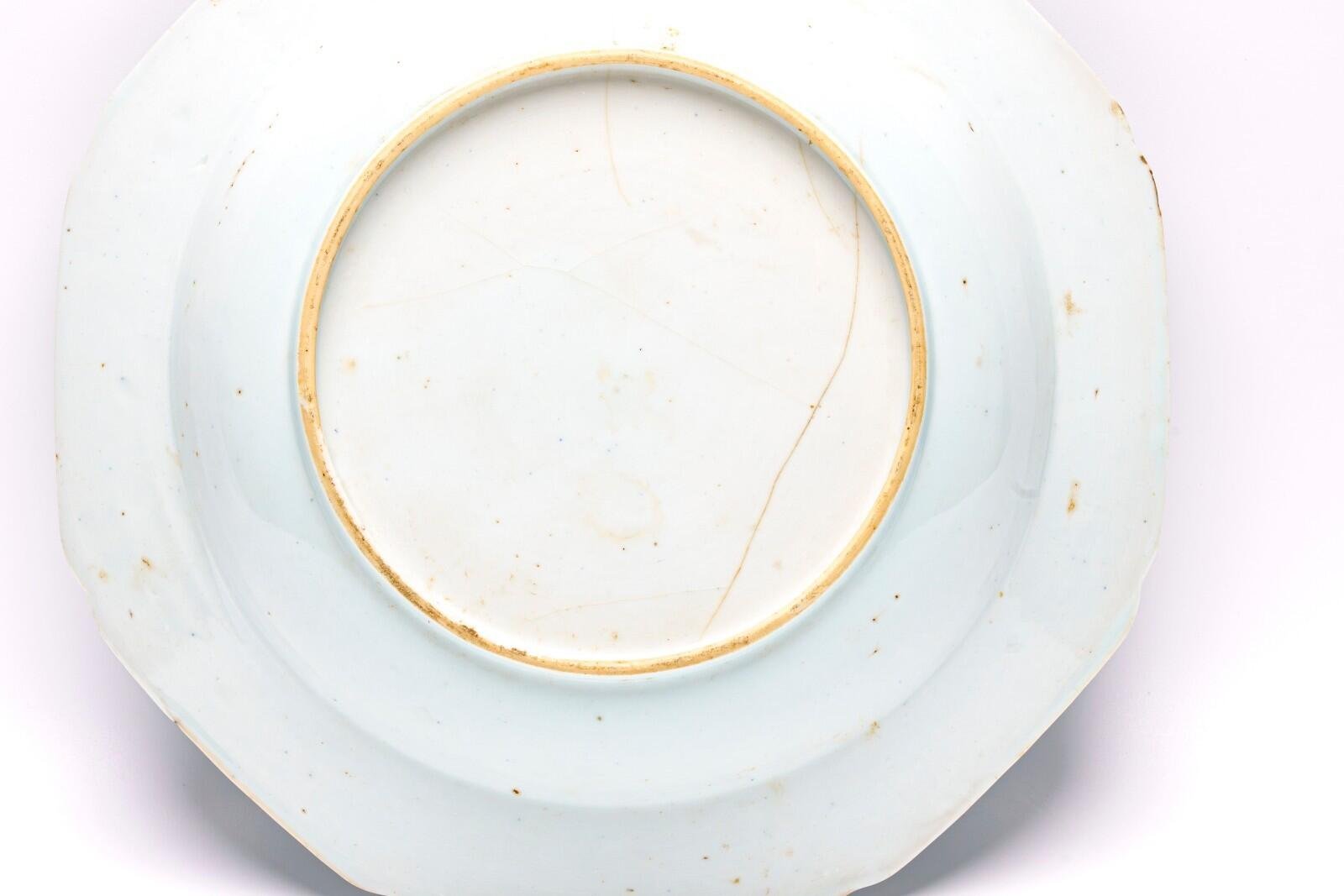
FAIR/RESTORED (2/5) – Multiple hairlines and old staple repairs to the rim area with associated cracks visible from front and reverse. Minor fritting and glaze wear present. Please review the photos carefully for more details.
DESCRIPTION
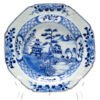
An attractive Chinese export porcelain plate painted in underglaze cobalt blue with a lakeside landscape scene. The center depicts pagodas, a bridge with figures, pine tree and distant mountain pavilion within a geometric diaper border. The shaped rim is decorated with floral cartouches and stylized blossoms. The hand painted decoration displays strong Kangxi period influence with fine linear detail and varied blue tones.
COLLECTOR’S NOTE
Blue and white landscape porcelain was among the most popular export wares produced during the Qing dynasty. Scenic compositions featuring pavilions, bridges and waterside settings appealed strongly to European collectors in the 18th century. Riveted repairs such as these are often found on early porcelain pieces and reflect historical methods of preserving valued ceramics.
NOTES
Please review all photos carefully as they form part of the description.
Related products
-

Chinese Export American Bowl Sepia Shipyard Qianlong Blue Gilt Wide Enamel 18C
£180.00 -
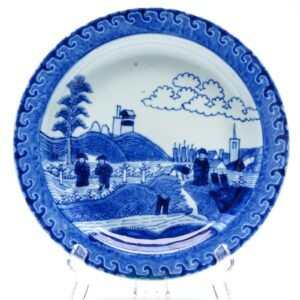
Chinese Porcelain Plate Blue Deshima Island Van Frytom Style Yongzheng Qing 18C
£549.99 -
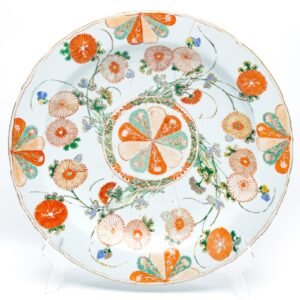
Chinese Kangxi Porcelain Charger Famille Verte Chrysanthemum Blue Qing Mark 18C
£360.00 -

Chinese Porcelain Bowl Dish Famille Rose Goldfish Turquoise Tongzhi Mark Qing 19
£526.00