


Chinese Porcelain Plate Blue Deshima Island Van Frytom Style Yongzheng Qing 18C
£549.99
Inventory Code: INV4509
International Shipping
We ship worldwide using tracked and insured services. Prices are calculated at checkout. All items are securely packaged with care and experience.
Pricing
Prices reflect past sales and our assessment of each item’s rarity and condition. Contact us if you would like to discuss.
Research
All item details are based on our own research and evaluation. We welcome questions or feedback.
Authenticity
Every item is guaranteed to be as described, with provenance provided where available.
Refunds
We accept returns within 14 days of delivery. Please contact us first to arrange a return and refund.
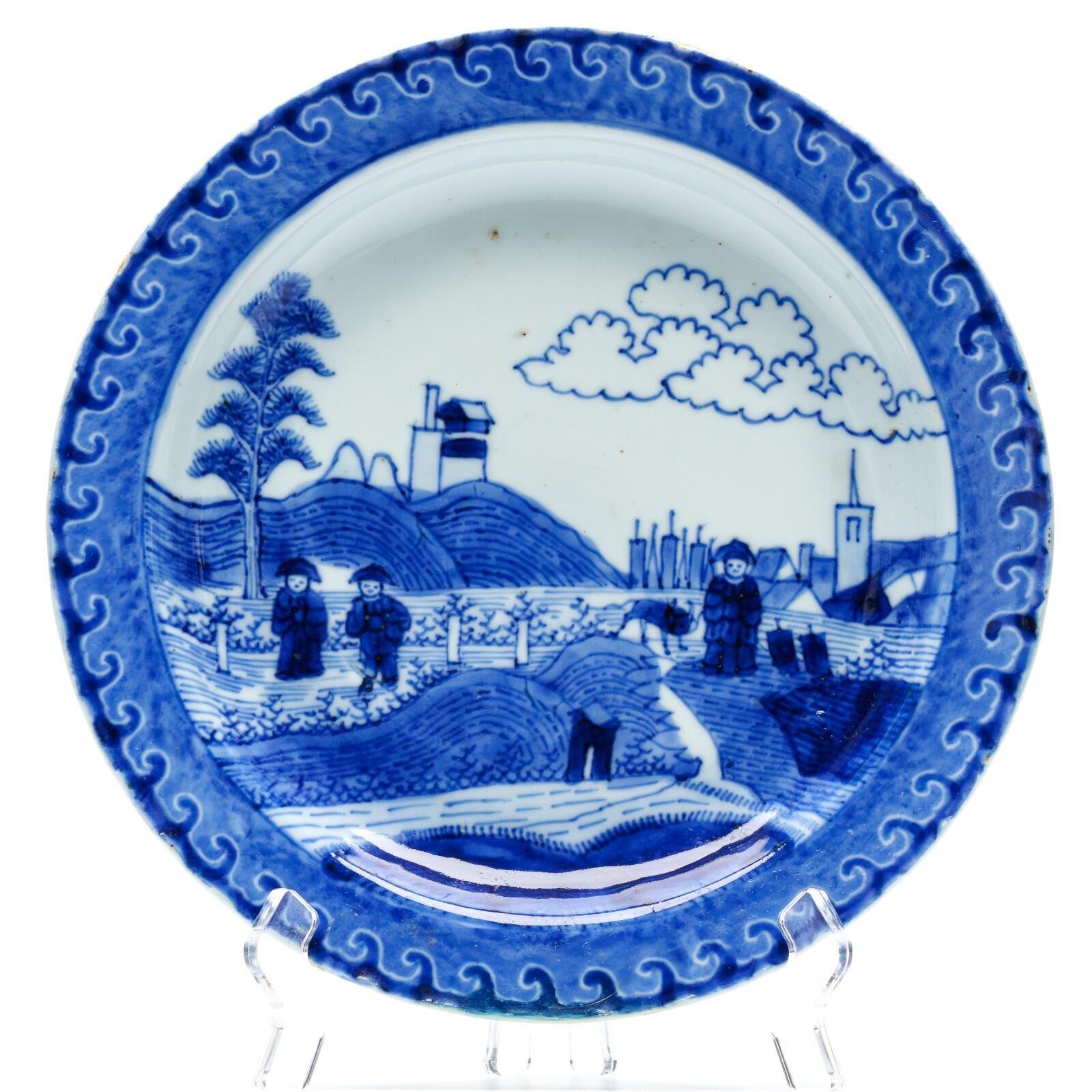
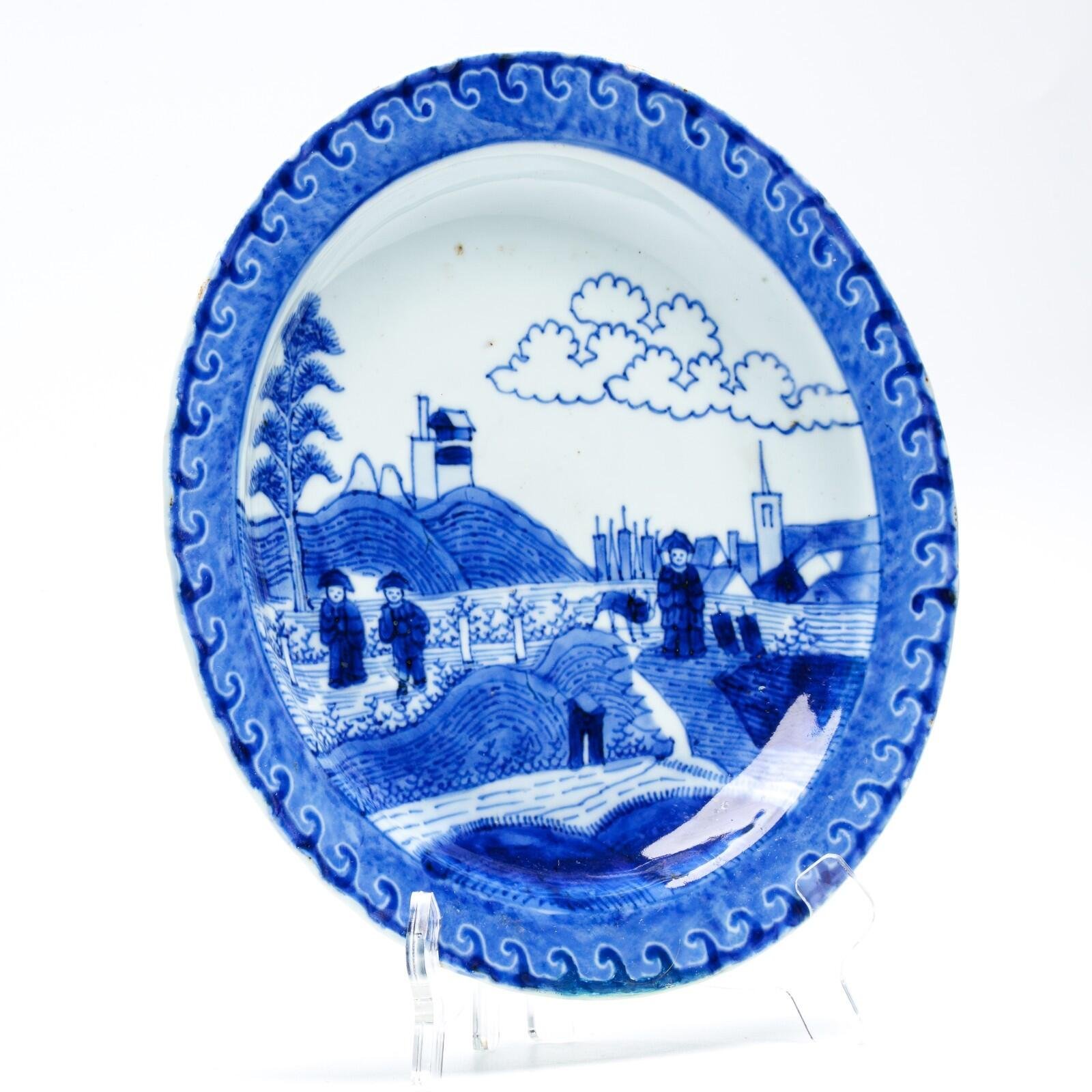
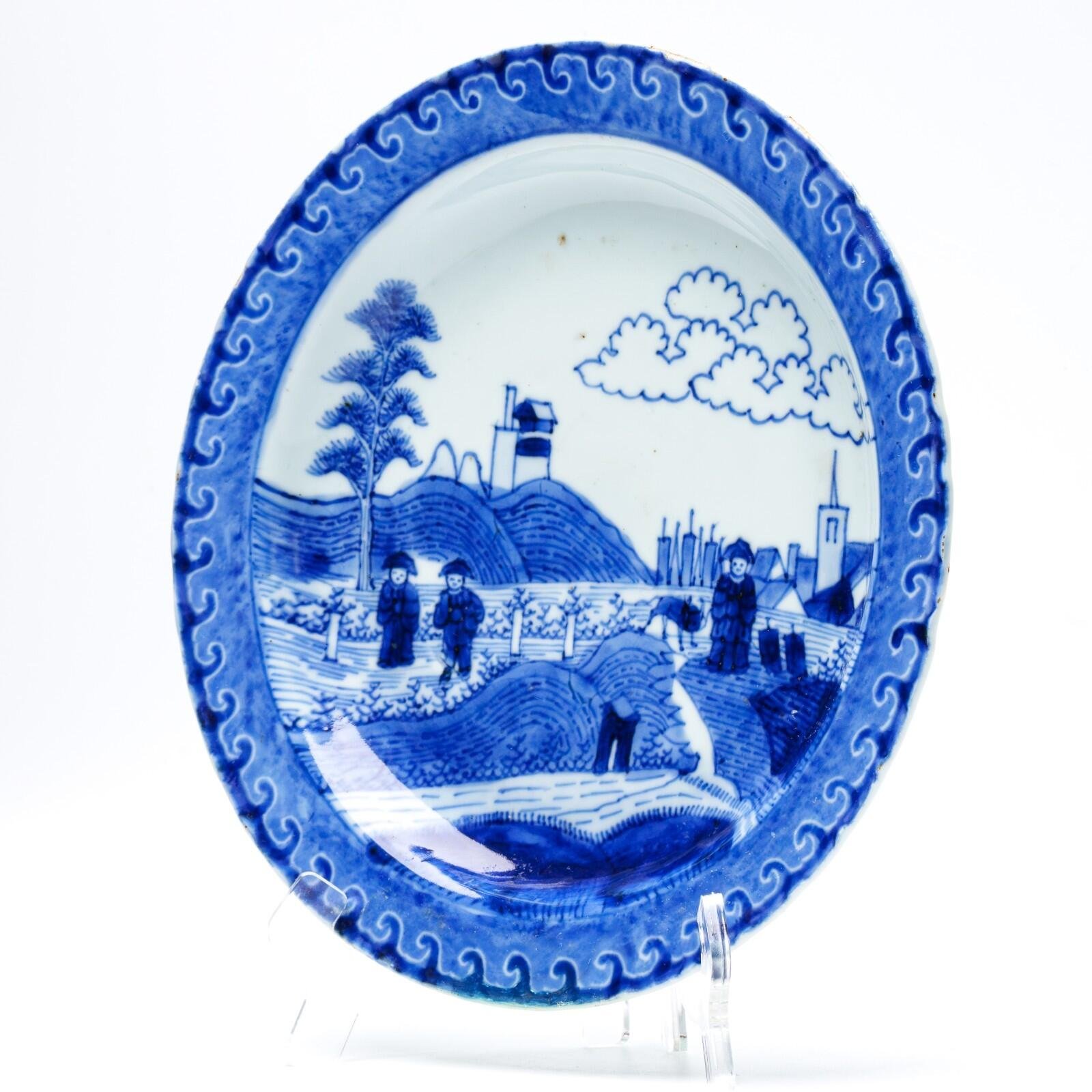
Chinese Porcelain Plate Blue Deshima Island Van Frytom Style Yongzheng Qing 18C
ITEM DETAILS
Inventory Code: INV4509
Object: Plate
Material: Porcelain
Origin: China
Period: Yongzheng Period, Qing Dynasty
Date: 1723-1735
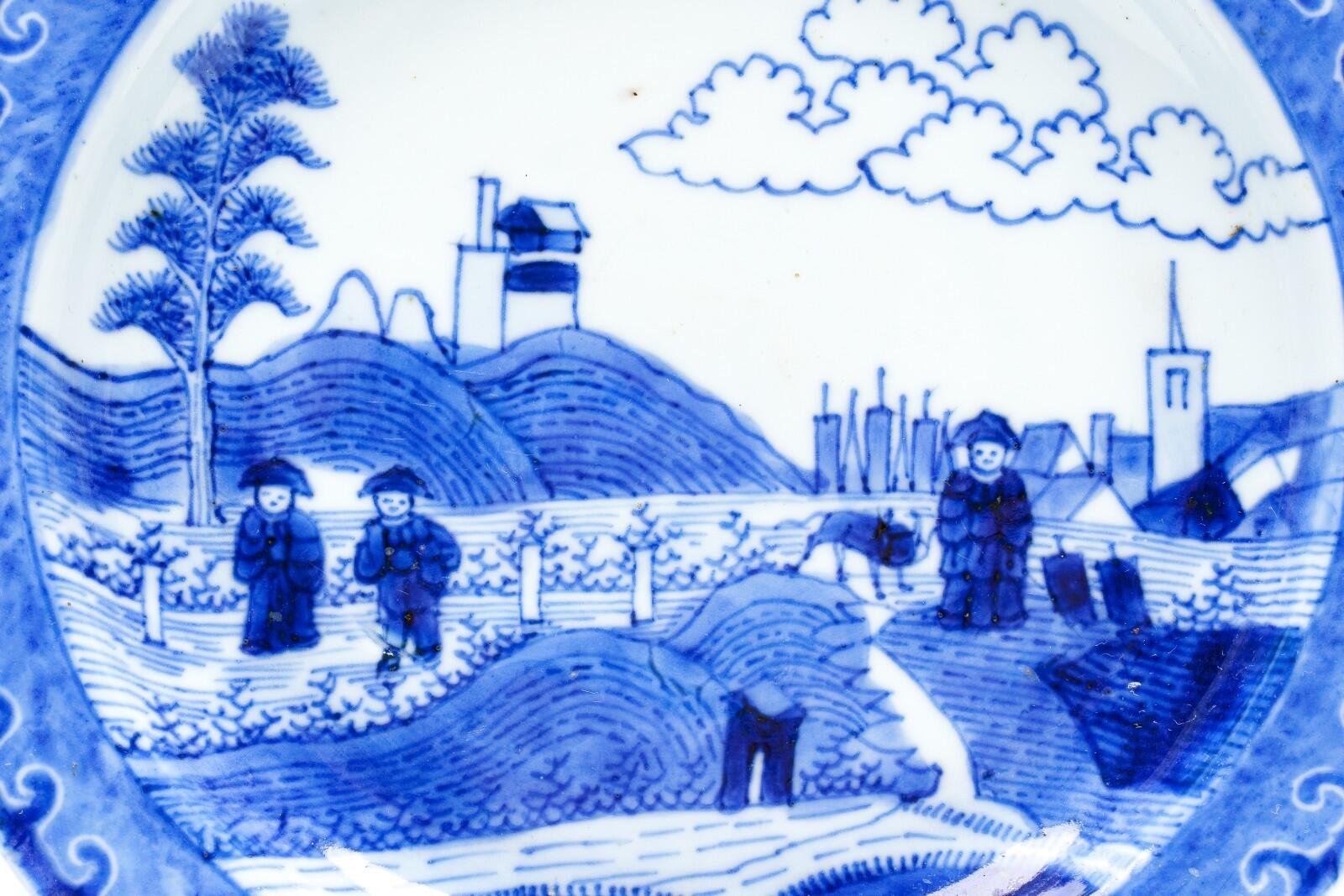
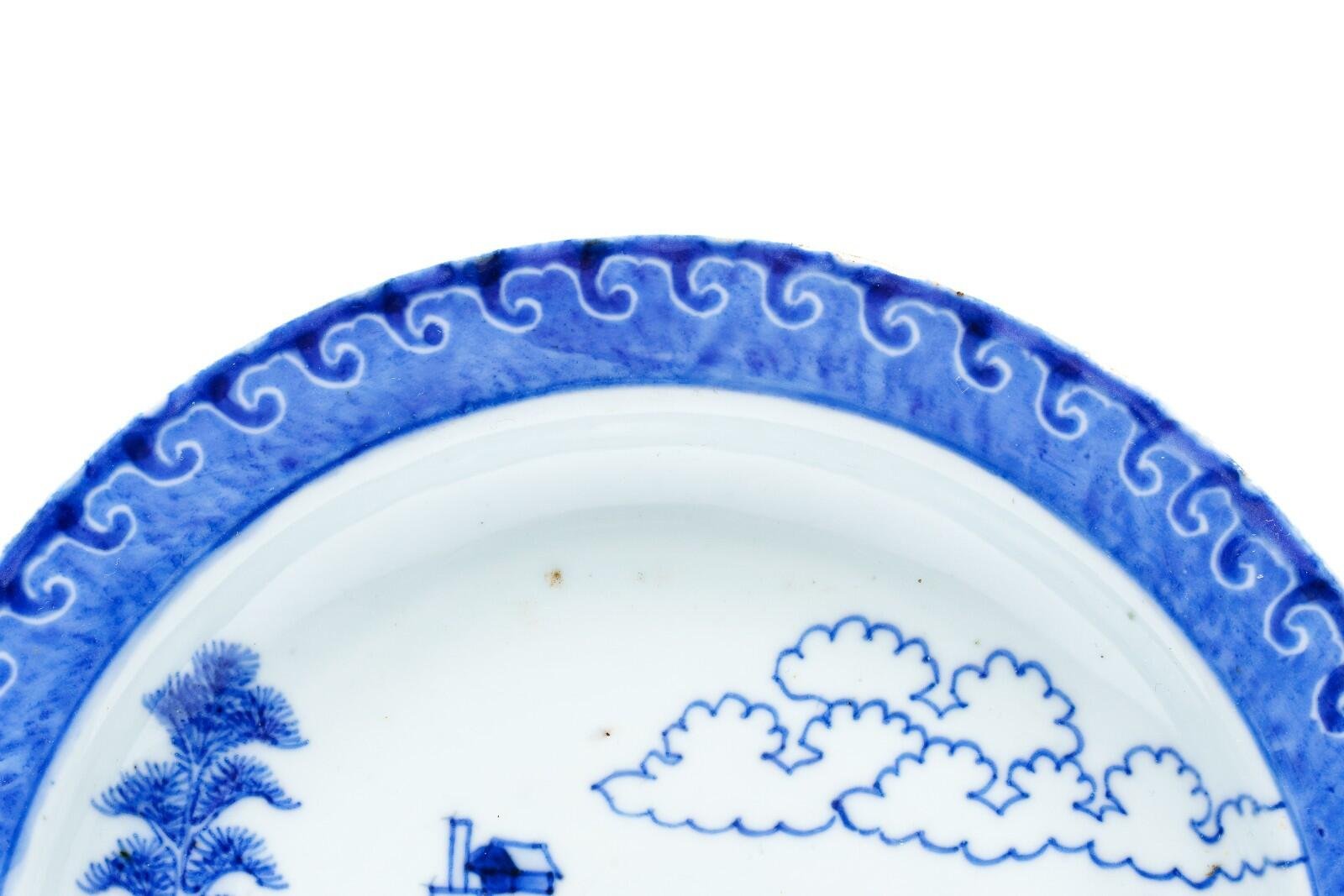
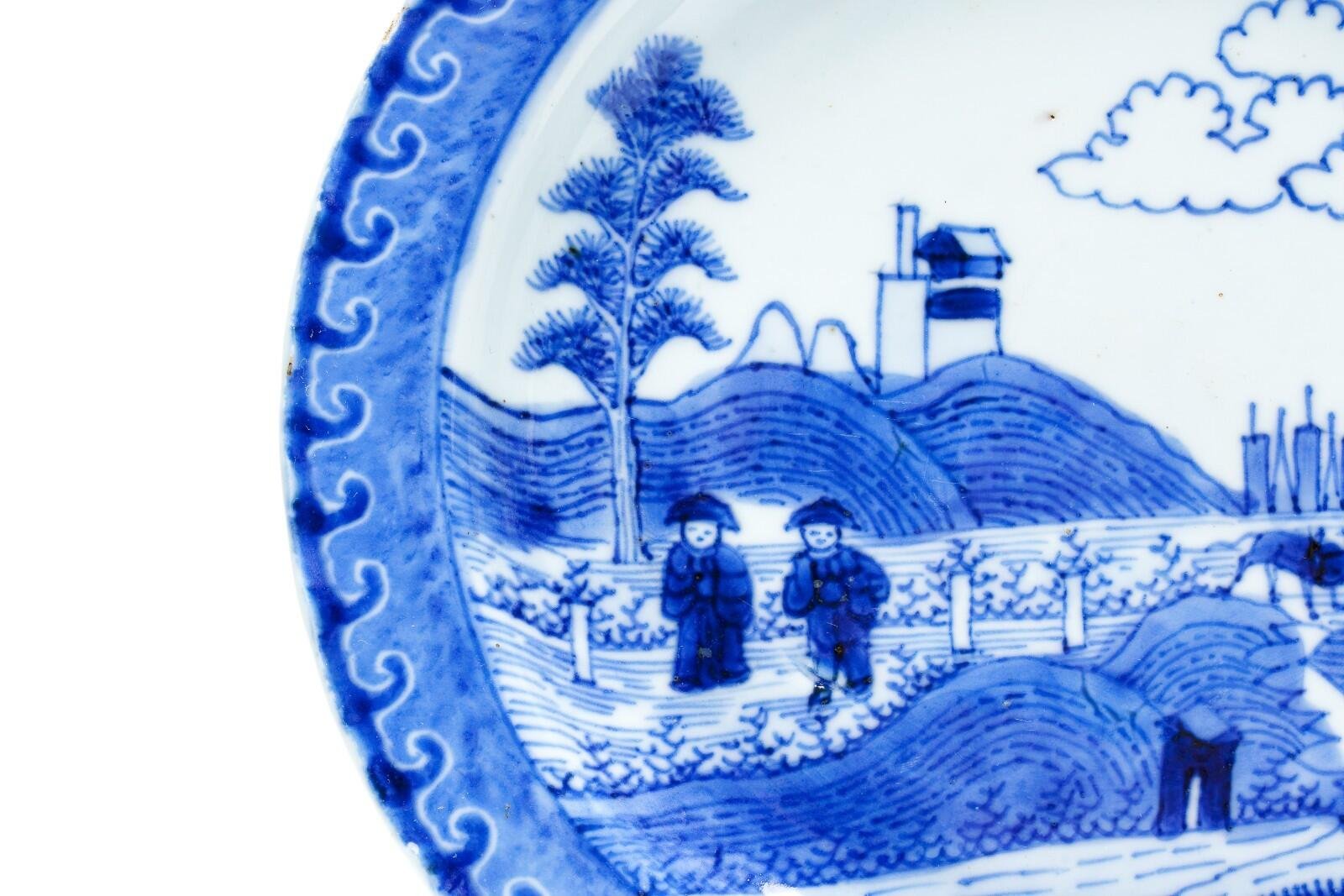
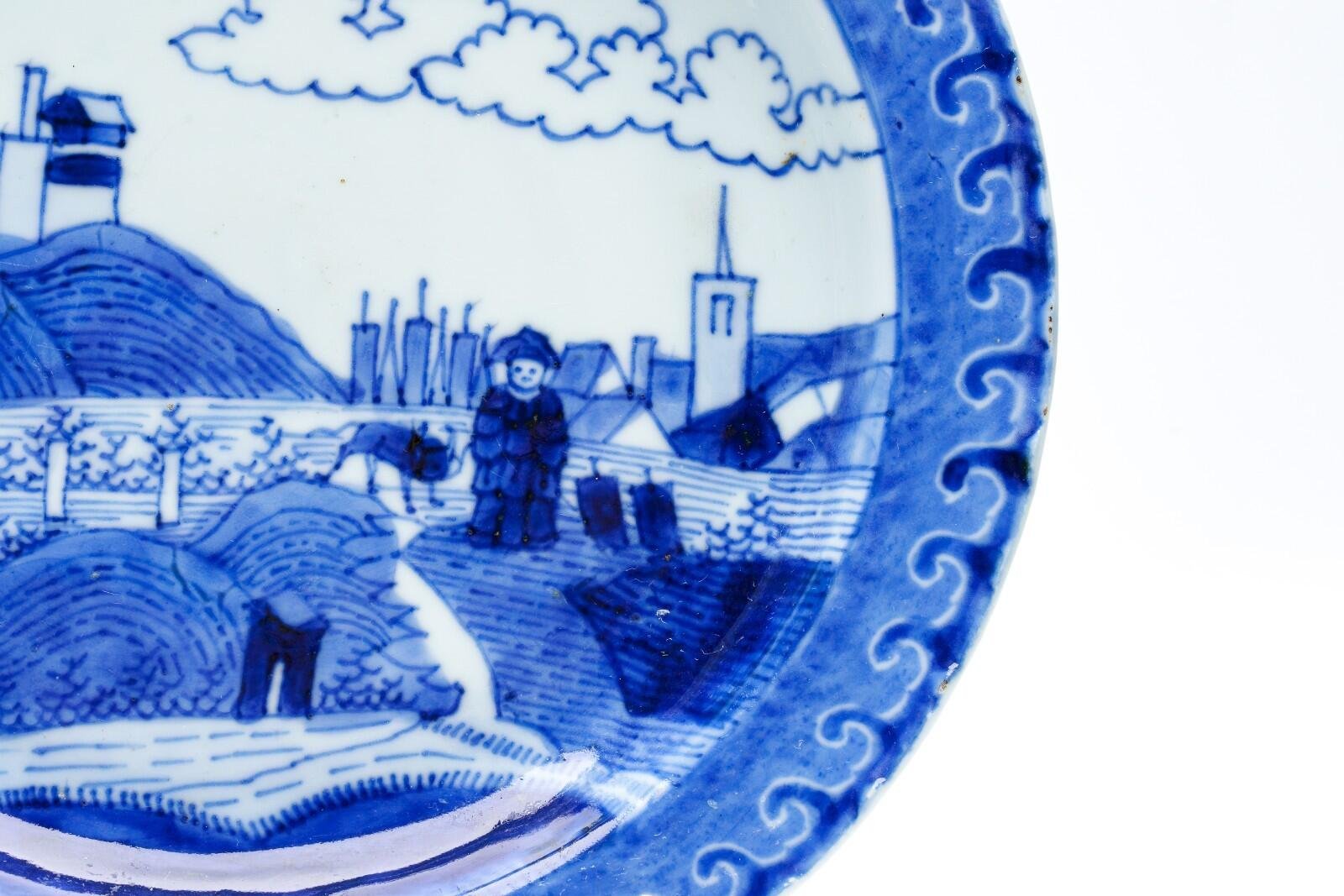
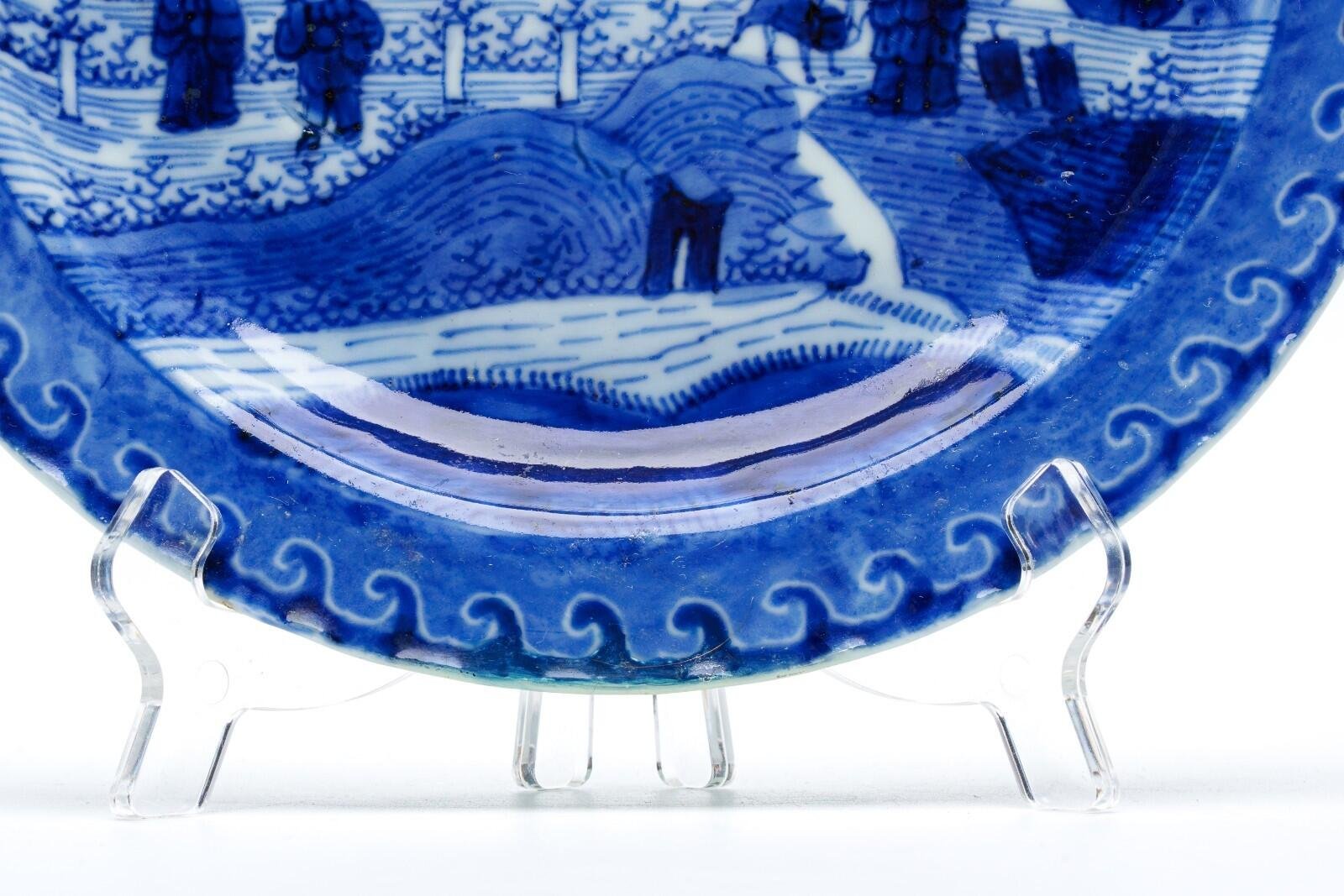
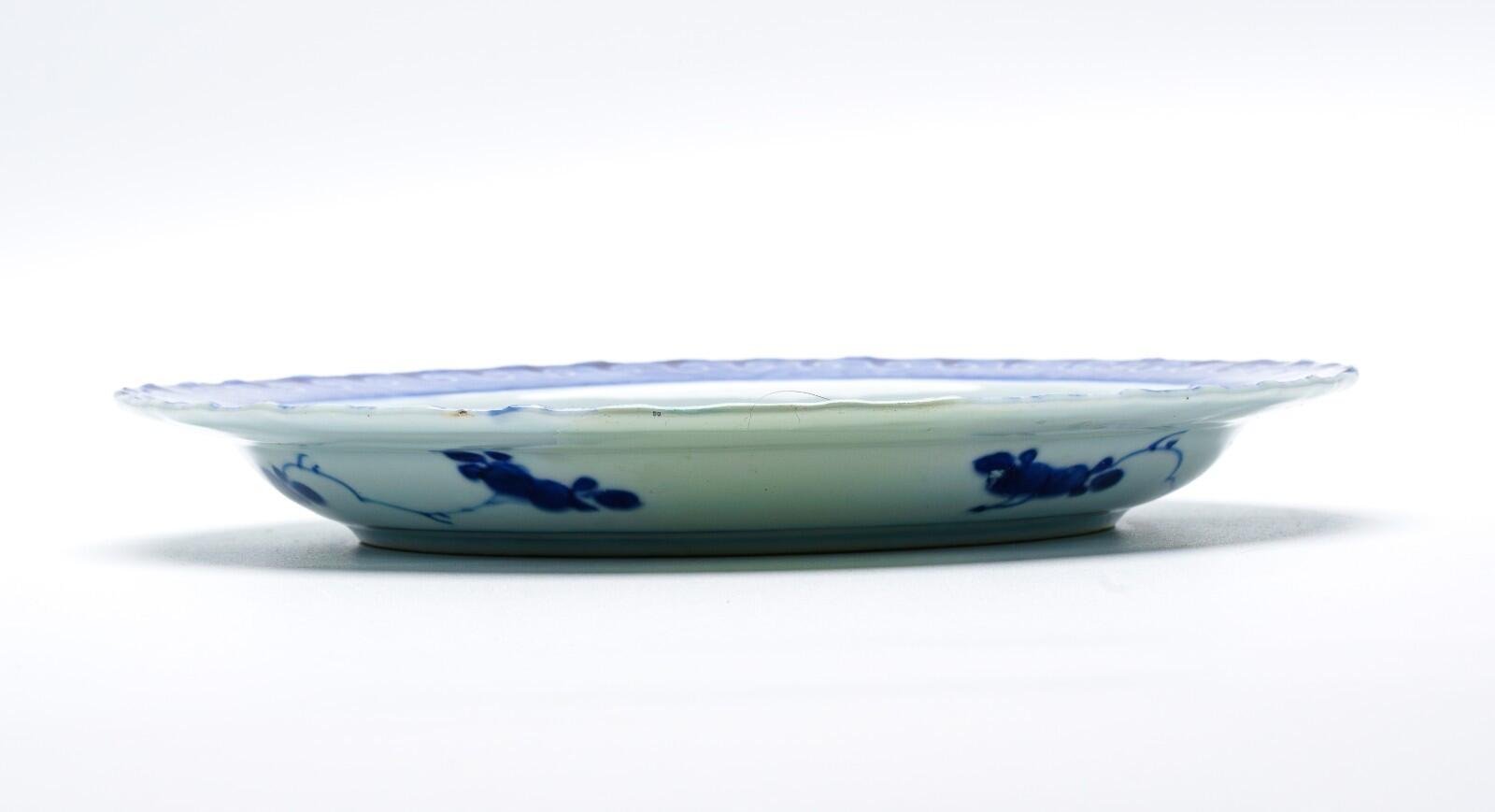
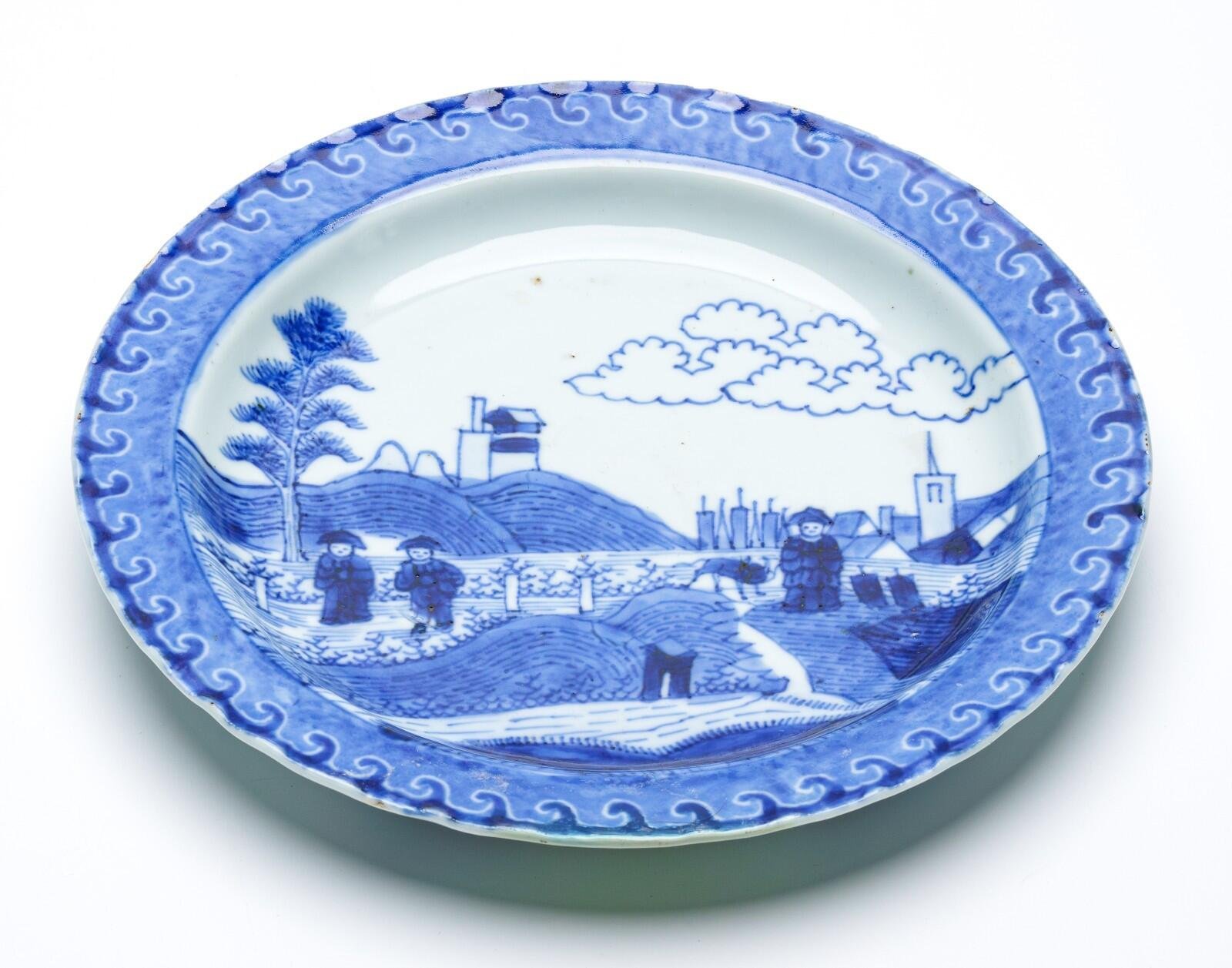
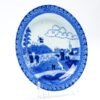
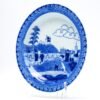
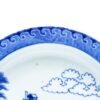
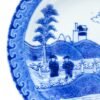
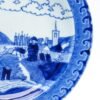
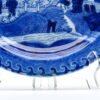
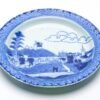
Decoration: Blue and white Dutch landscape with figures, dog, church, dunes and buildings within a moulded wave border
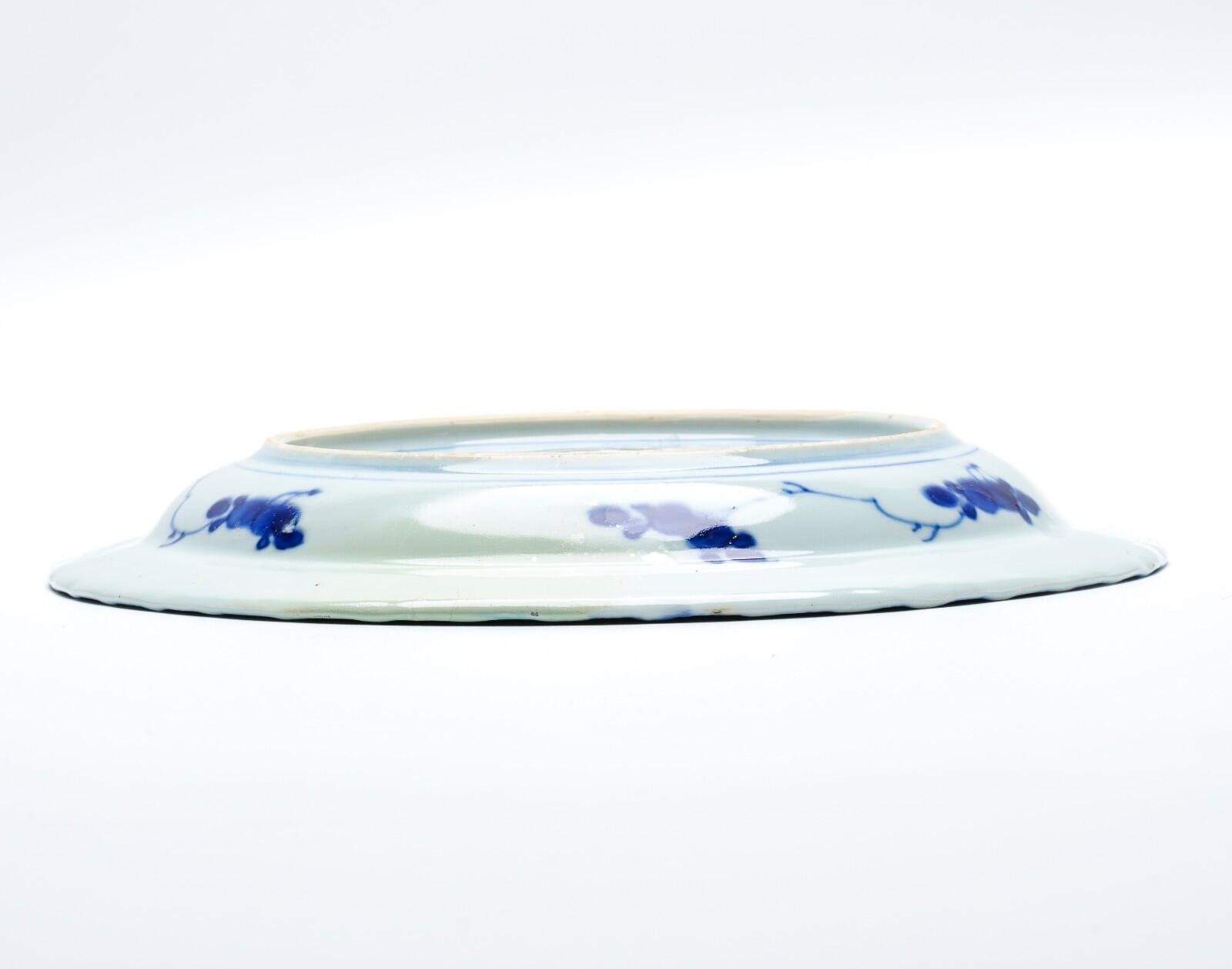
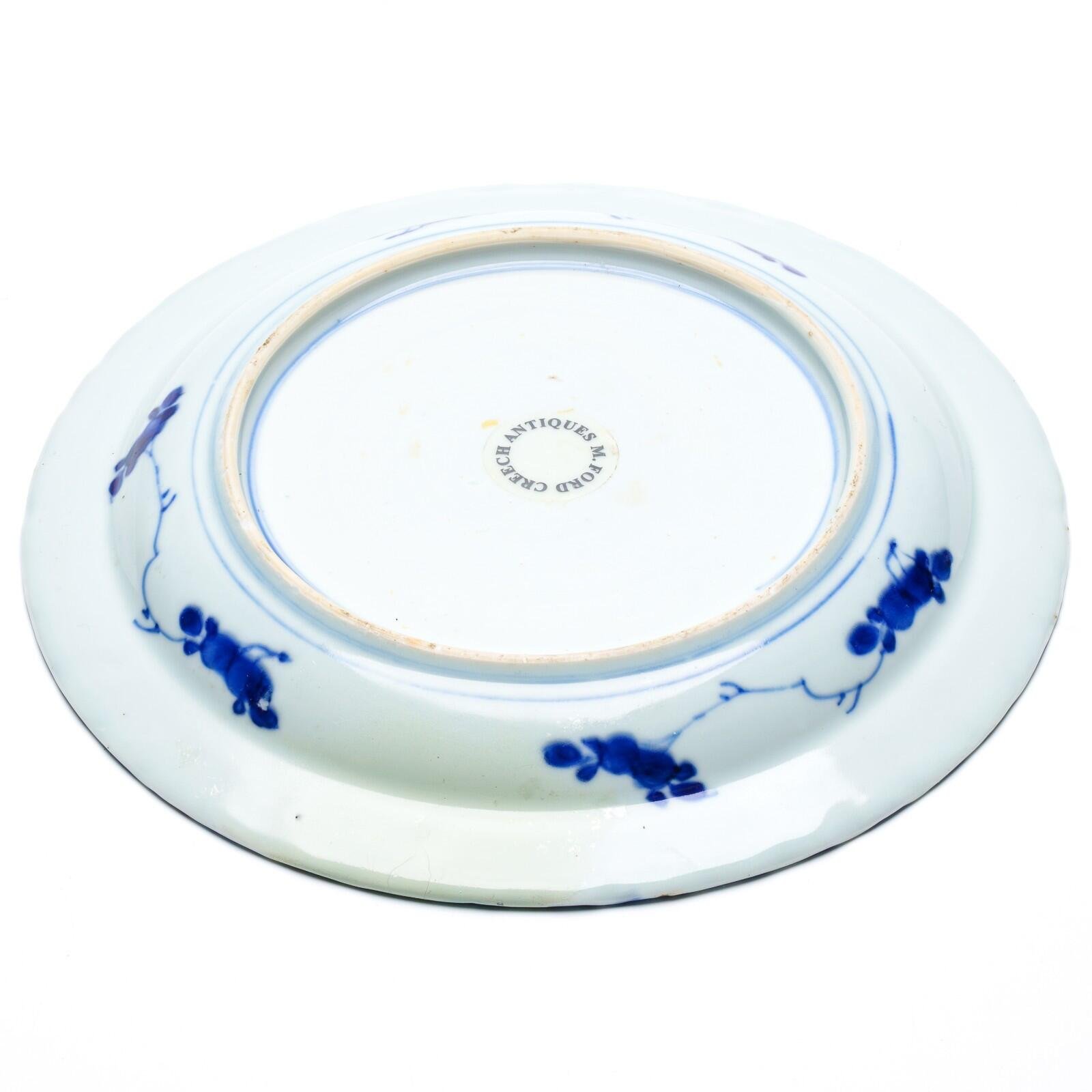
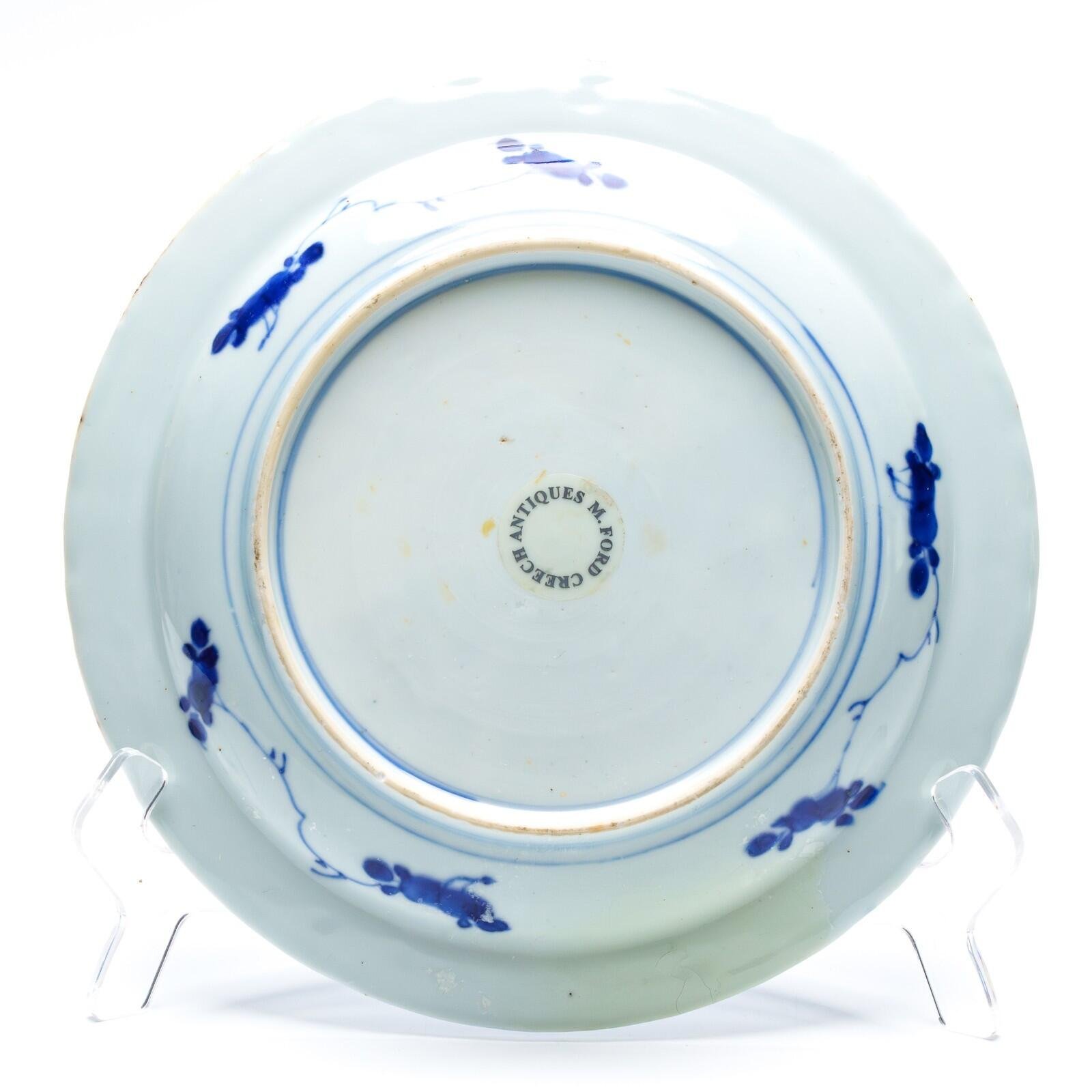
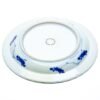
Mark: Double ring mark to base
MEASUREMENTS
Diameter: 7.7 in / 19.8 cm
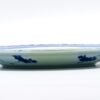
Height: 1.0 in / 2.5 cm
CONDITION
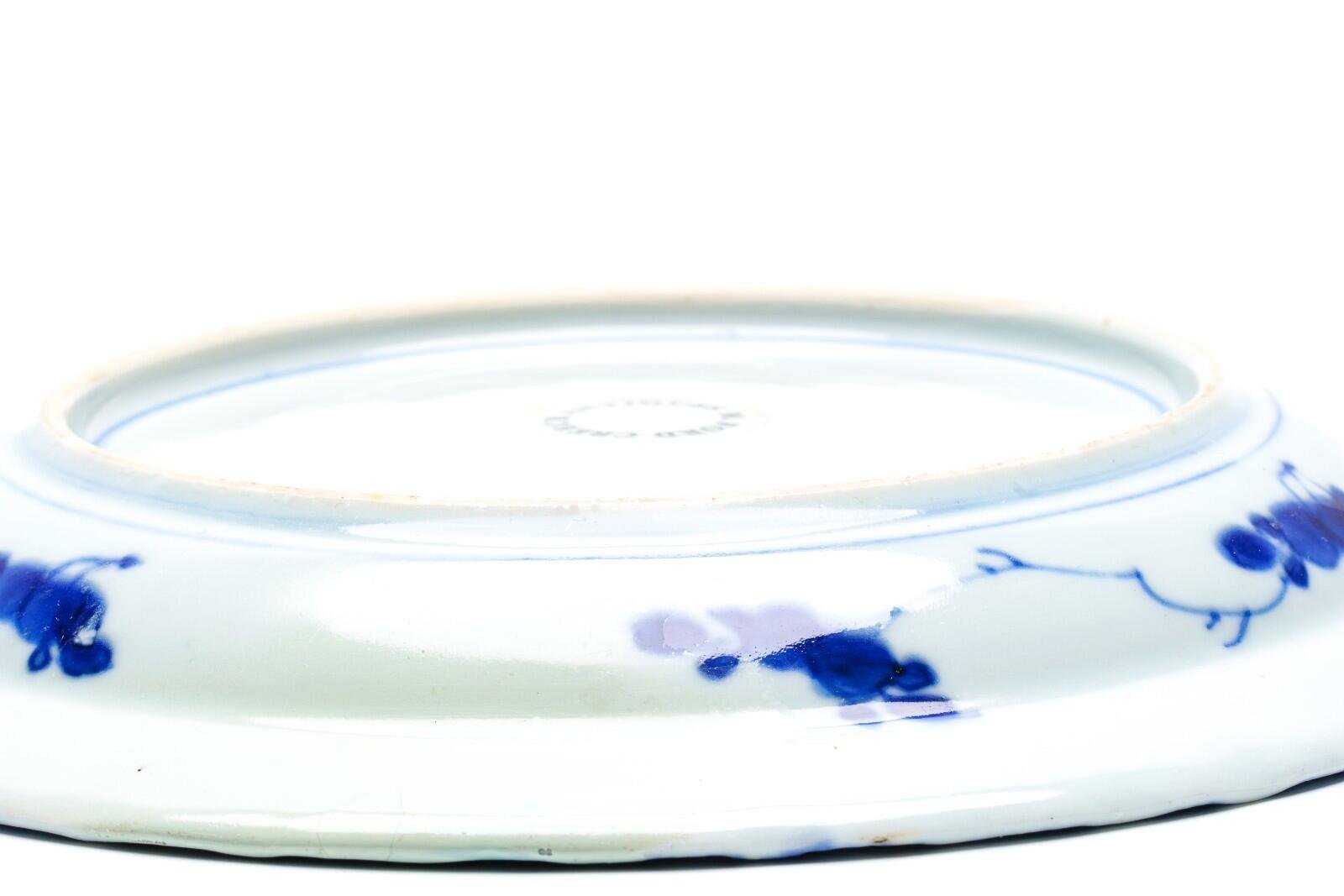
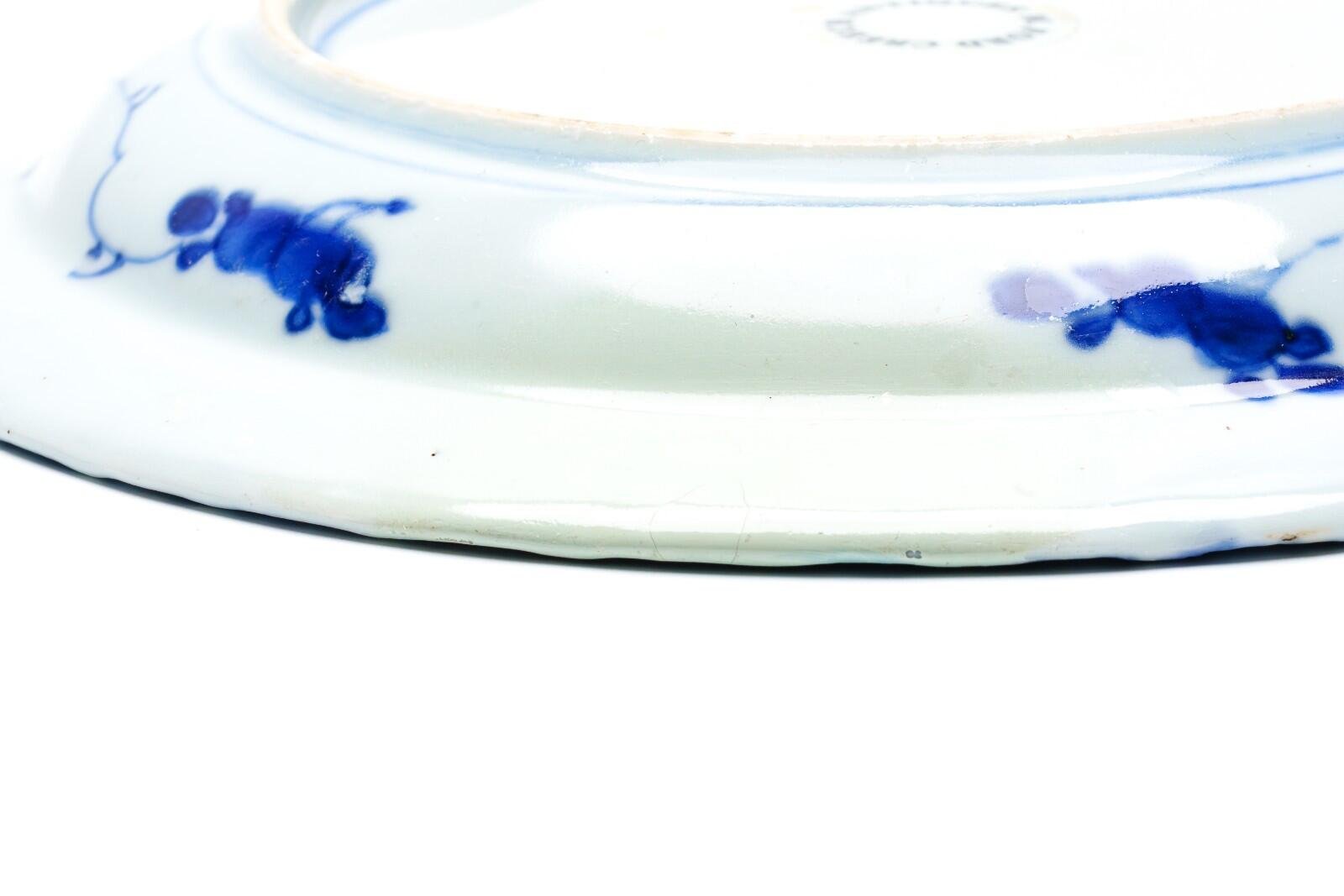
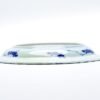
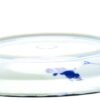
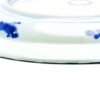
FAIR/RESTORED (2/5) – Extensive restoration to the rim border with overpainting and reapplied glaze to surface. General wear and minor firing imperfections consistent with age. Please review the photos carefully for more details.
DESCRIPTION
Chinese Export blue and white porcelain plate dating to the Yongzheng period.
Painted in the celebrated Van Frytom or Deshima Island style, depicting a Dutch coastal landscape with figures, a dog, church spire and rolling dunes.
The moulded foliate rim is decorated with a distinctive wave pattern in rich cobalt blue.
Reverse with floral sprig decoration and double ring mark.
An attractive example of a highly collected export porcelain pattern.
COLLECTOR’S NOTE
This design was long identified as depicting Deshima Island, the Dutch East India Company trading post in Japan, but is now generally believed to represent the Dutch coastal town of Scheveningen.
The scene derives from compositions by the Delft artist Frederik van Frytom (1632-1702), whose landscapes inspired both Japanese and Chinese export porcelain decorators.
Comparable examples are held in the Ashmolean Museum and the Metropolitan Museum of Art, illustrating the enduring importance of this export ware pattern.
NOTES
Please review all photos carefully as they form part of the description.
Related products
-
Chinese Export American Cup Saucer Sepia Shipyard Qianlong Blue Gilt Enamel 18C
£150.00 -
Vintage Silver Tone Drinks Coasters Floral Engraved Set with Ceramic Holder 20C
£15.00 -
Chinese Ex Collectis Erik Hancock Porcelain Saucer Blue White Peony Qianlong 18C
£120.00 -

Chinese Export American Cup Saucer Sepia Shipyard Qianlong Blue Gilt Enamel 18C
£150.00