
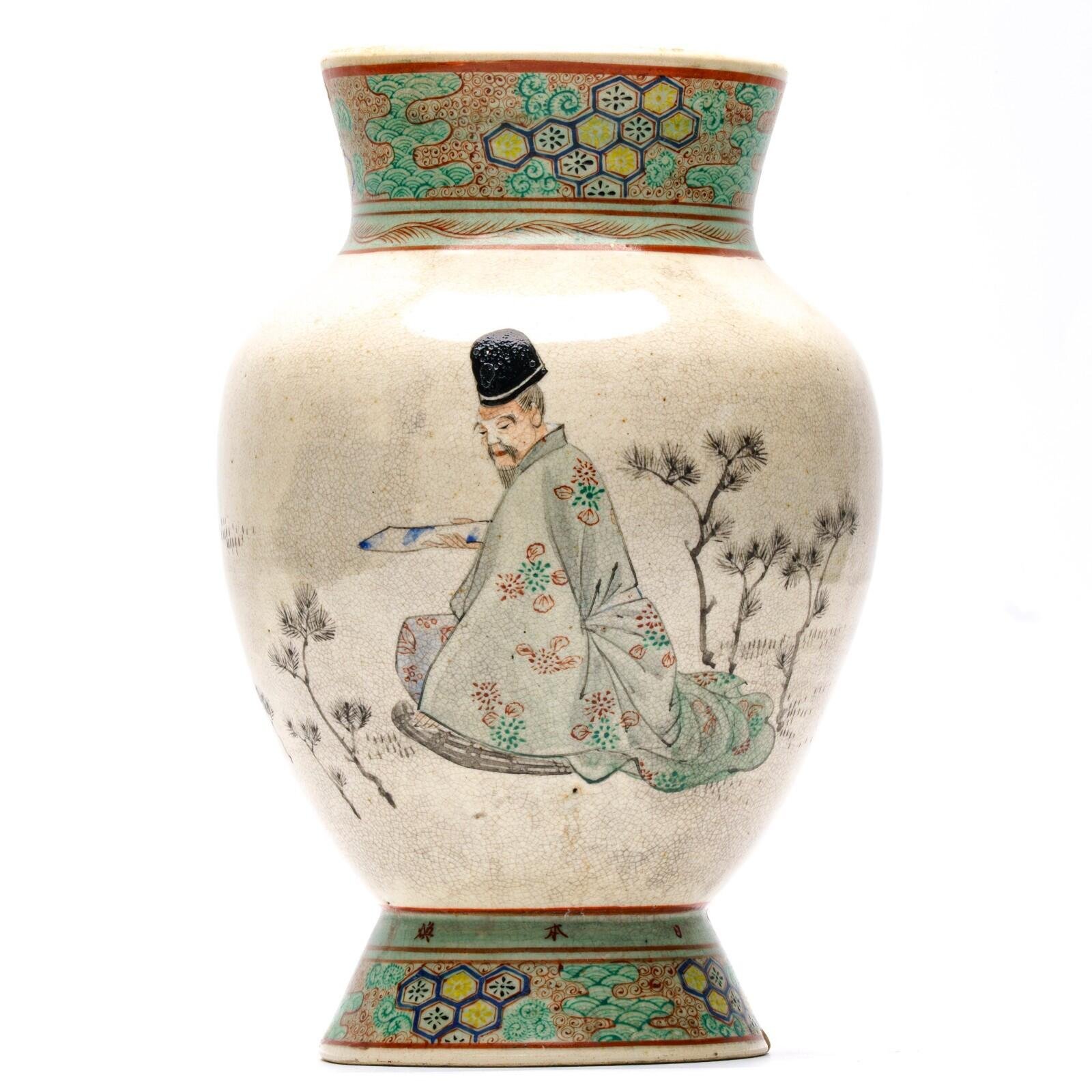
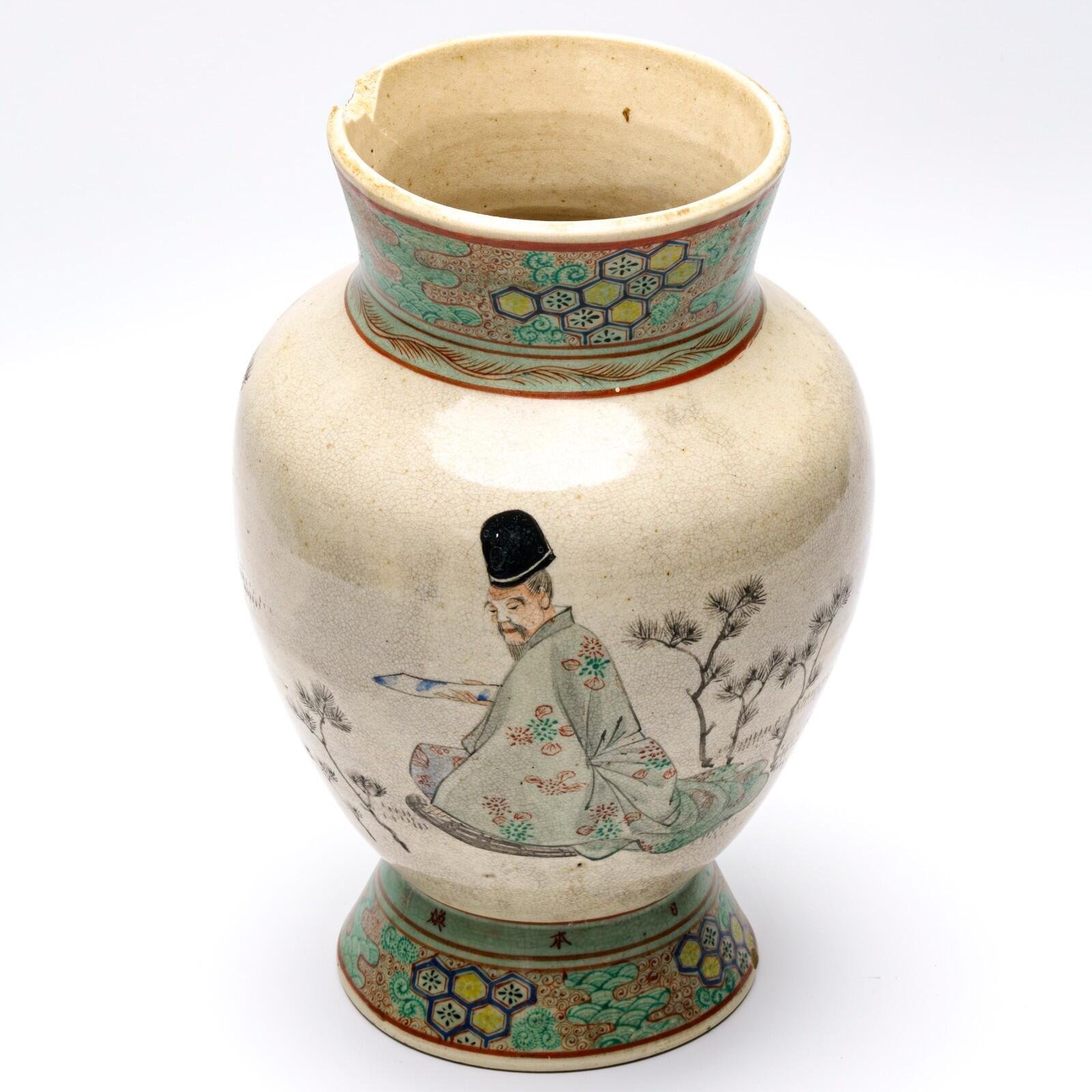
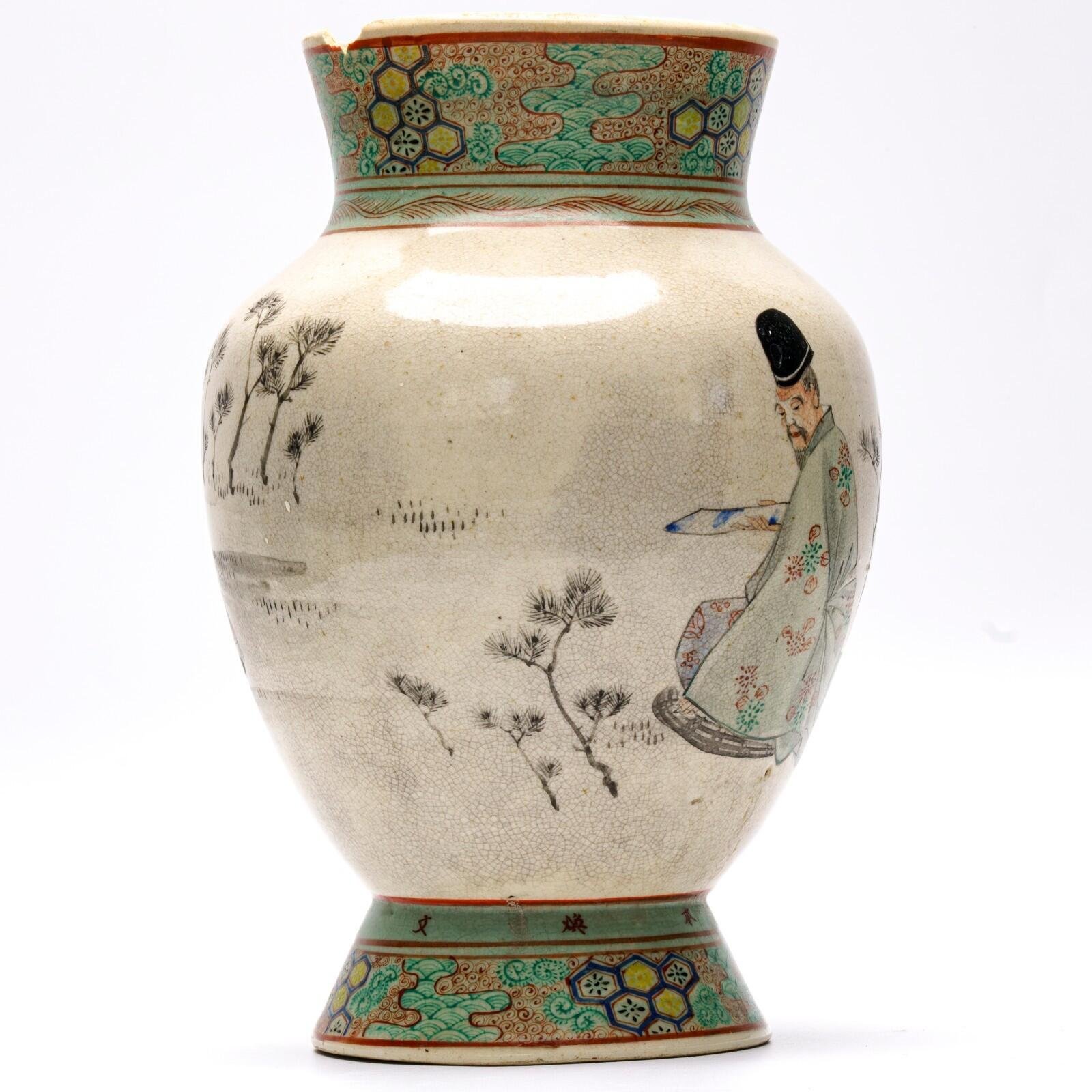
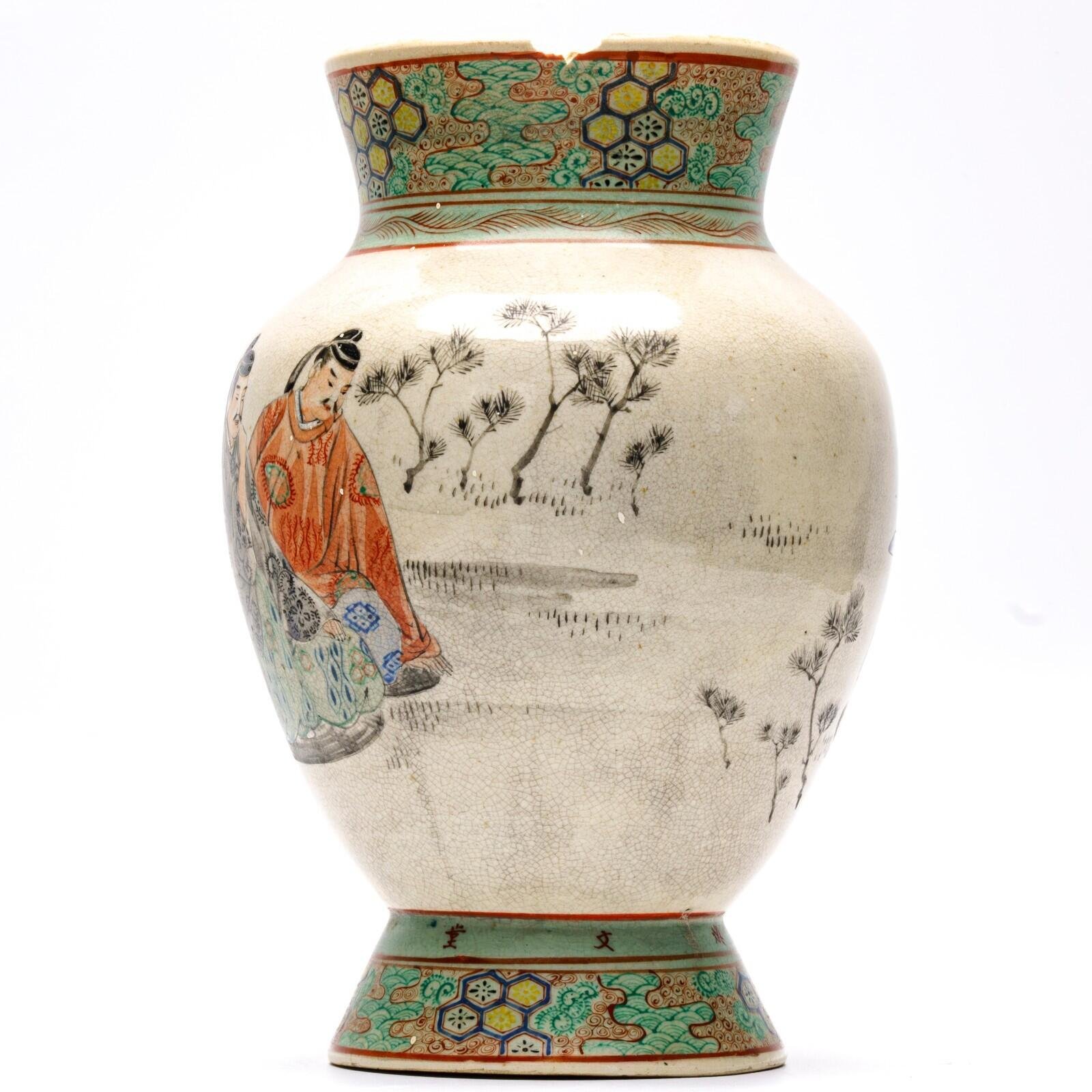
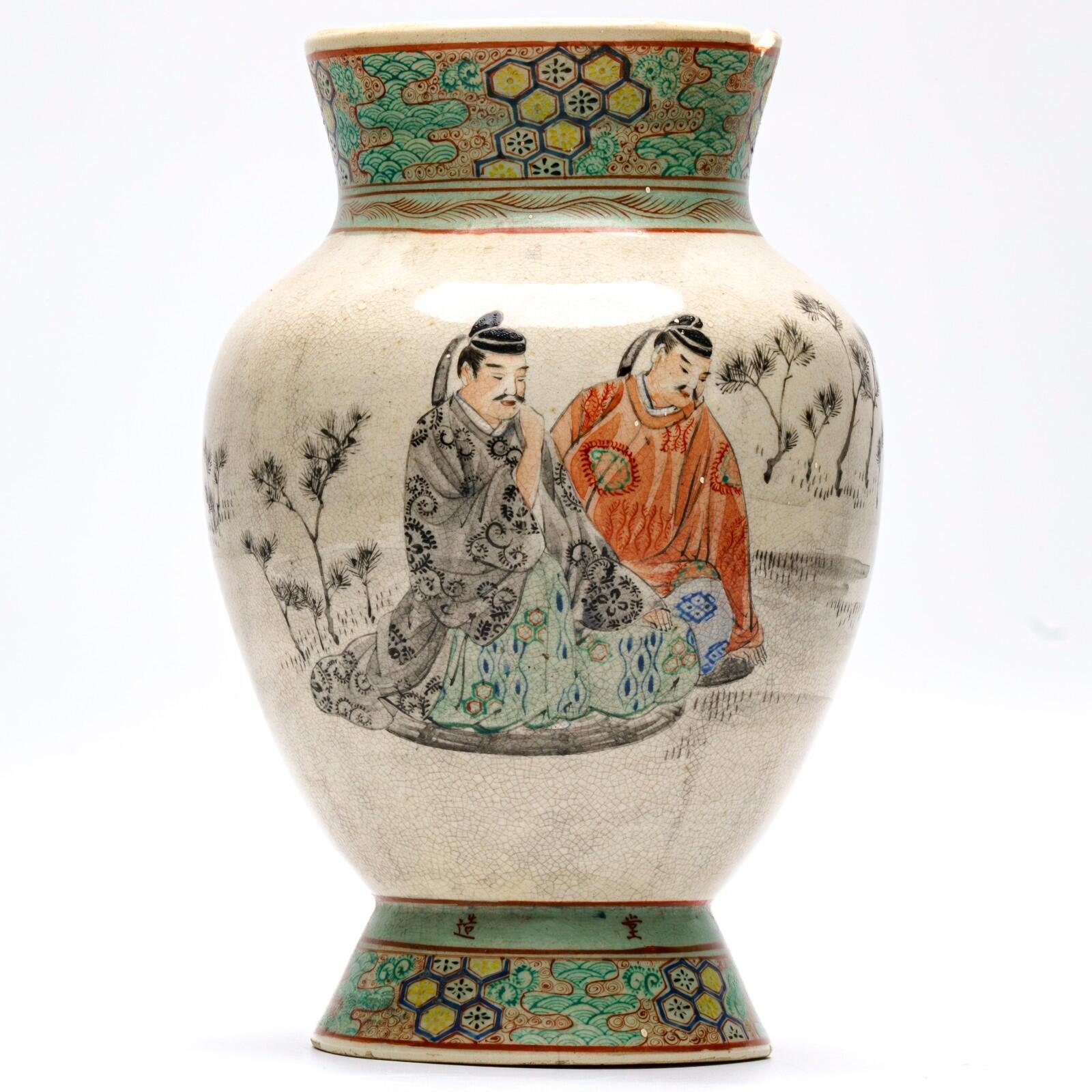
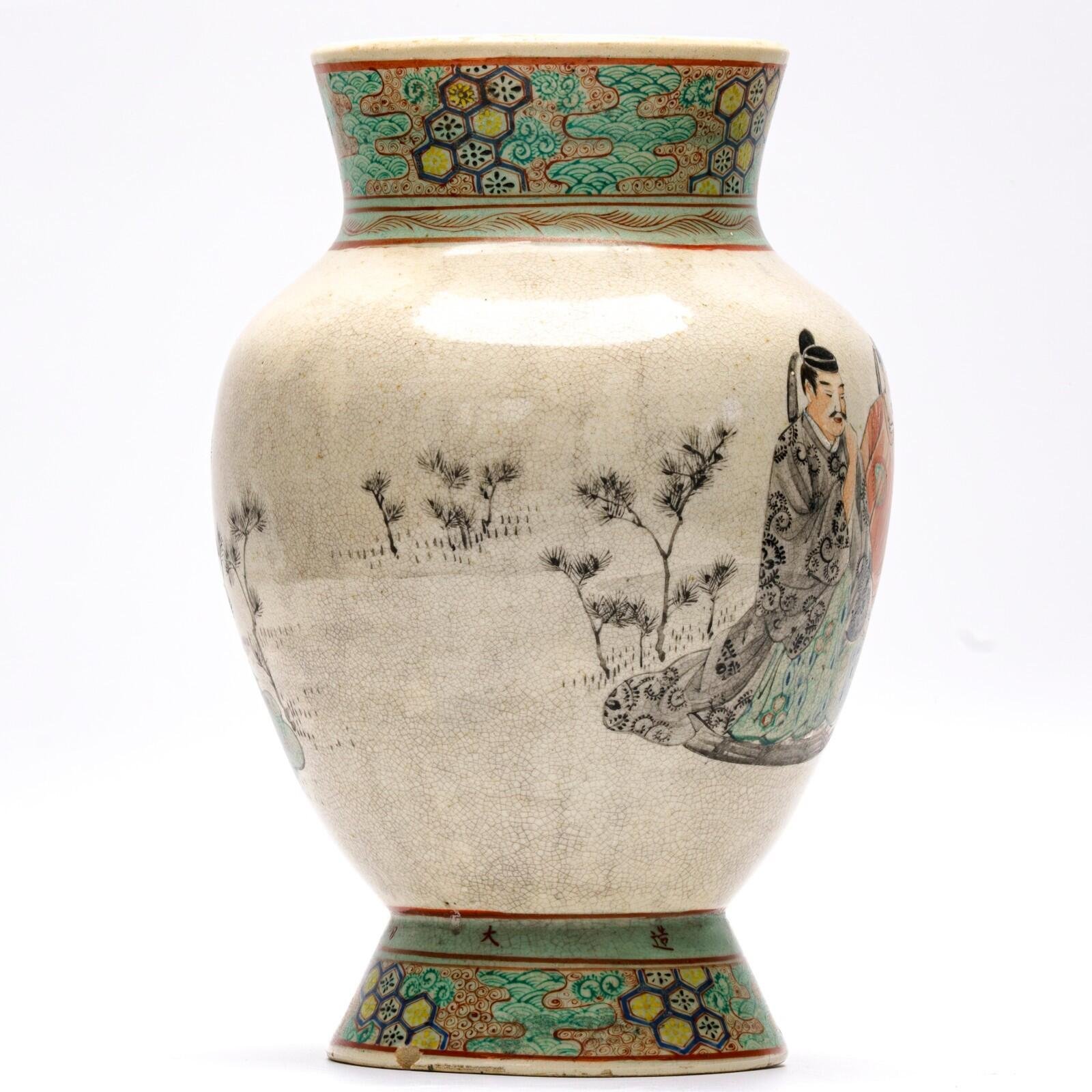
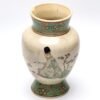
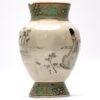
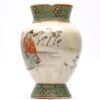
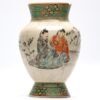
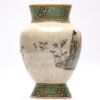


Japanese Porcelain Satsuma Vase Gilt Samurai Painted Marked Kutani Meiji 18C
£115.00
Inventory Code: INV4373
Object: Vase
Material: Porcelain
Origin: Japan
Period: Meiji
Date: Late 19th Century
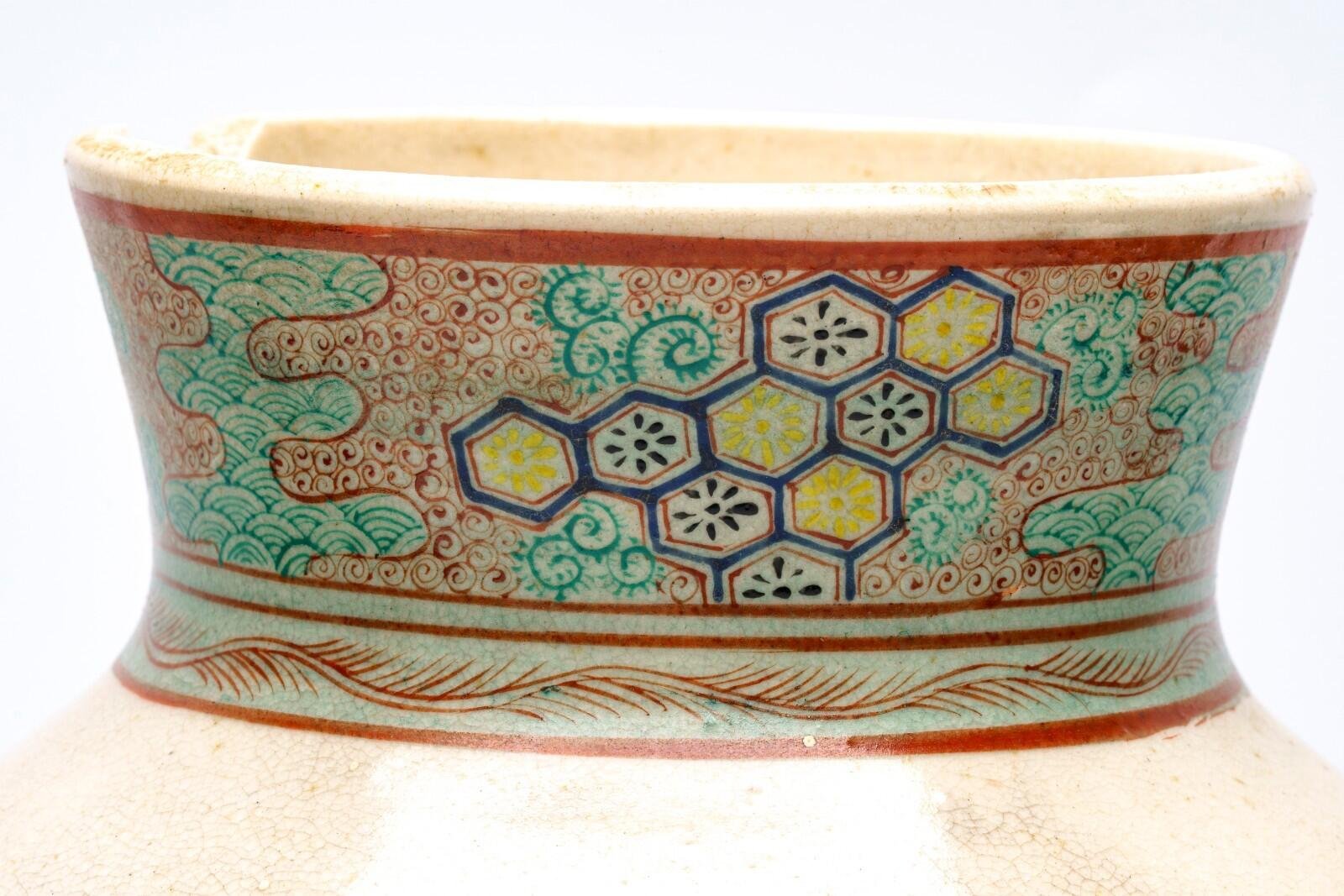
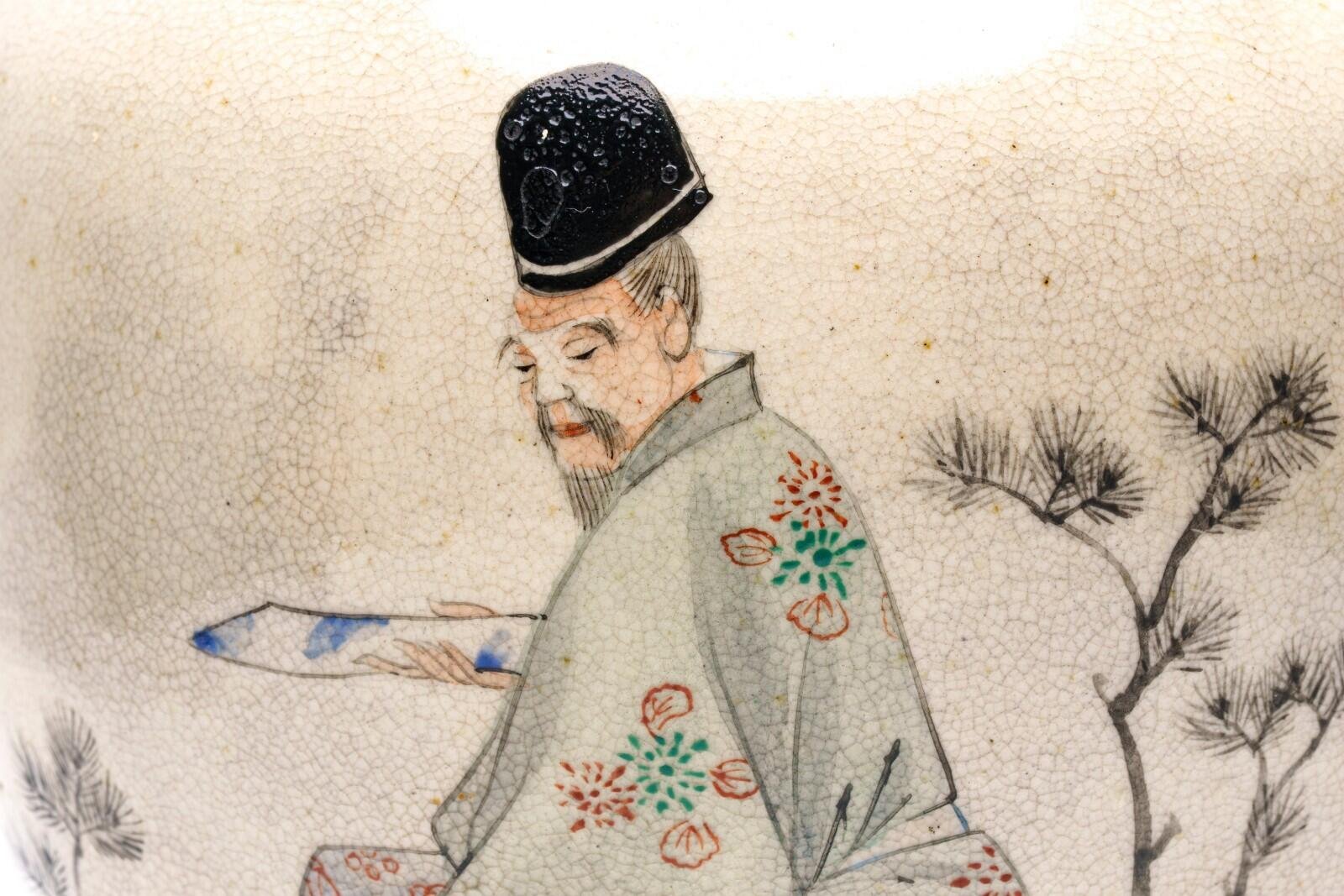
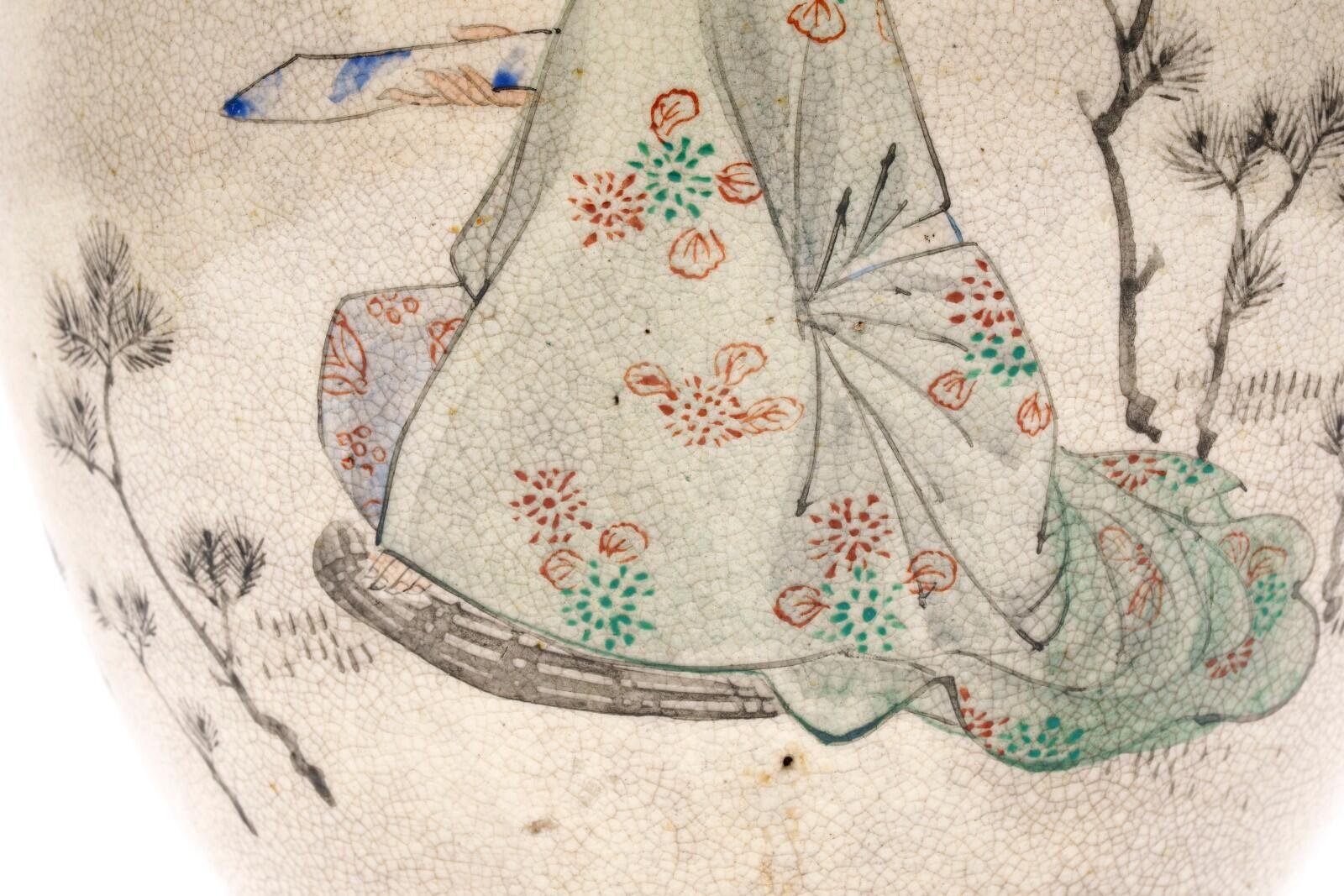
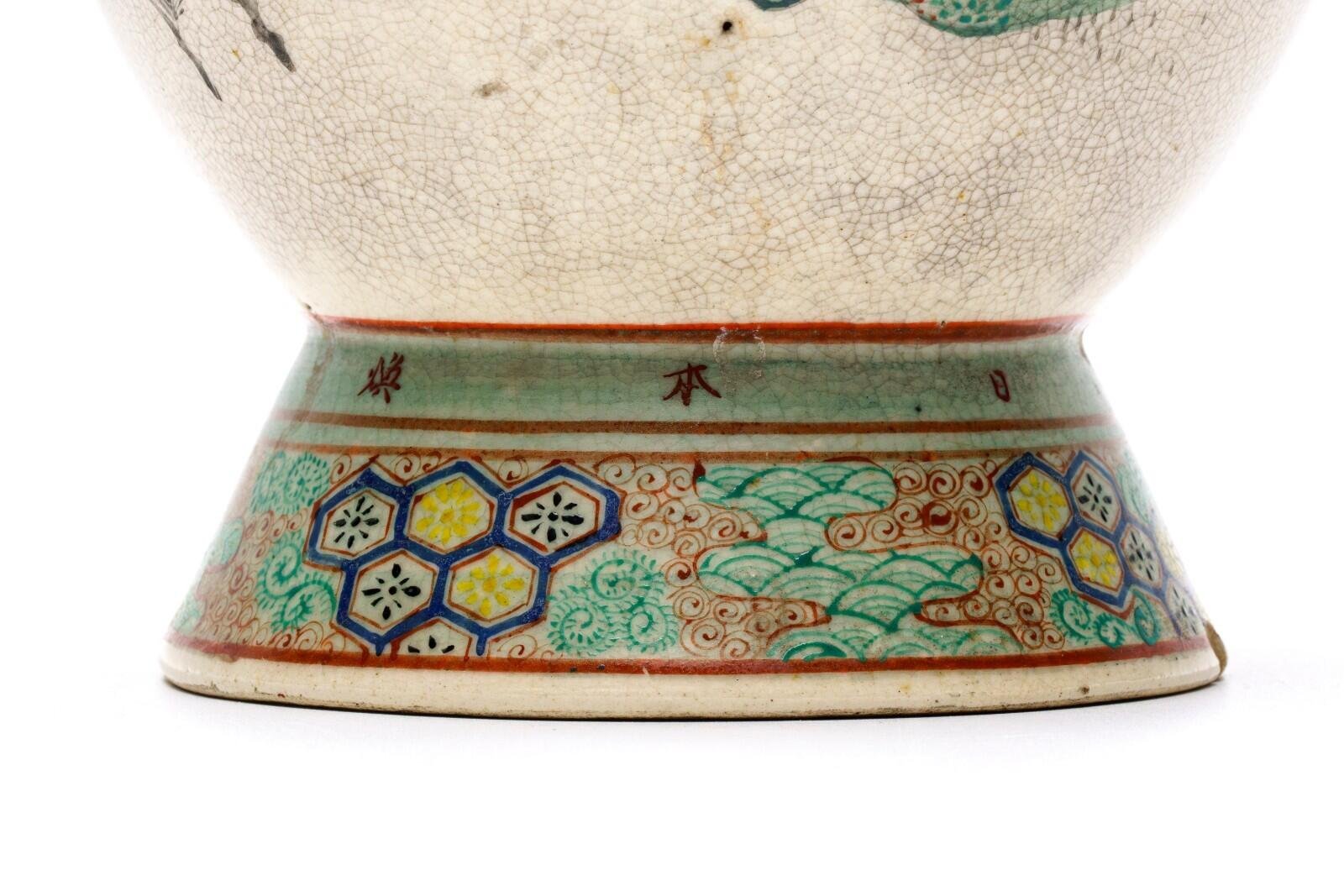
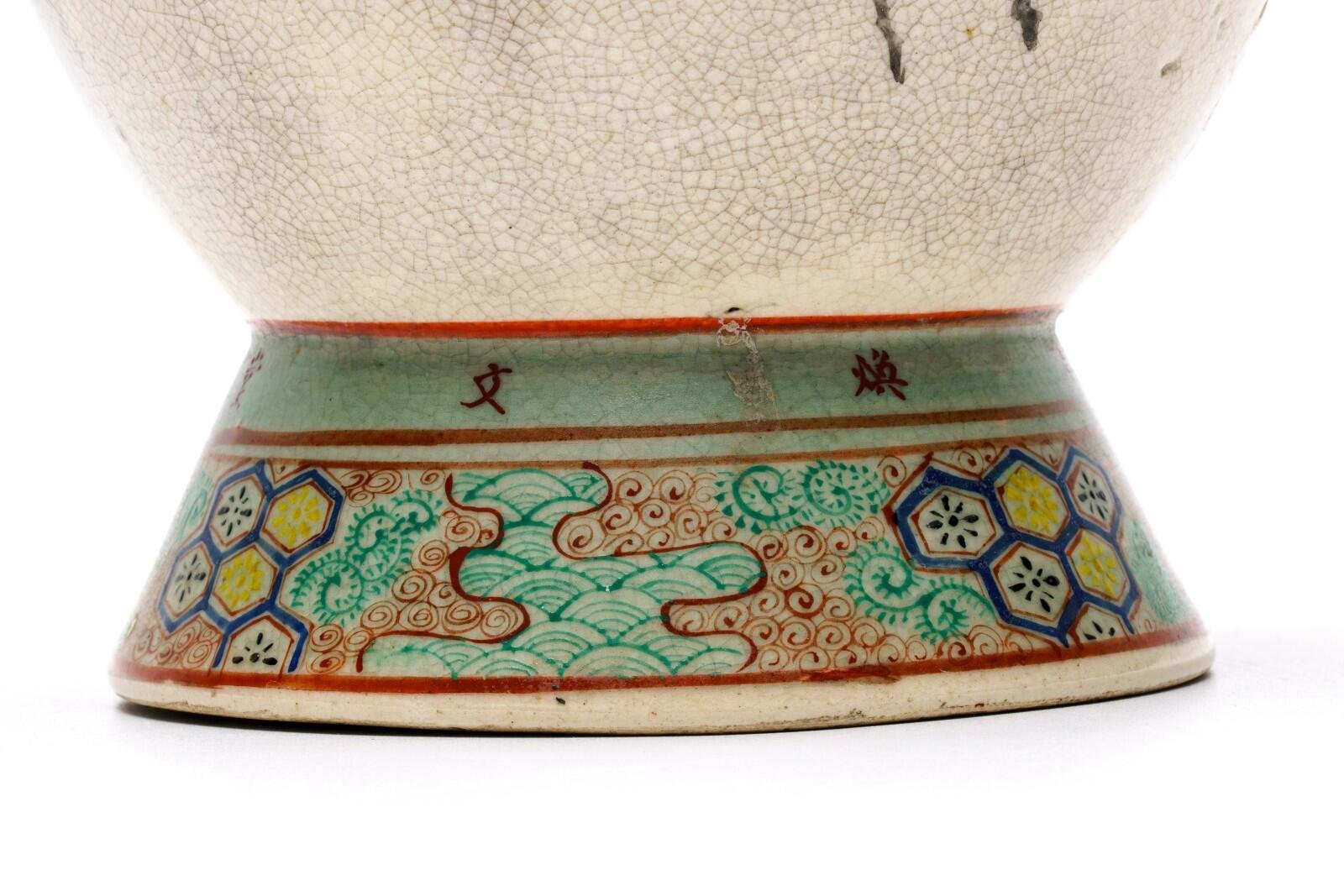
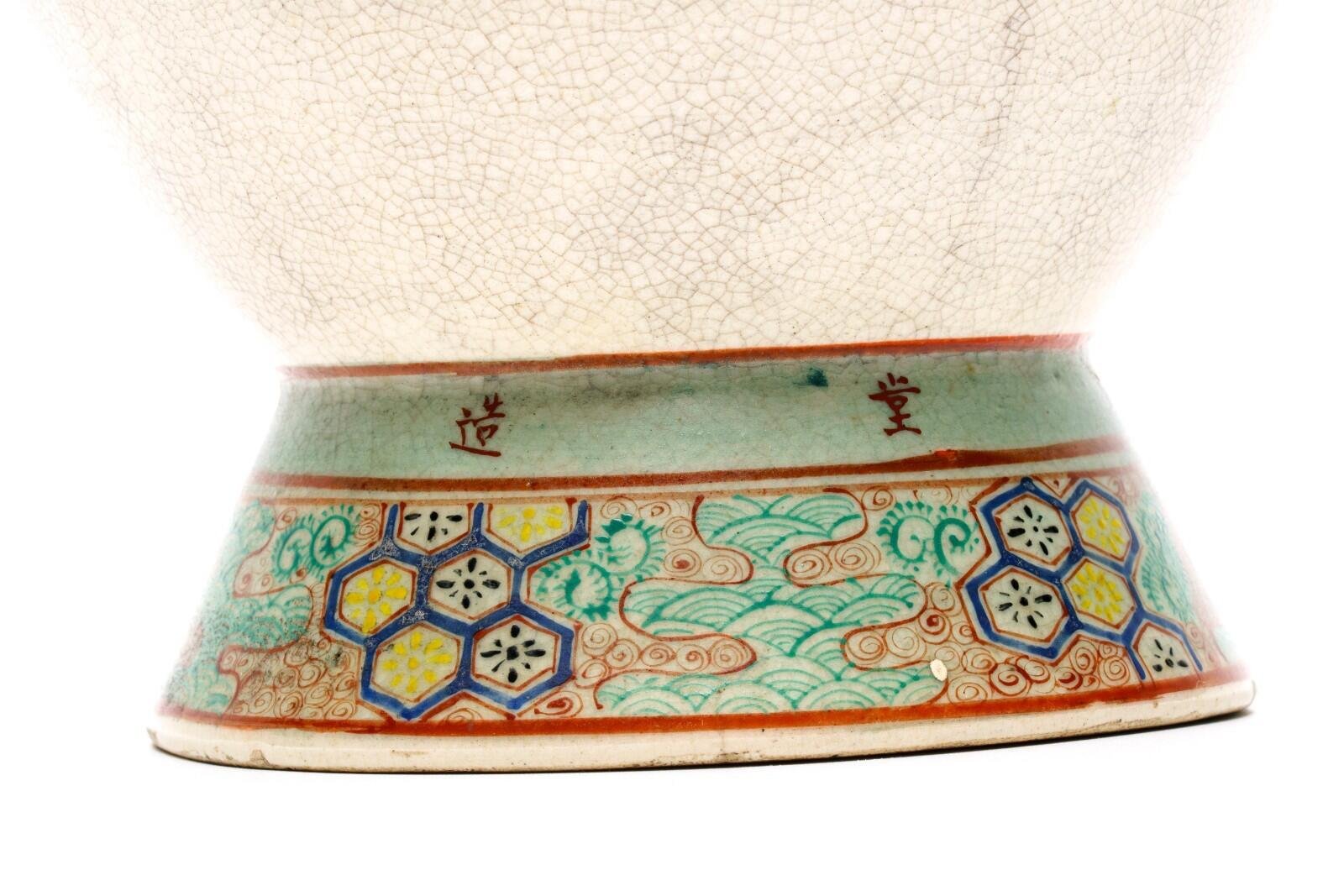
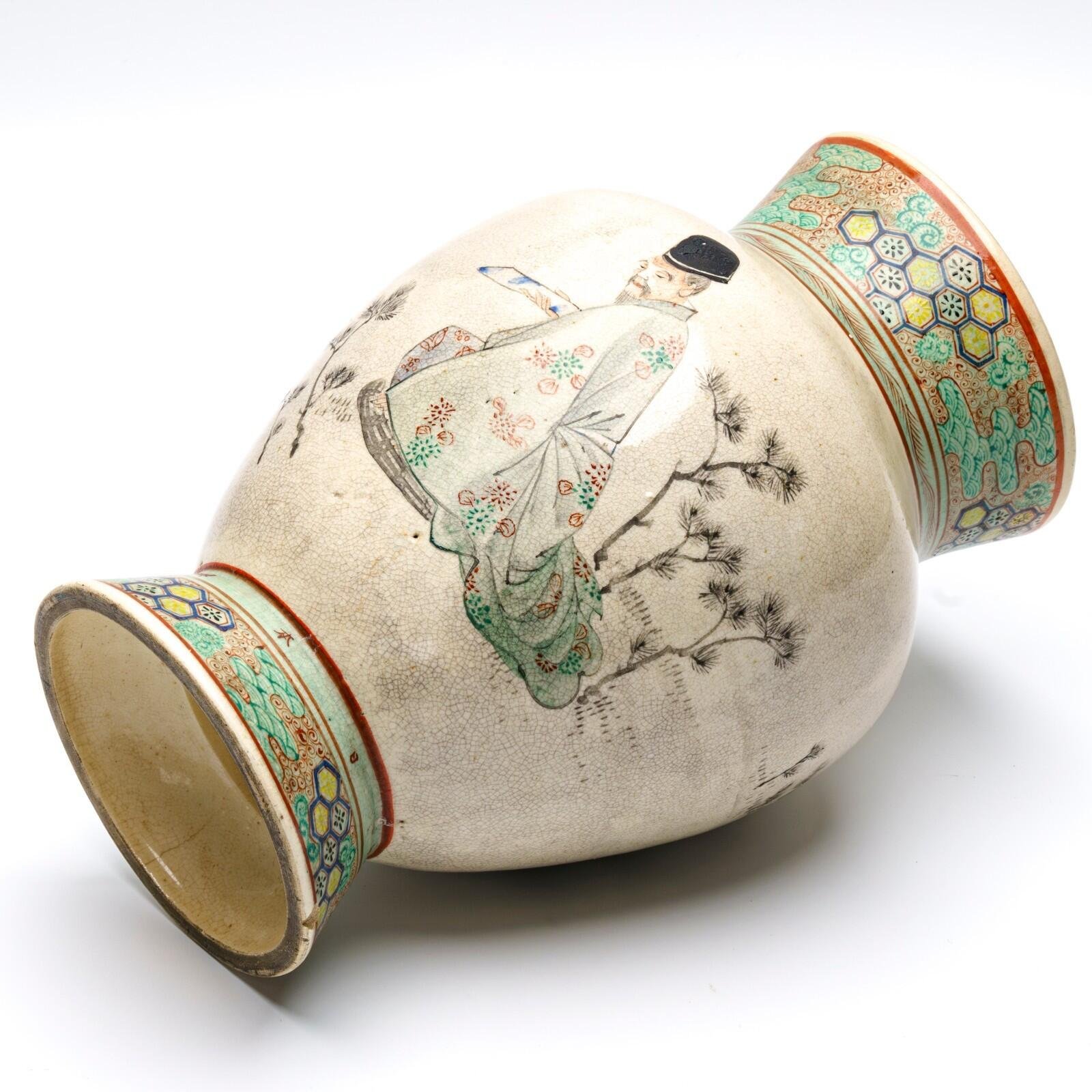
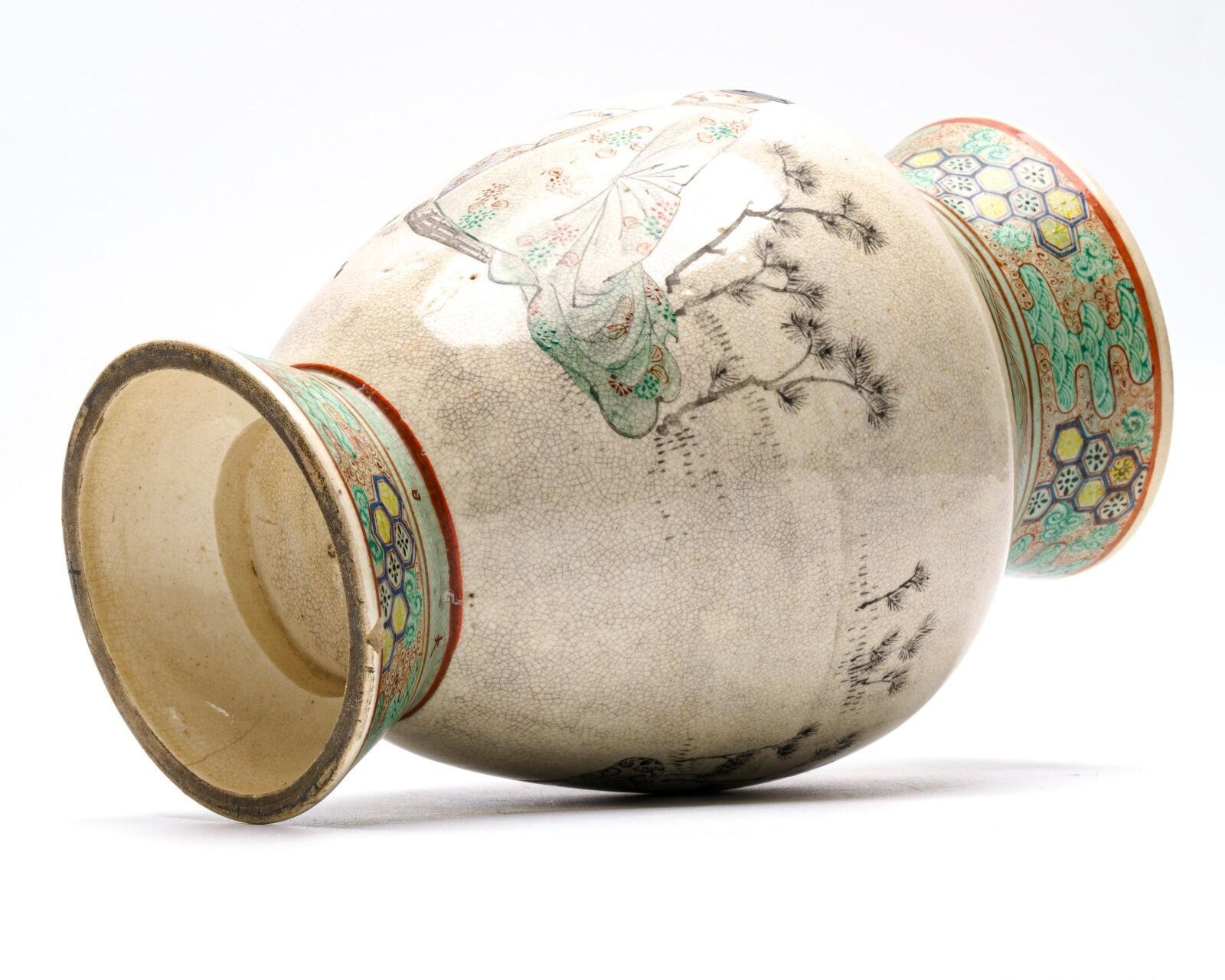
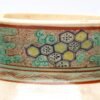
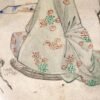
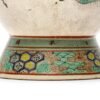
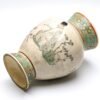
Decoration: Hand painted figures in landscape setting with geometric and cloud border designs
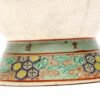
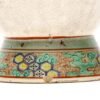
Marked: Kutani painted mark
Measurements:
Height: 9.2 in / 23.5 cm
Width: 6.5 in / 16.5 cm
Condition:
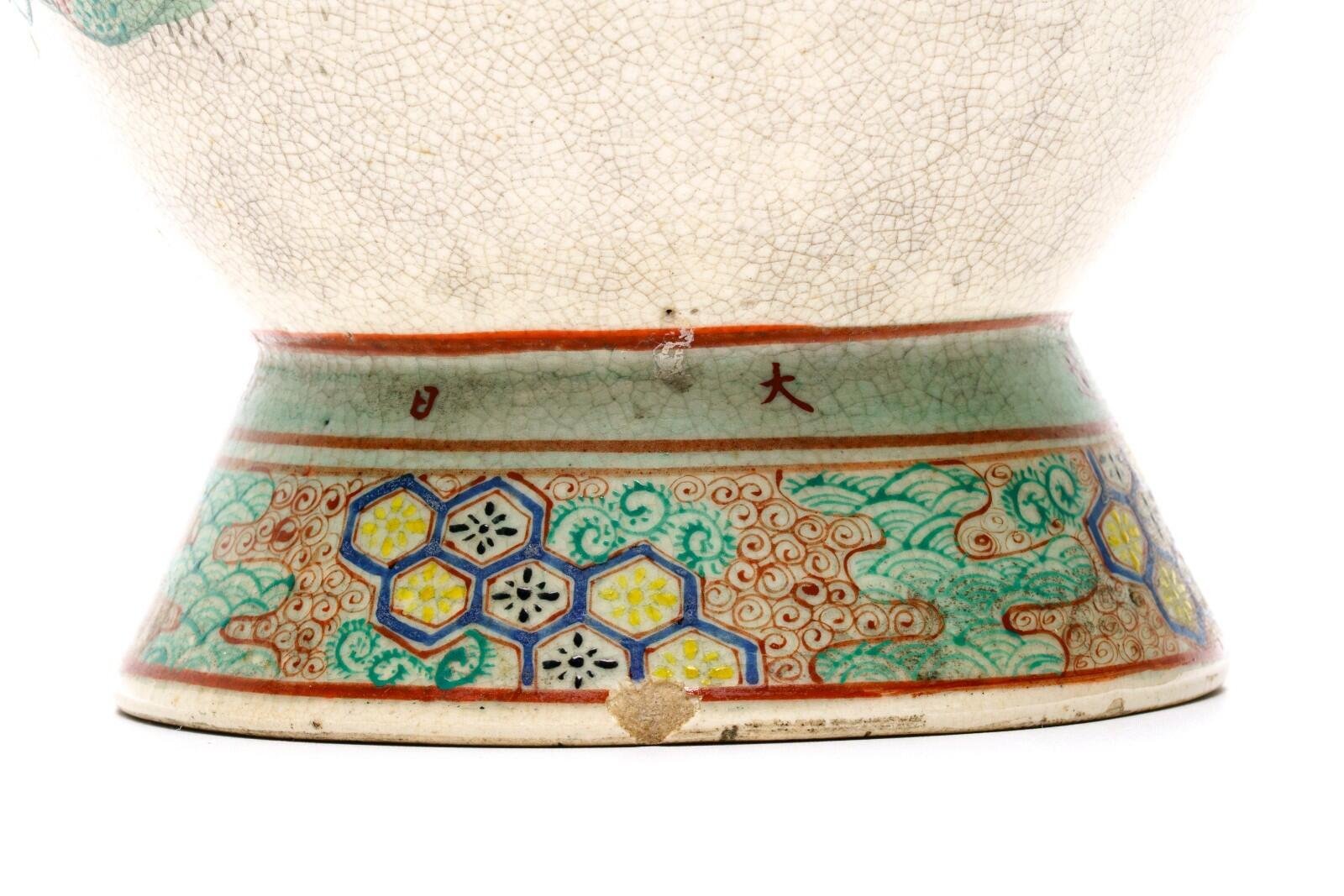
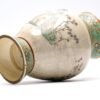
FAIR (3/5) - Rim chip with losses to the upper edge. Small glaze flakes and wear to the body with age-related crazing throughout. Please review the photos carefully for more details.
International Shipping
We ship worldwide using tracked and insured services. Prices are calculated at checkout. All items are securely packaged with care and experience.
Pricing
Prices reflect past sales and our assessment of each item’s rarity and condition. Contact us if you would like to discuss.
Research
All item details are based on our own research and evaluation. We welcome questions or feedback.
Authenticity
Every item is guaranteed to be as described, with provenance provided where available.
Refunds
We accept returns within 14 days of delivery. Please contact us first to arrange a return and refund.
DESCRIPTION
Antique Japanese porcelain vase decorated in the Satsuma manner with finely painted seated court figures in outdoor landscapes. The neck and foot feature colorful geometric hexagonal panels with scrolling cloud motifs in enamel colors. The body has an overall crackled glaze typical of Satsuma ware. Elegant baluster form with hand painted details throughout. A decorative Meiji period example with Kutani style character marks around the foot rim.
COLLECTOR’S NOTE
Japanese Satsuma style wares became highly sought after during the Meiji period for export and domestic collectors alike. Pieces combining figural decoration with finely painted borders reflect the influence of Kutani enamel traditions. Crackled glaze and detailed narrative scenes remain popular features among collectors of Japanese ceramics.
NOTES
Please review all photos carefully as they form part of the description.
Related products
-
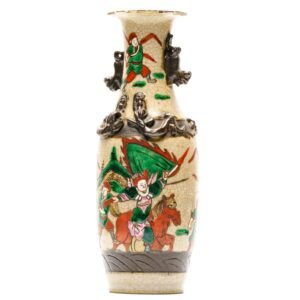
Chinese Vase Crackled Glazed Porcelain Famille Verte Warrior Foo Lion Qing 19C
£25.00 -

Chinese Porcelain Vase Ge Type Crackled Celadon Glaze Monochrome Late 20th C
£205.99 -
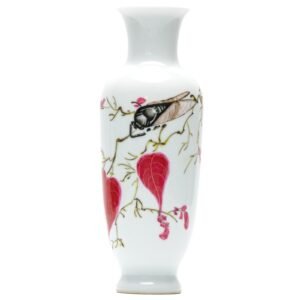
Chinese Porcelain Vase Republic Fencai Enamel Artist Inscription Marked 20th C
£150.00 -
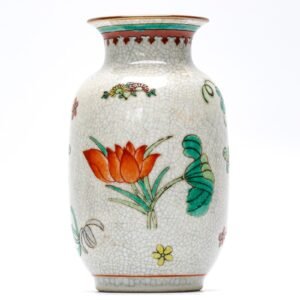
Chinese Porcelain Baluster Vase Crackled Glazed Famille Verte Red Mark Late 20C
£40.00