








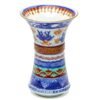
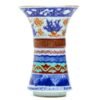


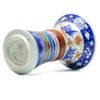

Japanese Arita Porcelain Imari Gilt Enamel Buddhist Vase Blue Meiji Era 19th C
£205.00
Inventory Code: INV5042
International Shipping
We ship worldwide using tracked and insured services. Prices are calculated at checkout. All items are securely packaged with care and experience.
Pricing
Prices reflect past sales and our assessment of each item’s rarity and condition. Contact us if you would like to discuss.
Research
All item details are based on our own research and evaluation. We welcome questions or feedback.
Authenticity
Every item is guaranteed to be as described, with provenance provided where available.
Refunds
We accept returns within 14 days of delivery. Please contact us first to arrange a return and refund.
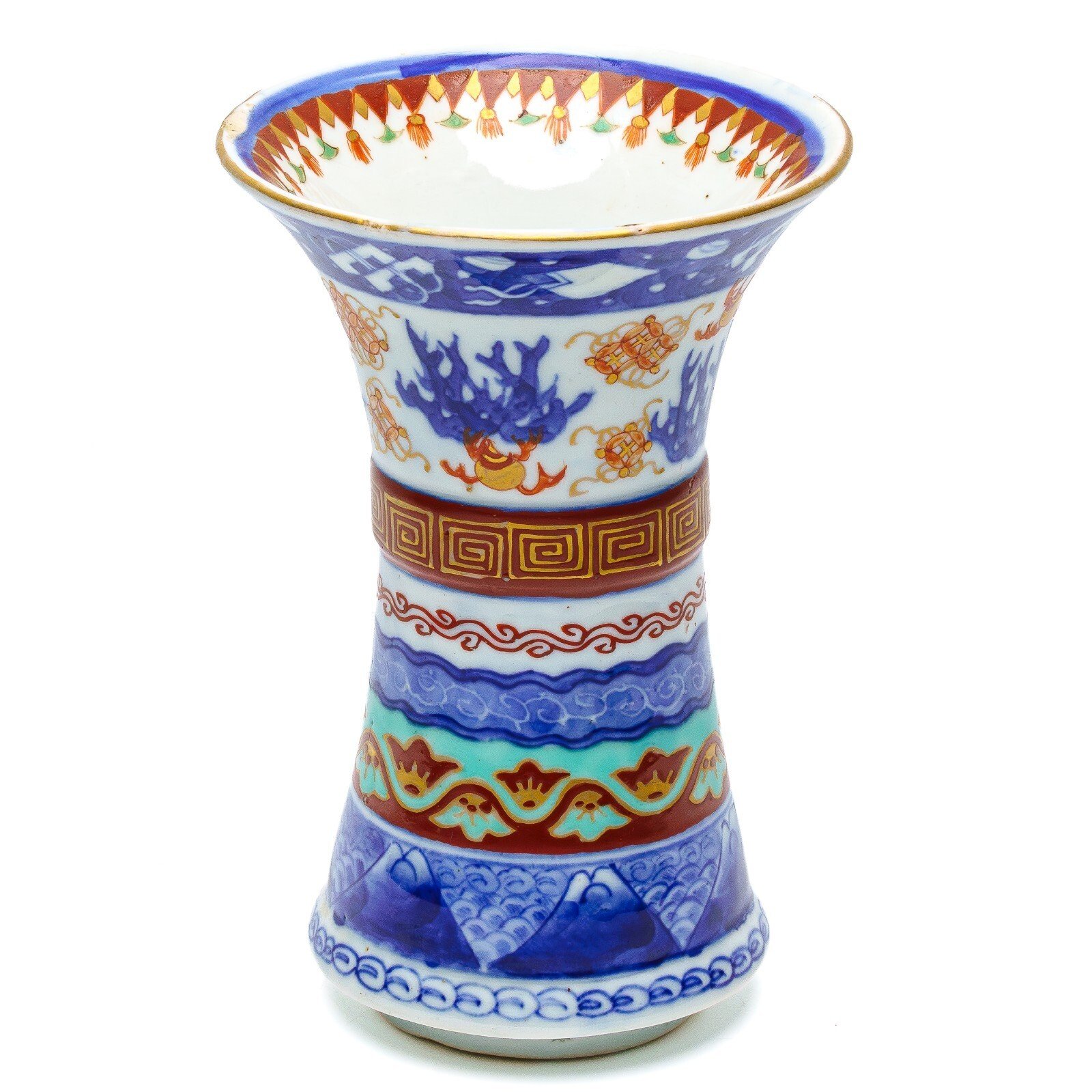
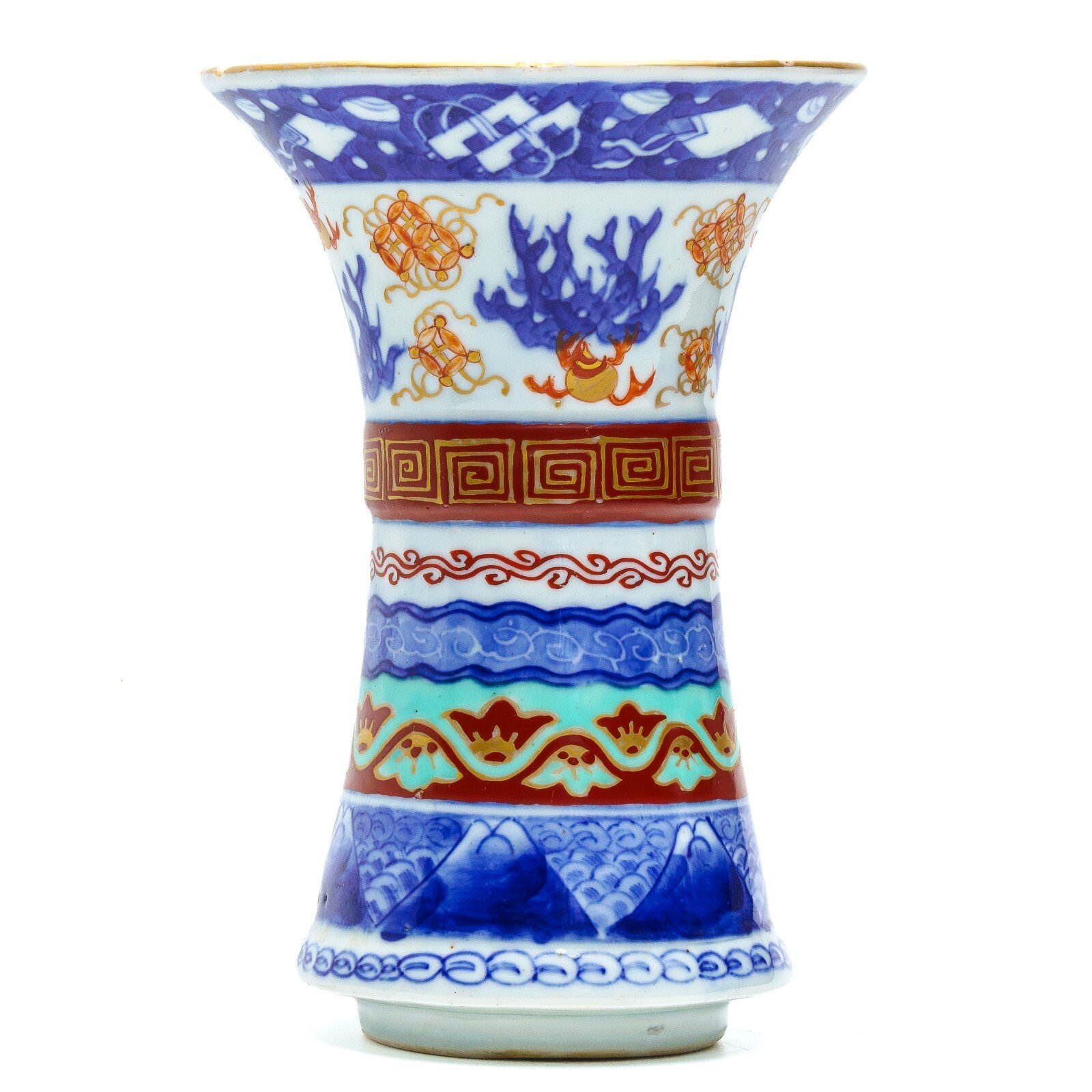
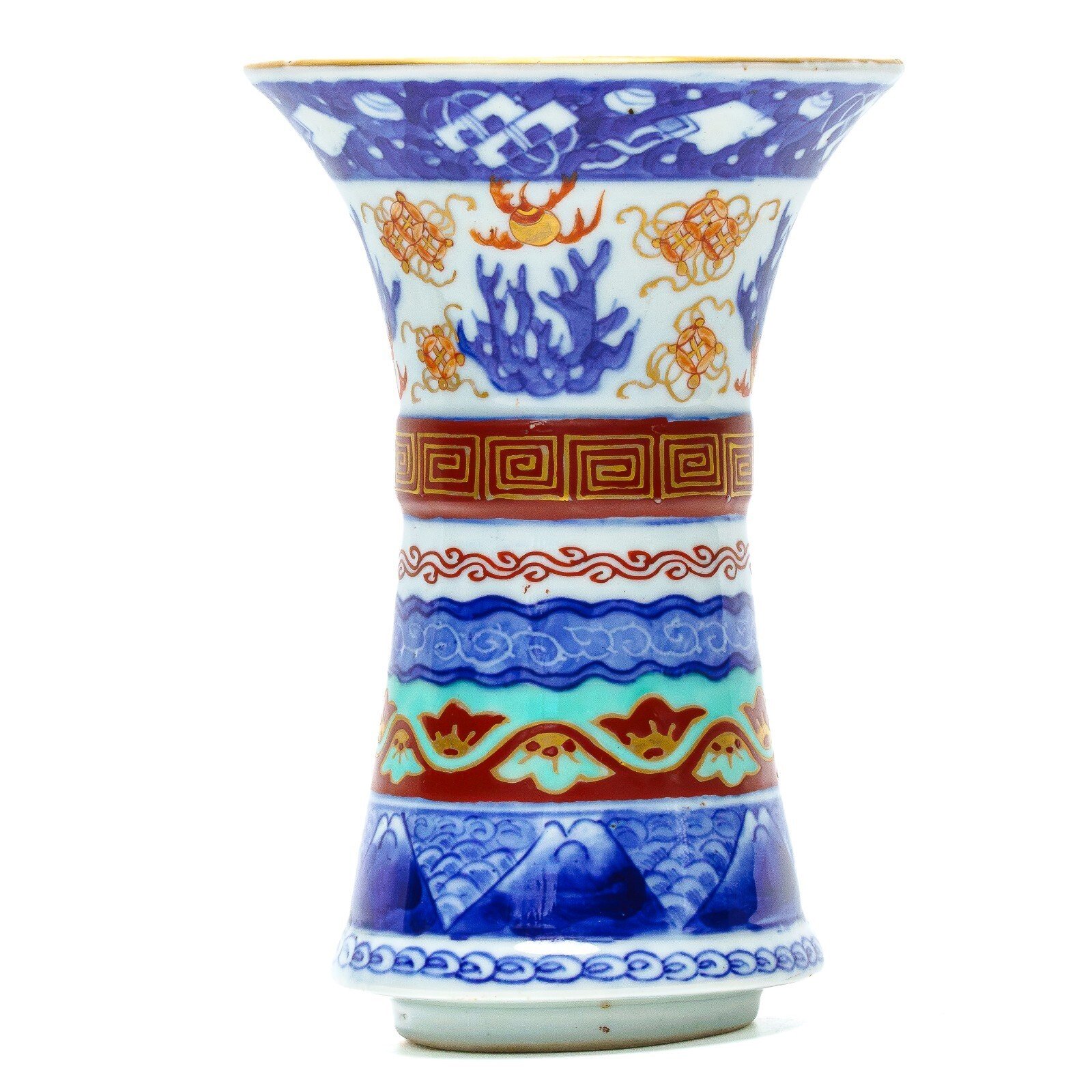
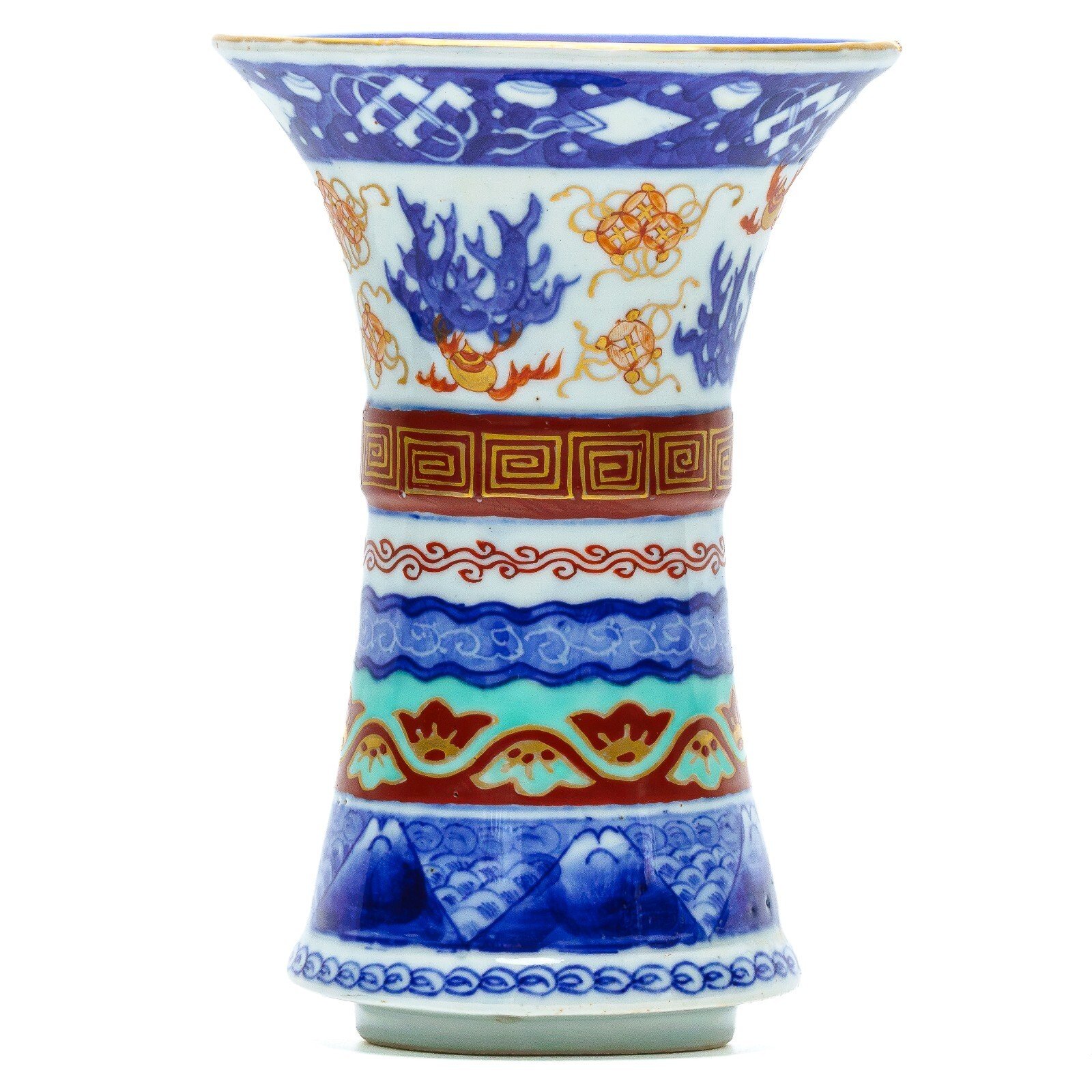
Japanese Arita Porcelain Imari Gilt Enamel Buddhist Vase Blue Meiji Era 19th C
ITEM DETAILS
Inventory Code: INV5042
Object: Vase
Material: Porcelain
Origin: Japan
Period: Meiji Era
Date: 19th century
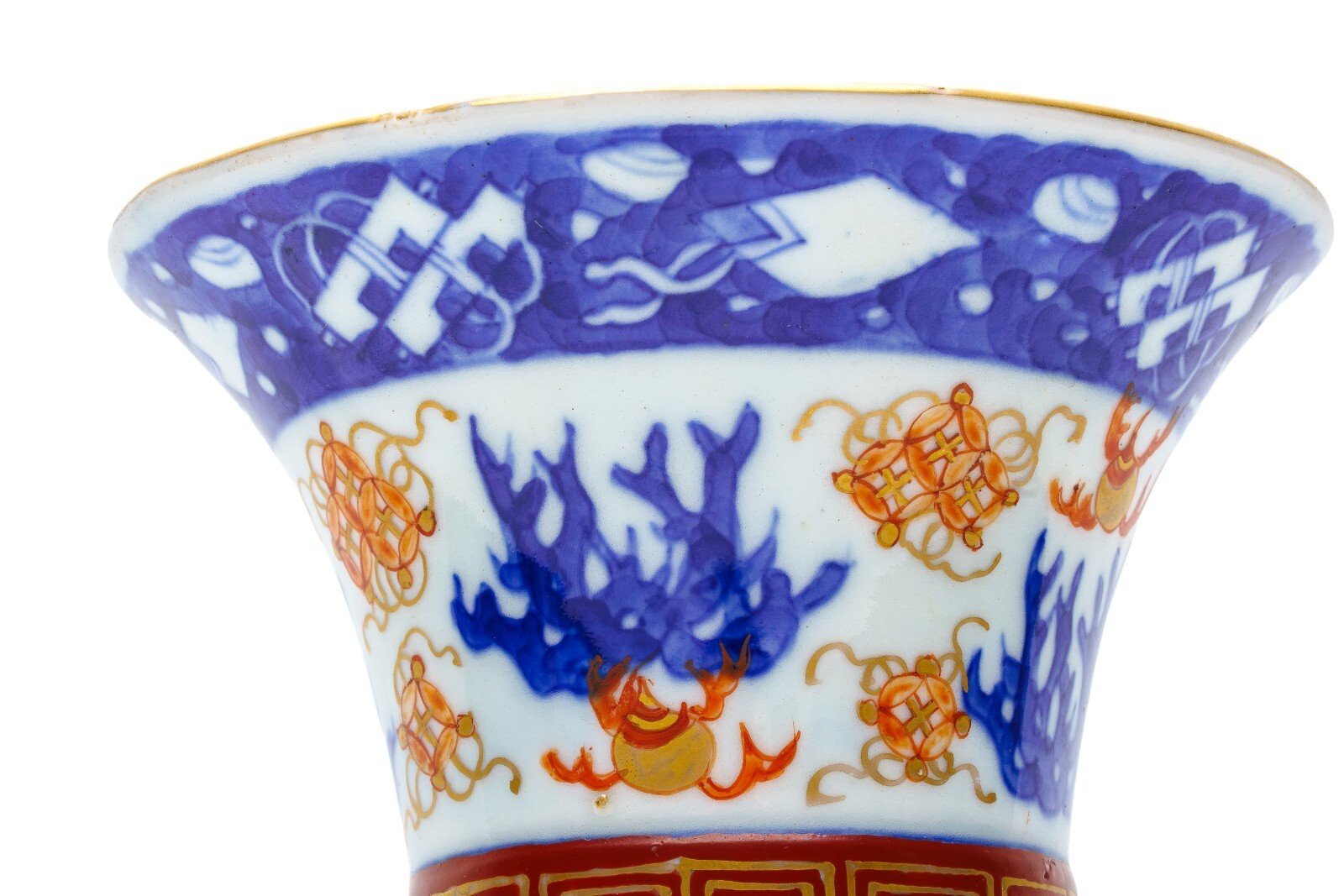
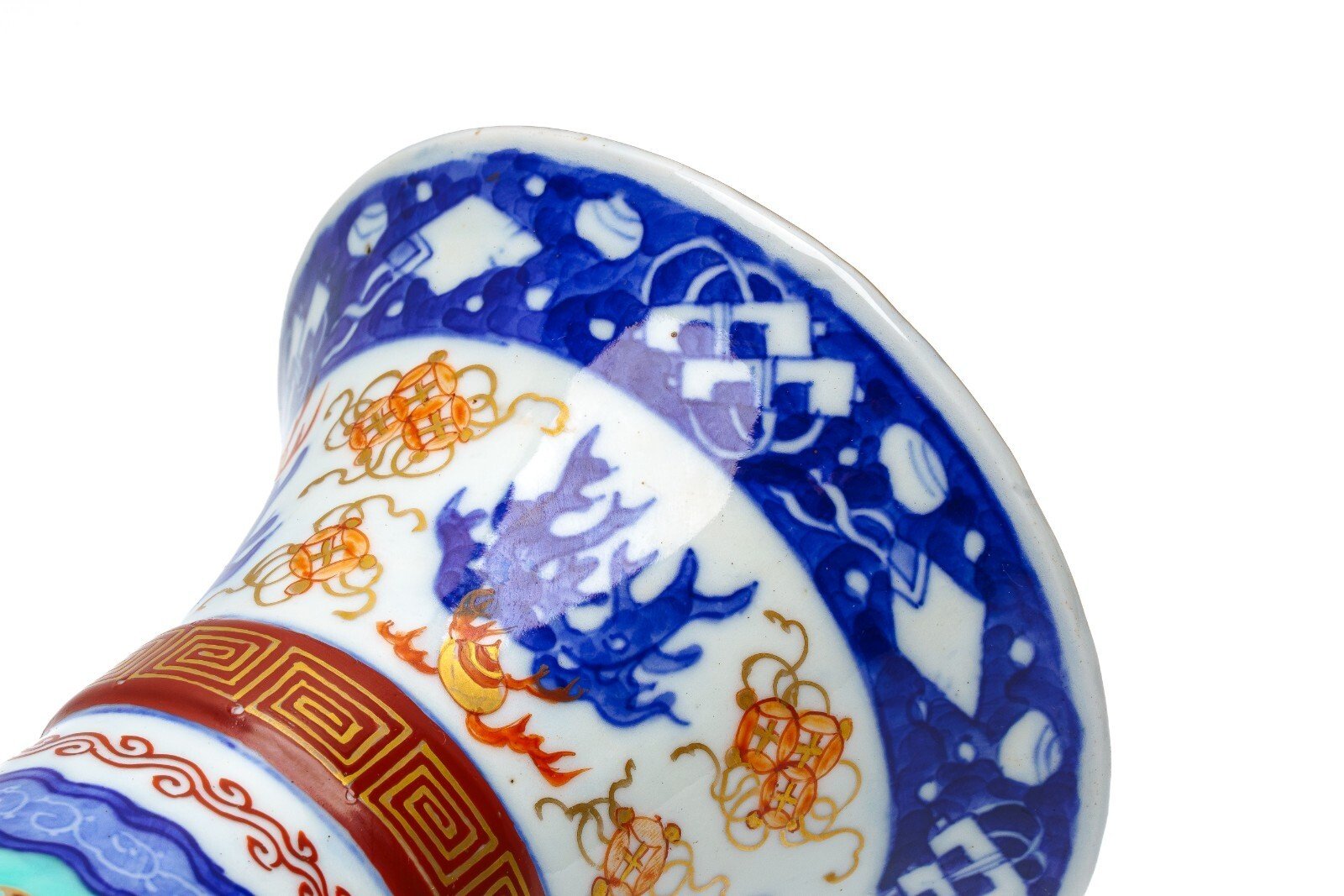
Decoration: Buddhist auspicious symbols, geometric bands, stylized waves and gilt enamel decoration
Mark: Unmarked
MEASUREMENTS
Height: 6.9 in / 17.5 cm
Width: 4.7 in / 12.0 cm
CONDITION
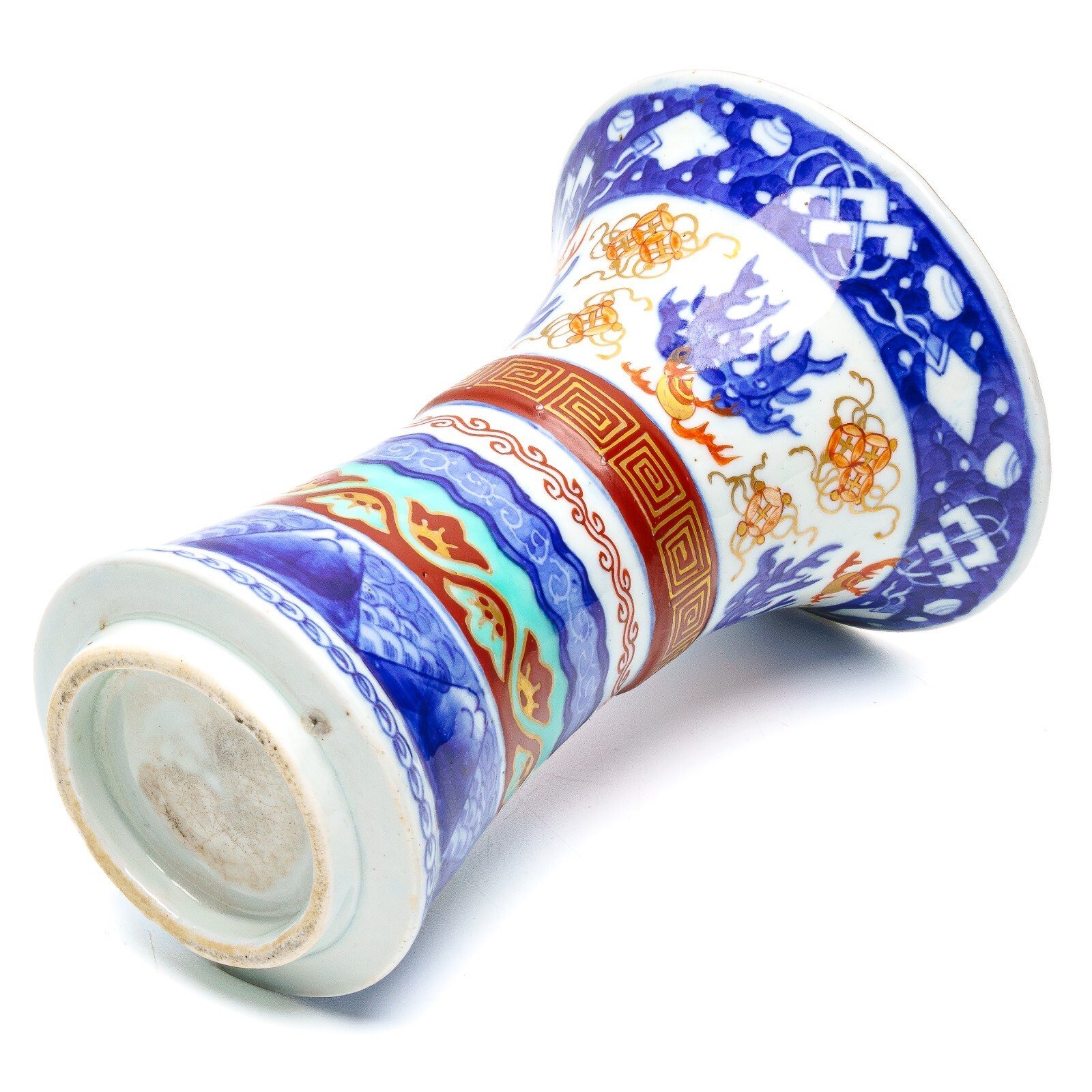
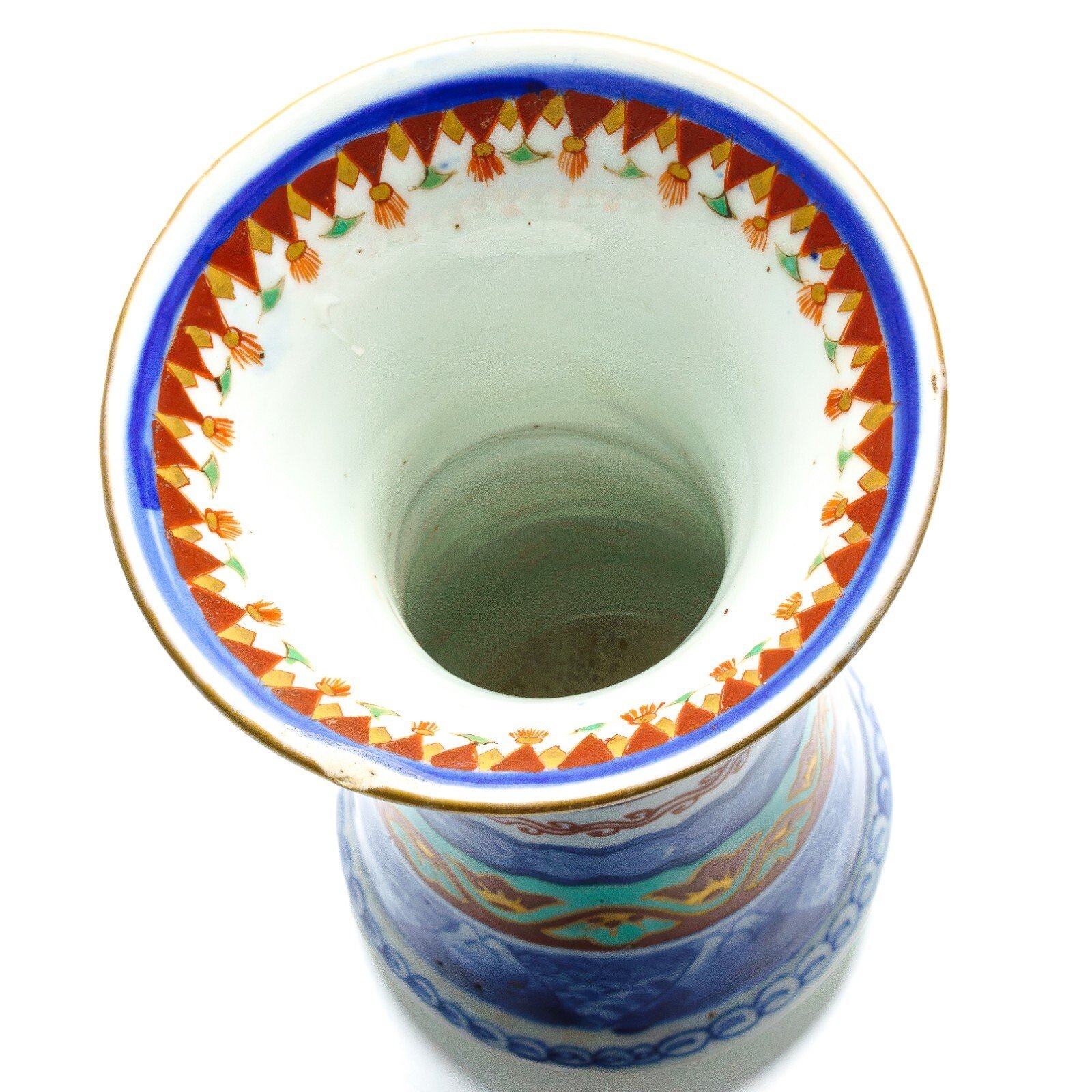
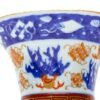
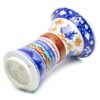
GOOD (4/5) – Wobbly base causing the vase to sit slightly unevenly, top rim shallow chip 2cm with minor glaze imperfections, gilt and enamel wear consistent with age. Please review the photos carefully for more details.
DESCRIPTION
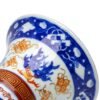
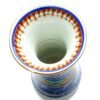
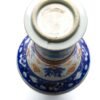
A Japanese Arita porcelain vase of flared trumpet form, richly decorated in underglaze cobalt blue with iron red, turquoise and gilt enamels. The upper section features Buddhist auspicious symbols and stylized motifs against a blue and white ground, while the body is arranged in multiple horizontal decorative bands incorporating geometric, wave and scrolling patterns. A gilt-edged flared rim and colorful interior border complete the elaborate design. The dense ornament and varied palette give the vase a distinctive late 19th century decorative character.
COLLECTOR’S NOTE
Meiji era Arita porcelain frequently combined traditional Japanese motifs with elaborate polychrome and gilt decoration intended for both domestic and export markets. Buddhist auspicious symbols and repeating geometric borders add cultural and decorative interest to this example.
NOTES
Please review all photos carefully as they form part of the description.
Related products
-

English Barware Corkscrew Horn Bird Honey Dipper Carved White Tool Lot Late 20C
£10.00 -

Chinese Porcelain Plate Blue White Landscape Qing Export Qianlong Period 18C
£40.00 -

Chinese Porcelain Saucer Qianlong Famille Rose Red Gilt Flower Scroll Qing 18C
£37.77 -

Chinese Porcelain Plate Export Famille Rose Gilt Flower Qianlong Qing Period 18C
£40.00