
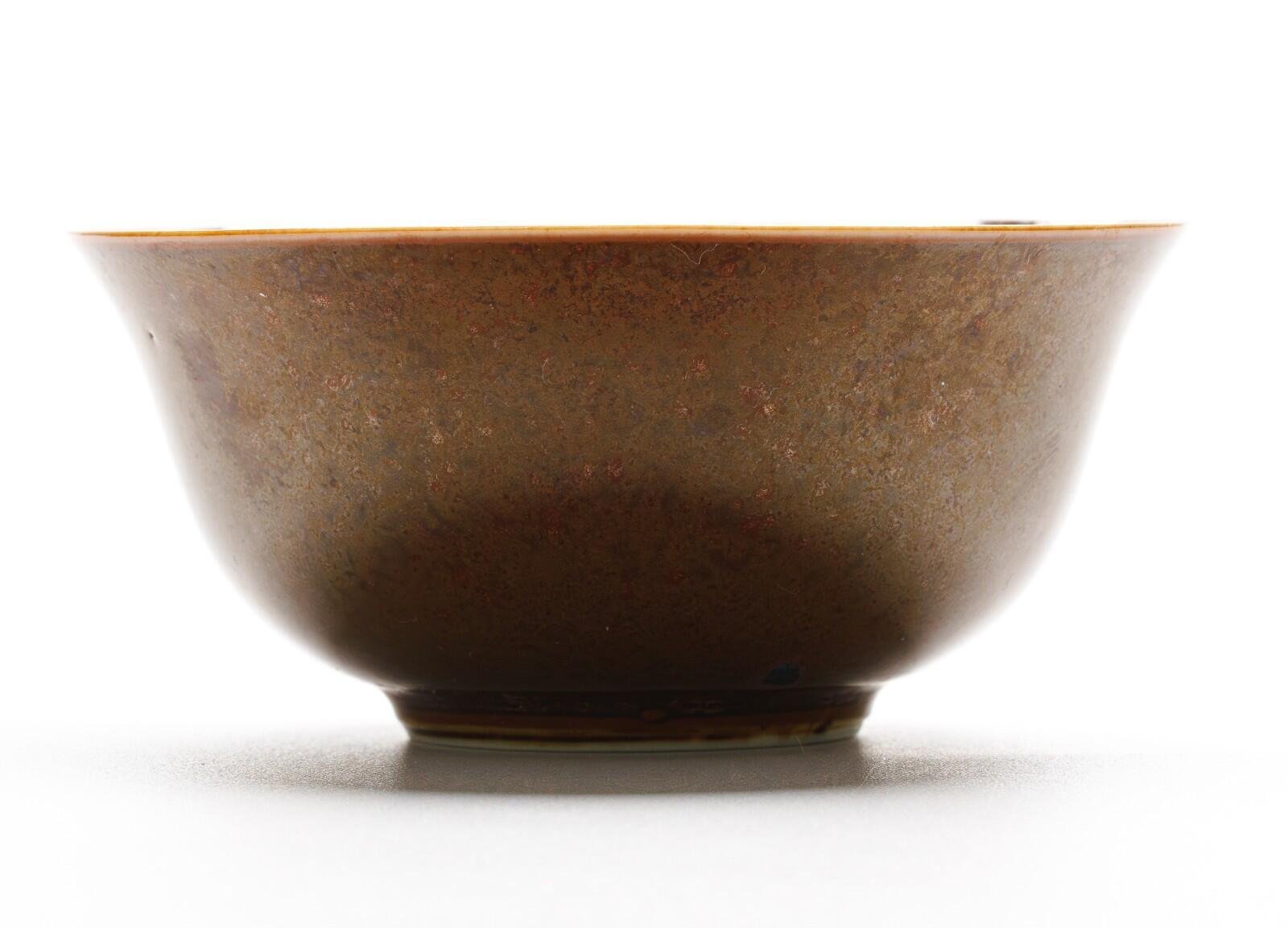
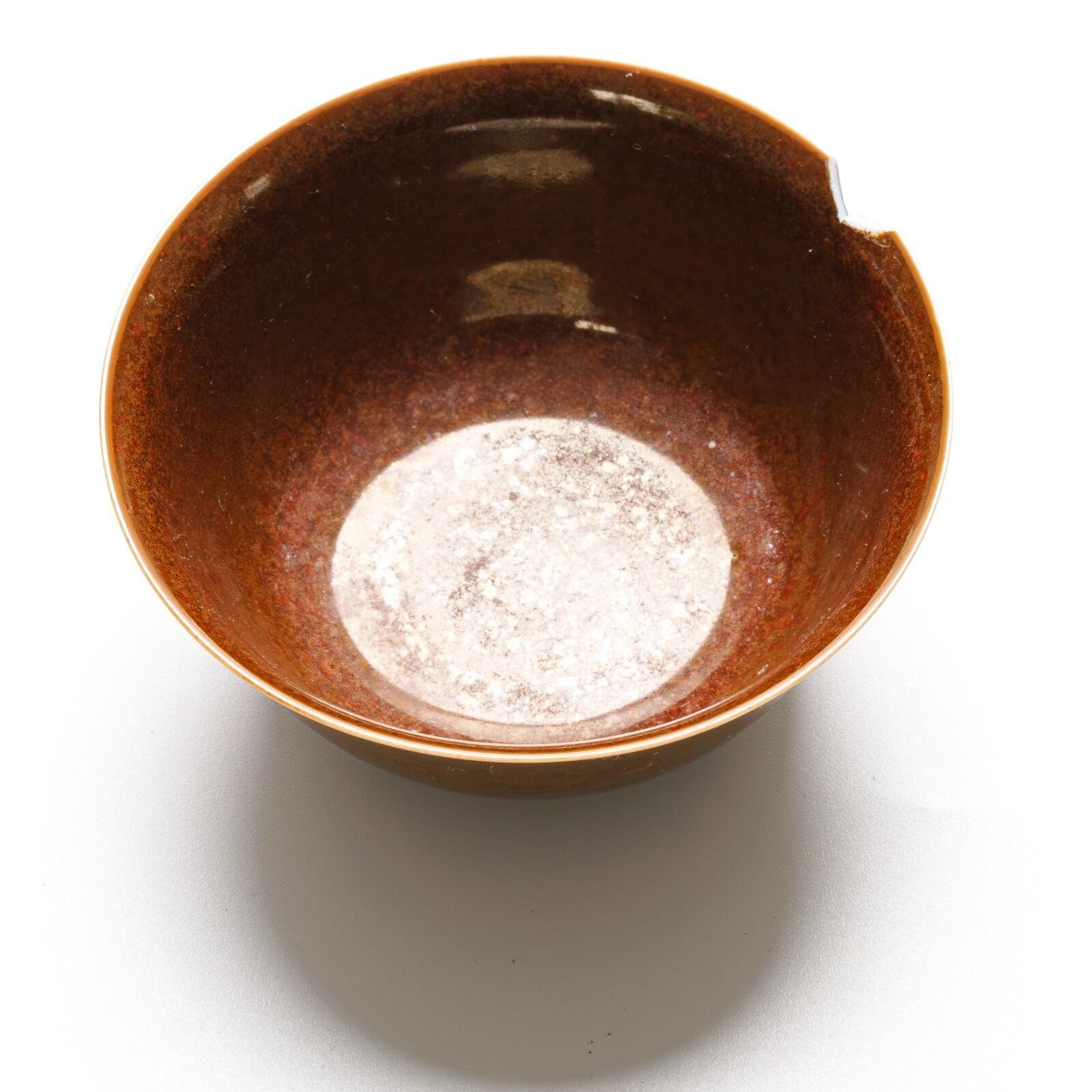
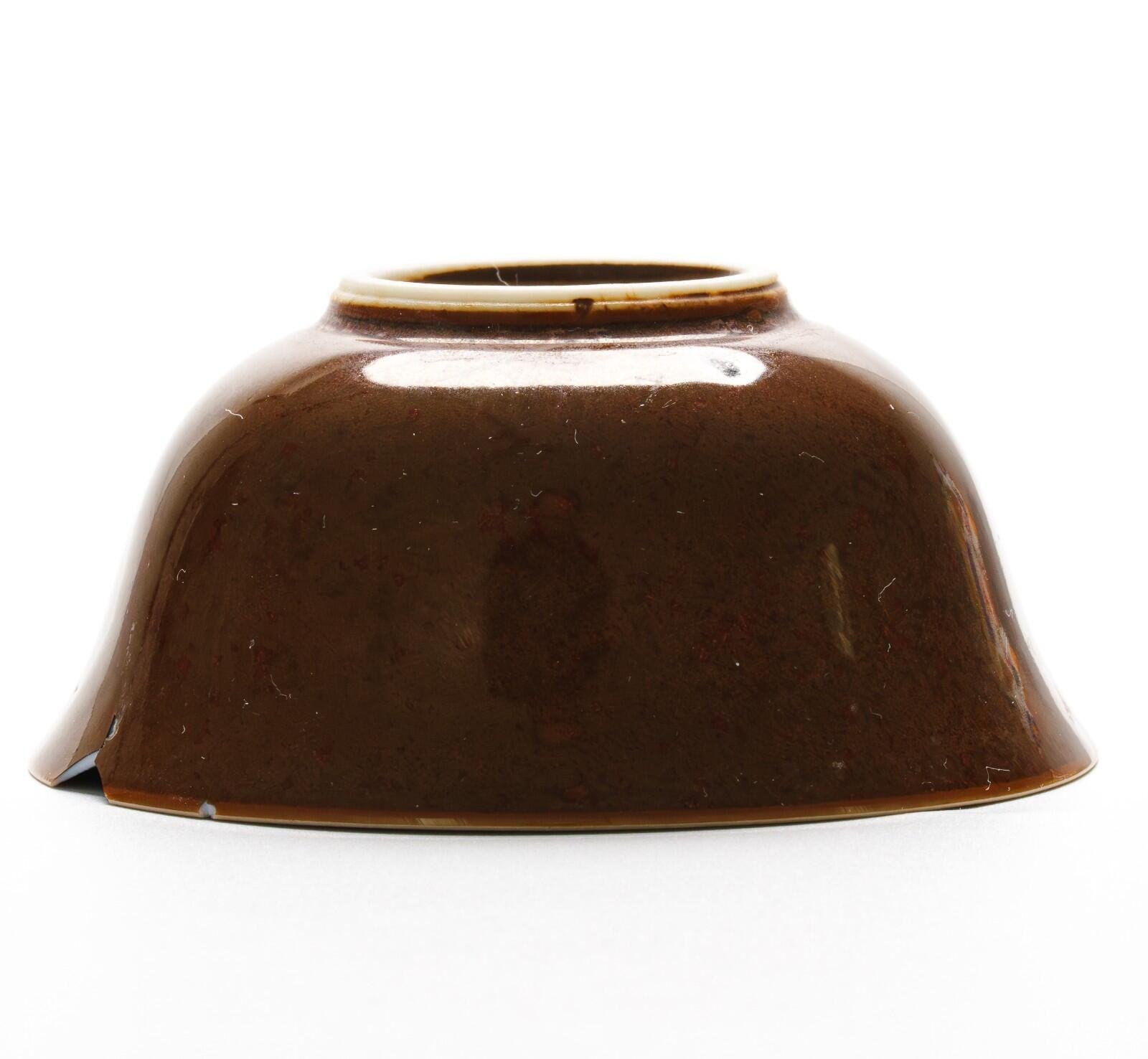

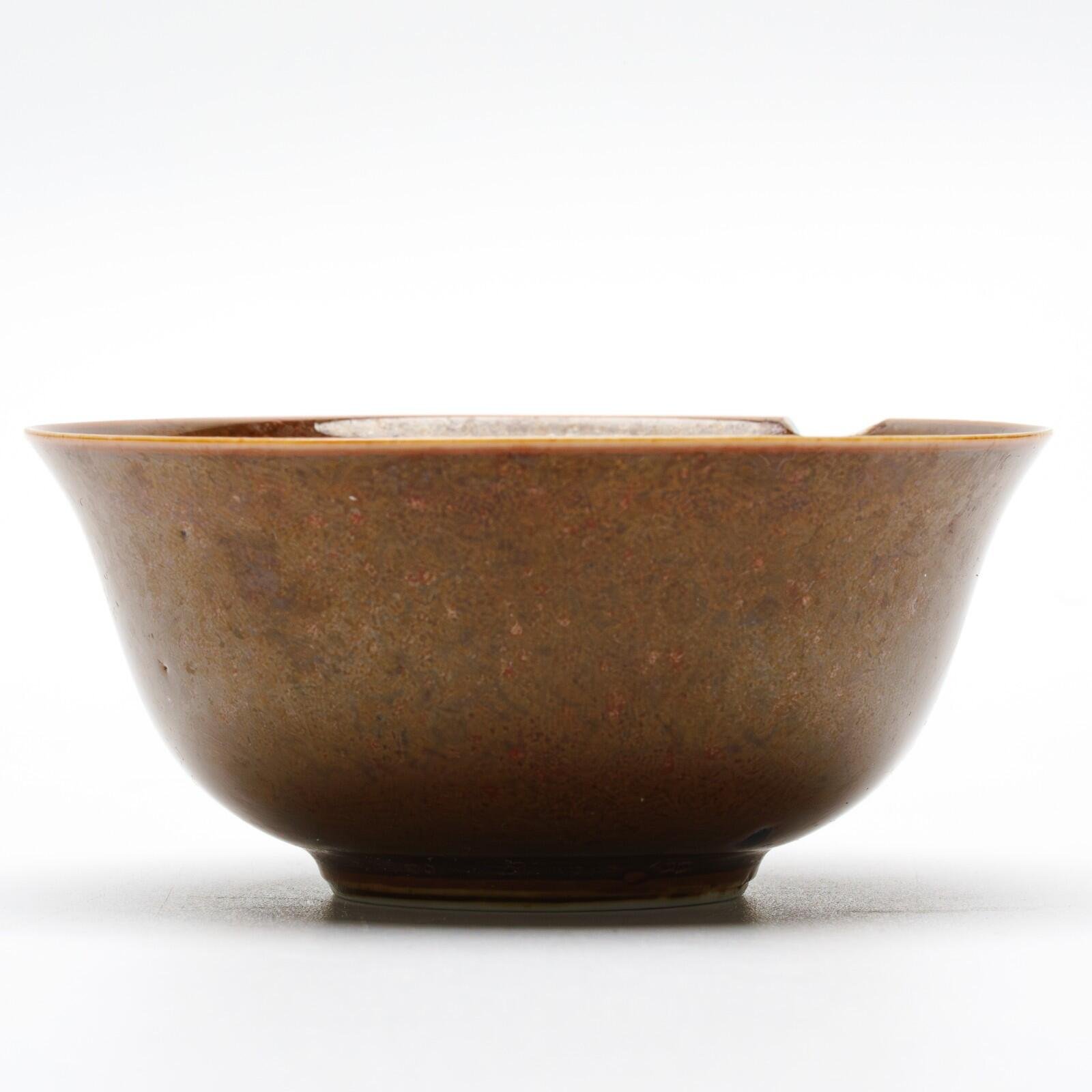
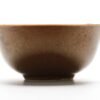
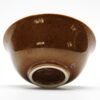
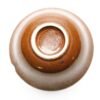


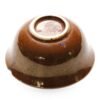
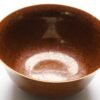

Chinese Porcelain Bowl Cafe au Lait Brown Glazed Monochrome Qing Period 19C
£90.00
Inventory Code: INV4542
International Shipping
We ship worldwide using tracked and insured services. Prices are calculated at checkout. All items are securely packaged with care and experience.
Pricing
Prices reflect past sales and our assessment of each item’s rarity and condition. Contact us if you would like to discuss.
Research
All item details are based on our own research and evaluation. We welcome questions or feedback.
Authenticity
Every item is guaranteed to be as described, with provenance provided where available.
Refunds
We accept returns within 14 days of delivery. Please contact us first to arrange a return and refund.
Chinese Porcelain Bowl Cafe au Lait Brown Glazed Monochrome Qing Period 19C
ITEM DETAILS
Inventory Code: INV4542
Object: Bowl
Material: Porcelain
Origin: China
Period: Qing Period
Date: 19th Century
Decoration: Monochrome cafe au lait brown glaze
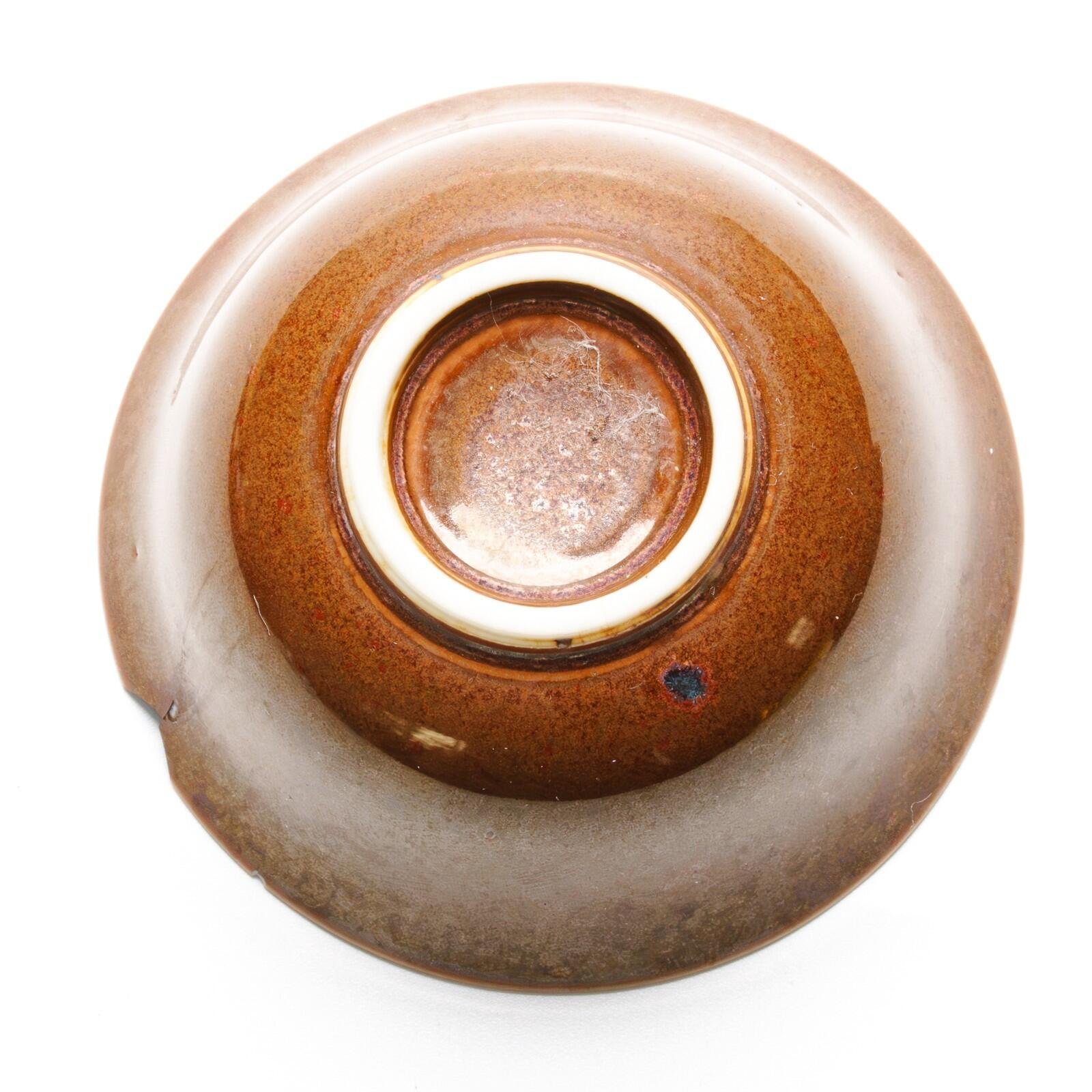
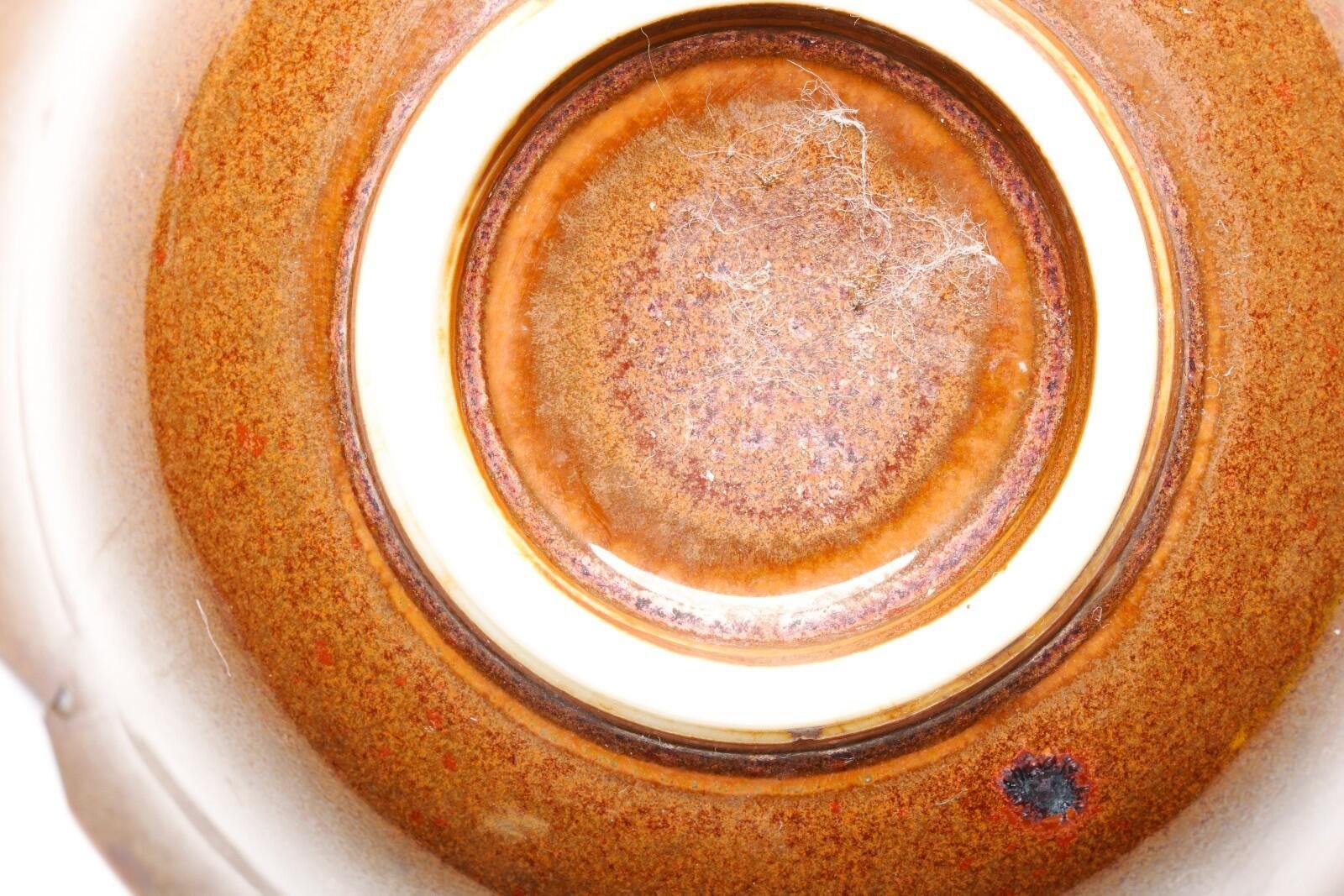
Mark: Unmarked
MEASUREMENTS
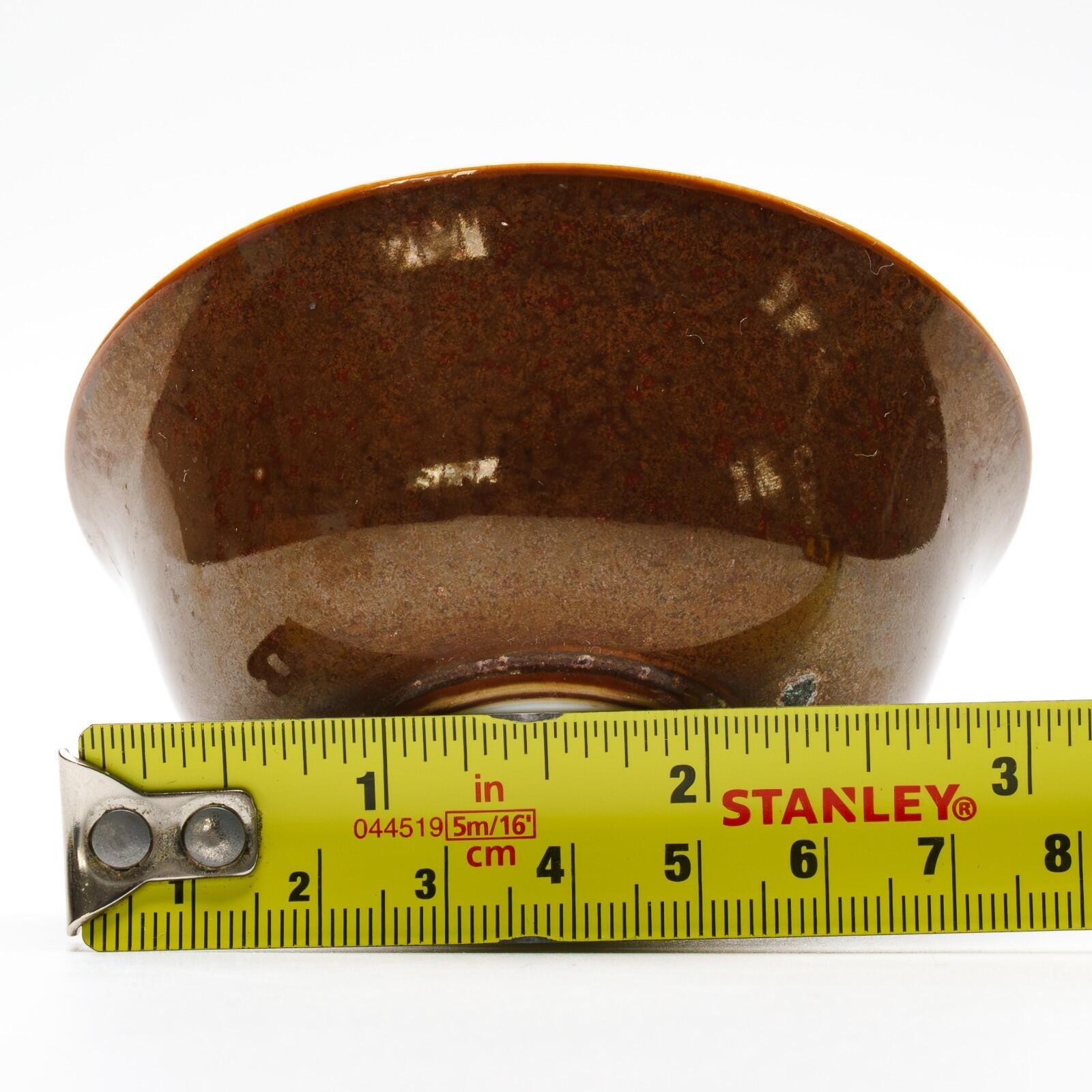
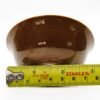
Diameter: 3.1 in / 8.0 cm
Height: 1.3 in / 3.5 cm
CONDITION
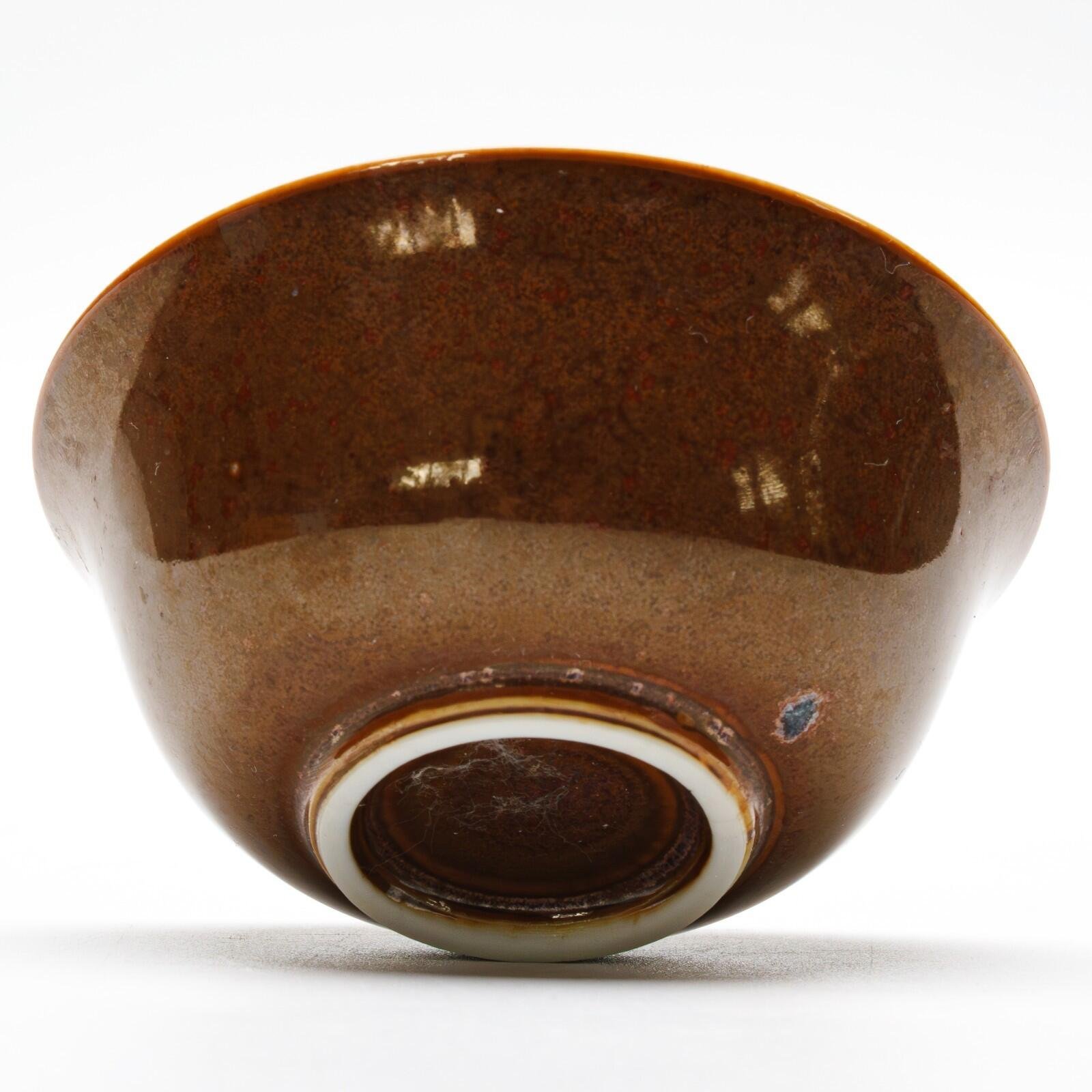
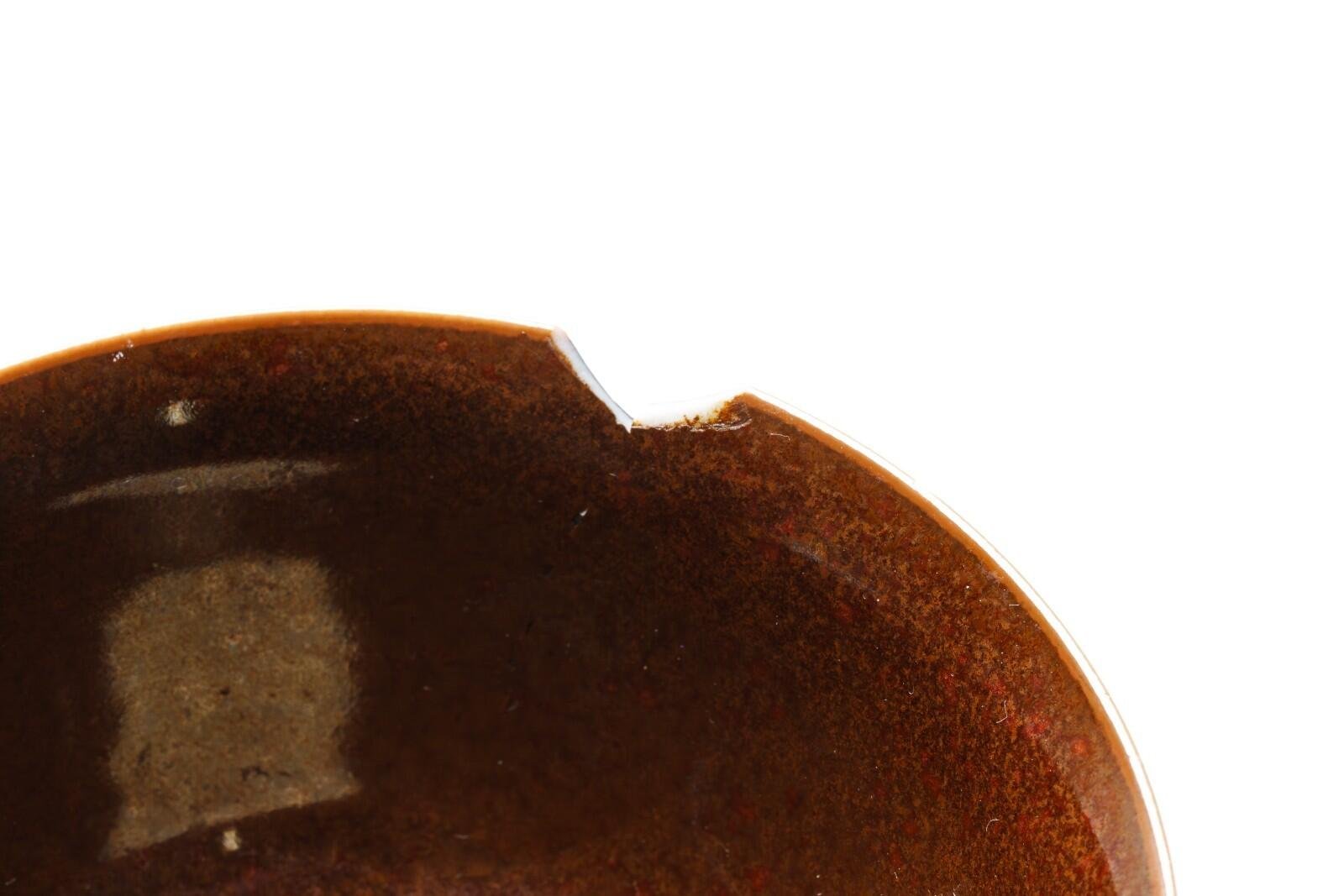
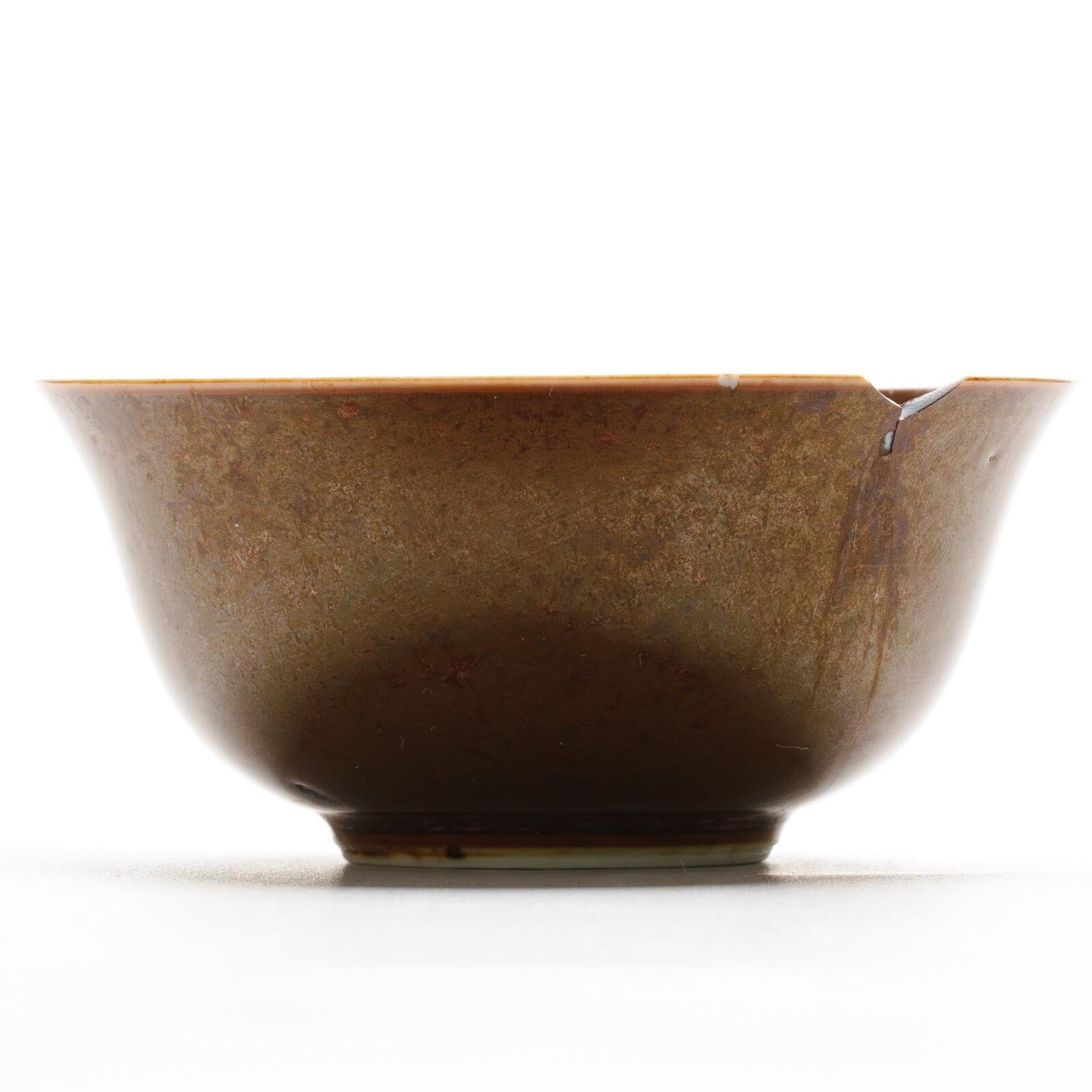
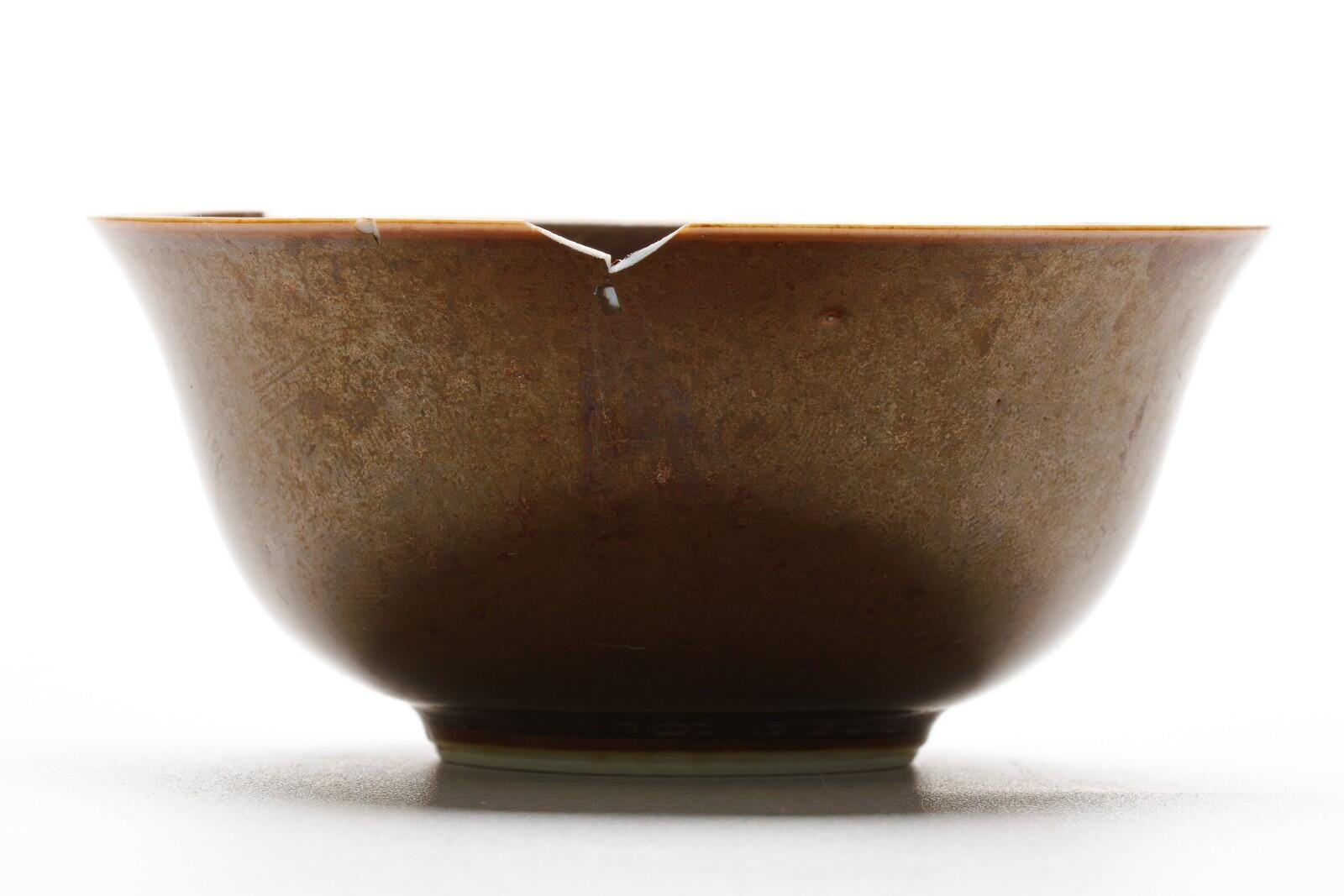
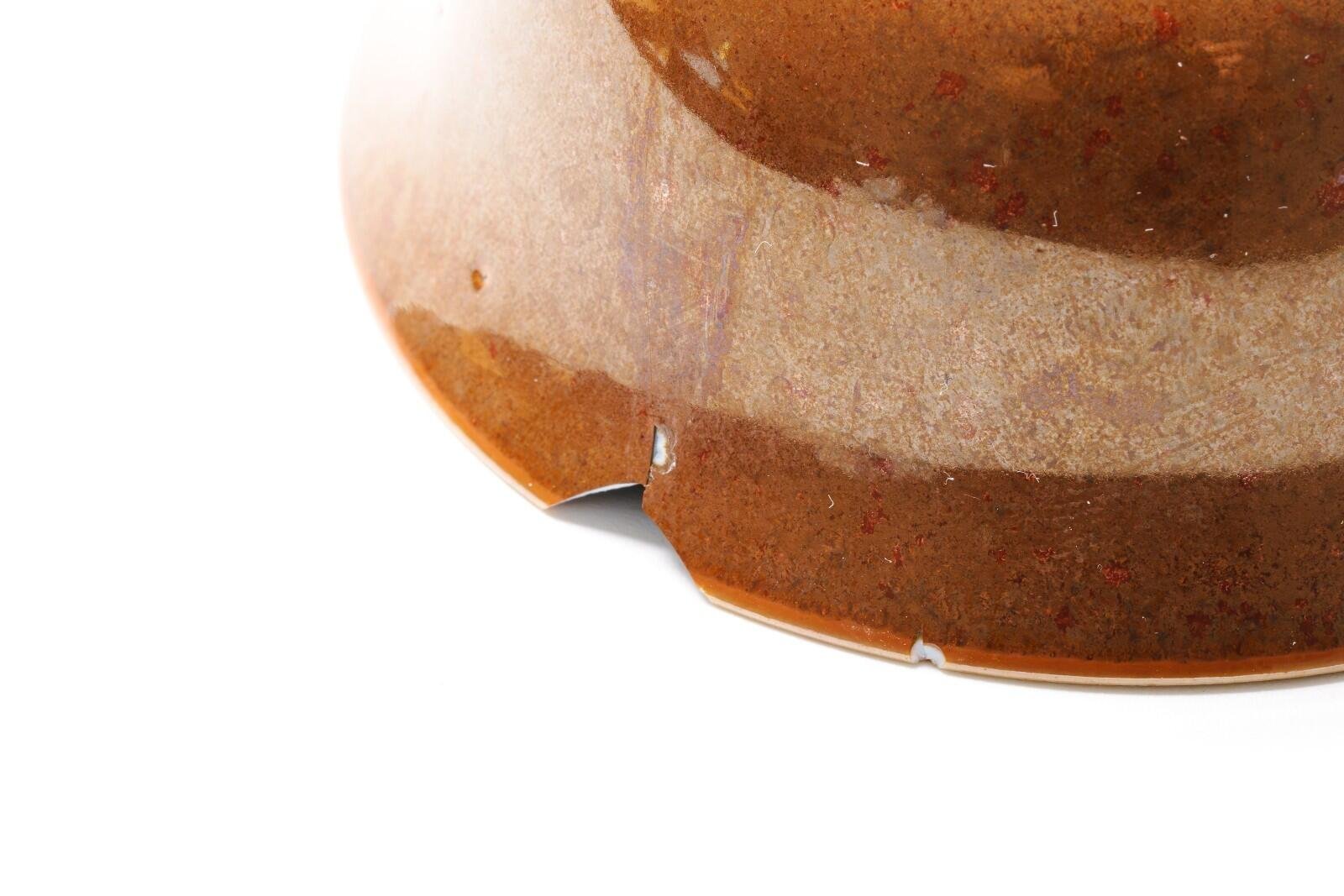
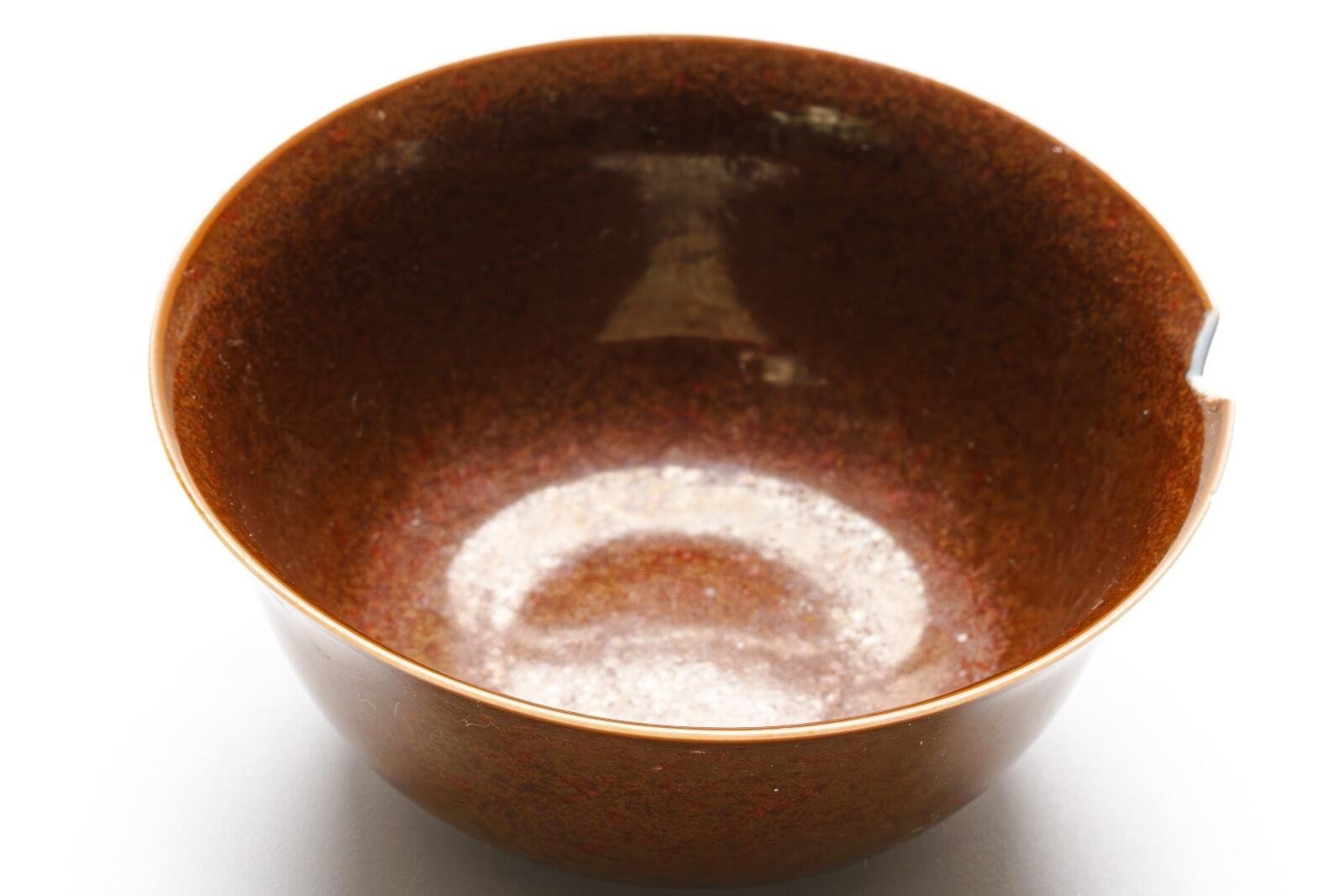
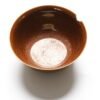
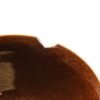
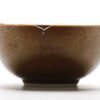
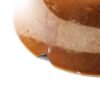
FAIR (3/5) – Rim chip and additional small frits to the rim. General surface wear and firing imperfections consistent with age. Please review the photos carefully for more details.
DESCRIPTION
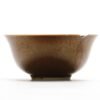
A Chinese porcelain bowl covered in a rich cafe au lait brown monochrome glaze. The glaze displays attractive tonal variation with subtle mottling and speckling across the surface.
The simple rounded form emphasizes the quality of the glaze, a decorative style highly appreciated in Qing dynasty monochrome wares. The interior and exterior are uniformly glazed, creating a warm and understated appearance.
An elegant example of Chinese monochrome porcelain with a pleasing surface and traditional footed form.
COLLECTOR’S NOTE
Monochrome porcelains occupied an important place in Chinese ceramic production, where the beauty of the glaze itself became the primary decorative element. Cafe au lait glazes were especially admired for their soft, warm tones and refined simplicity.
Such wares appealed to scholars and collectors who valued subtle craftsmanship and restrained aesthetic qualities over elaborate painted decoration.
NOTES
Please review all photos carefully as they form part of the description.
Related products
-
Chinese Export American Cup Saucer Sepia Shipyard Qianlong Blue Gilt Enamel 18C
£240.00 -
Vintage Silver Tone Drinks Coasters Floral Engraved Set with Ceramic Holder 20C
£15.00 -
Chinese Ex Collectis Erik Hancock Porcelain Saucer Blue White Peony Qianlong 18C
£120.00 -

Chinese Porcelain Bowl Dish Famille Rose Butterfly Turquoise Tongzhi Mark 19C
£526.00