🌊 BLUE & WHITE DECORATION
Blue & White Porcelain — How to Read It
Beginner view:
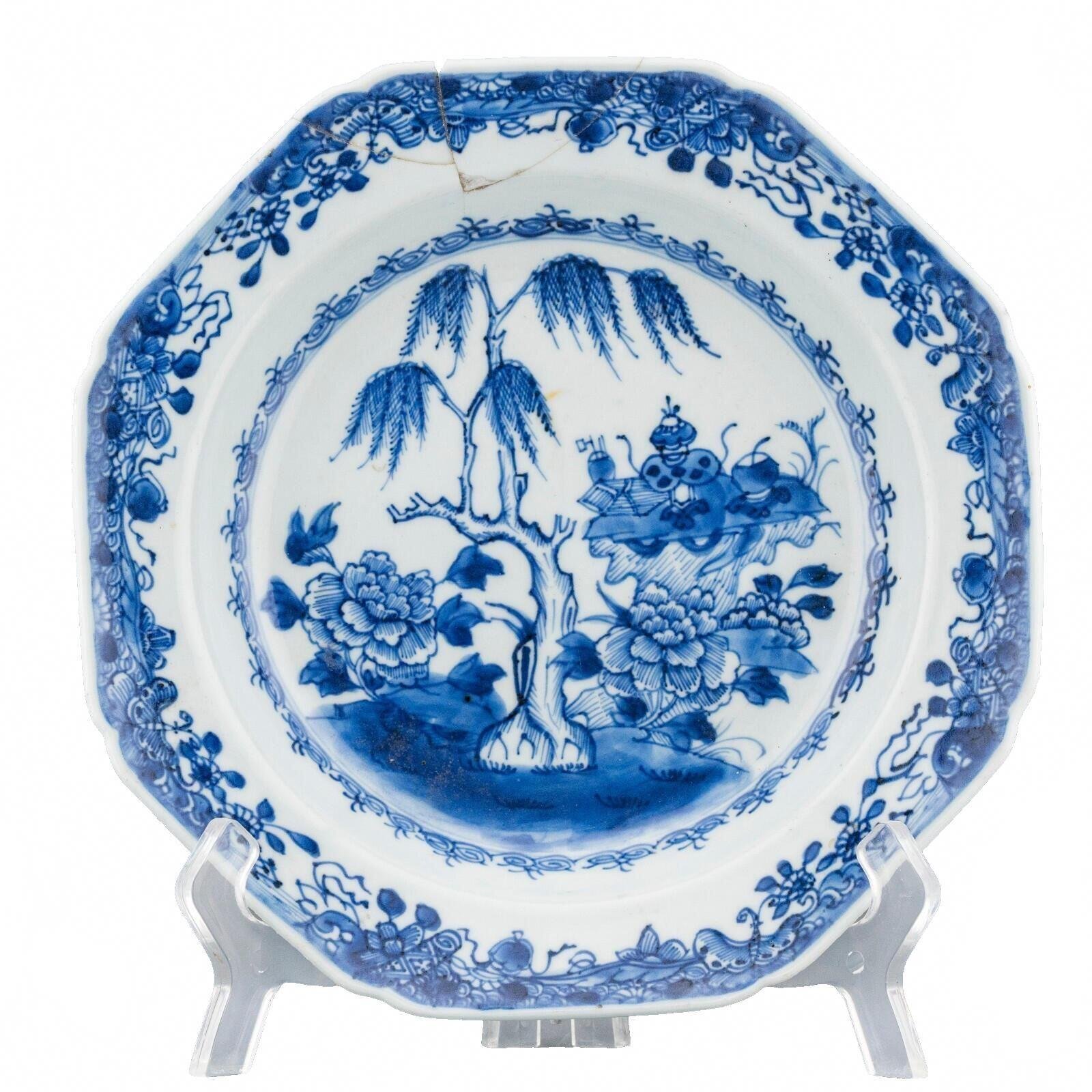
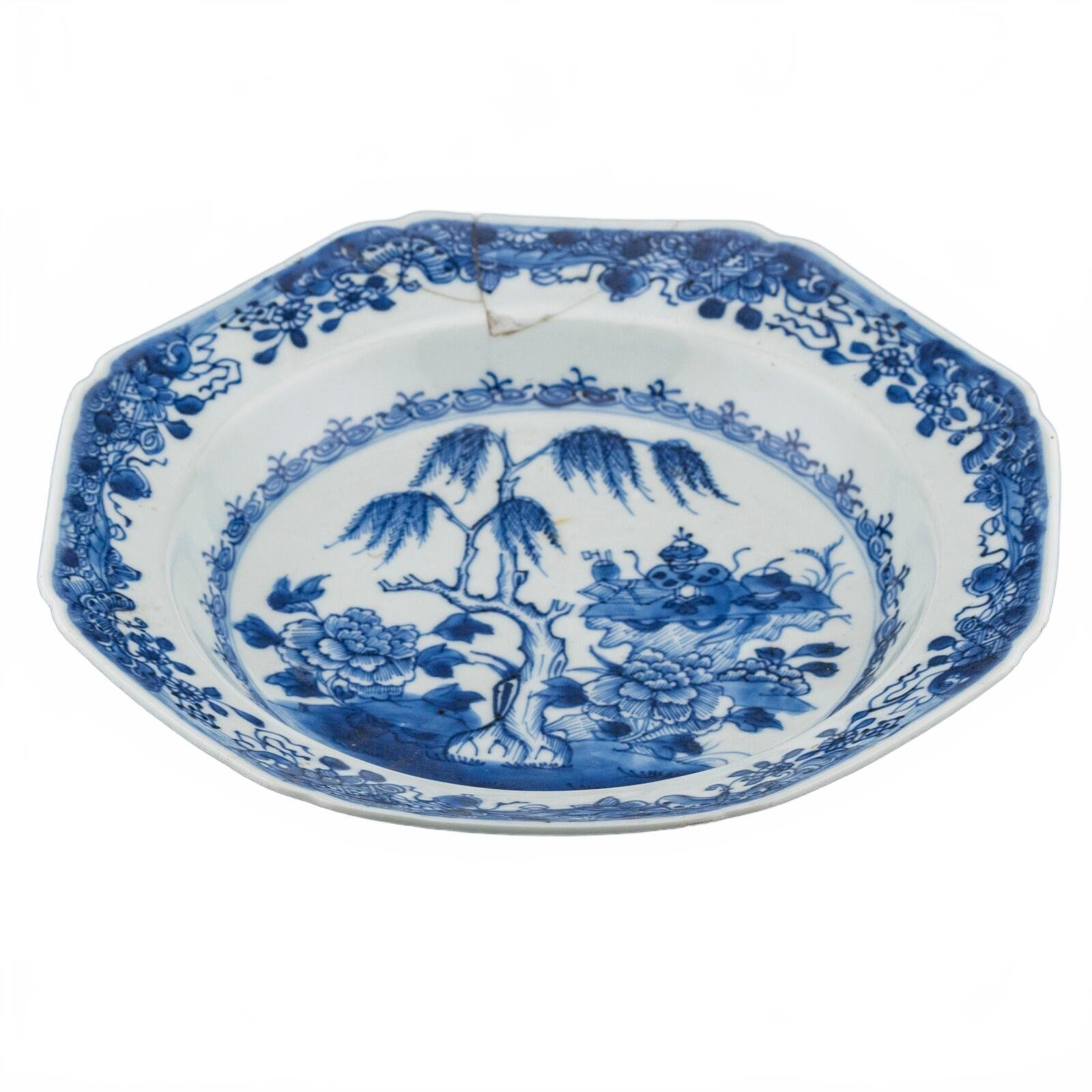
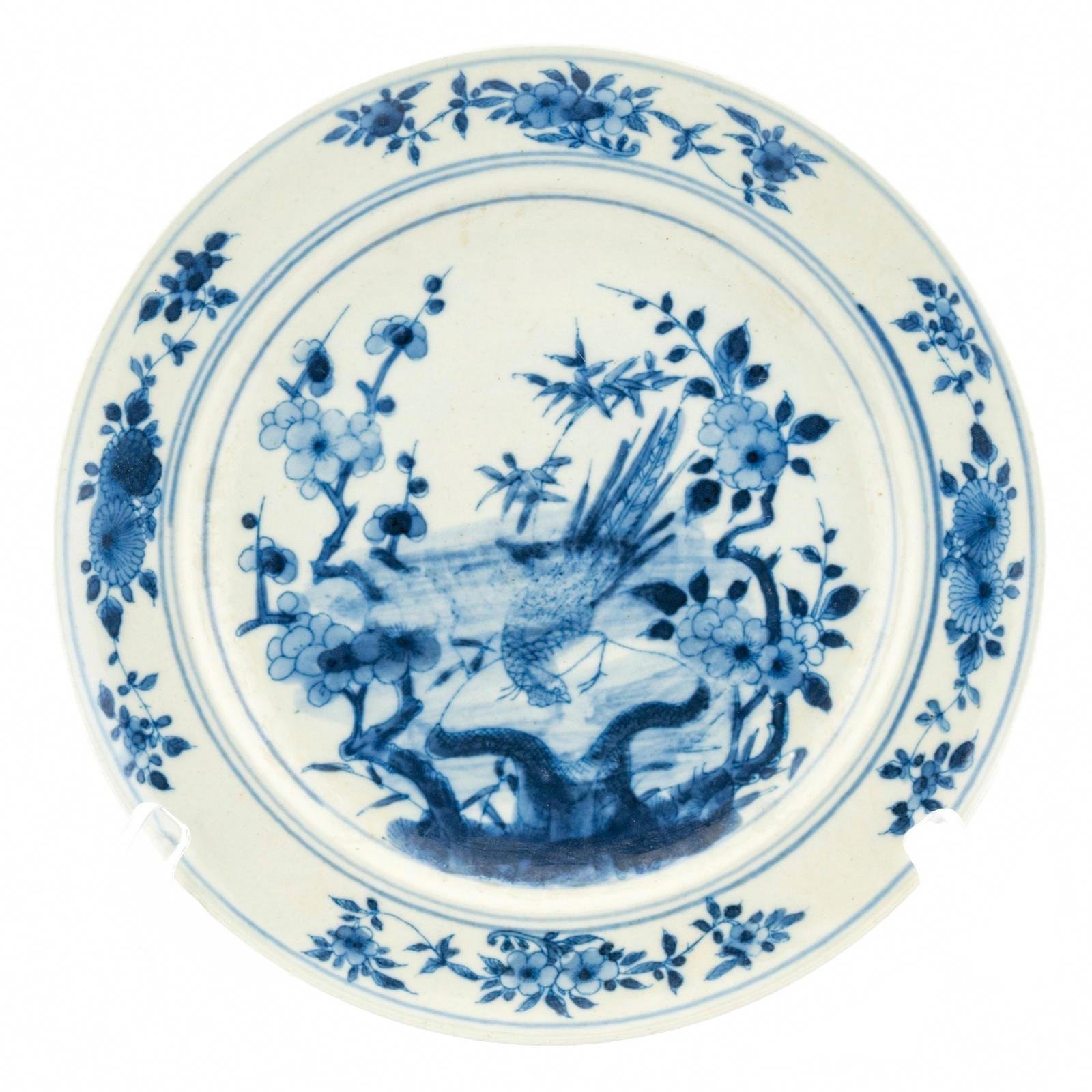
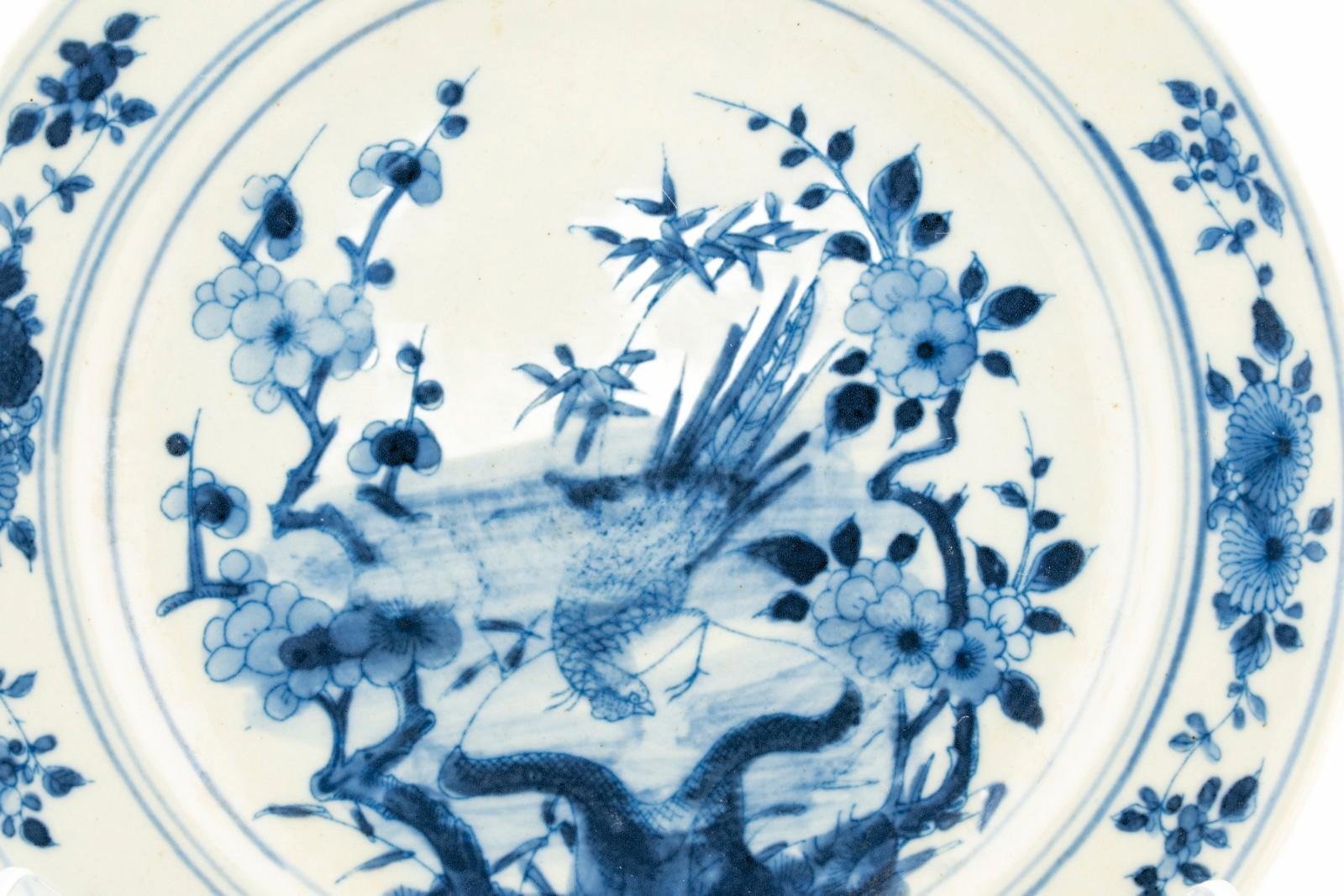
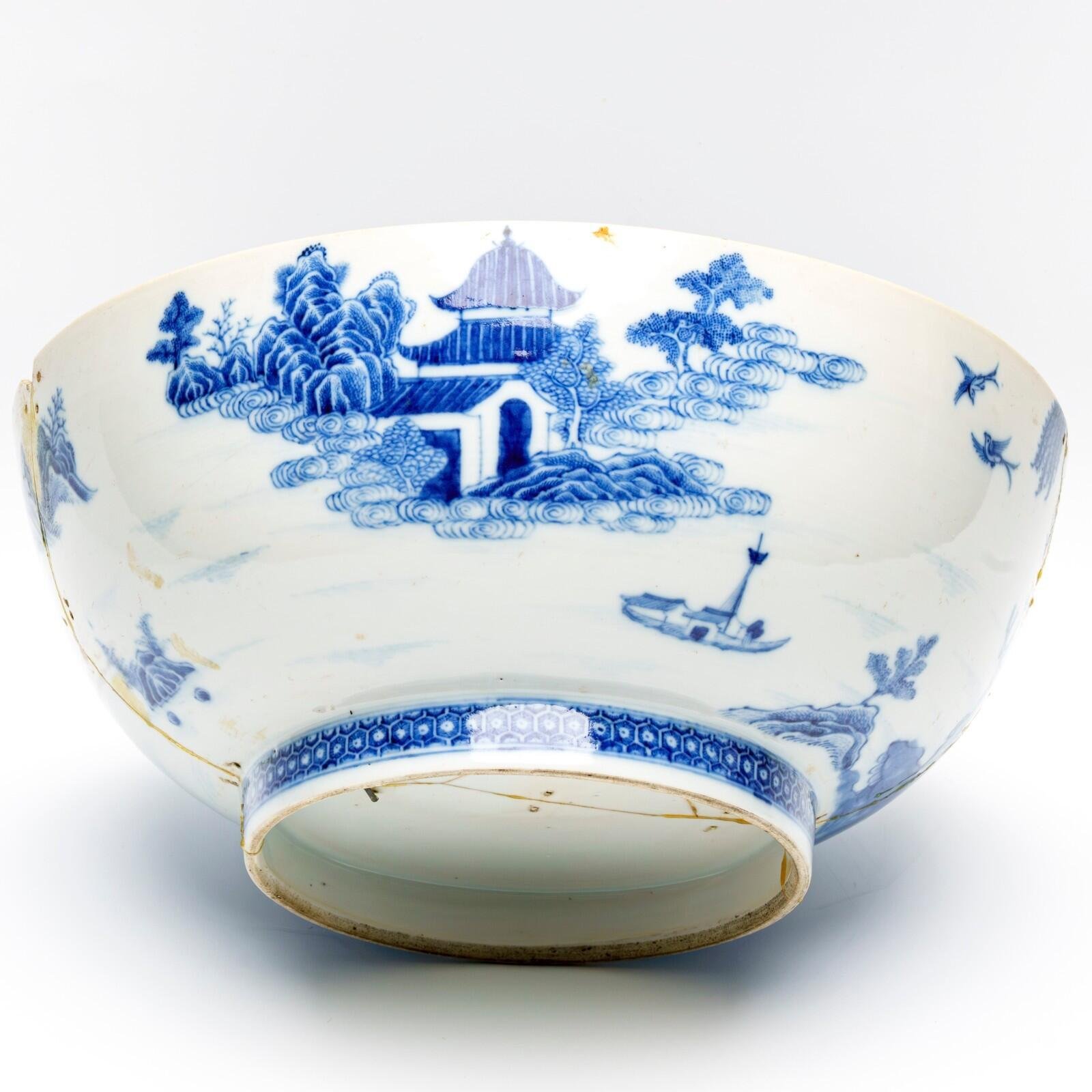
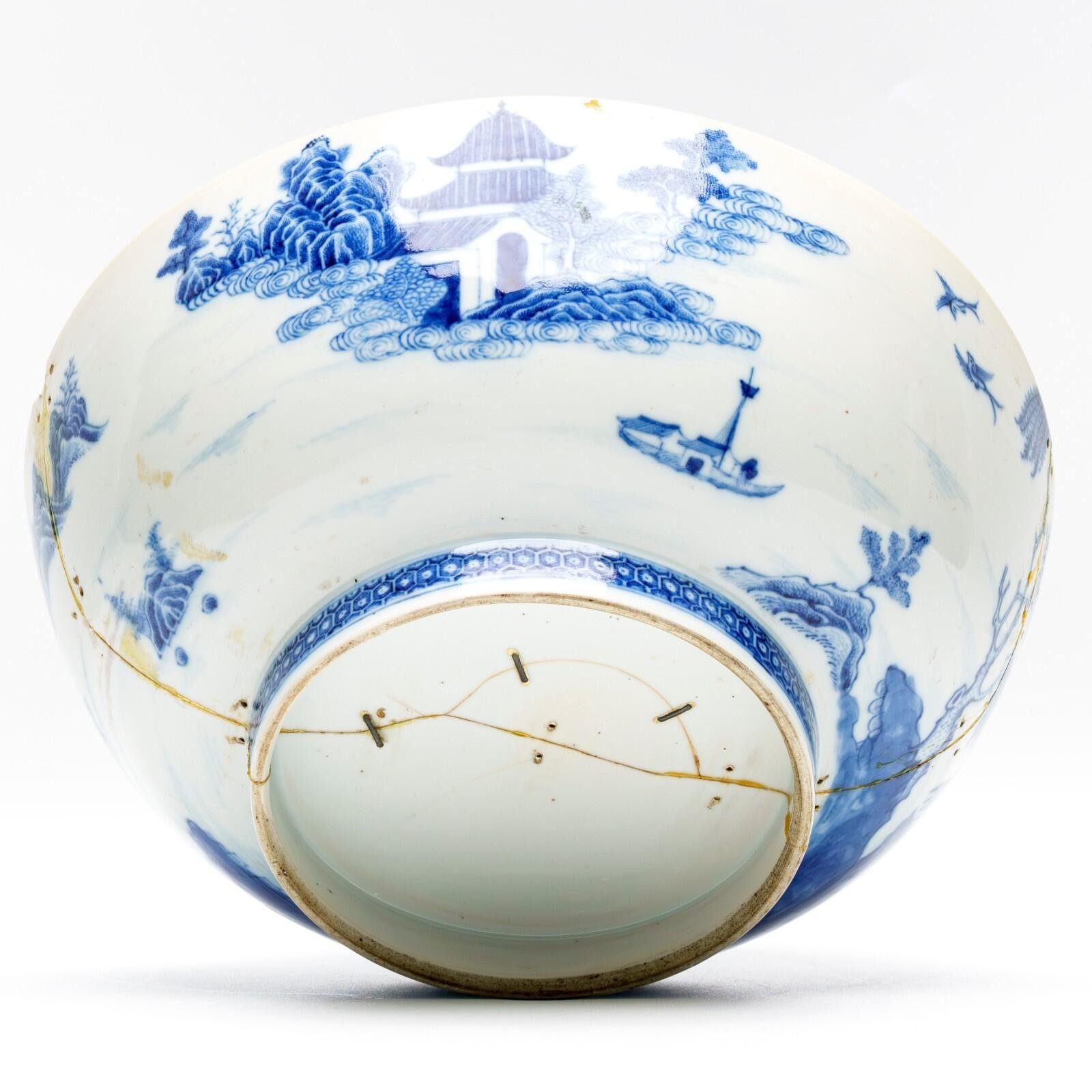
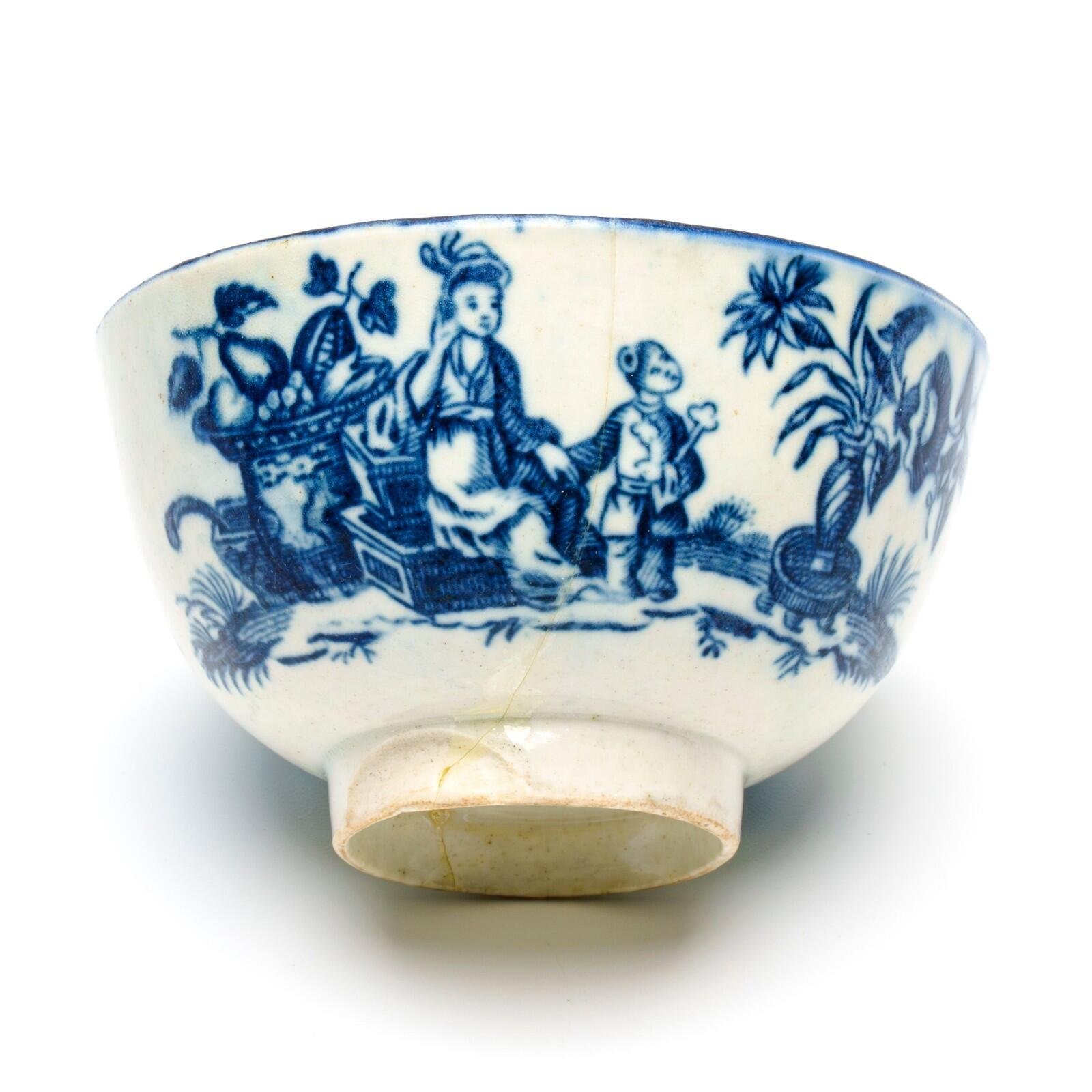
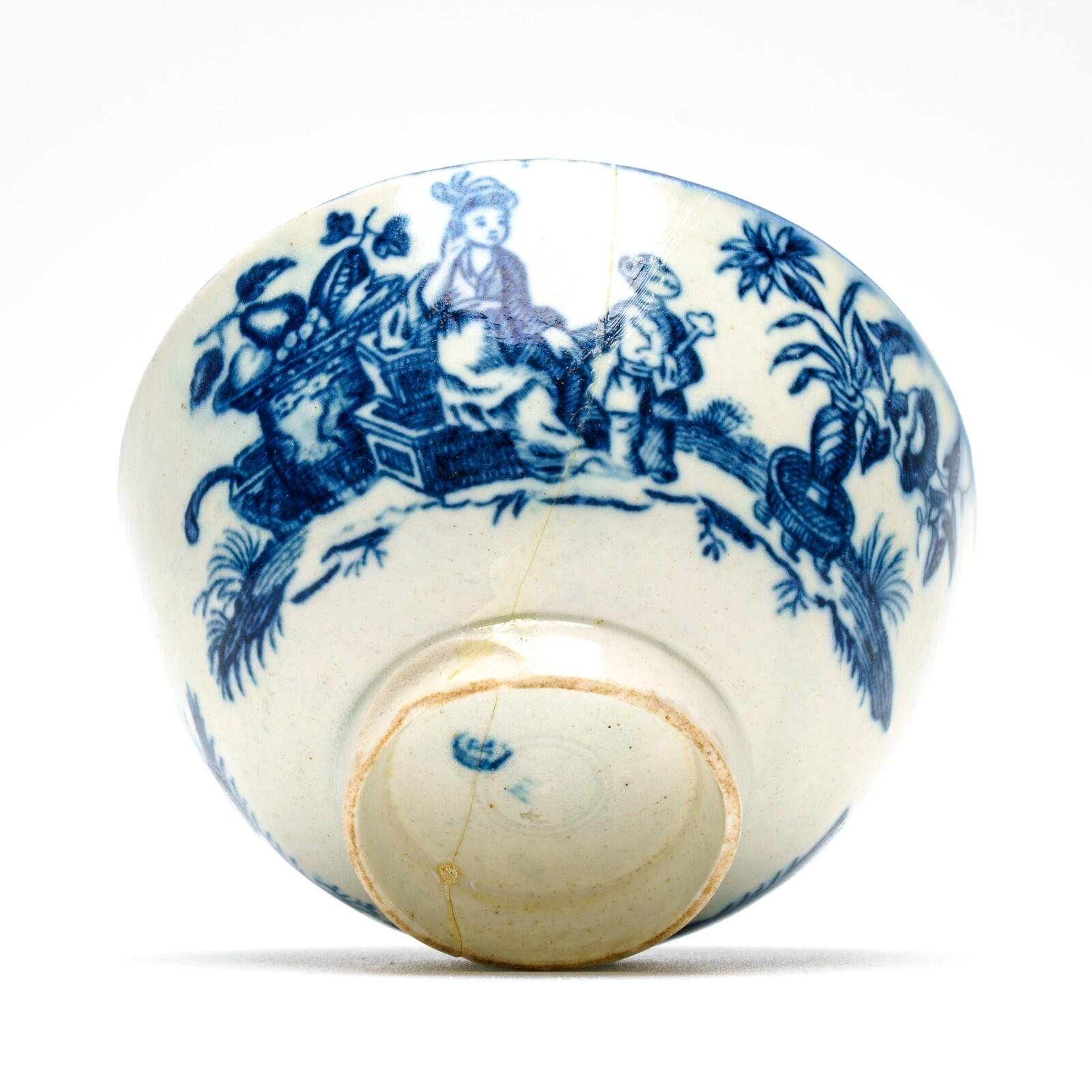
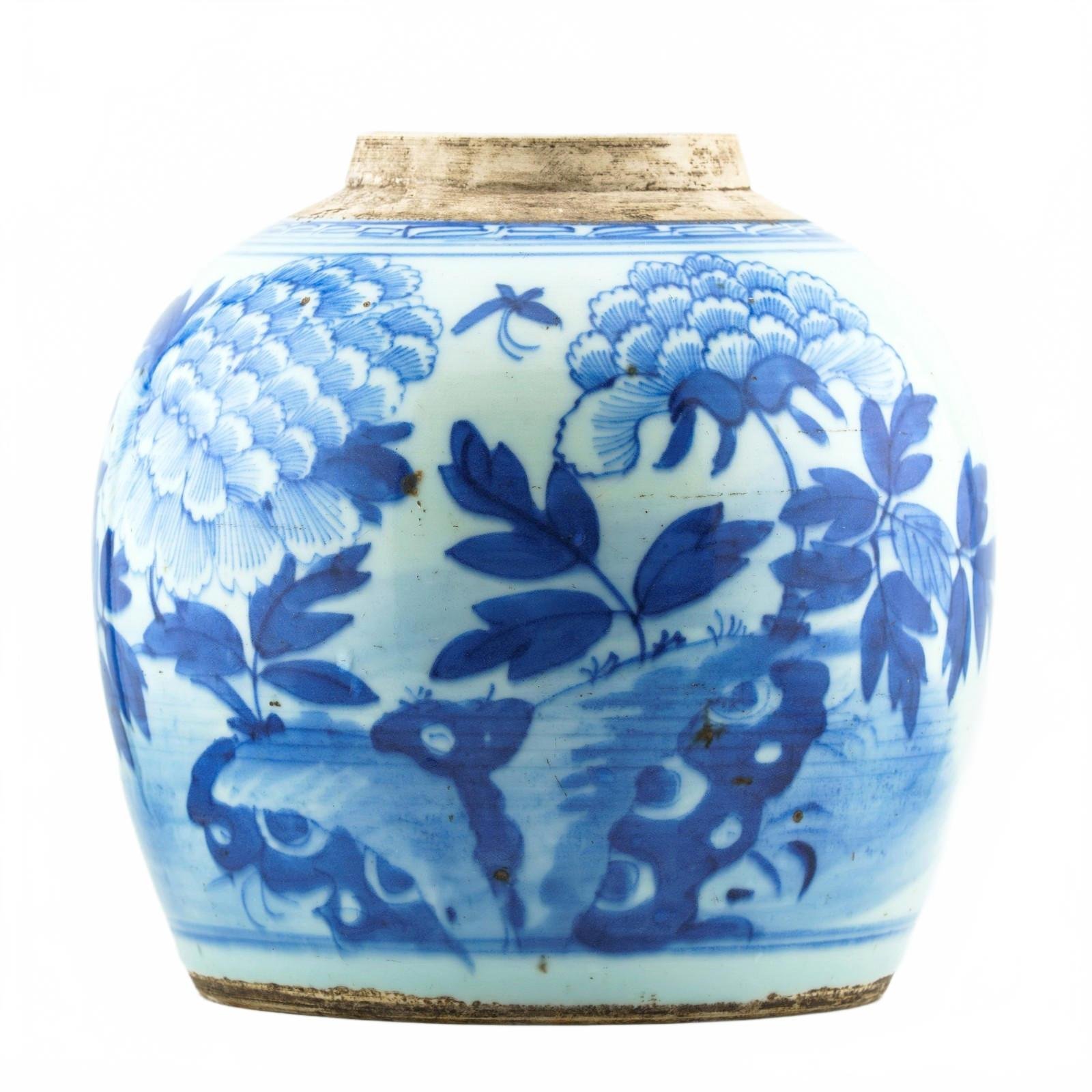
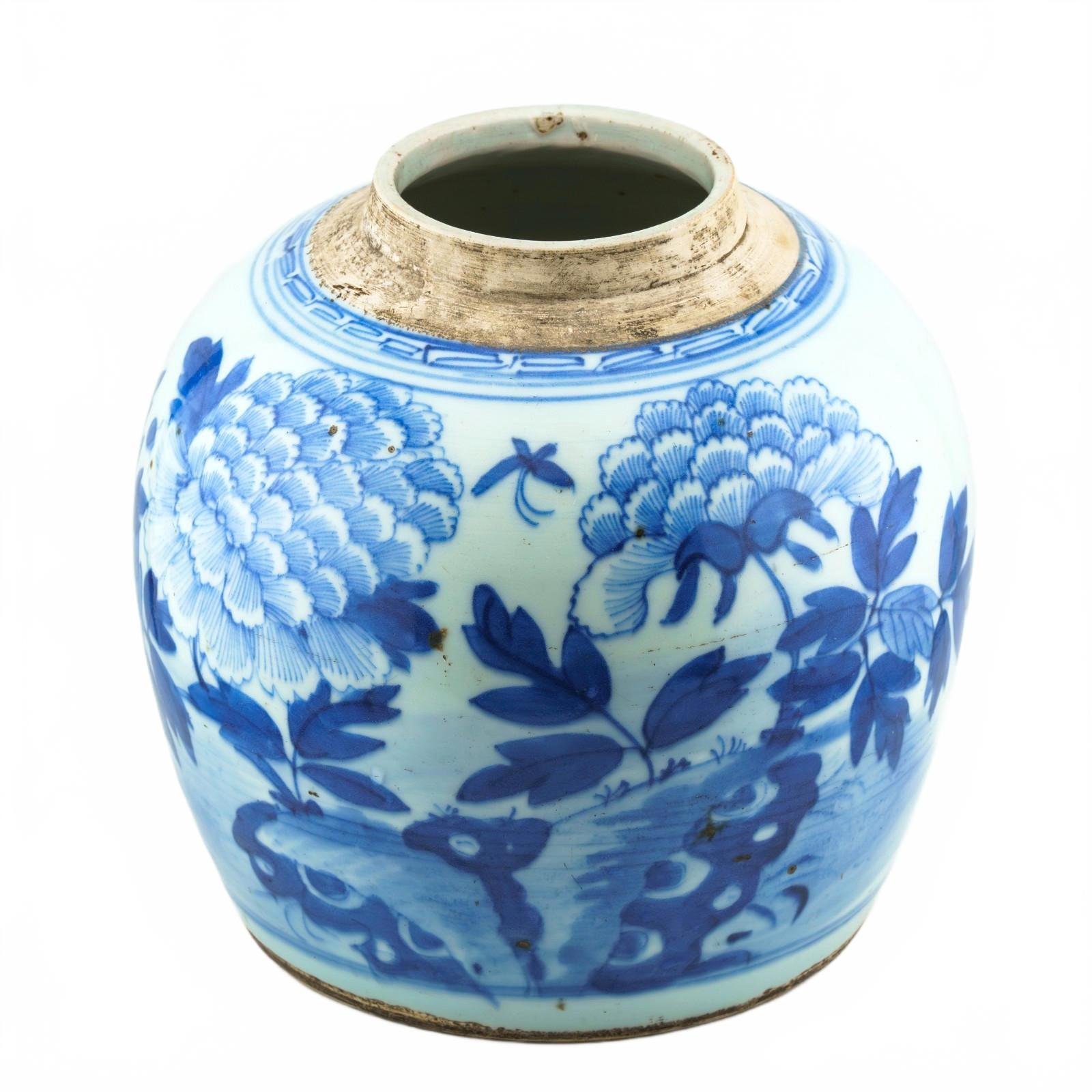
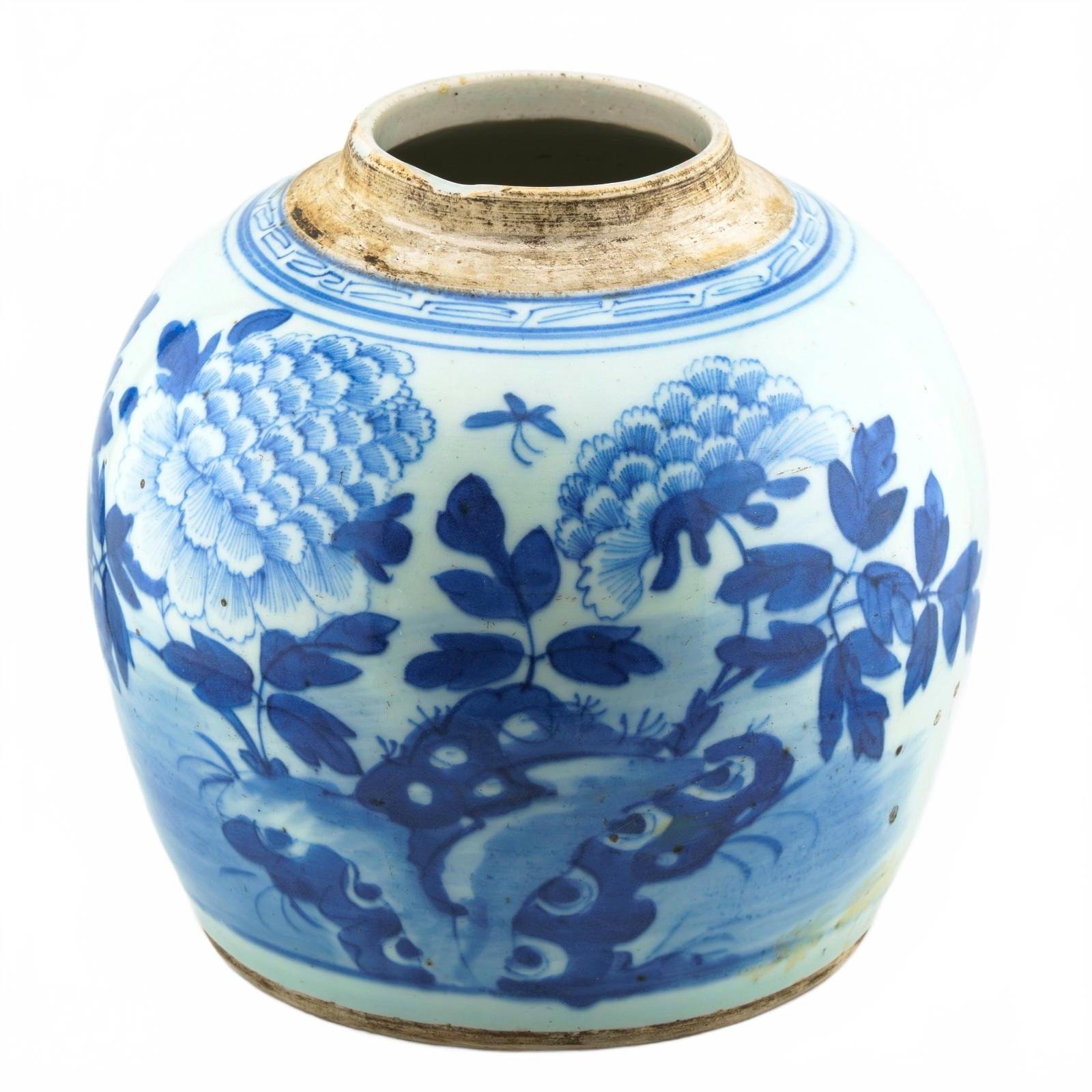
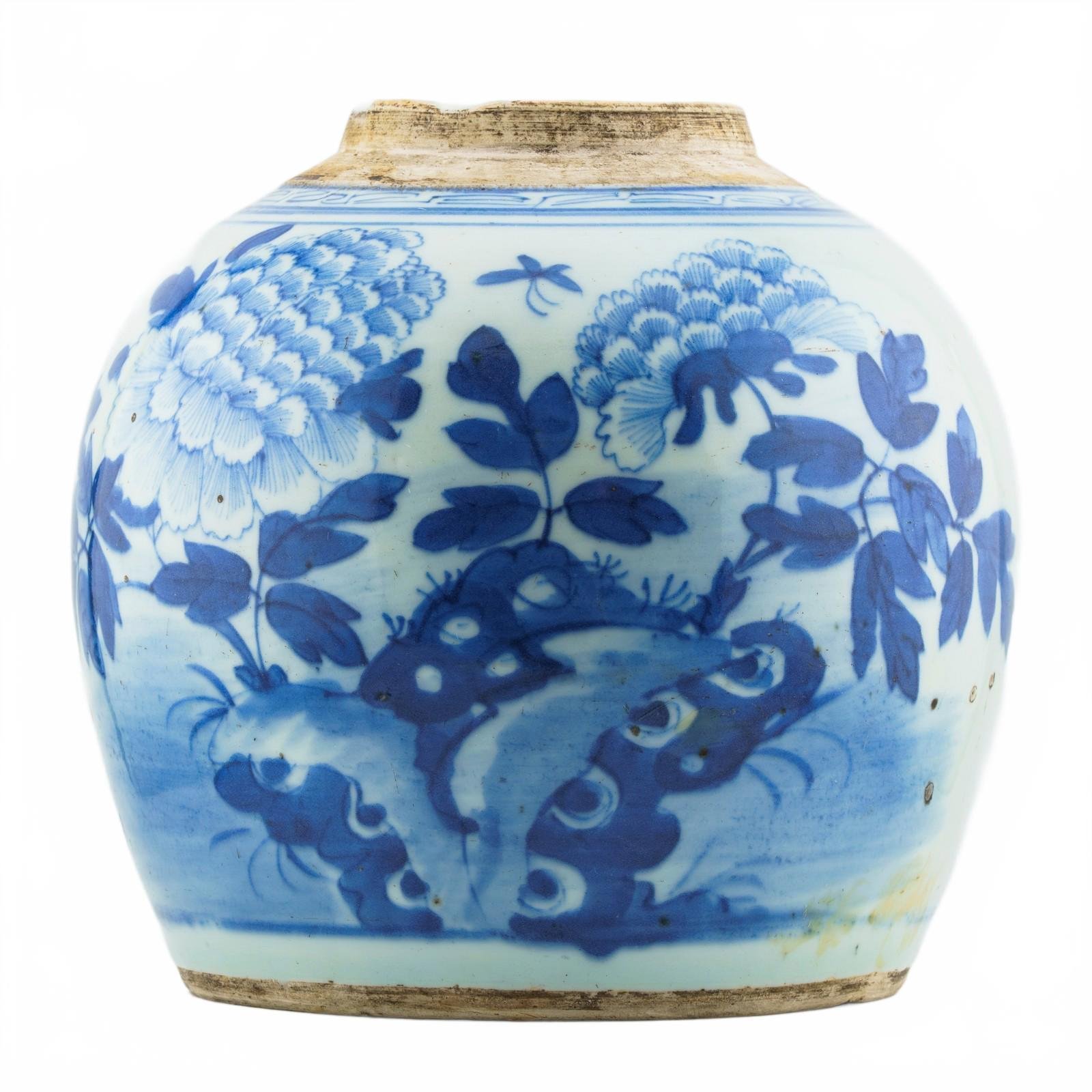
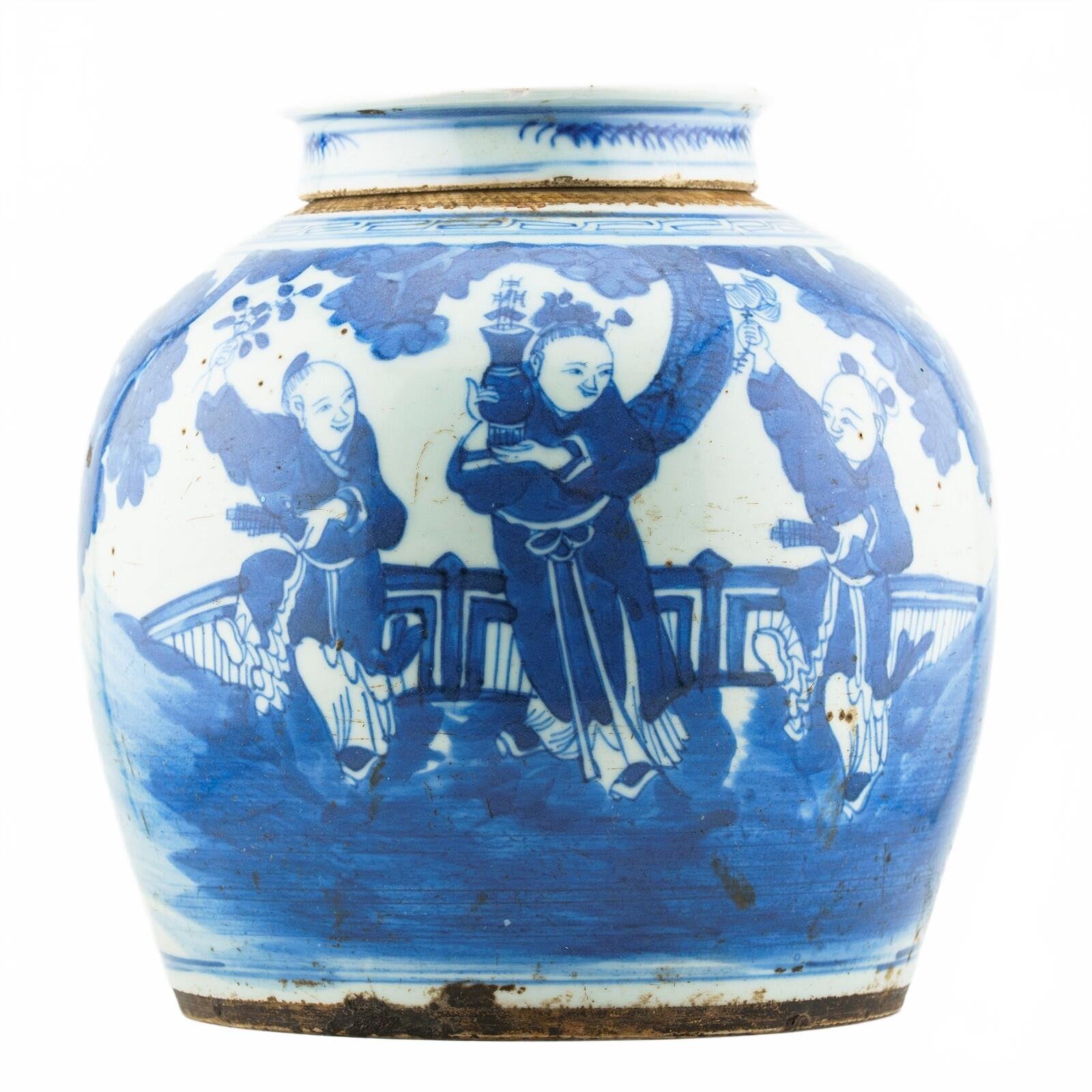
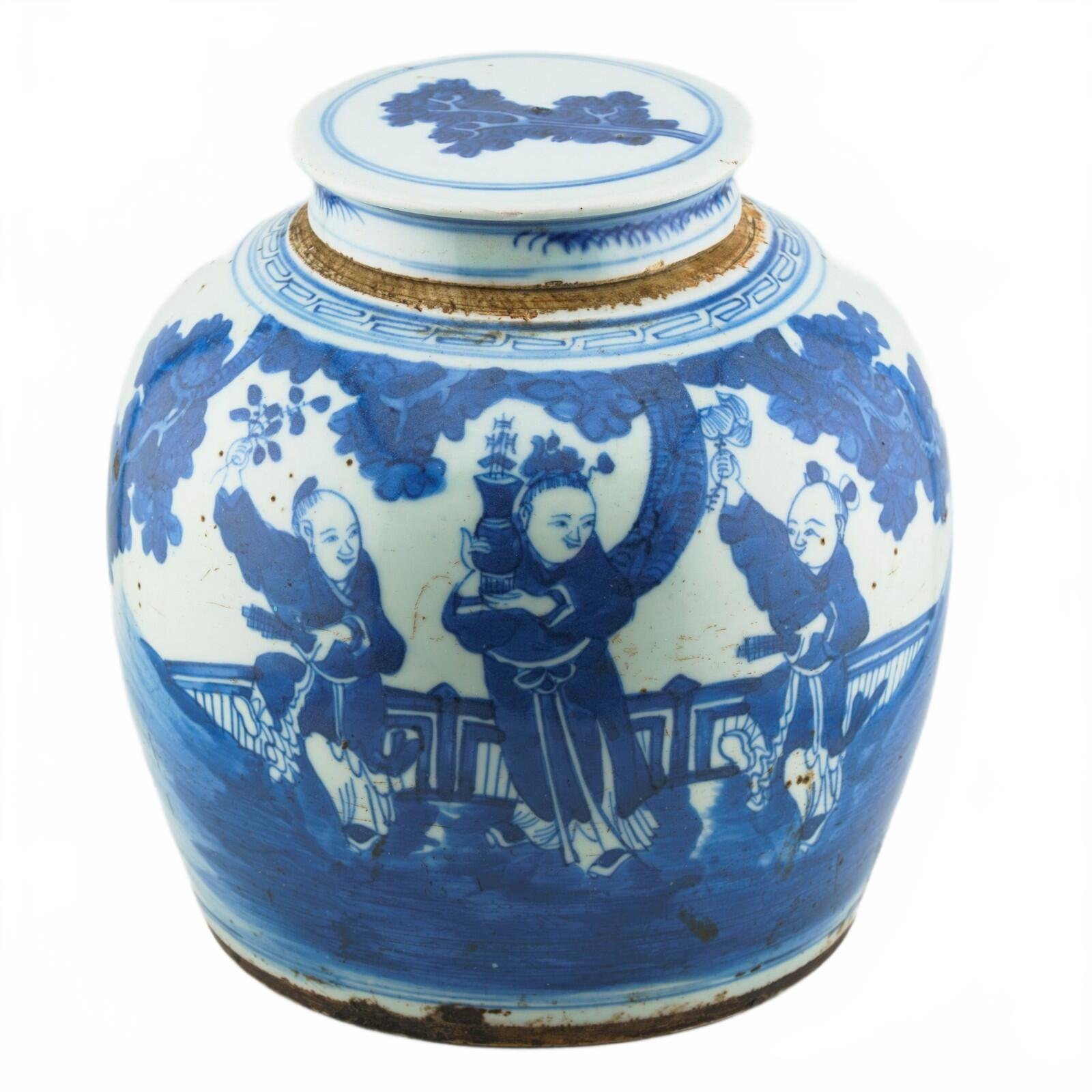
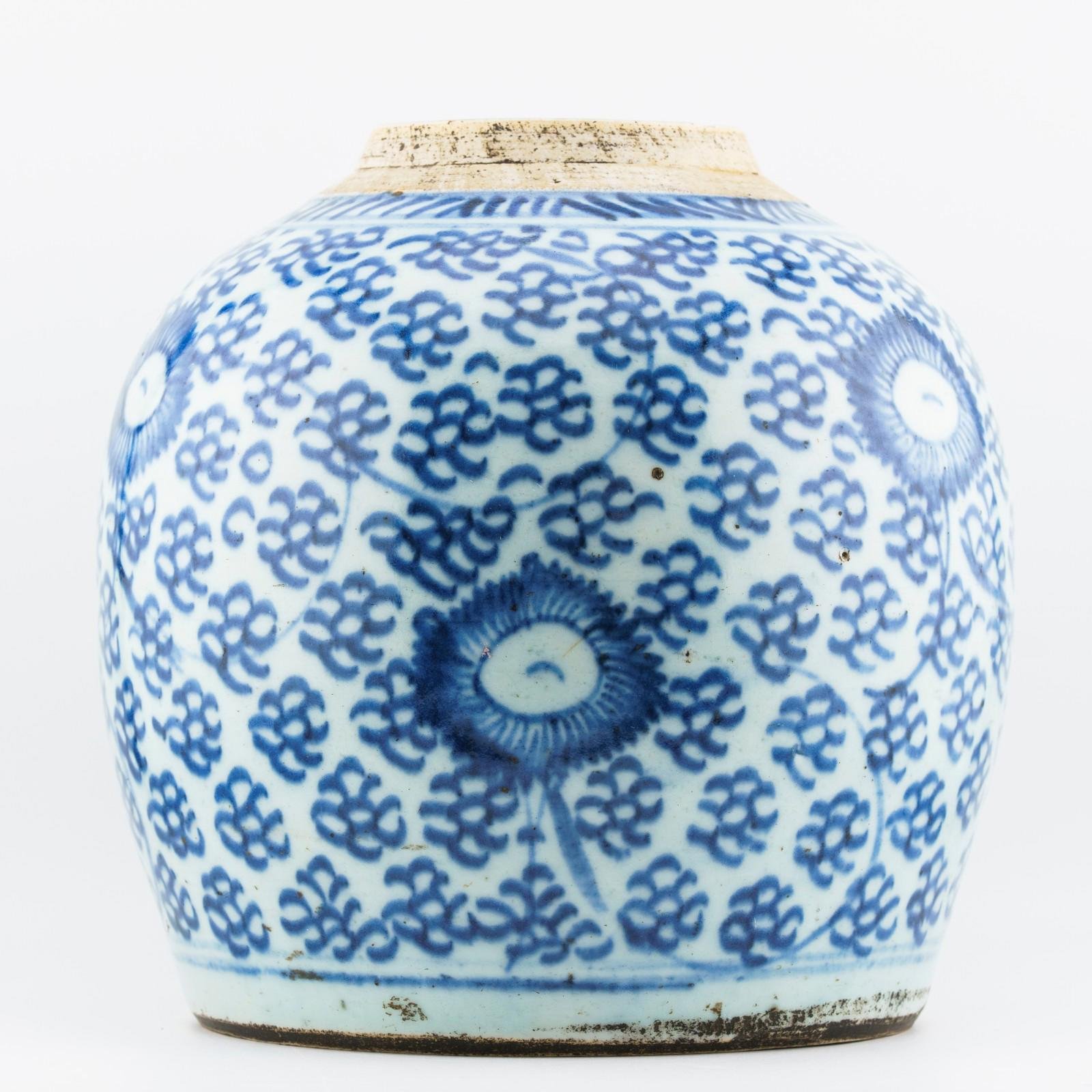
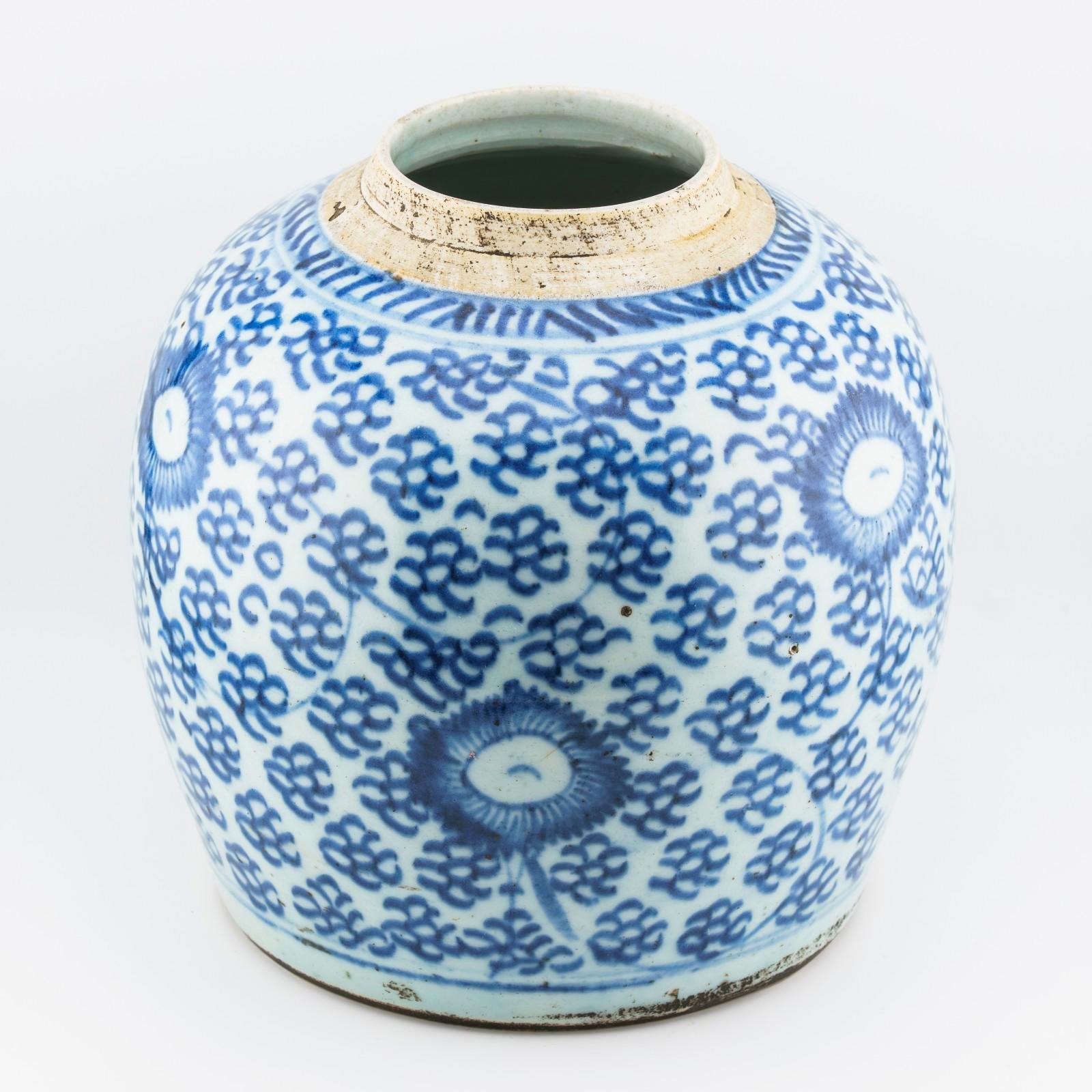
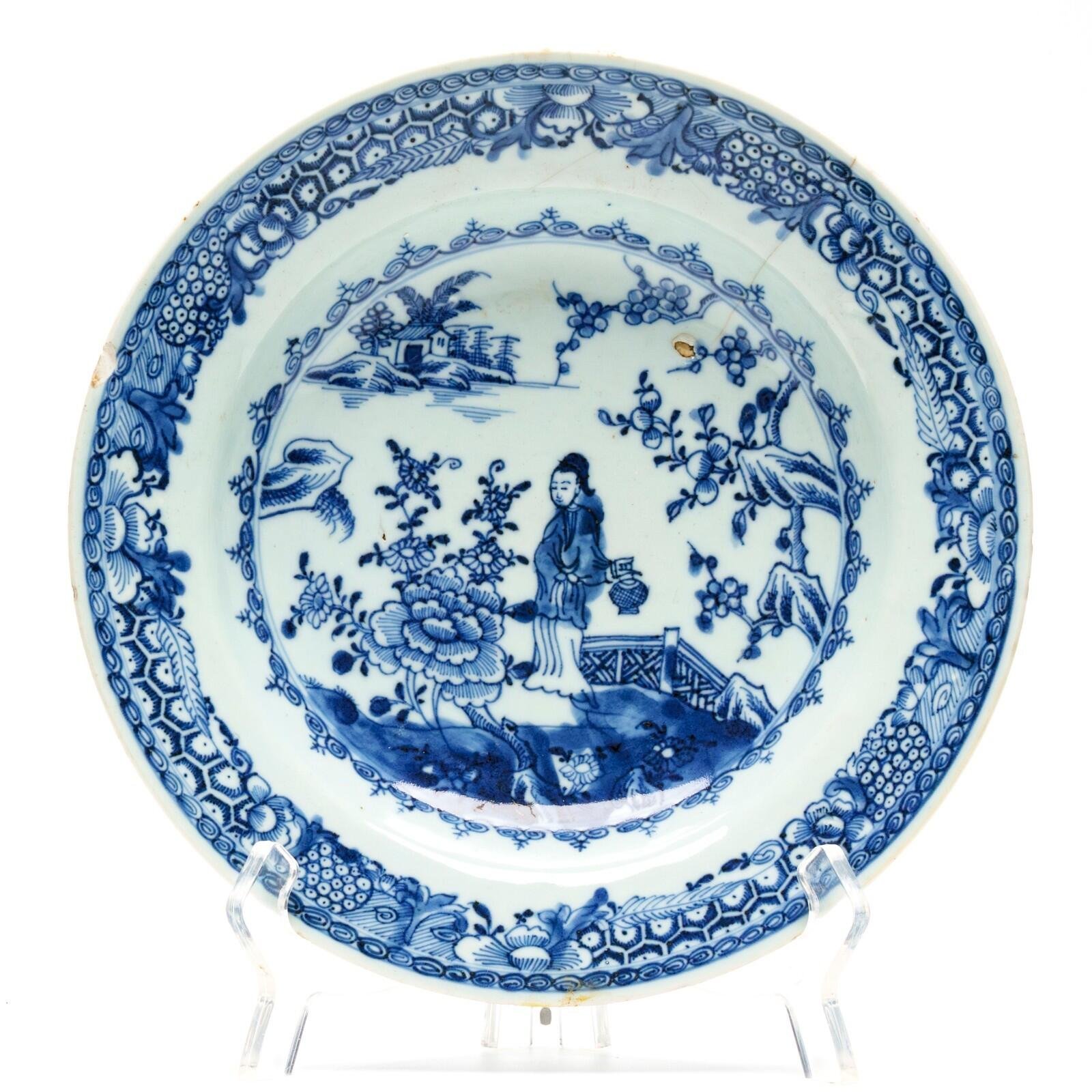
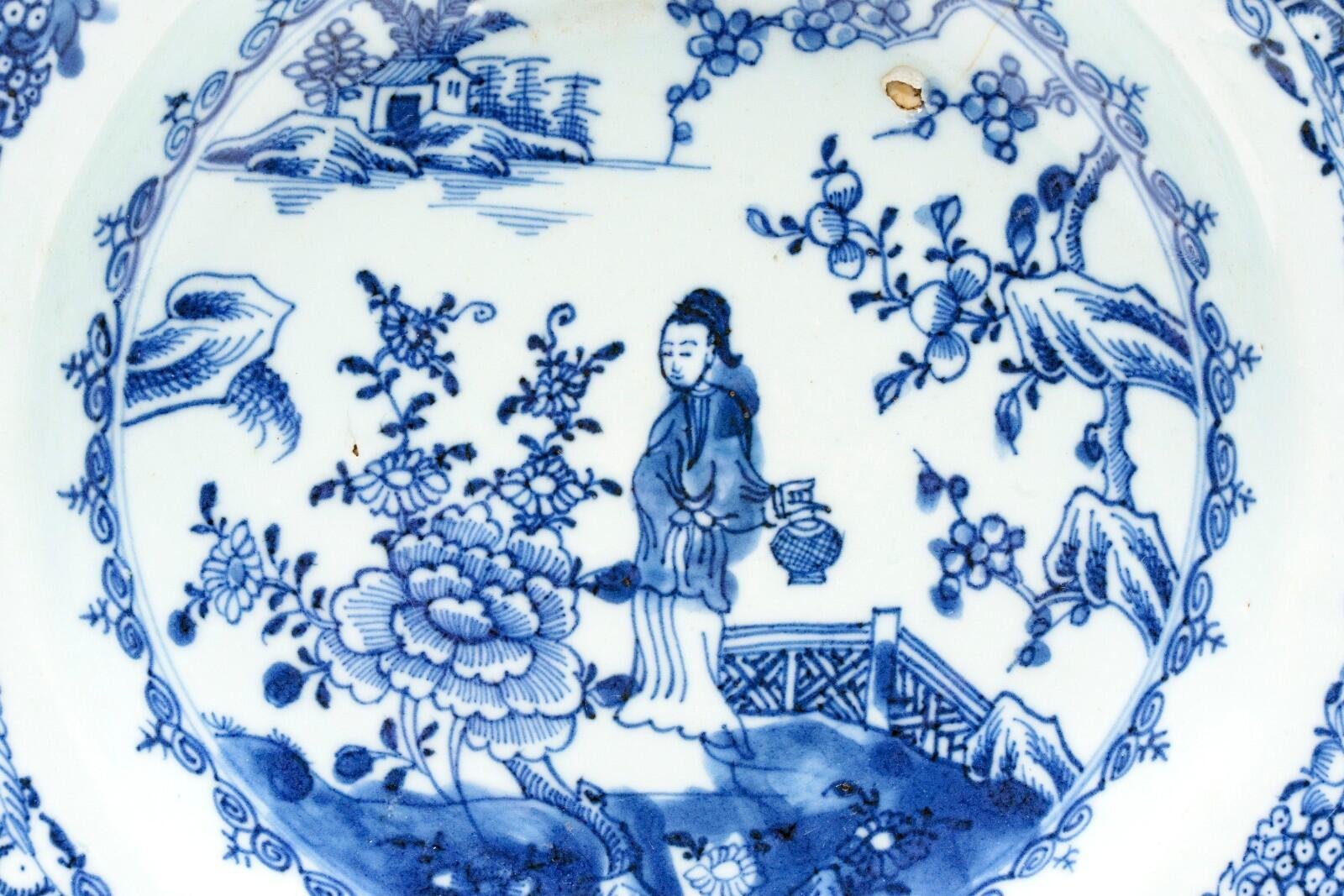
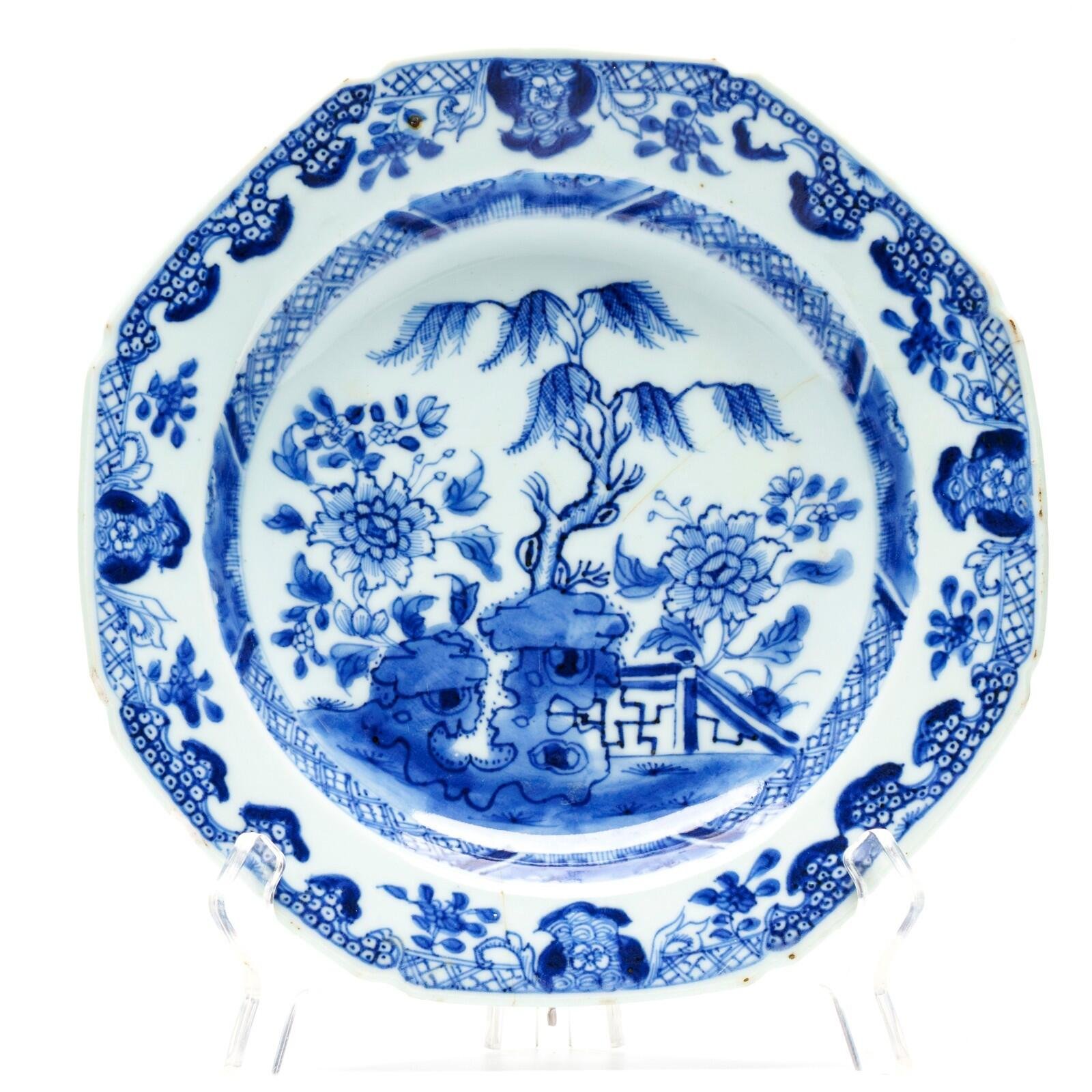
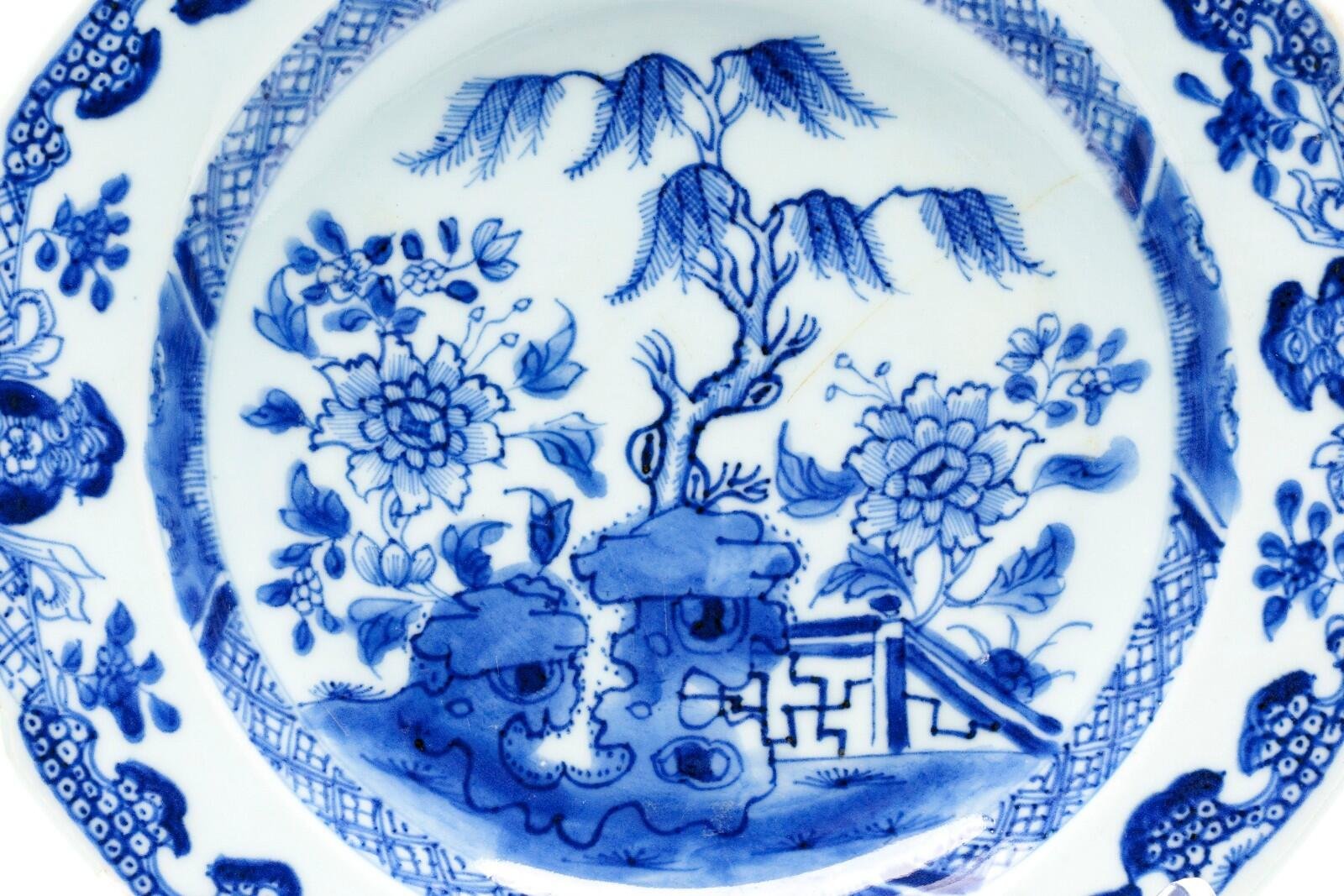
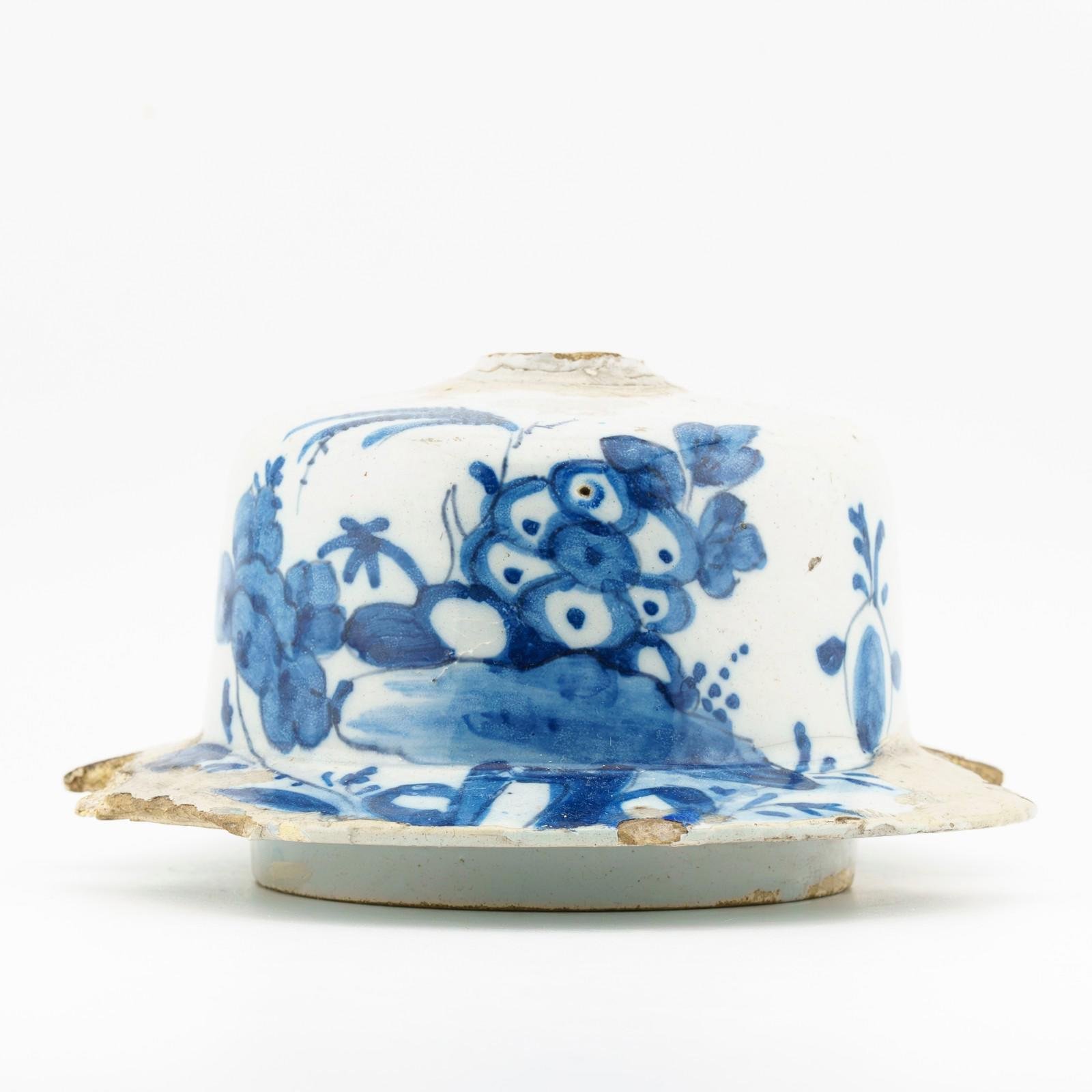
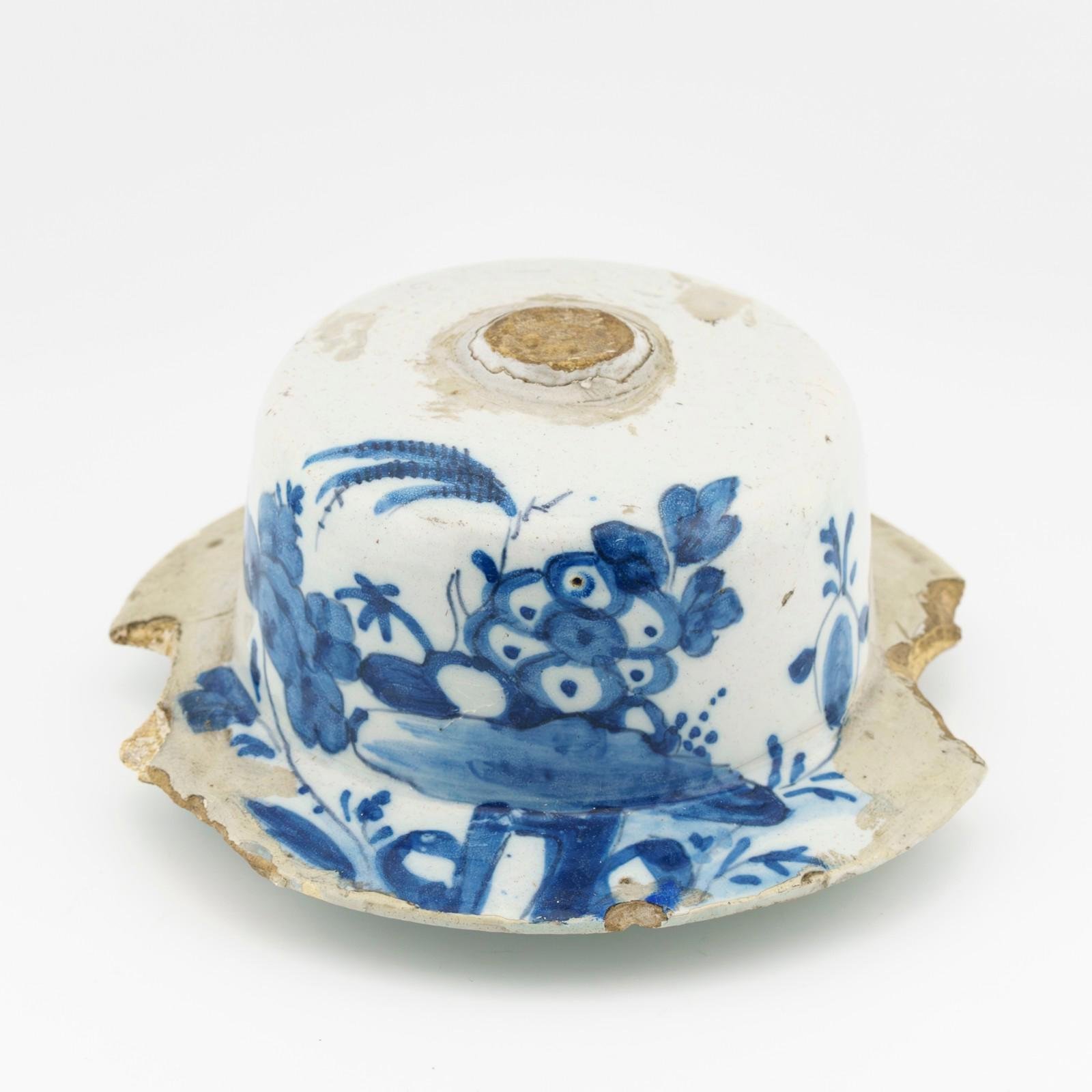
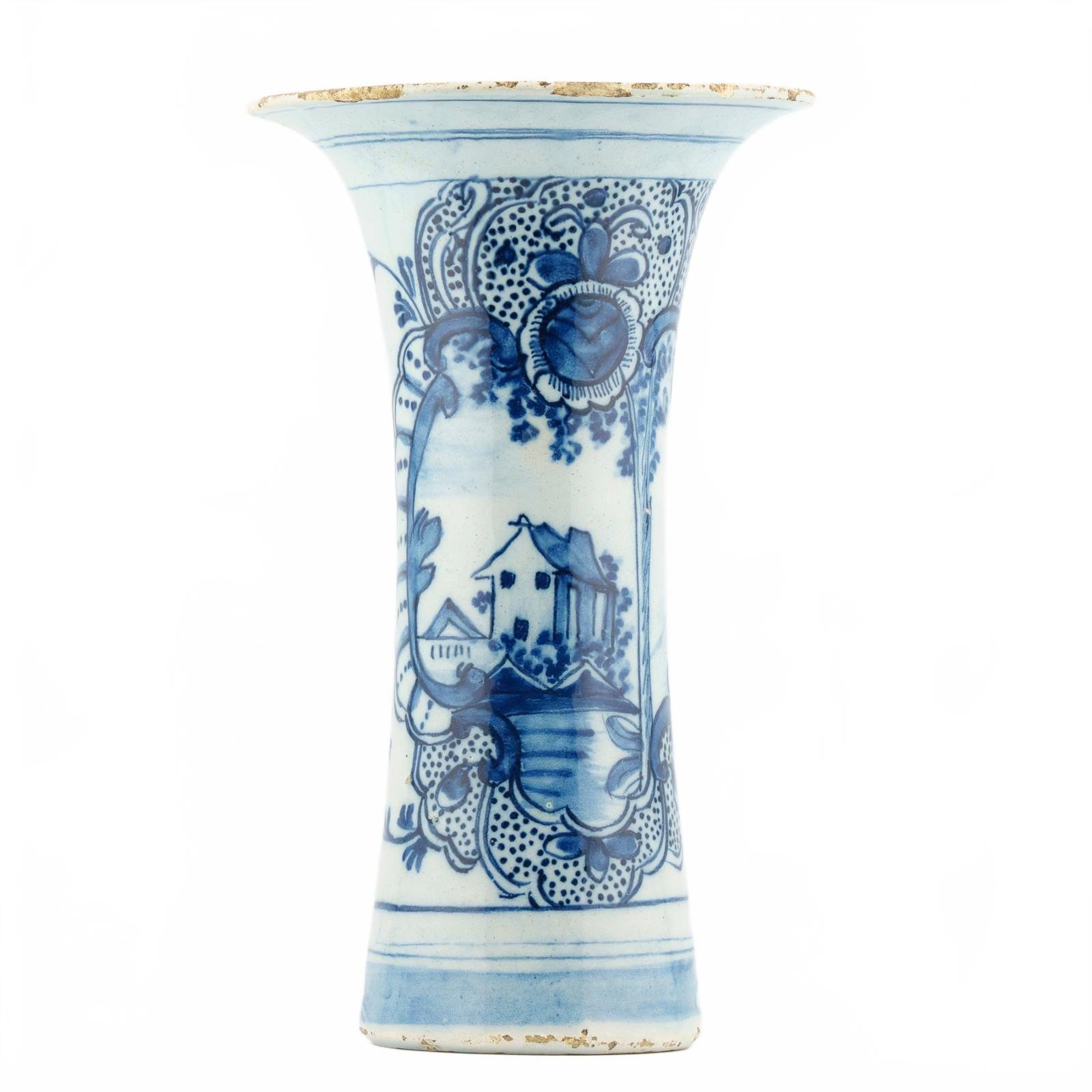
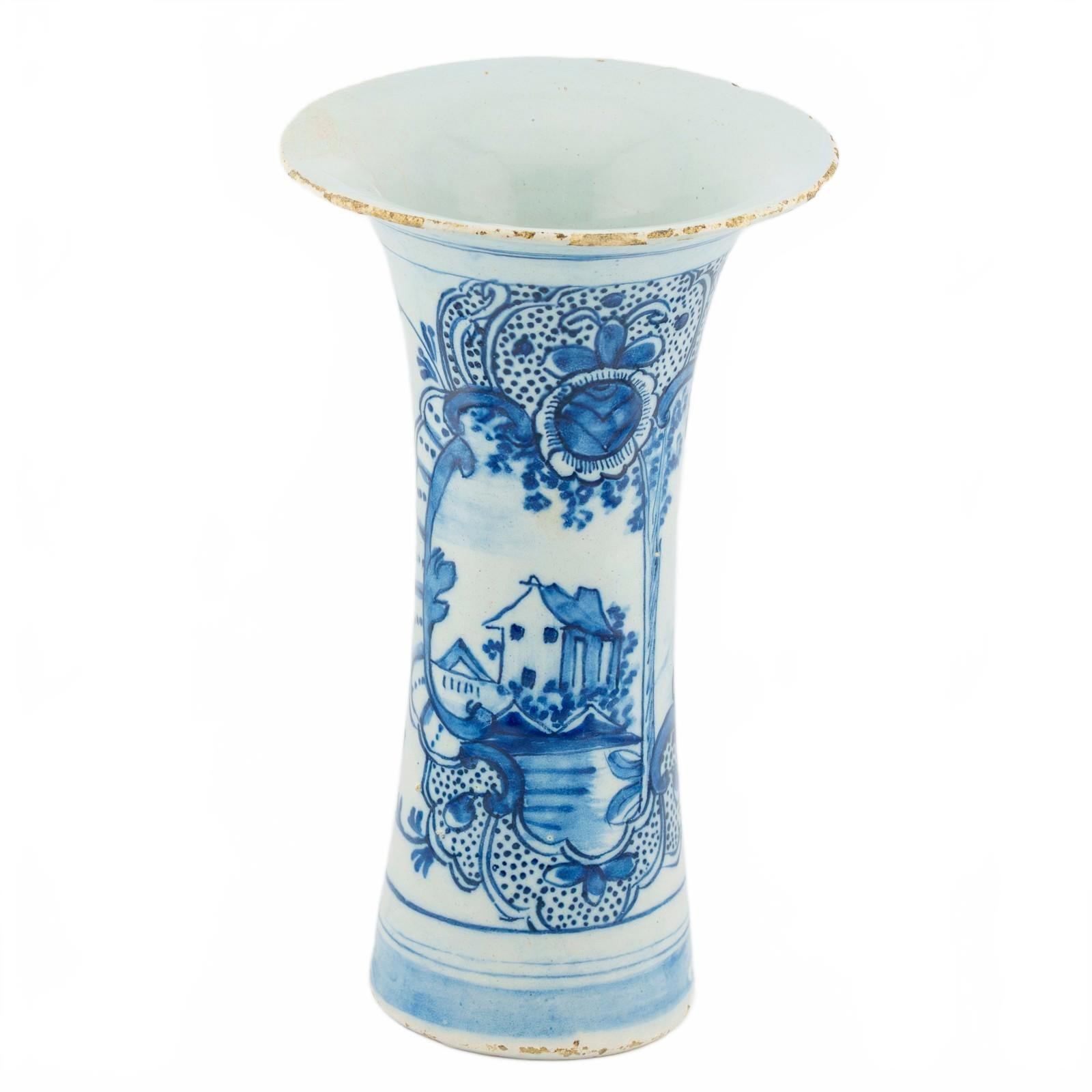
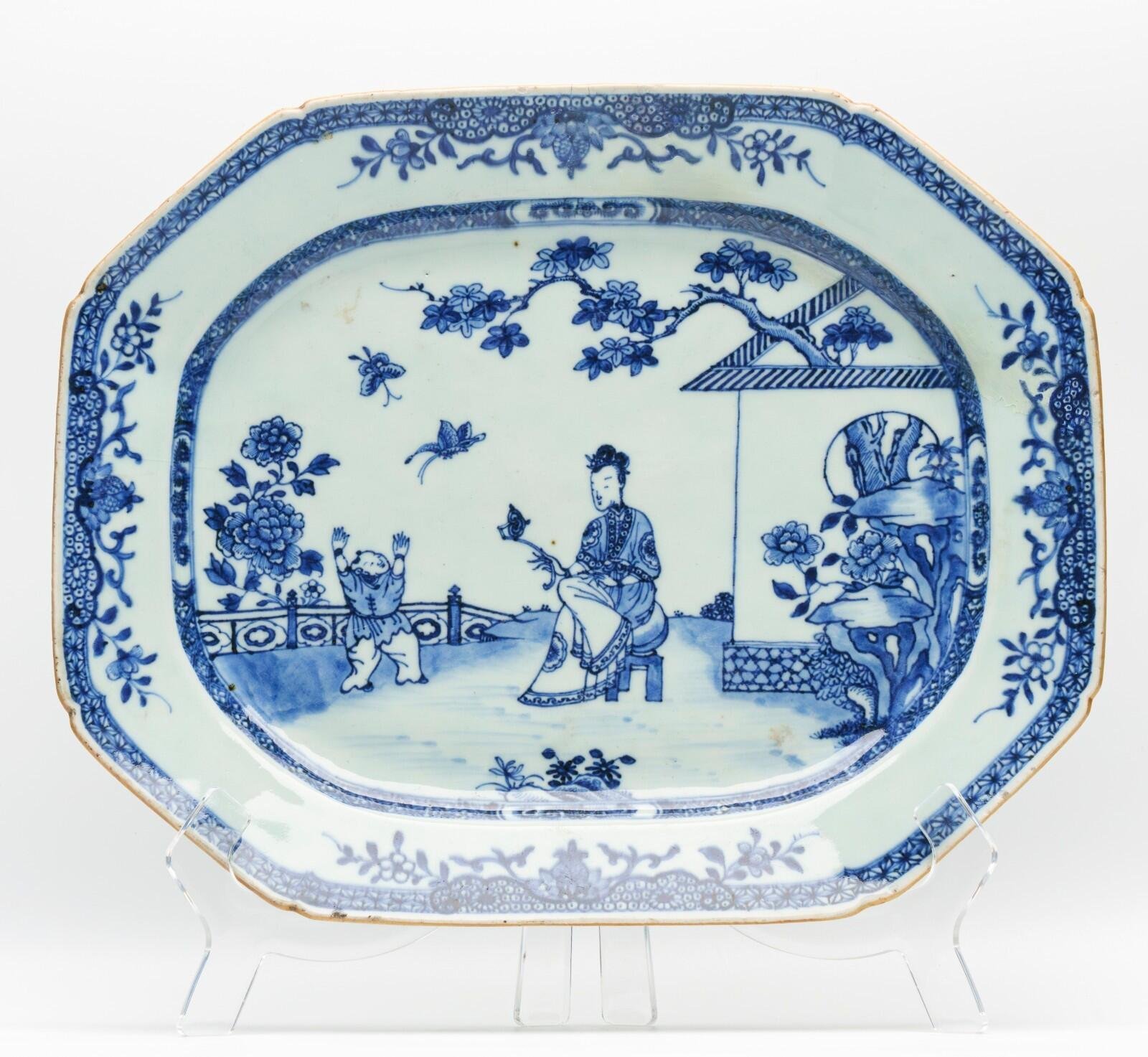
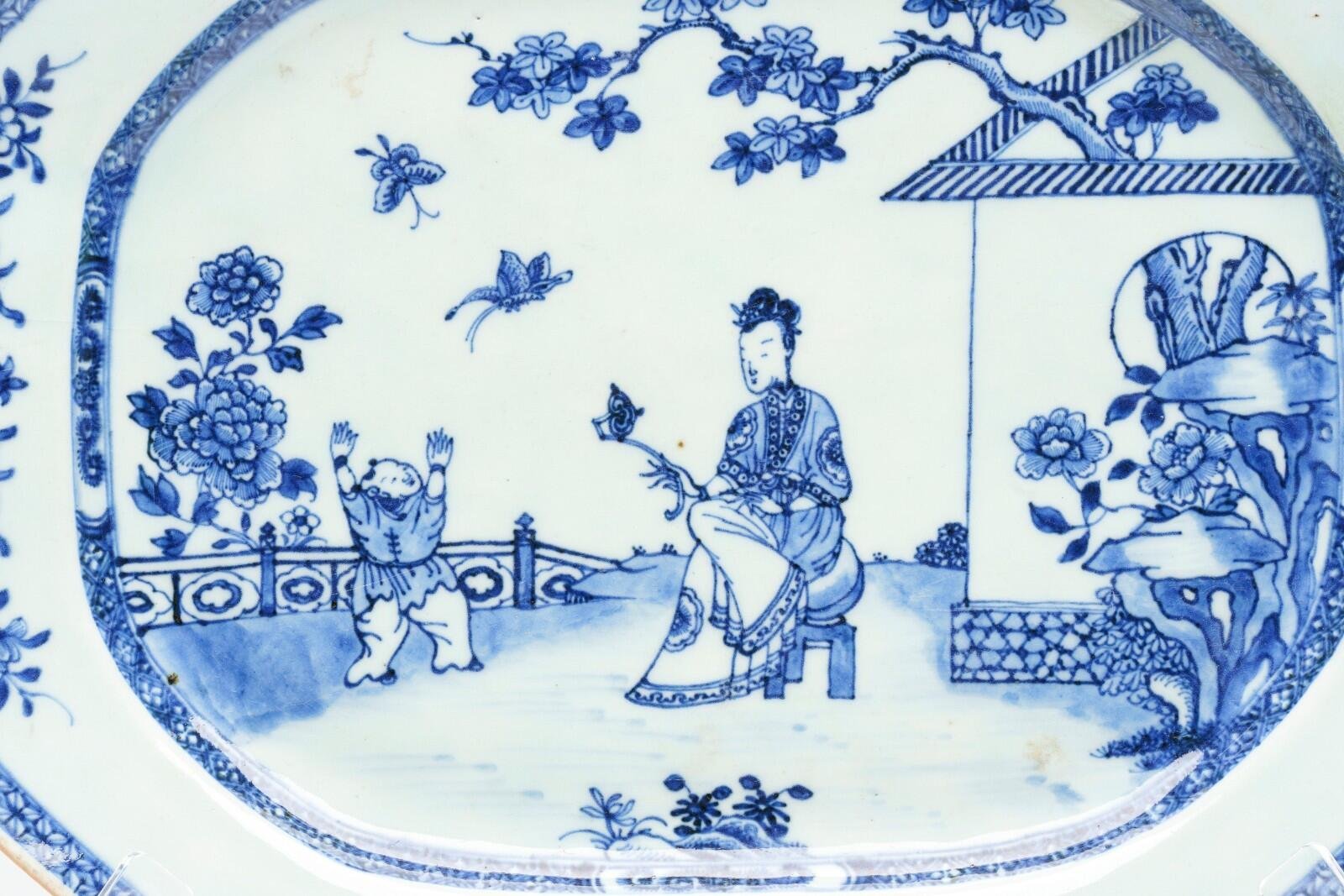
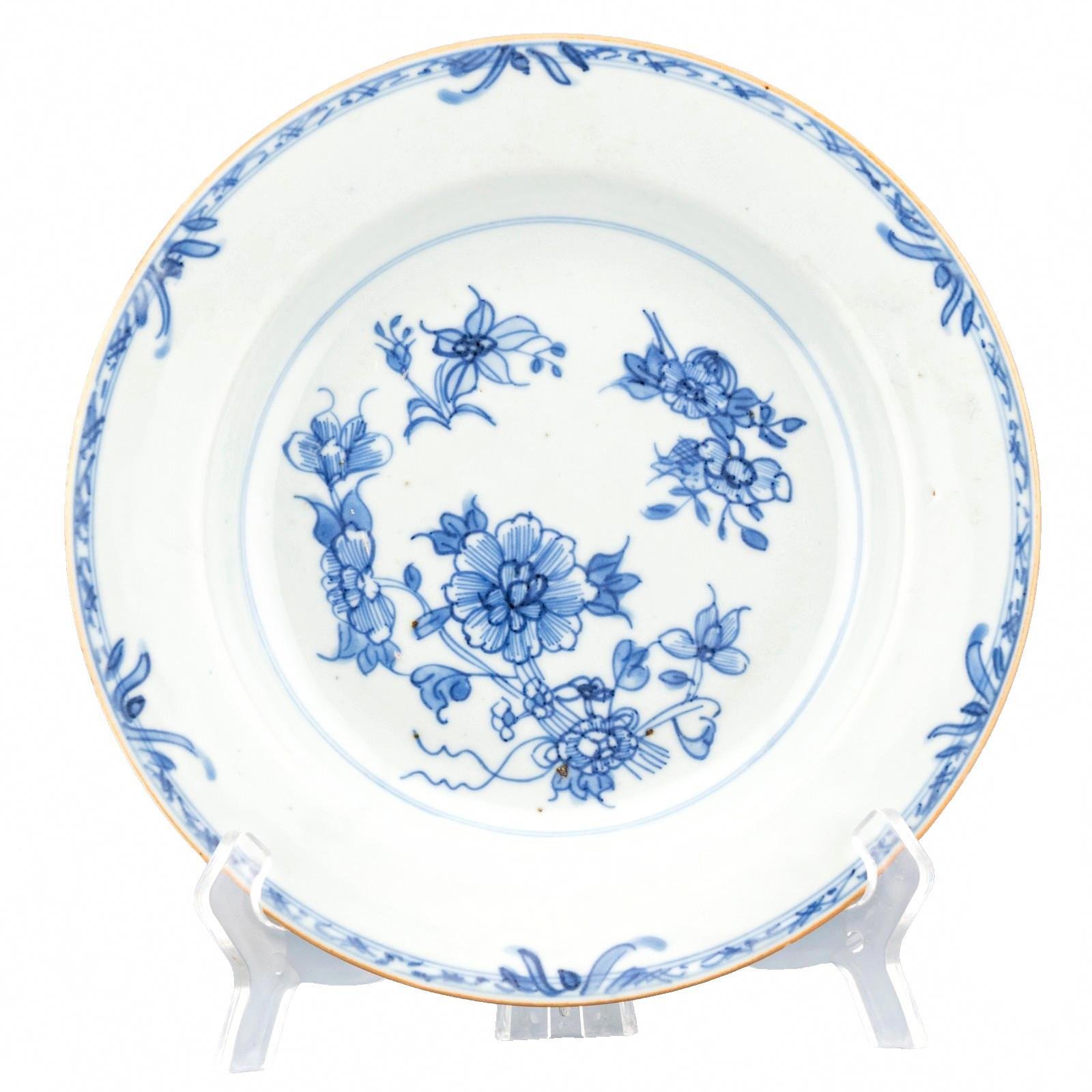
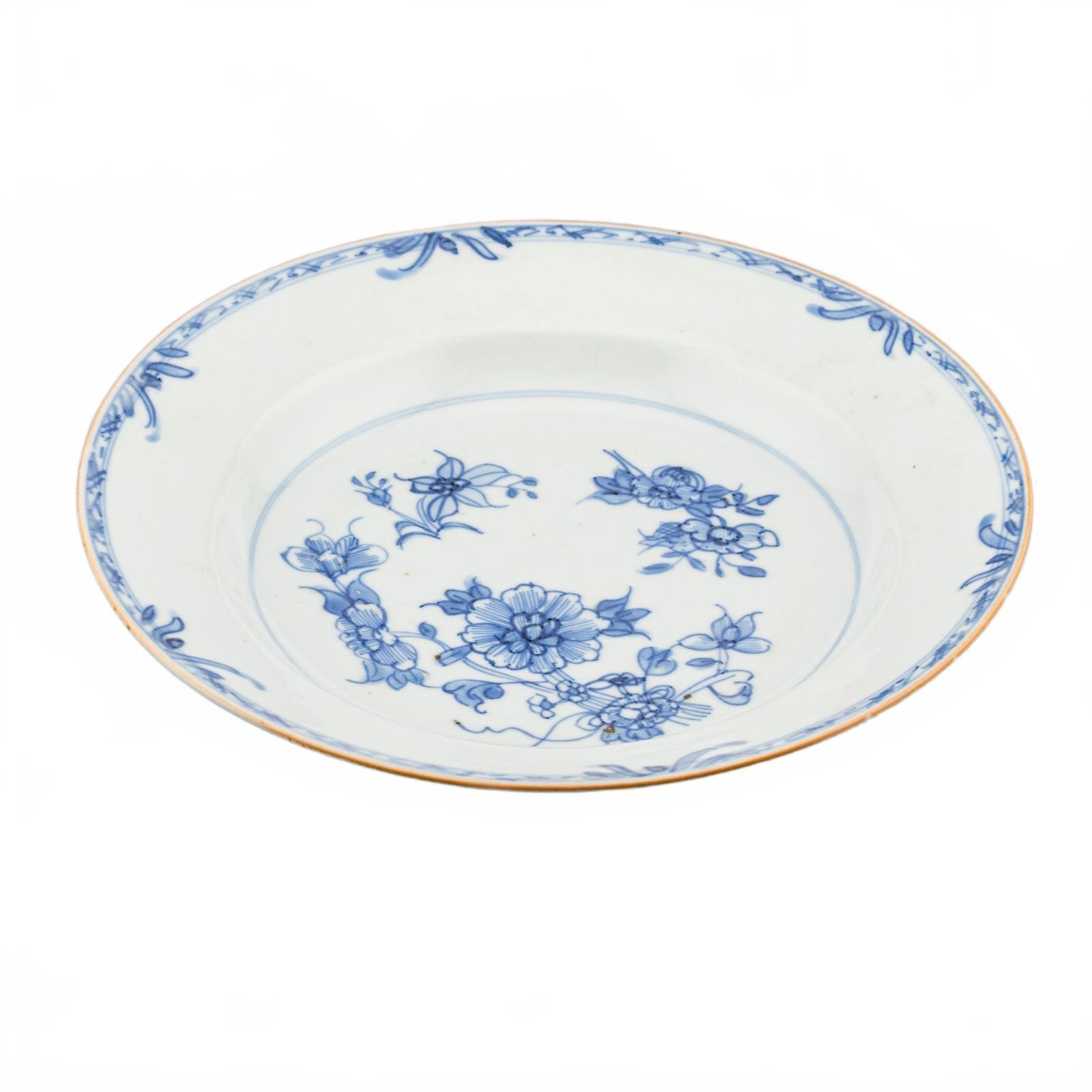
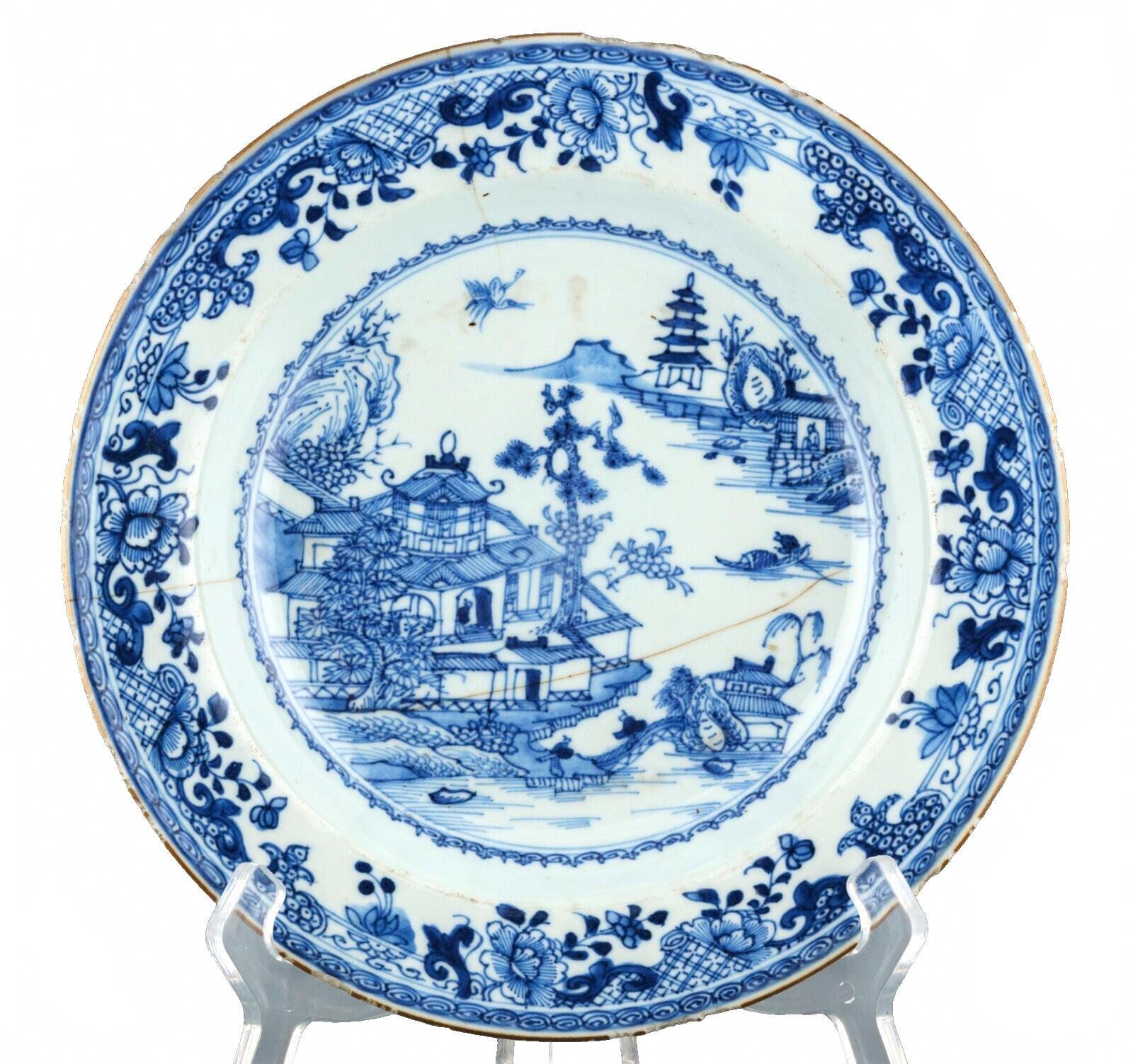
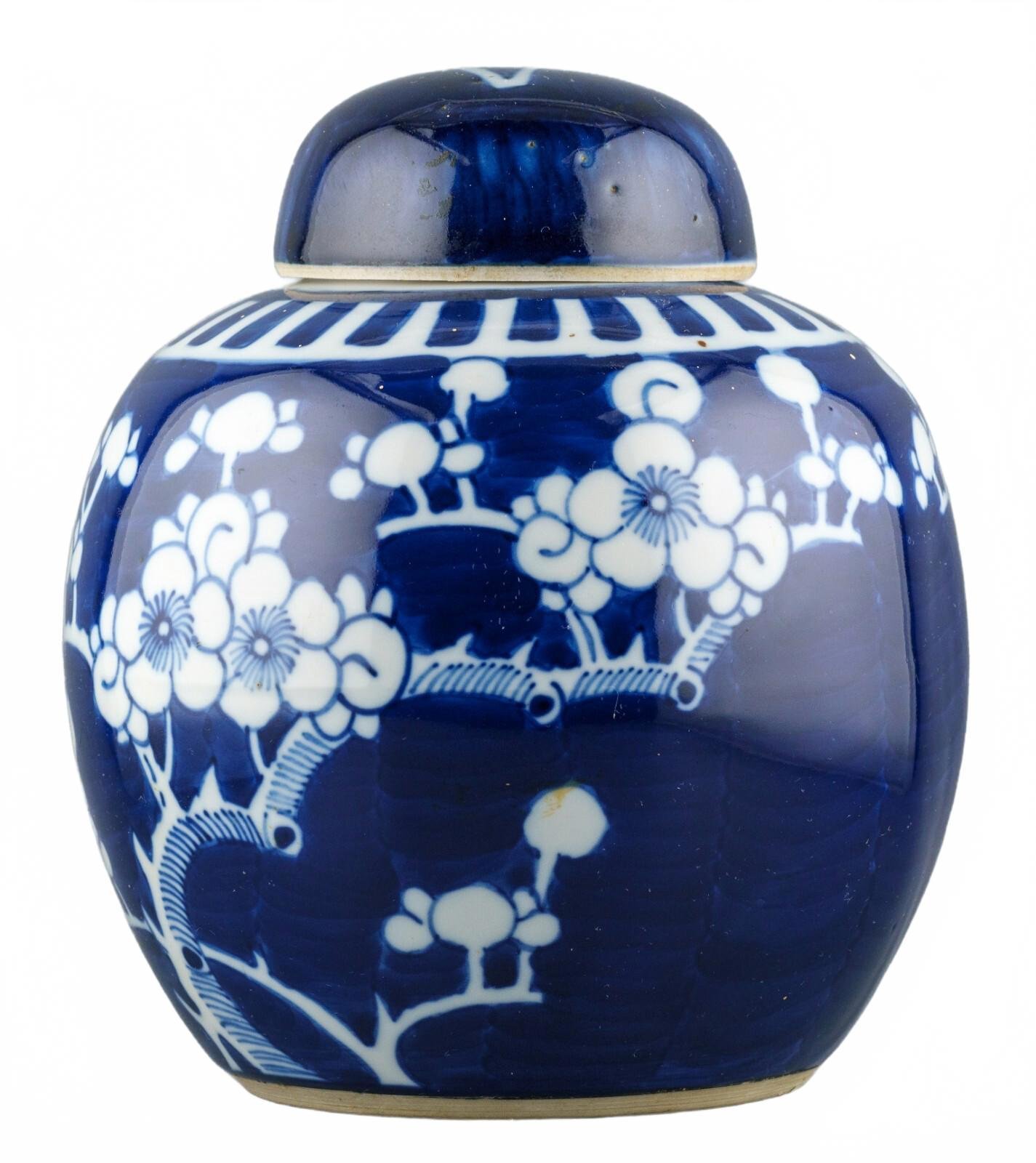
Blue & white porcelain is decorated using cobalt pigment painted under a clear glaze. The colour, brushwork, and overall balance tell more about age and origin than any mark on the base.
For beginners, focus on:
Blue & white porcelain is decorated using cobalt pigment painted under a clear glaze. The colour, brushwork, and overall balance tell more about age and origin than any mark on the base.
For beginners, focus on:
- Is the blue painted by hand rather than printed?
- Does the blue vary in tone within the same design?
- Is the decoration confidently placed, not cramped?
- Does the porcelain feel refined rather than heavy?
A Journey Through Cobalt, Culture & Global Exchange
I. Introduction
Blue and white porcelain is the language of cobalt and fire — a palette that travelled farther than any other in ceramic history. From its Persian origins to the kilns of Jingdezhen, from the palaces of Ming emperors to the shipwrecks of Southeast Asia and the shelves of European collectors, blue and white became the first global ceramic style.
Its appeal lies in its purity: white porcelain as luminous as paper, and cobalt blue that could be bold, soft, silvery, or almost black depending on the hand of the painter and the minerals in the glaze.
It is a style that unites craft, chemistry, trade, symbolism, imperial taste, and everyday life.
Attribution Confidence — Chinese Blue & White Porcelain
68%
⬅️ Slide to explore cobalt, period & confidence ➡️
General attribution. The porcelain aligns with recognised blue-and-white production, though period and kiln attribution remain open.
- Underglaze cobalt decoration present
- Overall form consistent with Chinese porcelain
Confidence reflects cumulative visual, material, and stylistic indicators. Blue & white attribution is rarely absolute.
II. Origins of the Blue & White Palette
Persian cobalt — the spark
Early Chinese potters already mastered underglaze painting using iron and copper (Tang dynasty), but the discovery of cobalt blue — a pigment arriving via Persian merchants — transformed everything.
This foreign mineral produced a blue that was:
- strong
- vivid
- stable in high-temperature firing
By the Yuan dynasty (1279–1368), imported cobalt became the defining material for the new underglaze-blue style.
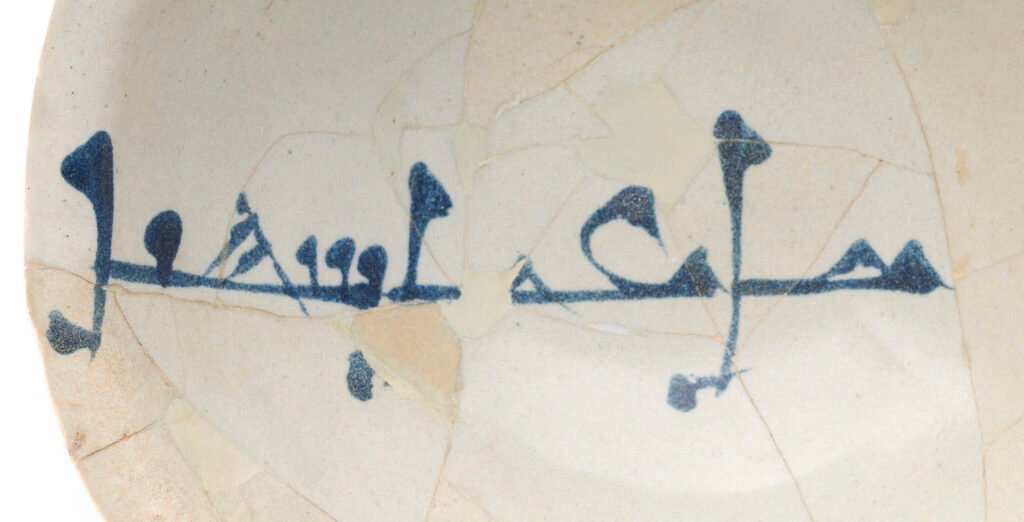
🌊 Early experiments shaped a global tradition.
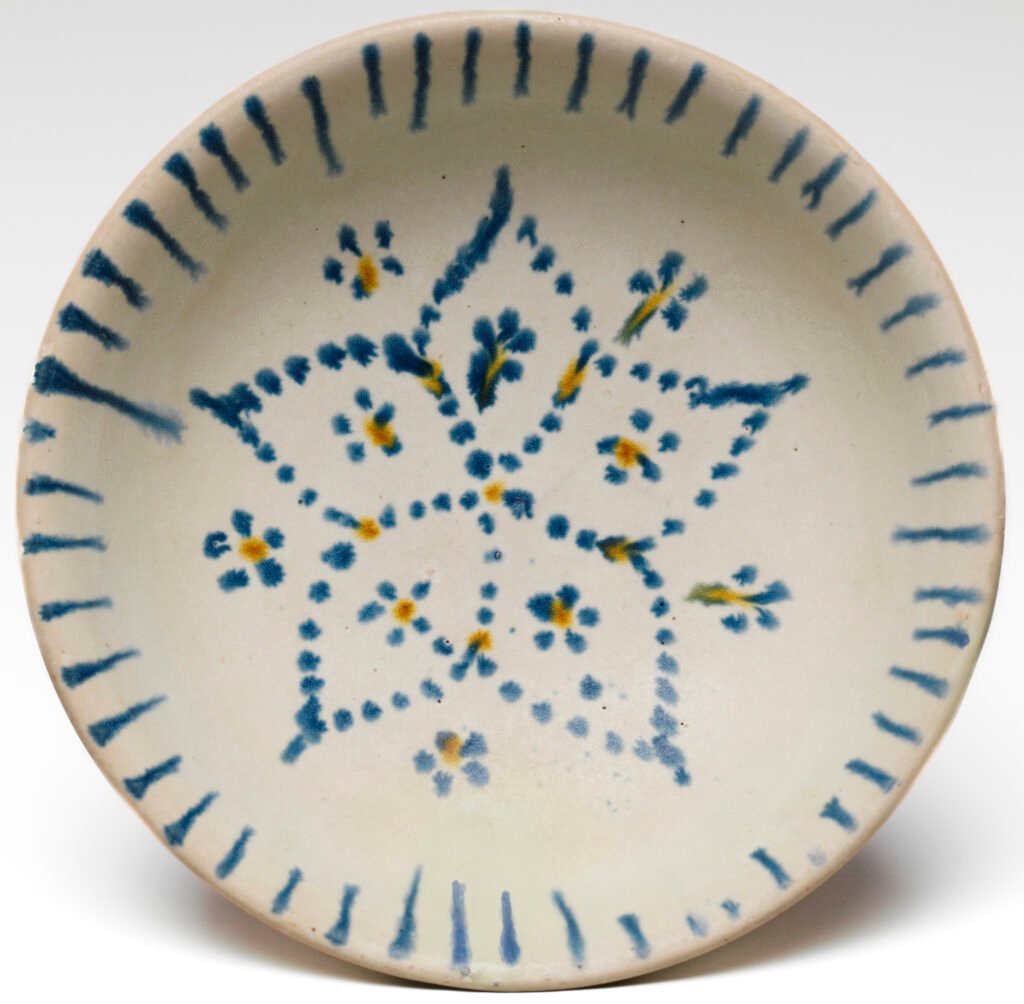
Tang and Song potters pioneered the first underglaze-blue ideas, setting the foundations for the cobalt brilliance that would later define Chinese porcelain.
Tang and Song potters pioneered the first underglaze-blue ideas, setting the foundations for the cobalt brilliance that would later define Chinese porcelain.
Song dynasty foundations
Song kilns such as Jizhou produced underglaze-painted black and white wares; the artistic idea existed, but the cobalt did not.
Tang discoveries
Archaeological finds in Yangzhou and Gongxian show Tang-dynasty shards decorated in blue with Islamic-style geometric patterns — early experiments that anticipated later developments.
III. Yuan Dynasty (14th Century): Birth of Monumental Blue & White
Under Mongol rule, trade routes opened, cobalt supply stabilized, and Jingdezhen became a world centre of porcelain.
Characteristics of Yuan blue & white
- Large dishes made for Middle Eastern markets
- Rich, crowded decoration inspired by Persian textiles
- Bright cobalt, often “heaped and piled”
- Thick bodies, strong potting, dramatic presence
Typical motifs
- Phoenix, carp, ducks, lotuses, scrolls
- Islamic-inspired panels
- Dense floral or wave borders
- Distinctive bracket foliations
Yuan blue and white was not made for elite Chinese buyers but for export markets, especially Persia, Southeast Asia, and the Islamic world. Many of the finest pieces today come from museum collections, shipwreck finds, or Middle Eastern treasuries.
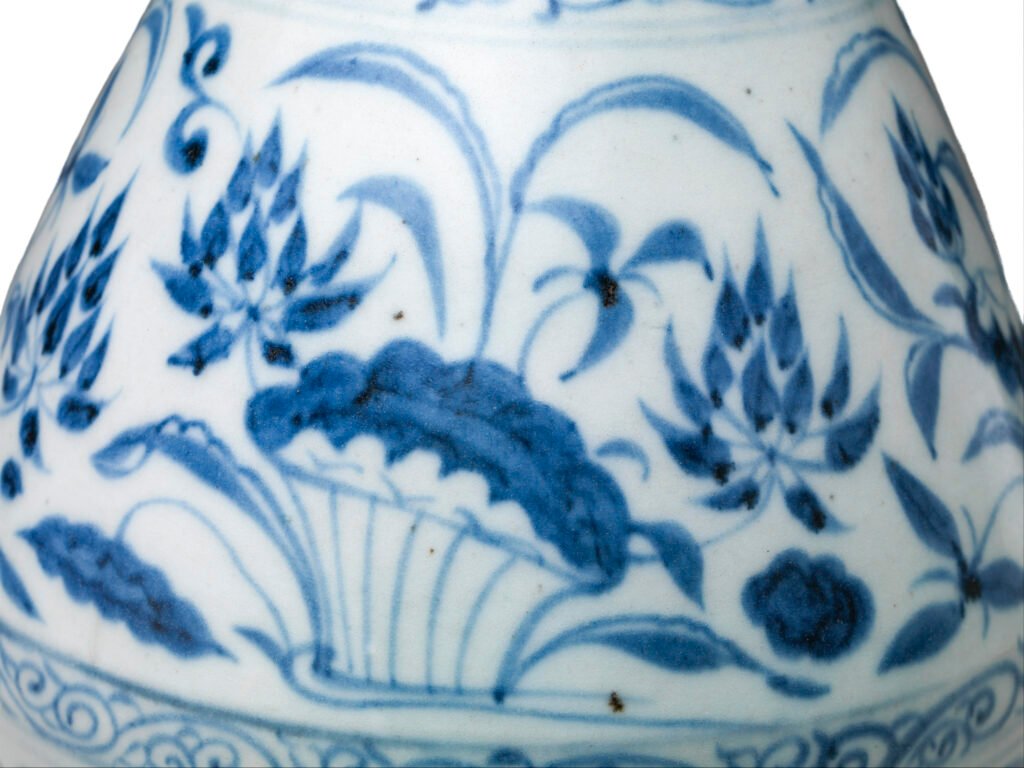
🔵 The cobalt revolution begins.
Imported Persian cobalt and expanding Silk Road trade allowed Jingdezhen to create the first monumental blue-and-white porcelains — a breakthrough that transformed world ceramics.
Imported Persian cobalt and expanding Silk Road trade allowed Jingdezhen to create the first monumental blue-and-white porcelains — a breakthrough that transformed world ceramics.
IV. Ming Dynasty: Court Refinement & Global Demand
Hongwu (1368–1398)
Early Ming wares show restraint: white wares dominated, and blue and white served specific imperial orders.
Yongle (1403–1424)
- extraordinarily thin, bright-bodied porcelain
- fresh, elegant brushwork
- motifs: lotus, peony, classic Yongle panels
Blue appears soft and almost silky, with controlled use of cobalt.
Xuande (1426–1435) — the pinnacle of cobalt painting
- “heaped and piled” technique refined
- blues vary from ink-like washes to velvety thick strokes
- dragons, flowers, and fish rendered with great animation
Chenghua (1465–1487)
- small, intimate pieces
- soft, tender “milk-and-ink” blue
- highly prized by later emperors
Jiajing (1522–1566)
- Daoist motifs (shou, cranes, peaches)
- strong outlines, stylized forms
- cobalt often turns violet or greyish (“violets in milk”)
Wanli (1573–1620)
- export boom begins
- kraak ware for Europe
- lively compositions, compartmentalized borders
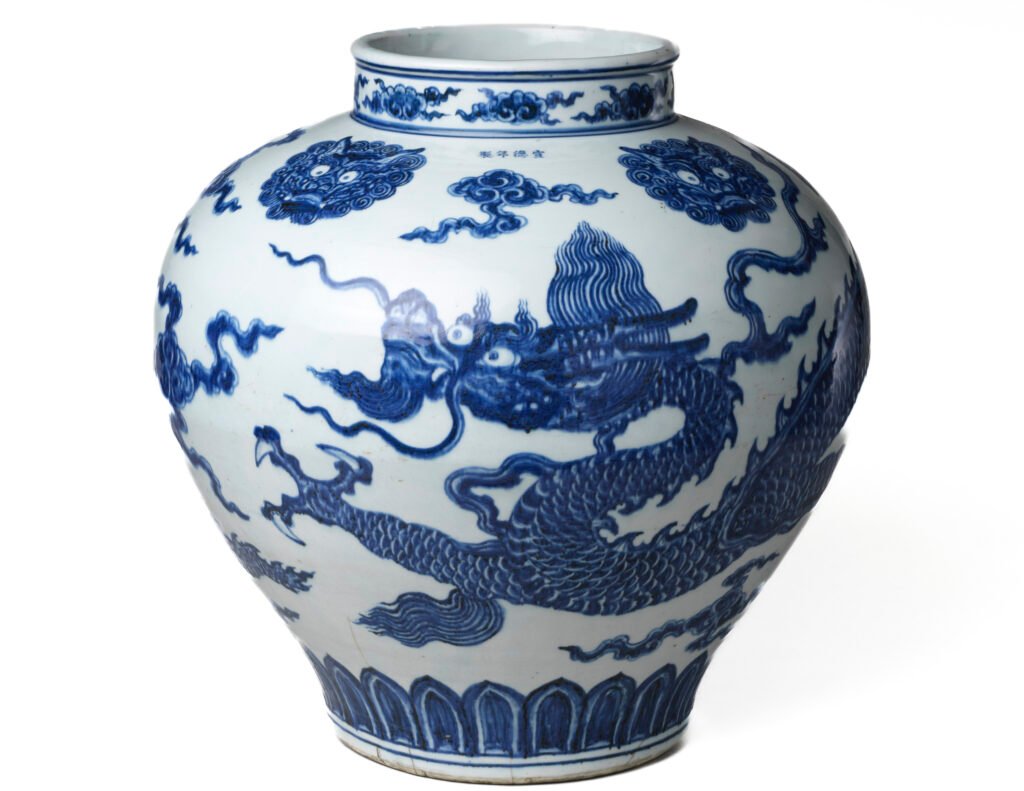
🐉 Ming blue-and-white defined Chinese imperial taste.
From Yongle elegance to Xuande mastery and Wanli export wares, the Ming dynasty elevated cobalt painting into a disciplined, powerful, and globally admired art form.
From Yongle elegance to Xuande mastery and Wanli export wares, the Ming dynasty elevated cobalt painting into a disciplined, powerful, and globally admired art form.
V. Seventeenth Century (Transitional Period)
As the Ming dynasty declined, private kilns gained freedom. Artists painted with unprecedented spontaneity.
Features
- brushwork inspired by literati painting
- narrative scenes: scholars, warriors, Three Kingdoms
- vivid purplish-blue glazes
- innovative shapes (brush pots, censers, beakers)
These wares herald the Qing dynasty’s new aesthetic.
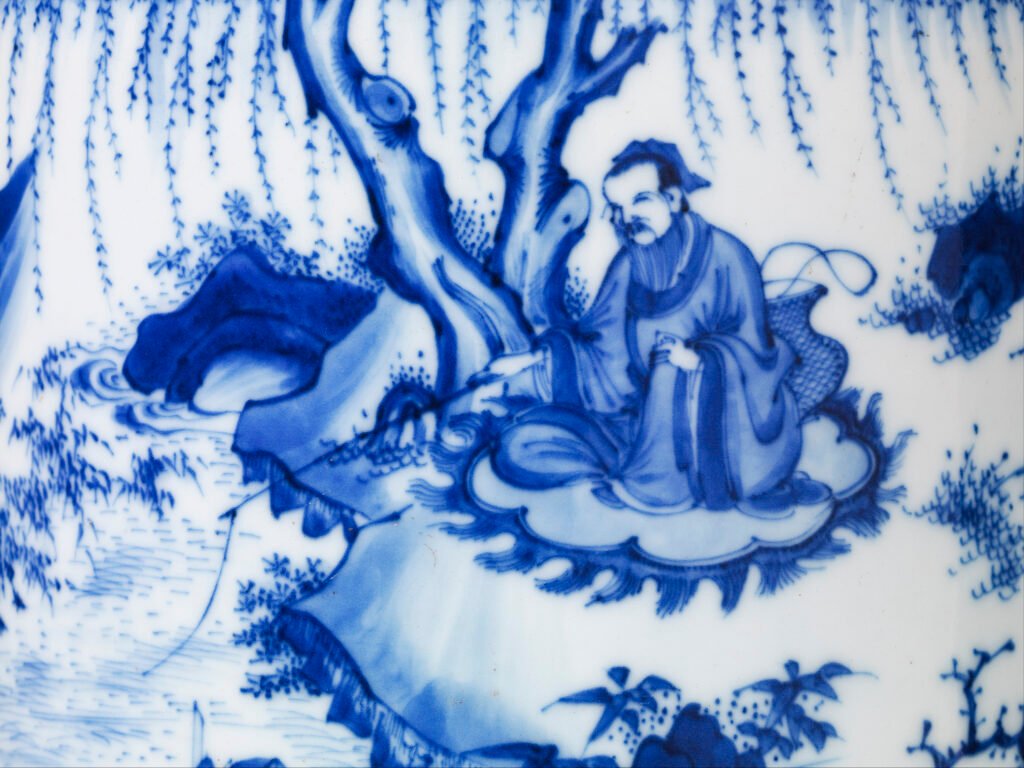
🎨 Private kilns unleash creativity.
With imperial control disrupted, artists embraced spontaneous brushwork, dramatic scenes, and bold storytelling — producing some of the most expressive blue-and-white wares ever made.
With imperial control disrupted, artists embraced spontaneous brushwork, dramatic scenes, and bold storytelling — producing some of the most expressive blue-and-white wares ever made.
VI. Qing Dynasty: Mastery & Reinvention
Kangxi (1662–1722)
- crisp cobalt, luminous glazes
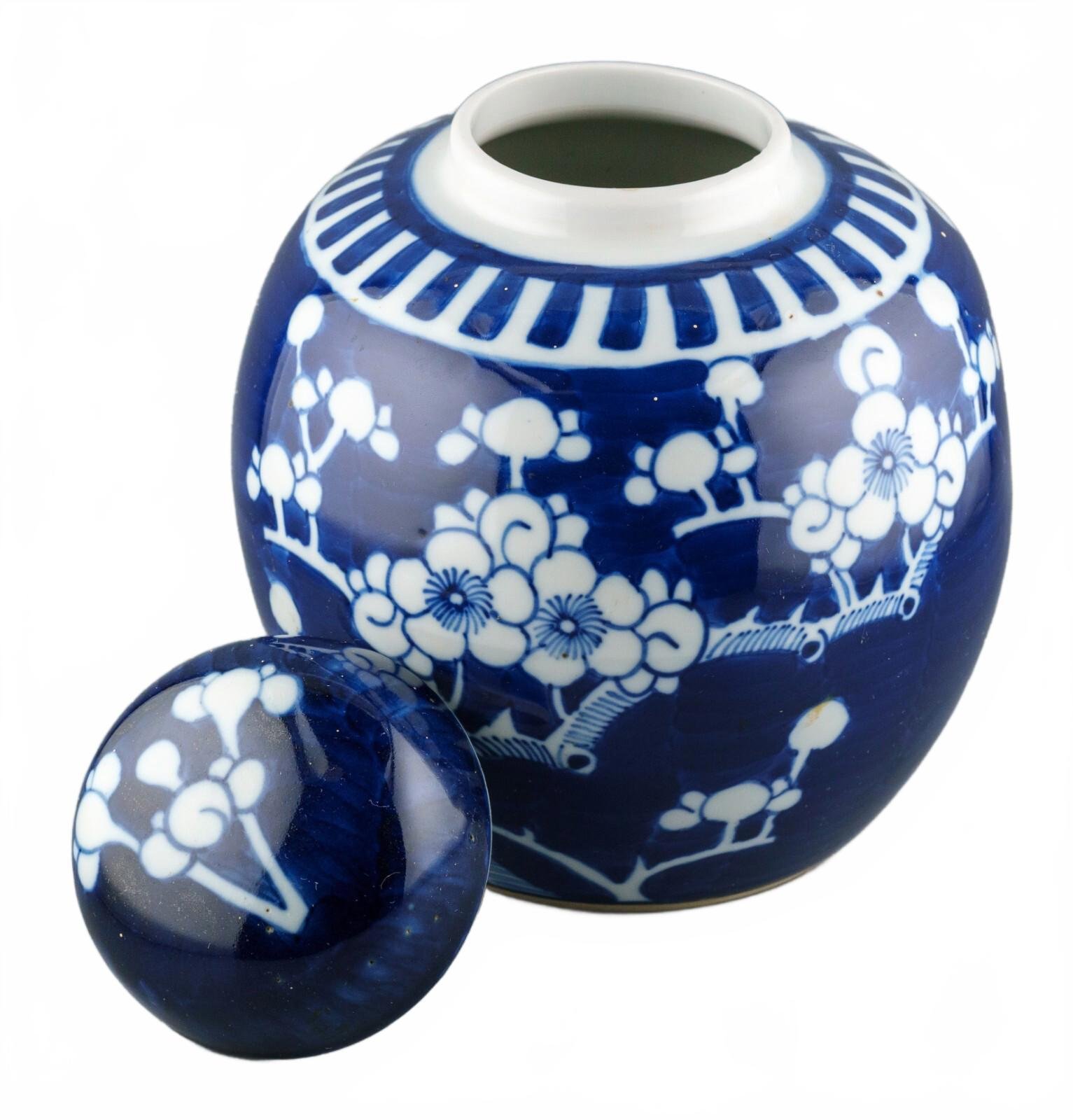
- iconic motifs: dragons, scholar landscapes, prunus on cracked ice
- extraordinary export output (VOC trade)
- some of the finest blue and white ever made
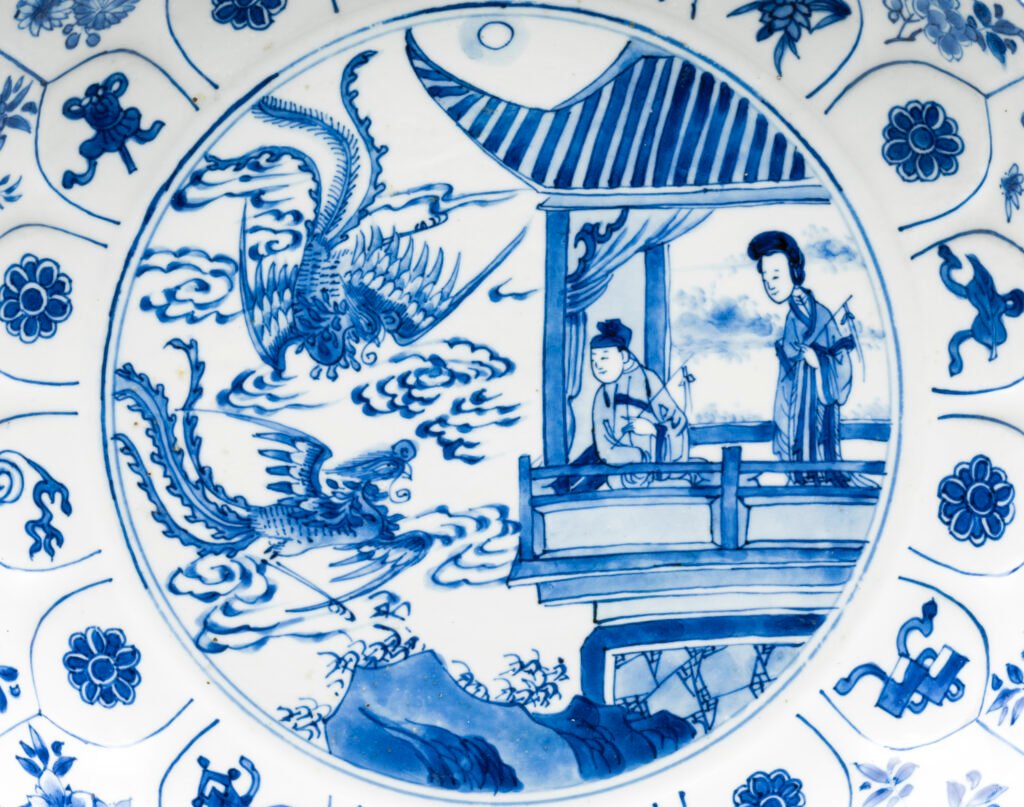
✨ Kangxi porcelain perfected cobalt and fire.
Luminous glazes, pure blue tones, refined shading, and a vast variety of shapes made Kangxi blue-and-white one of the most celebrated achievements in Qing ceramic history.
Luminous glazes, pure blue tones, refined shading, and a vast variety of shapes made Kangxi blue-and-white one of the most celebrated achievements in Qing ceramic history.
Yongzheng (1723–1735)
- refined, elegant, thinly potted
- subtle and sophisticated painting
- revival of early Ming styles executed with precision
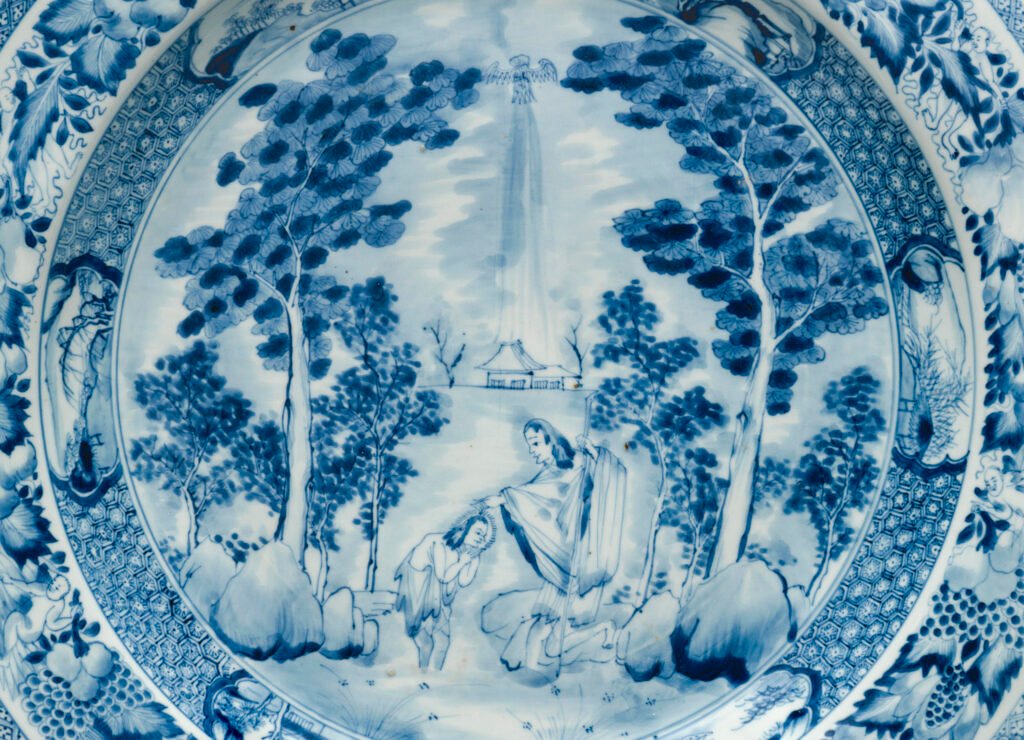
🏛️ Technical precision meets imperial luxury.
The Yongzheng and Qianlong courts revived Ming styles with unmatched finesse, while introducing grand, ornate designs that showcased the full mastery of Qing craftsmanship.
The Yongzheng and Qianlong courts revived Ming styles with unmatched finesse, while introducing grand, ornate designs that showcased the full mastery of Qing craftsmanship.
Qianlong (1736–1795)
- monumental creativity
- imitation of archaic forms
- technical perfection
- dense decorative programs, often mixed with enamels
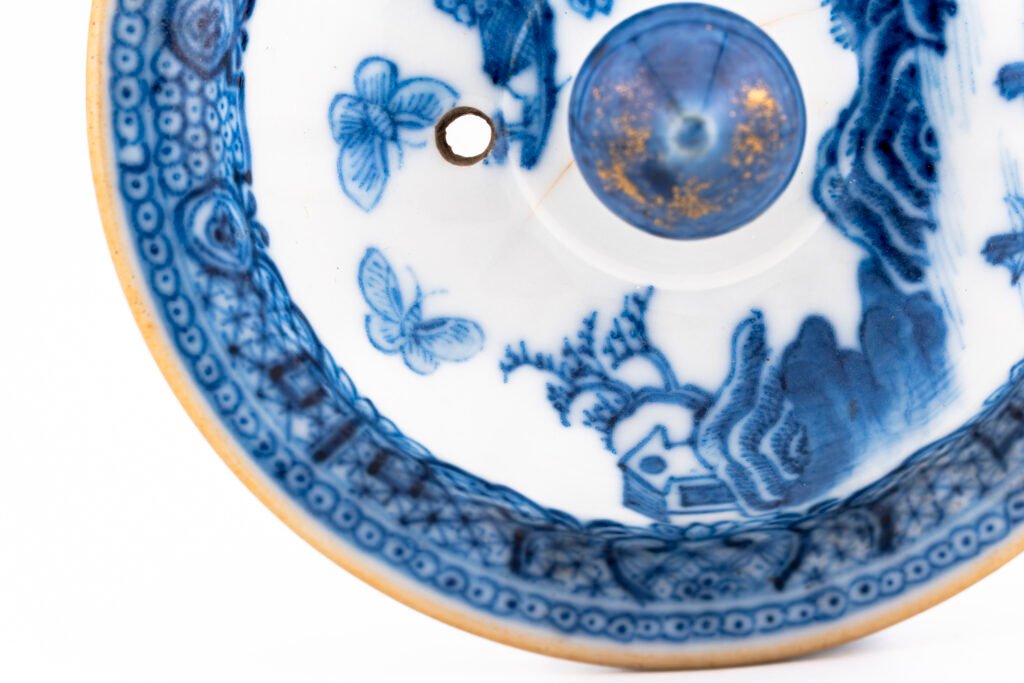
VII. Blue & White for the World: Trade, Exchange & Shipwrecks
Middle East (Yuan–Ming)
The earliest large-scale customers. Influences visible in paneling, scrollwork, and border designs.
Southeast Asia (Philippines, Indonesia, Malaysia)
- Shipwreck finds (e.g., Pandanan wreck) show massive quantities of Yuan and Ming wares
- Local burial customs preserved pieces better than in China
- Demand remained strong through the 14th–17th centuries
Vietnamese blue & white also travelled together with Chinese exports, forming a blended archaeological record.
Europe: From curiosity to obsession
- First pieces reached Europe in the 14th–15th centuries as diplomatic gifts
- Portuguese commissions (1550s) included hybrid motifs:
- European hydra of the Apocalypse
- Arabic inscriptions
- Buddhist emblems
- By the 1600s–1700s, VOC shipments made porcelain a household item
Nanking Cargo & 18th-century trade
- 1752 shipwreck
- thousands of blue & white cups, saucers, dishes
- pine and bamboo motifs
- watery cobalt, strong outlines, export-quality Jingdezhen porcelain
These wares shaped European taste and influenced Delft, Meissen, and later English porcelain (Worcester, Bow).
🚢 Porcelain becomes the world’s first global commodity.
From the Middle East to Southeast Asia, the VOC, and the Nanking Cargo, blue-and-white shaped dining tables, tea rituals, and art collections across continents.
From the Middle East to Southeast Asia, the VOC, and the Nanking Cargo, blue-and-white shaped dining tables, tea rituals, and art collections across continents.
VIII. Vietnamese Blue & White Wares
Often found together with Chinese ceramics in Philippine excavations.
Characteristics
- strong local brush traditions
- lotus, peony, phoenix, and local plant motifs
- rustic yet beautiful charm
- shapes influenced by Chinese examples
Vietnamese kilns (Chu Dau, Hai Hung, etc.) were major exporters in the 15th–16th centuries.
🌿 A parallel tradition with its own charm.
Vietnamese kilns produced bold, expressive blue-and-white wares for regional trade, often found alongside Chinese exports in archaeological sites.
Vietnamese kilns produced bold, expressive blue-and-white wares for regional trade, often found alongside Chinese exports in archaeological sites.
IX. Motifs & Symbolism in Blue & White
| Motif | Meaning |
|---|---|
| Dragon | Power, imperial authority |
| Phoenix | Virtue, harmony |
| Lotus | Purity |
| Carp | Success, perseverance |
| Peony | Wealth |
| Bamboo | Integrity |
| Pine | Longevity |
| Rocks & waves | Stability, cosmic order |
| Daoist emblems | Long life, immortality |
| Islamic scrollwork | Export influence |
| European coats of arms | Early private commissions |
📘 A language of auspicious meaning.
Dragons, phoenixes, lotus, waves, pine, and carp create a visual vocabulary linking imperial authority, nature, philosophy, and blessings for prosperity.
Dragons, phoenixes, lotus, waves, pine, and carp create a visual vocabulary linking imperial authority, nature, philosophy, and blessings for prosperity.
X. Technical Notes & Cobalt Chemistry
Types of cobalt
- Persian cobalt — deep, strong, sometimes blackish
- Local Chinese cobalt — softer, grey-blue
- Mixed pigments used in Ming and Qing dynasty
Kiln effects
- “heaped and piled” (dark spots where pigment gathers)
- “violets in milk” (soft purple tones)
- bubble effects under thick glaze
- silvery-blue on thin Yongle pieces
Grounds
- white porcelain body
- occasionally reserved white designs on a blue wash (Yuan)
🔬 Cobalt chemistry transforms porcelain.
From Persian minerals to refined Qing mixtures, the evolution of cobalt pigments shaped shades of blue, firing effects, and the character of each dynasty’s ceramics.
From Persian minerals to refined Qing mixtures, the evolution of cobalt pigments shaped shades of blue, firing effects, and the character of each dynasty’s ceramics.
XI. Timeline Overview
A website accordion will match your Famille Rose layout:
- c. 618–906 — Tang experiments
- 960–1279 — Song foundations
- 1279–1368 — Yuan explosion & export boom
- 1368–1644 — Ming refinement & global trade
- 1644–1722 — Transitional freedom & Kangxi brilliance
- 1723–1795 — Yongzheng precision, Qianlong splendour
- 19th century — Canton export, Nanking Cargo, global circulation
🧭 Understanding nuance is the collector’s advantage.
Brushwork, cobalt tone, glaze quality, and kiln characteristics reveal a piece’s origins — guiding both scholarship and the modern market.
Brushwork, cobalt tone, glaze quality, and kiln characteristics reveal a piece’s origins — guiding both scholarship and the modern market.
XII. Conclusion
Blue and white porcelain is both a Chinese creation and a world treasure. No other ceramic style travelled so widely, adapted so freely, or inspired so many cultures. Whether softly brushed in the Ming court or boldly painted for Southeast Asian voyages, blue and white embodies the meeting of artistry, chemistry, and global history.
Its beauty lies not only in cobalt’s depth, but in its ability to connect cultures — a bond that continues today among collectors, scholars, and admirers around the world.
XIII. Sources & Credits
(Formatted exactly like your Famille Rose page)
Museum & auction documents
Liang, Chinese Ceramics
Medley, The Chinese Potter
Kerr, Porcelain of the Ming Dynasty
Gotuaco, Tan & Diem, Chinese & Vietnamese Blue and White Wares Found in the Philippines
Rose Kerr, Chinese Ceramics: Porcelain of the Qing
D.F. Lunsingh Scheurleer, Chinese Export Porcelain