
The Donkey Rider
A Story of Poetry, Mountains, and Quiet Freedom
Somewhere in the mountains of China — not in one place, but in many — a small figure moves slowly along a narrow path.
He does not hurry.
The wind passes through the pines. Mist settles between distant peaks. Snow begins to gather on rock and branch. Beneath him walks a modest animal, steady and patient, carrying a man who seems less concerned with arrival than with the journey itself.
For centuries, Chinese painters returned to this moment: the donkey rider traveling through landscape. And over time, the figure became something larger than a traveler — he became a story.
🌫 The Beginning: A Man Who Refused the World
Long before painters fixed the image in ink and porcelain, there were stories of men who preferred mountains to court life. One of the earliest was Ruan Ji (210–263), remembered not for rank but for distance from it.
Later writers described him wandering freely, sometimes aimlessly, often lost in thought. He drank wine, ignored convention, and seemed more at ease among hills and wind than among officials. In stories told generations later, he rides without destination until the road simply ends.
In memory, he becomes the first rider: not traveling toward ambition, but away from it.
❄️ The Poet in Winter
Centuries later, another name joined the story: Meng Haoran (689–740).
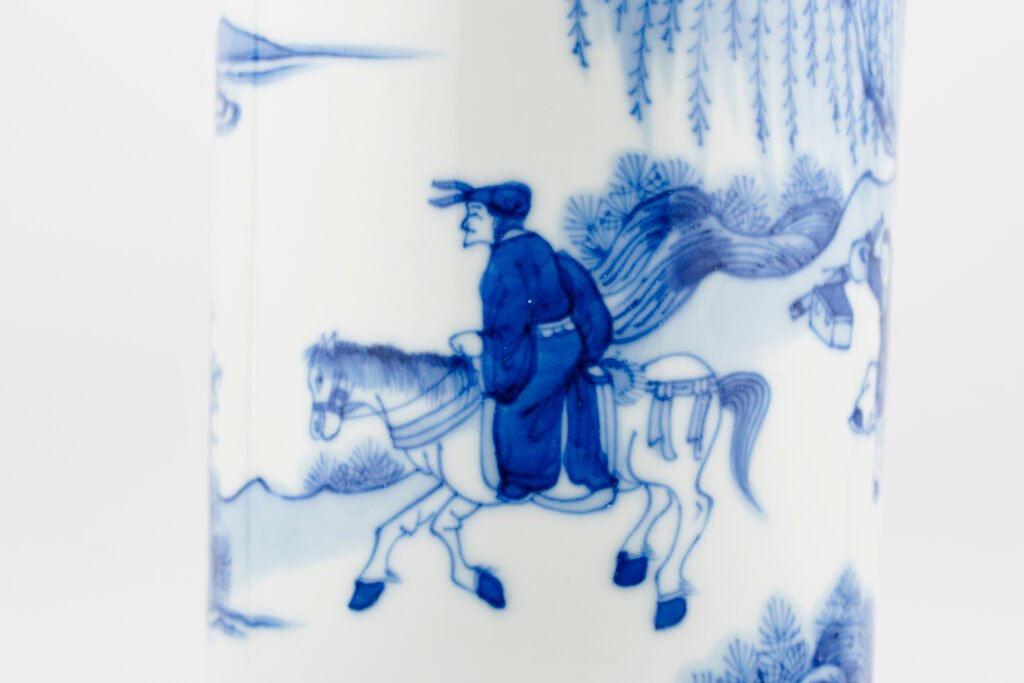
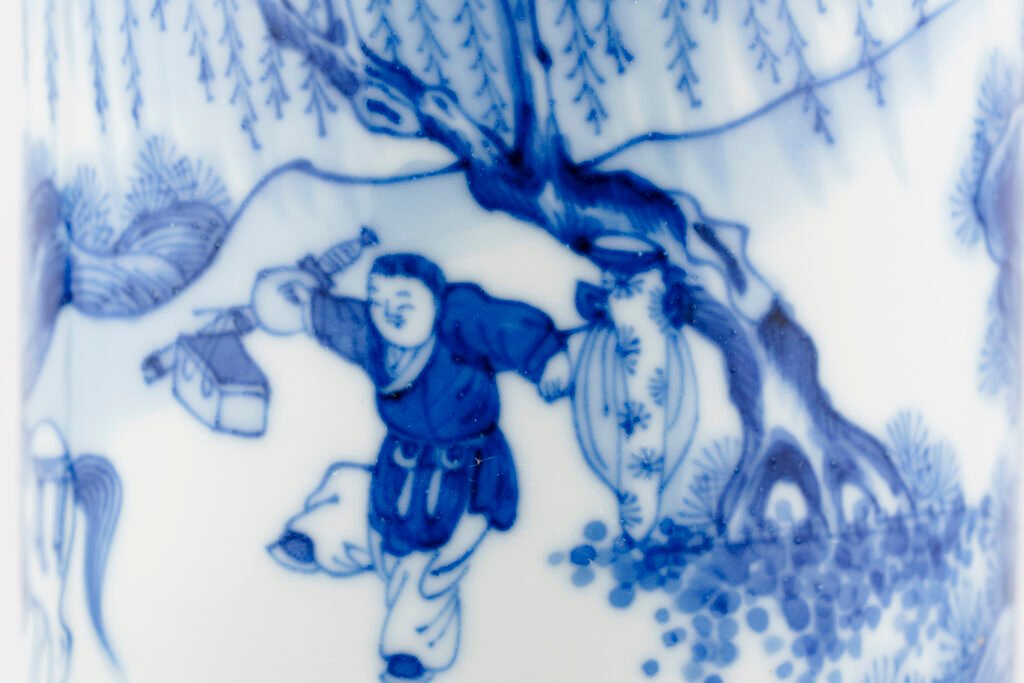
He lived quietly, wrote gently, and preferred rivers and hills to city gates. Later painters imagined him traveling in winter, wrapped in robes, attended by a young servant carrying books or a small bundle of belongings.
Whether or not he truly rode this way mattered less than what he represented:
👉 poetry shaped by observation
👉 solitude chosen, not imposed
👉 silence filled with meaning
When collectors later saw donkey riders crossing bridges through snow, many thought immediately of Meng Haoran.
🍶 The Rider Who Carried History
Then came Du Fu (712–770), whose journeys were not quiet but heavy. War displaced him. Hunger followed him. His poems carried sorrow alongside moral clarity.
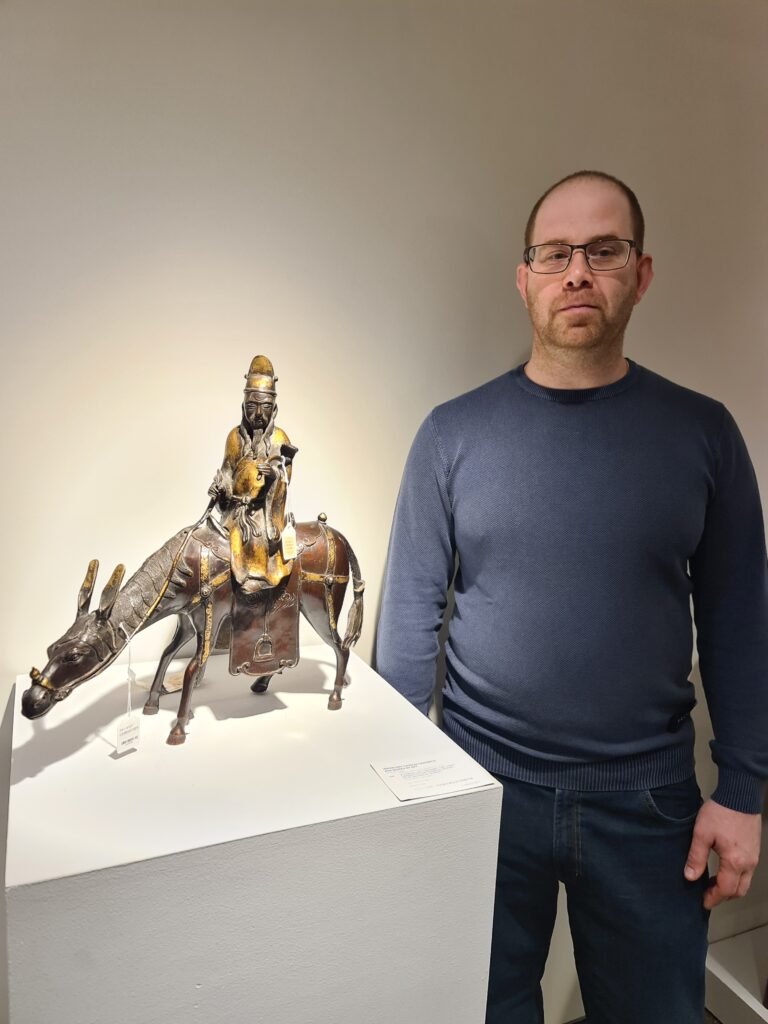
In later imagination, he too appears on the road — sometimes weary, sometimes unsteady, sometimes returning home after drink. The donkey beneath him moves with patience through difficult landscapes.
Here the rider becomes something else: not peace, but endurance.
✍️ The Riders of Thought
Stories multiplied.
Jia Dao (779–843) was said to become so absorbed in revising a line of poetry while riding that he failed to notice where he was going.
Li He (790–816) traveled with a servant carrying paper into which he dropped newly formed lines as they came to him.
These riders were not simply travelers.
They were listening.
Listening to wind, hoofsteps, cold air, memory — and to the sudden arrival of language.
⛰ The Man Who Looked Back
By the Song dynasty, the story deepened again. One poet, Pan Lang (d. 1009), was remembered for riding backward on his donkey as he returned to court so he could keep watching the mountains behind him.
Painters loved the image.
It spoke of longing, memory, and the impossibility of leaving a place unchanged.
🎨 The Painters Understand
When landscape painting reached its height in the Song period, artists placed donkey riders carefully within vast compositions.
They appear:
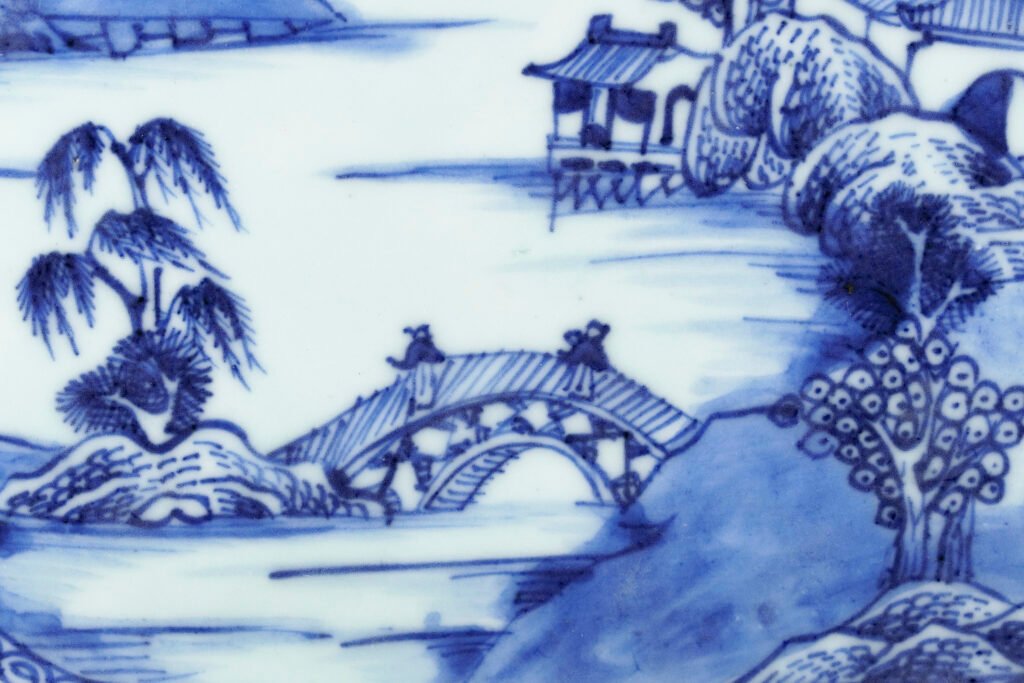
• crossing bridges
• emerging from forest paths
• disappearing into mist
• moving toward distant peaks
The rider does not dominate the scene. Instead, he gives scale to mountains and time to space. Through him, viewers enter the landscape slowly, as if traveling themselves.
🏺 The Story Travels to Porcelain
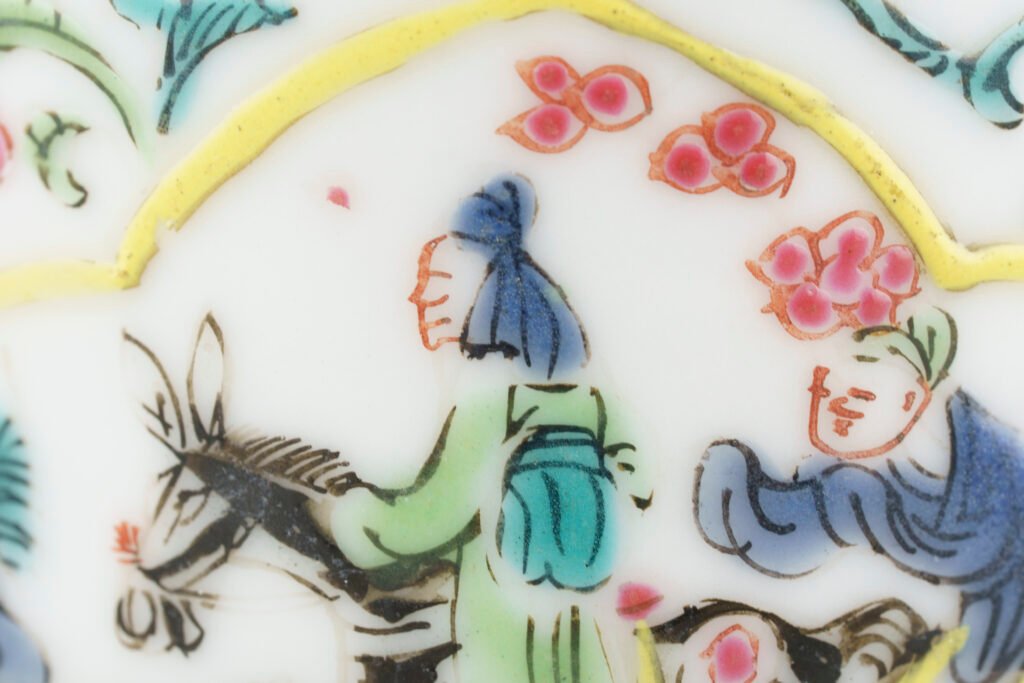
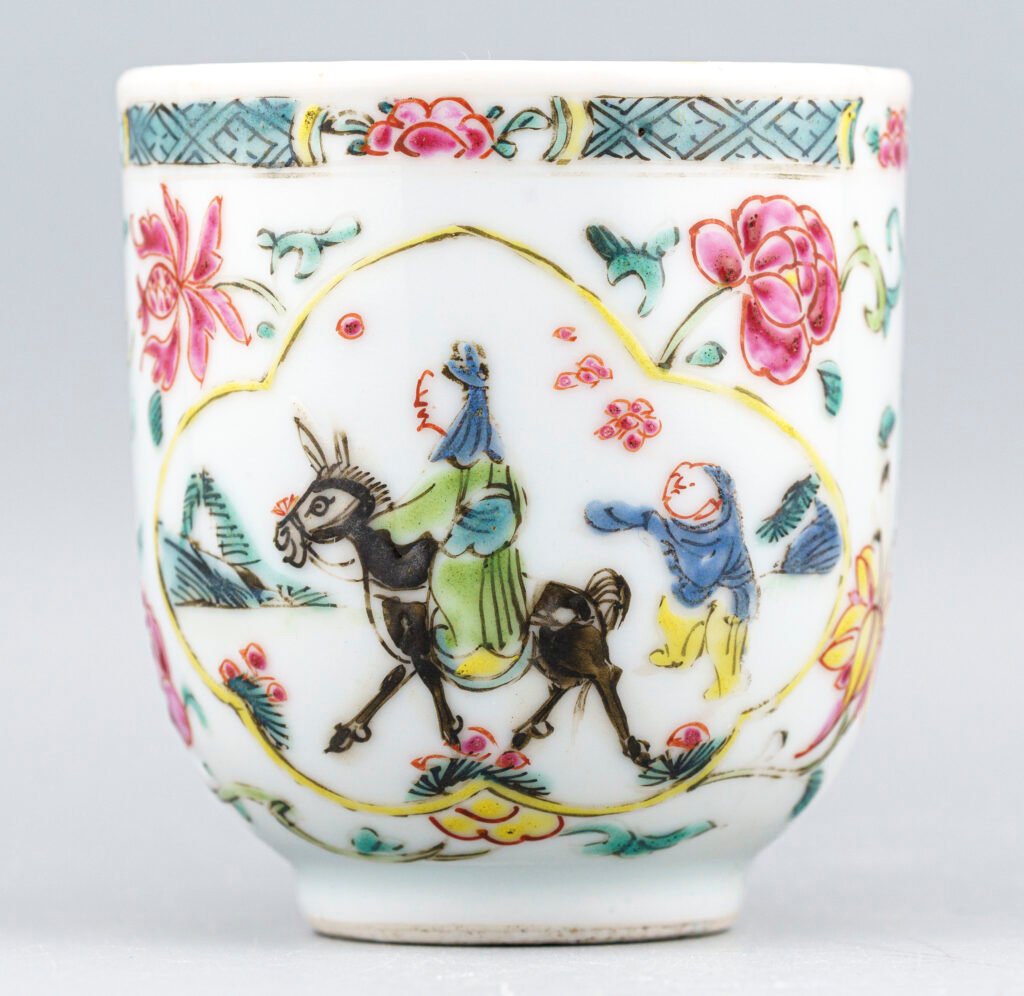
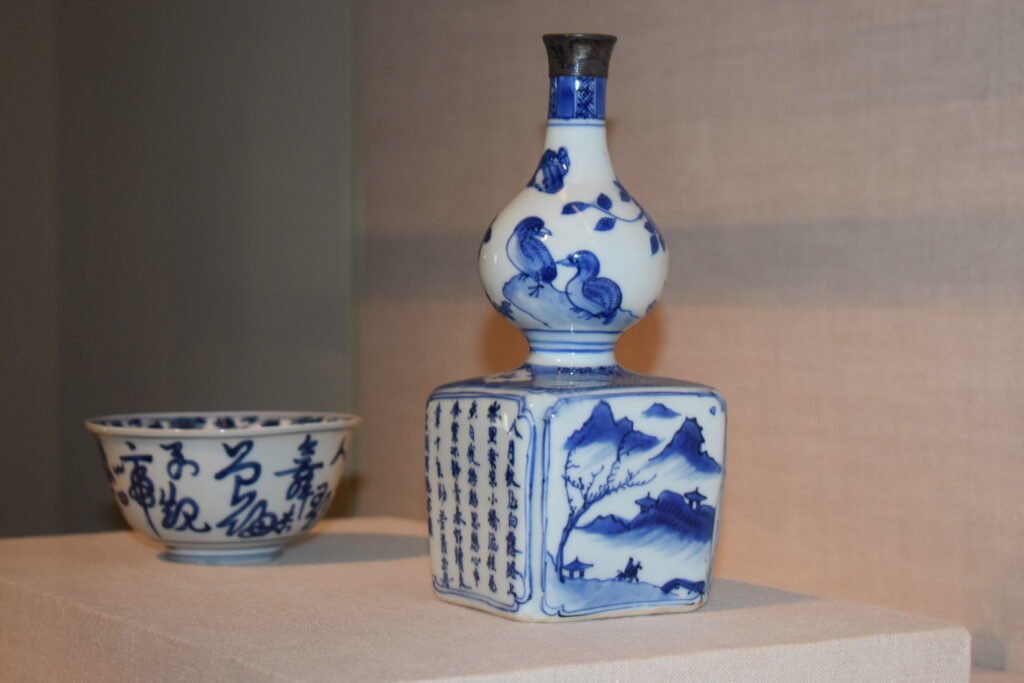
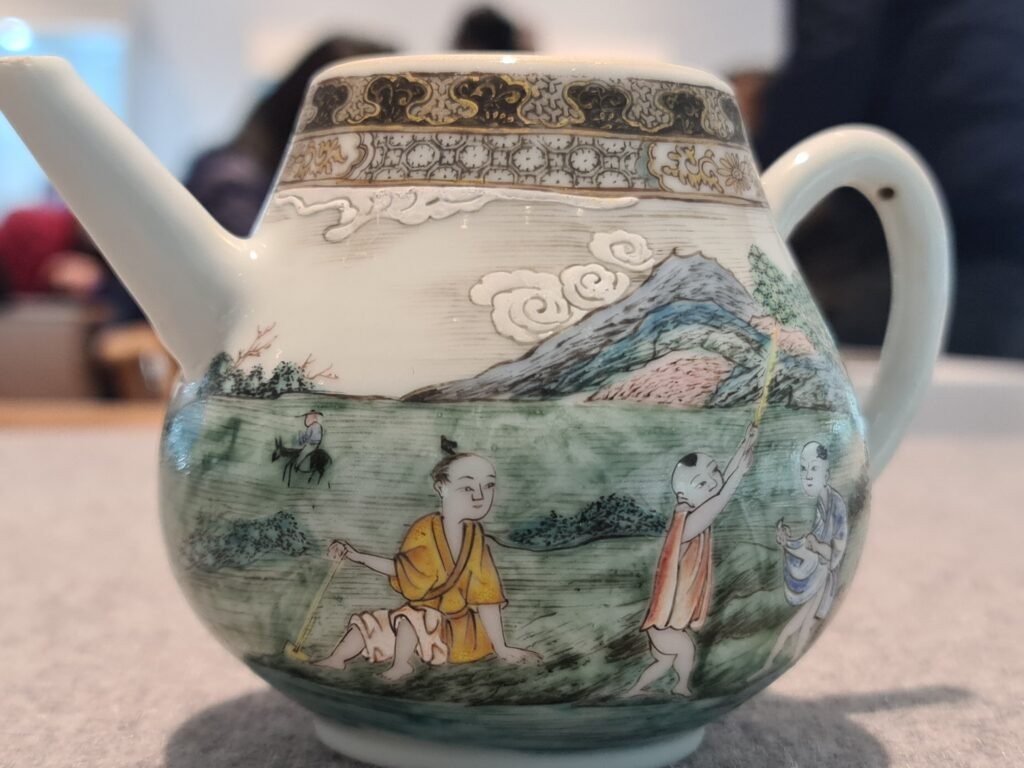
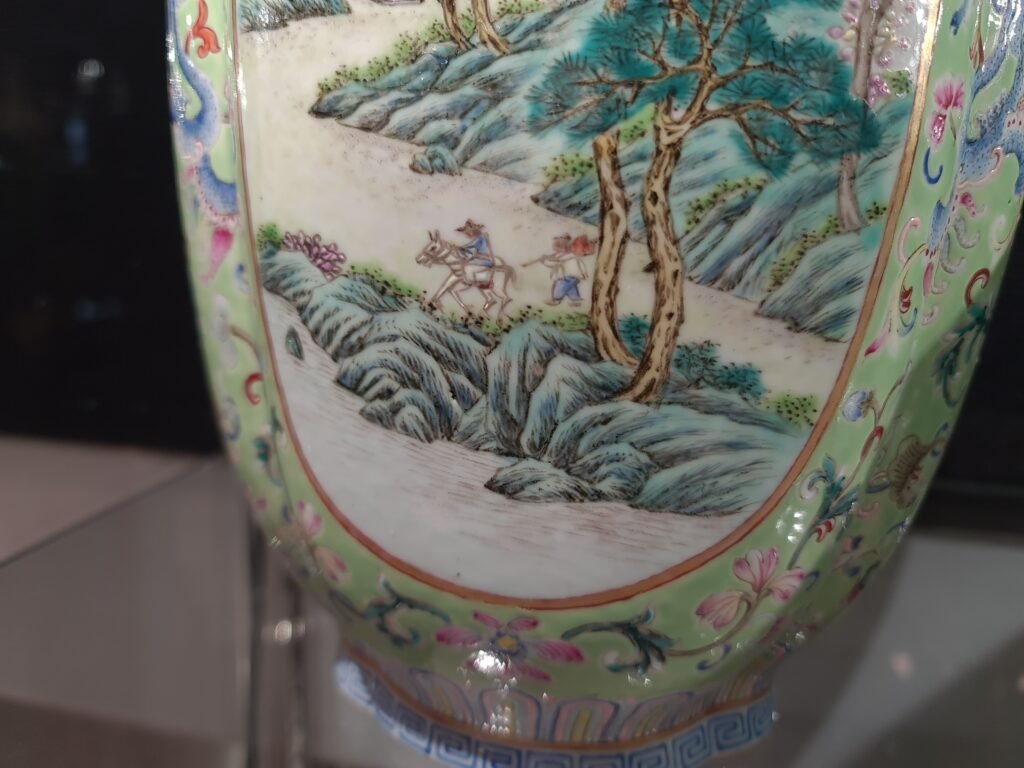
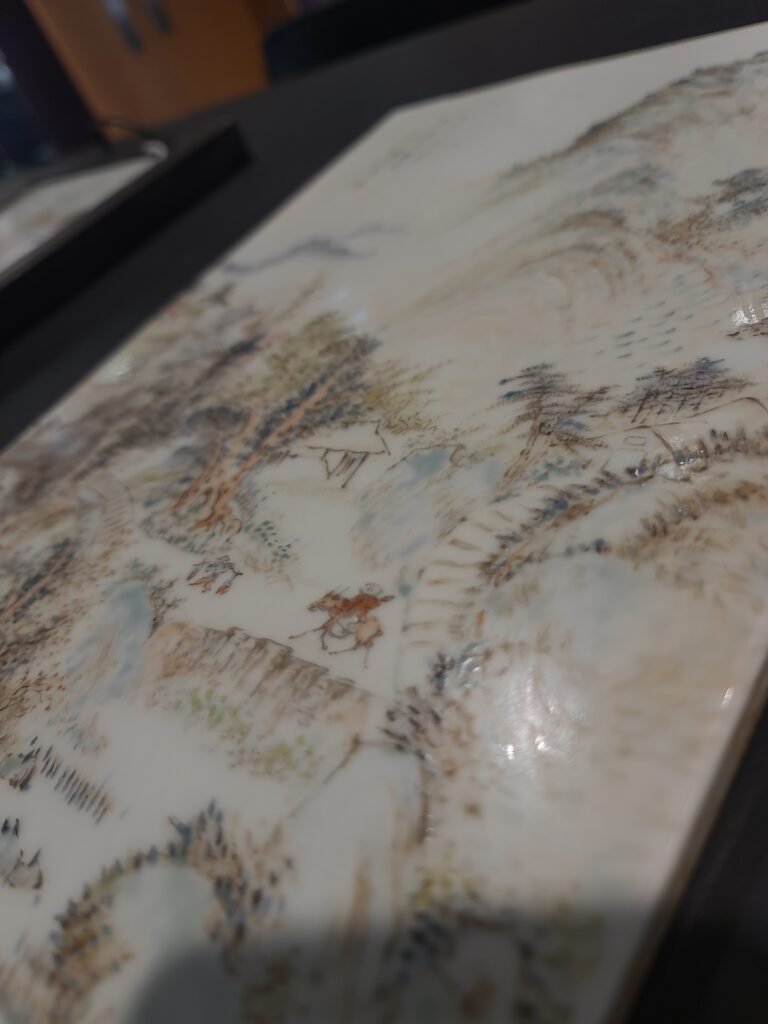
Centuries later, artisans painted donkey riders onto porcelain — Kangxi bowls, Qing snuff bottles, delicate cups and dishes.
Collectors recognized them instantly.
They saw:
👉 Meng Haoran in winter
👉 Du Fu in hardship
👉 poets in thought
👉 scholars in retreat
But most of all, they saw themselves — or the life they admired.
🌿 Why the Story Endures
The donkey rider survives because he is never fixed. He is many men and no single man. He belongs equally to history and imagination.
He reminds us:
• that travel can be inward
• that thought requires distance
• that silence is not empty
• that freedom may look quiet
And so the small rider continues forward — slowly, patiently — through mountains that never end.