



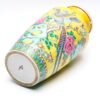
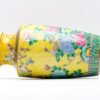
Japanese Porcelain Dish Phoenix Garden Famille Jaune Border Kutani Meiji 19C
£75.00 Sold
Inventory Code: INV4453
International Shipping
We ship worldwide using tracked and insured services. Prices are calculated at checkout. All items are securely packaged with care and experience.
Pricing
Prices reflect past sales and our assessment of each item’s rarity and condition. Contact us if you would like to discuss.
Research
All item details are based on our own research and evaluation. We welcome questions or feedback.
Authenticity
Every item is guaranteed to be as described, with provenance provided where available.
Refunds
We accept returns within 14 days of delivery. Please contact us first to arrange a return and refund.
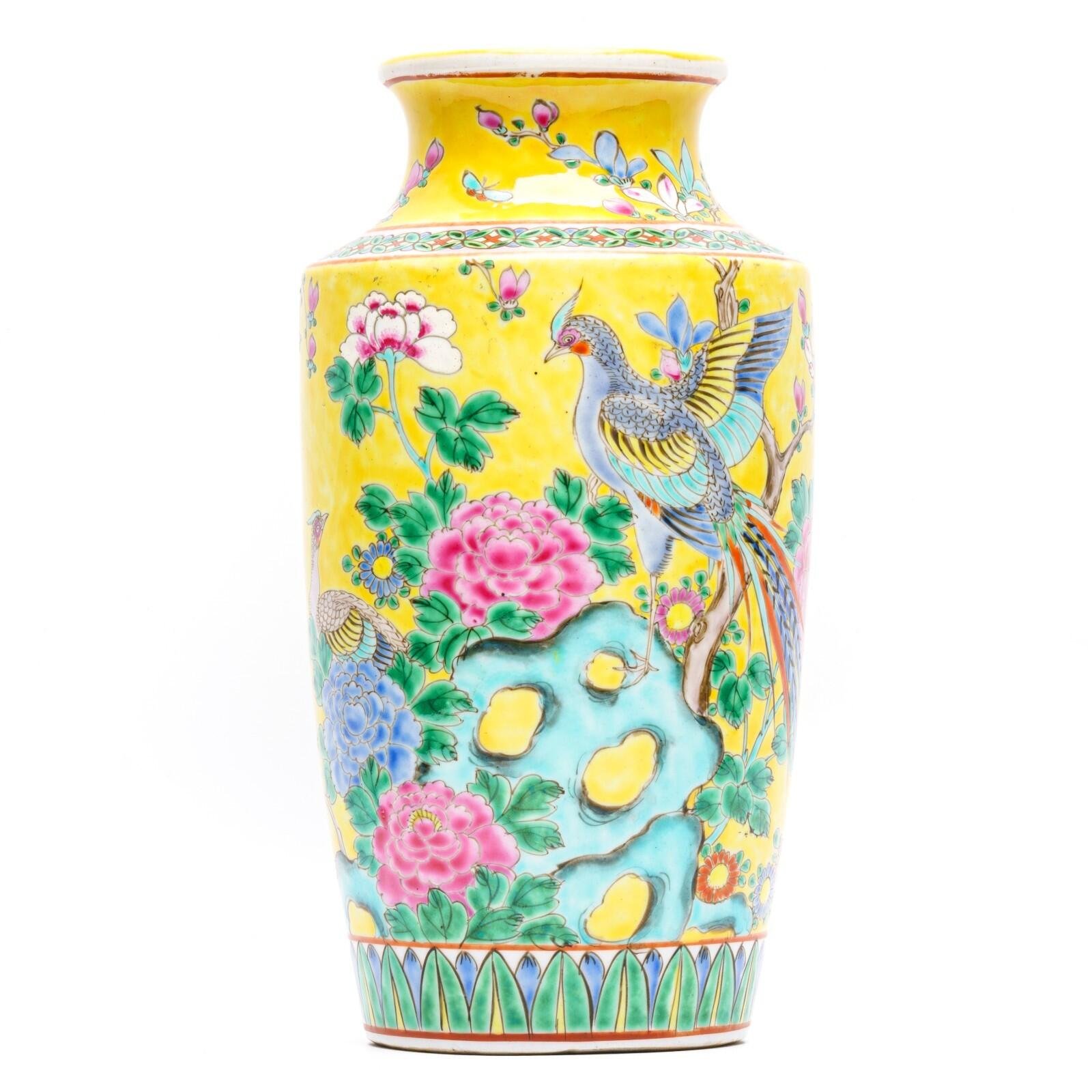
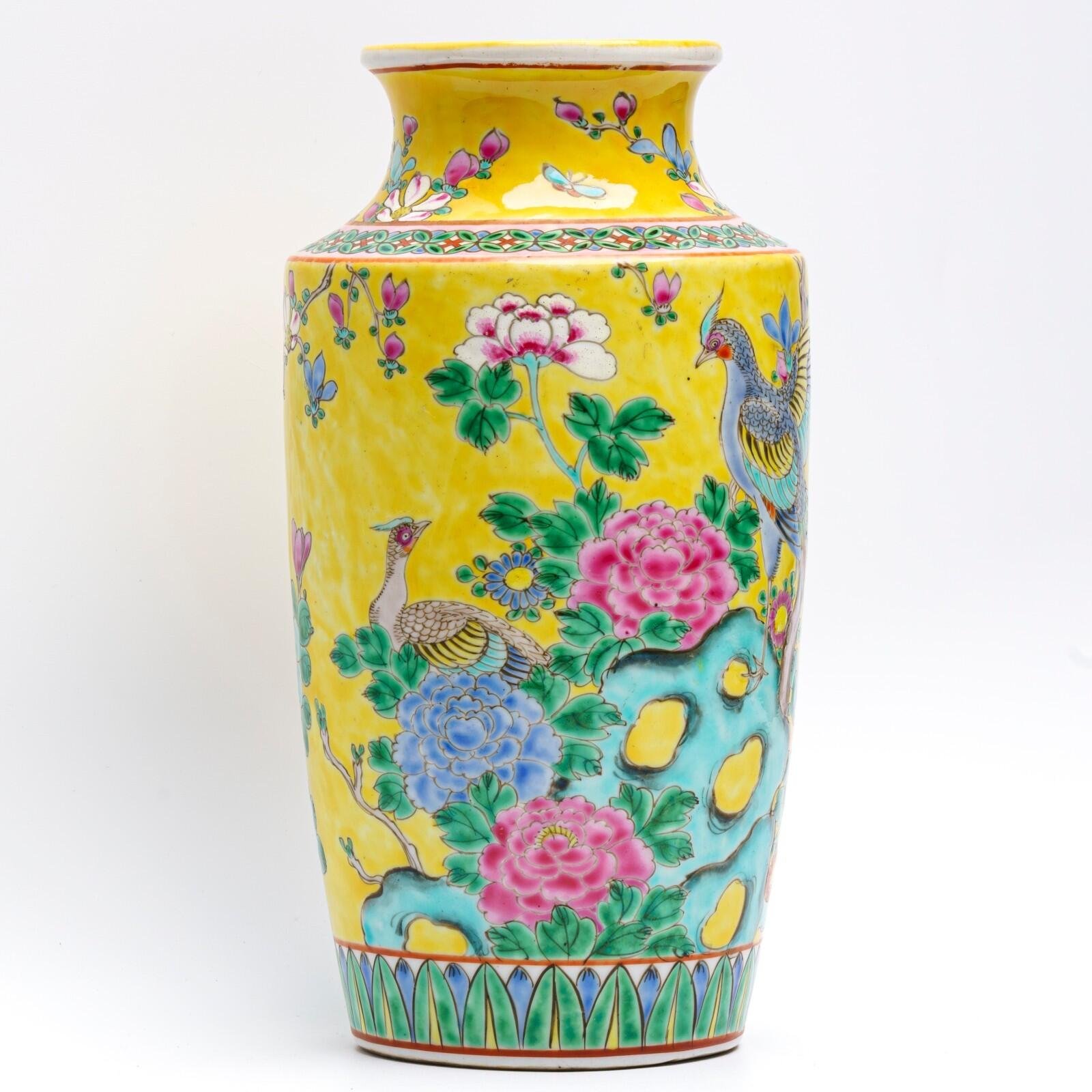
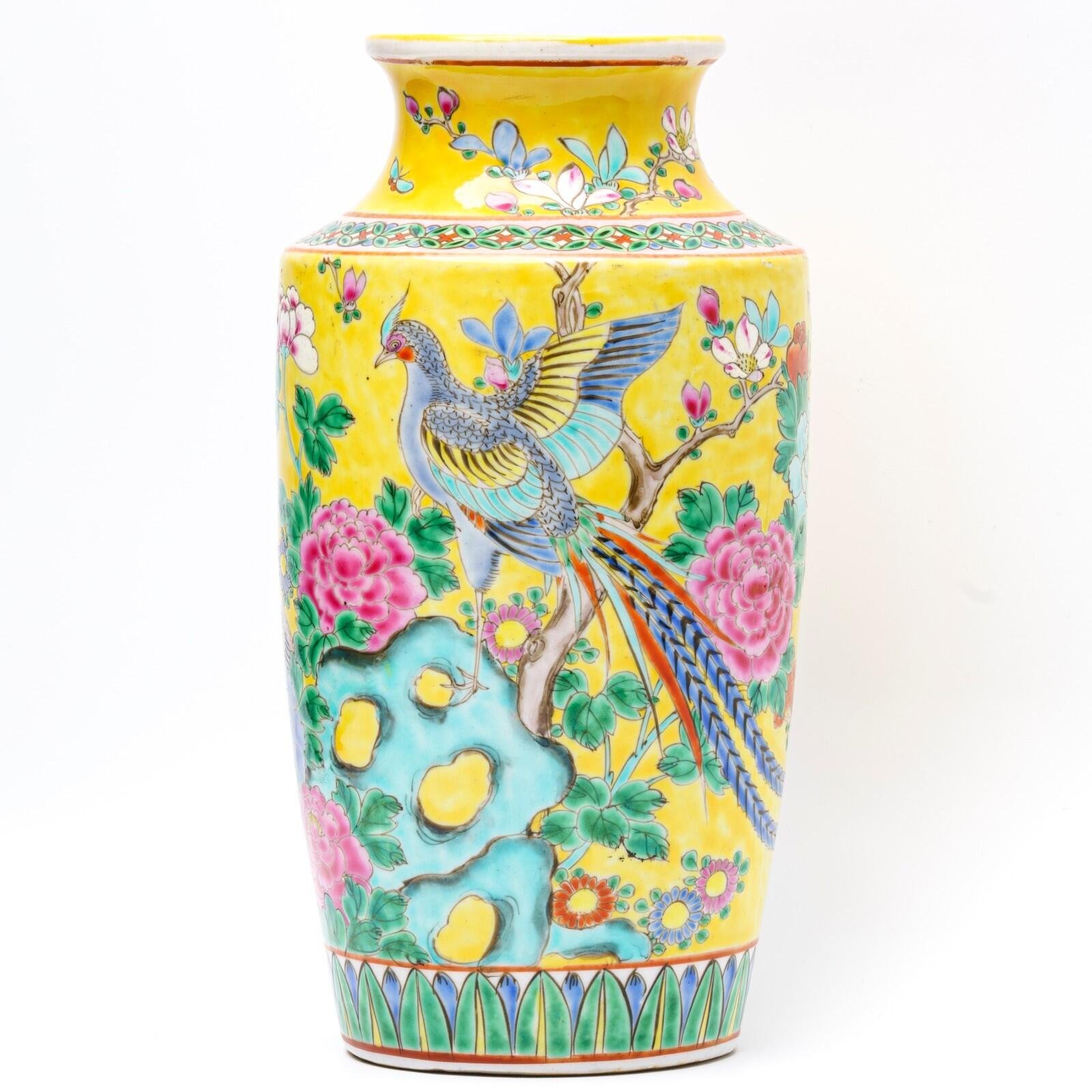
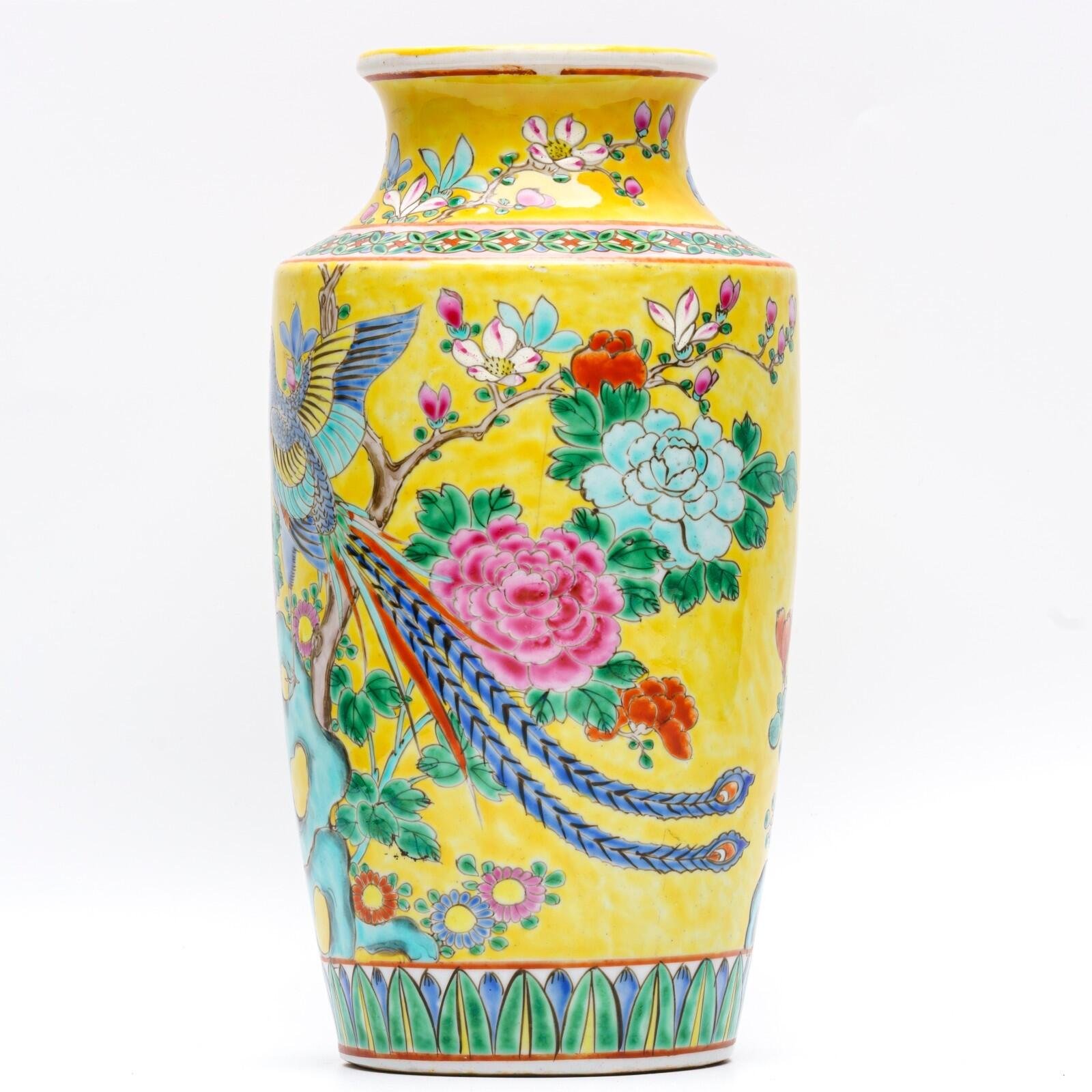
Japanese Porcelain Dish Phoenix Garden Famille Jaune Border Kutani Meiji 19C
ITEM DETAILS
Inventory Code: INV4453
Object: Vase
Material: Porcelain
Origin: Japan
Period: Meiji Period
Date: 19th Century
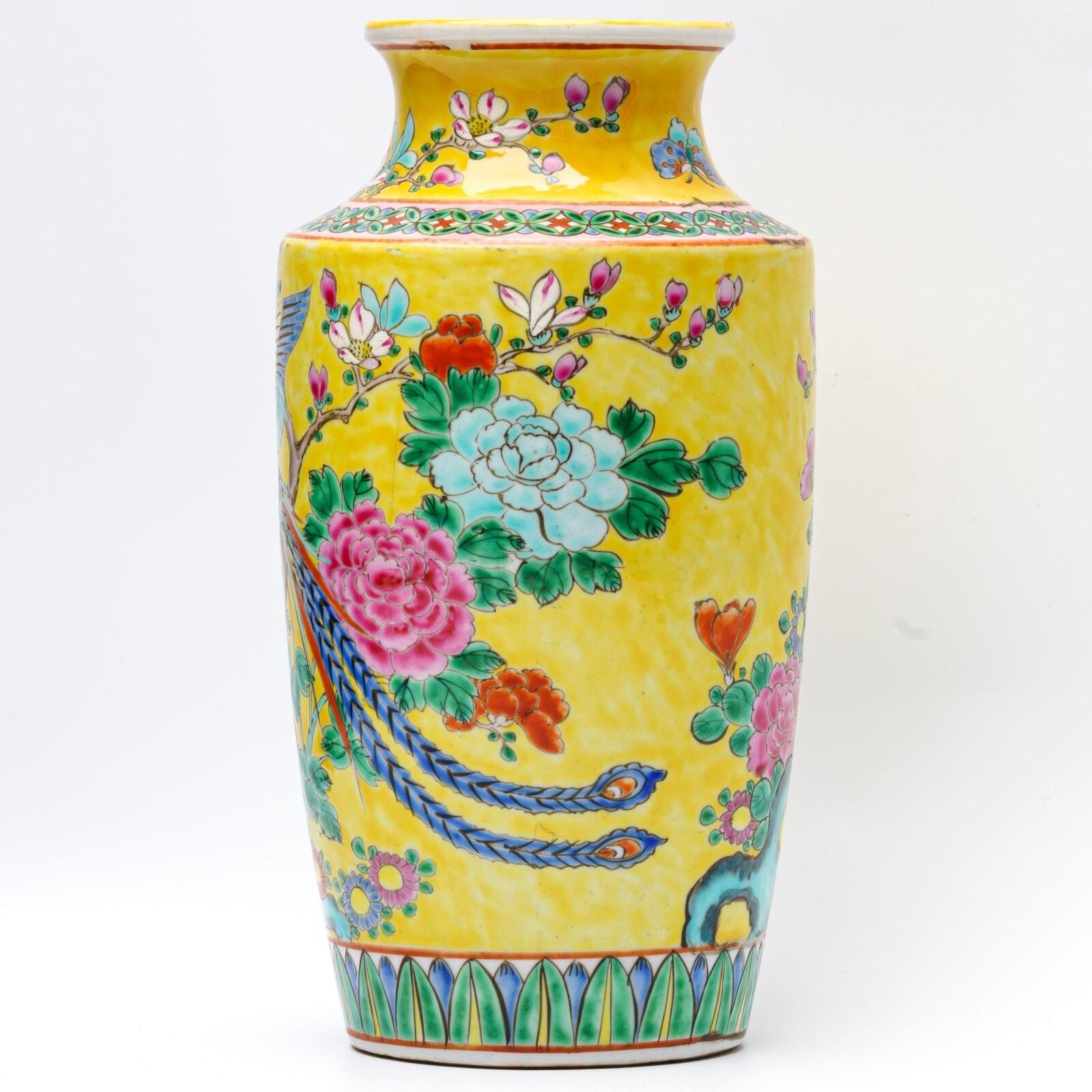
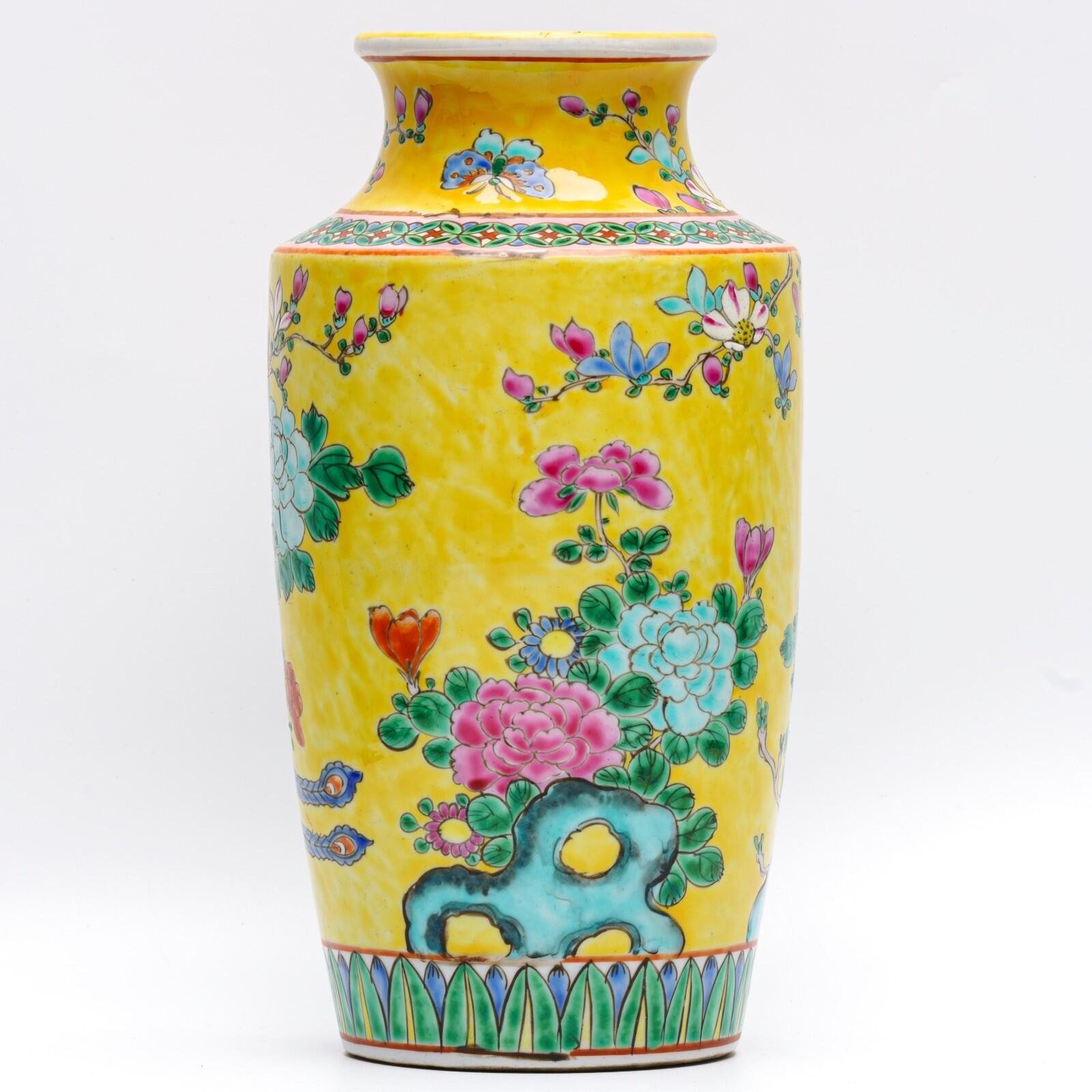
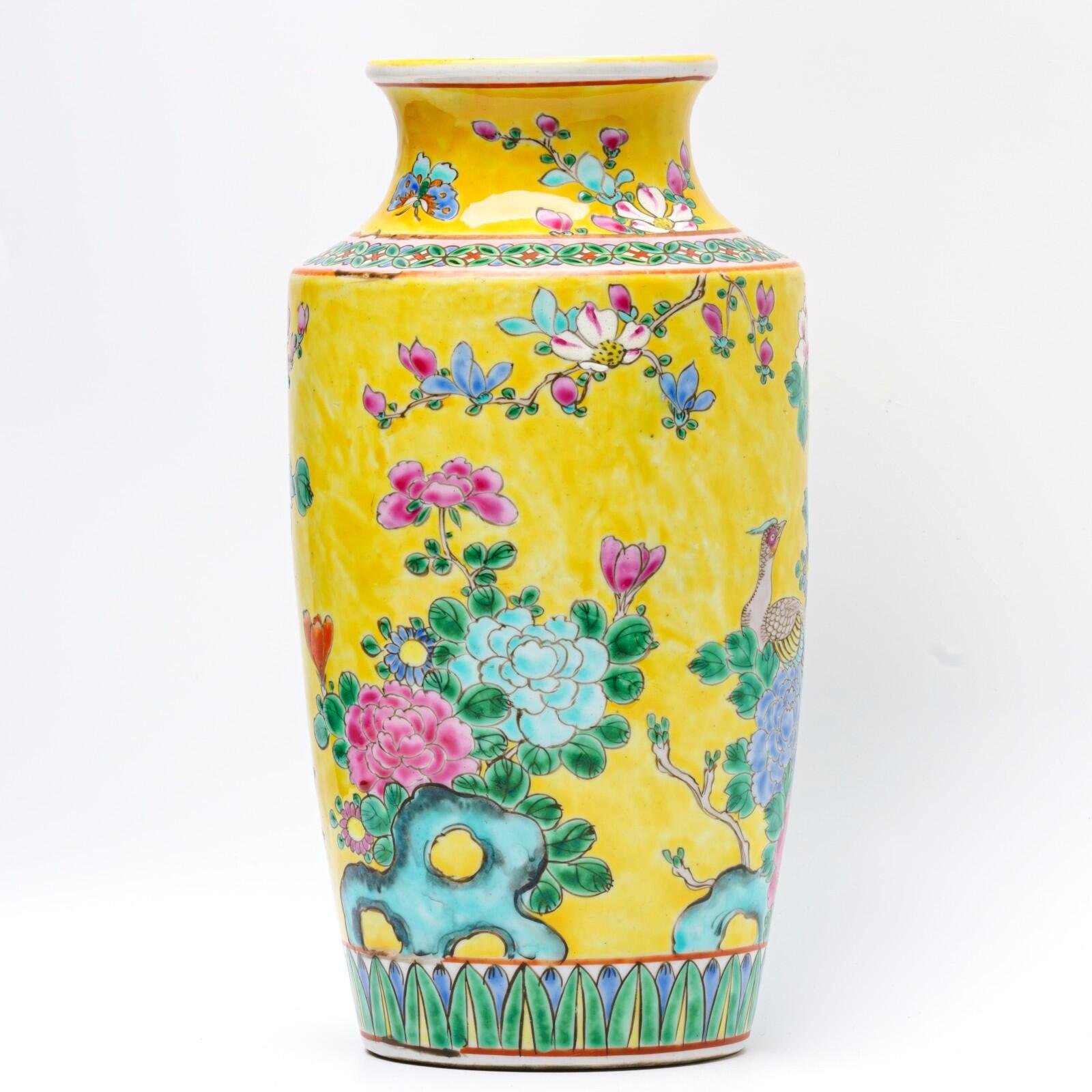
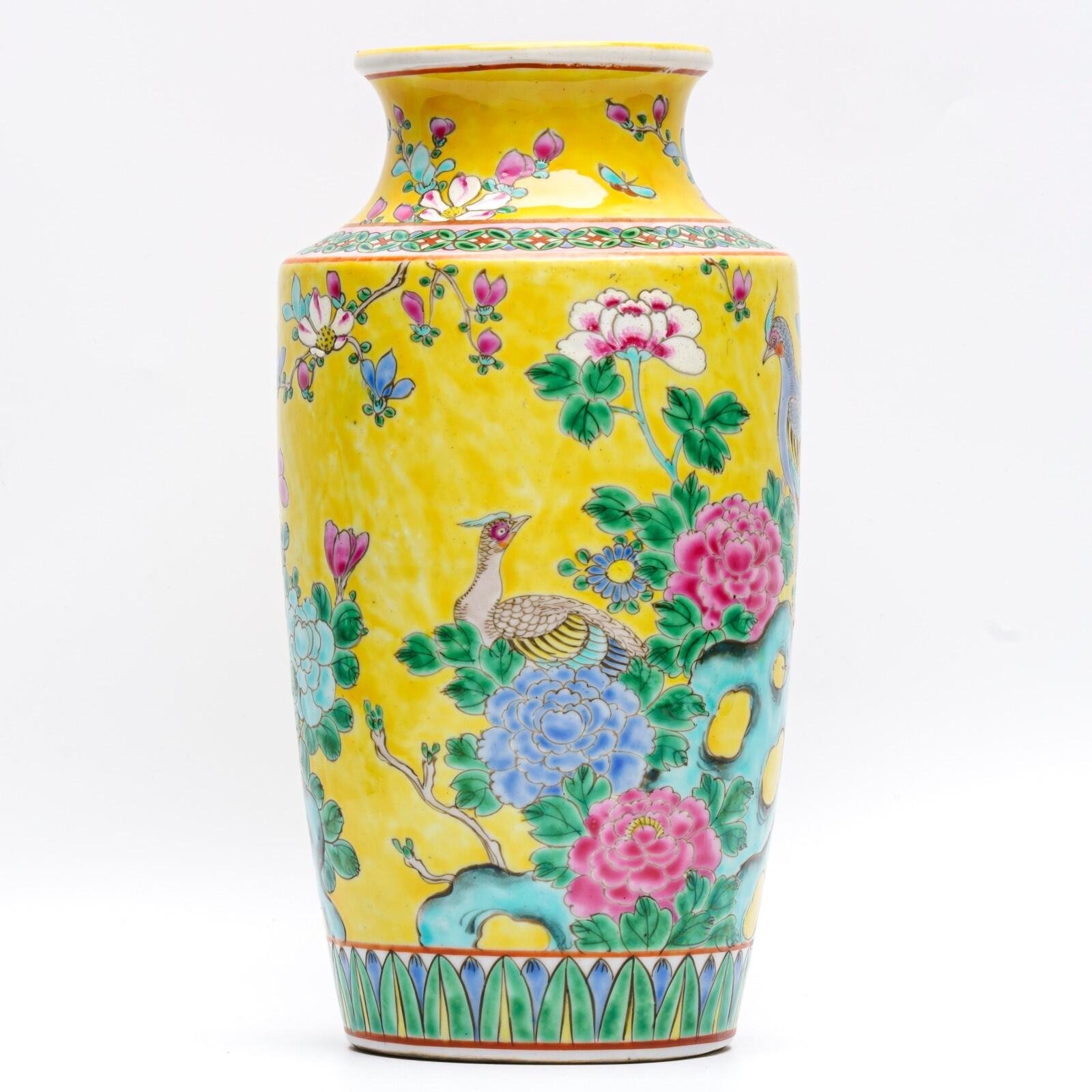
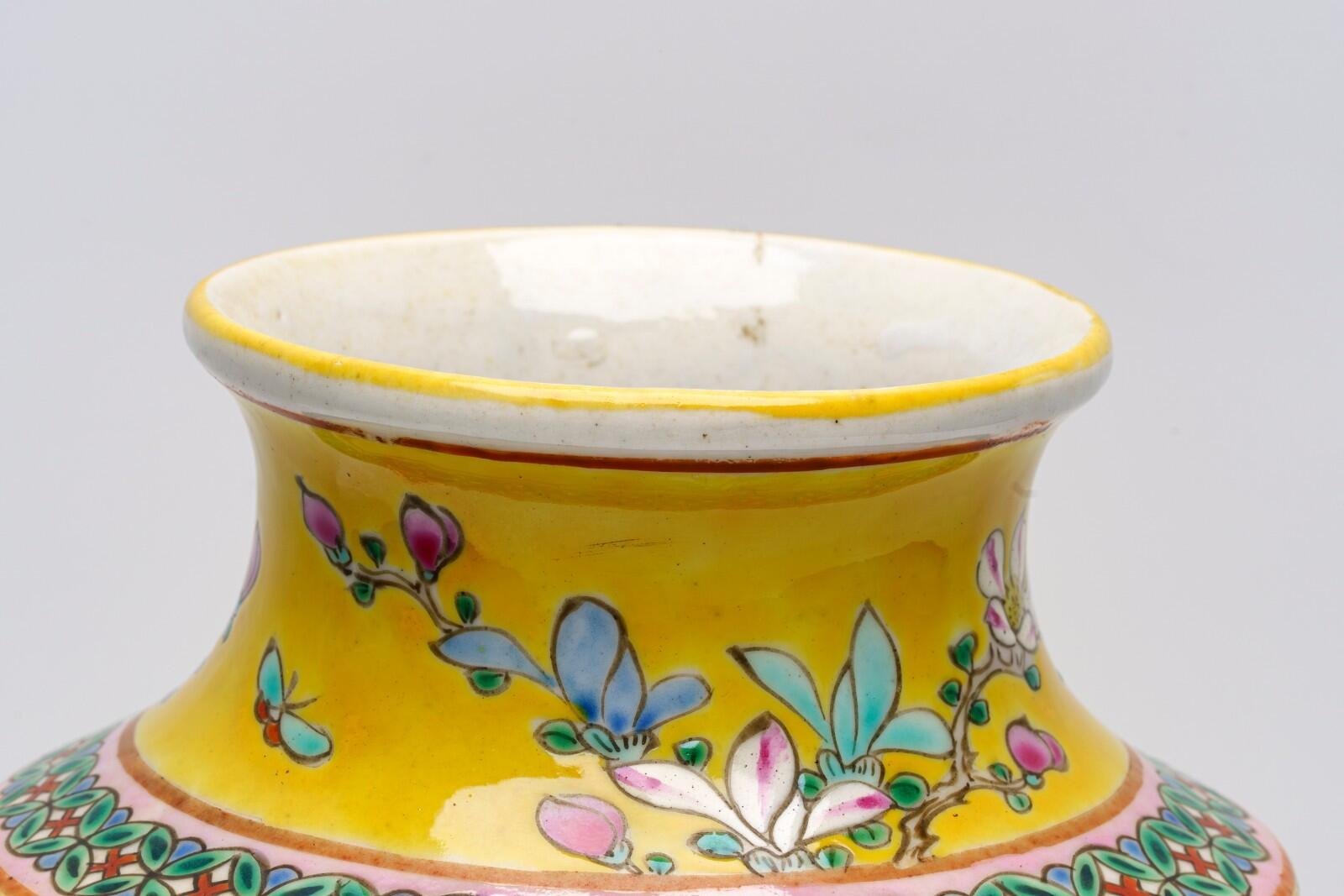
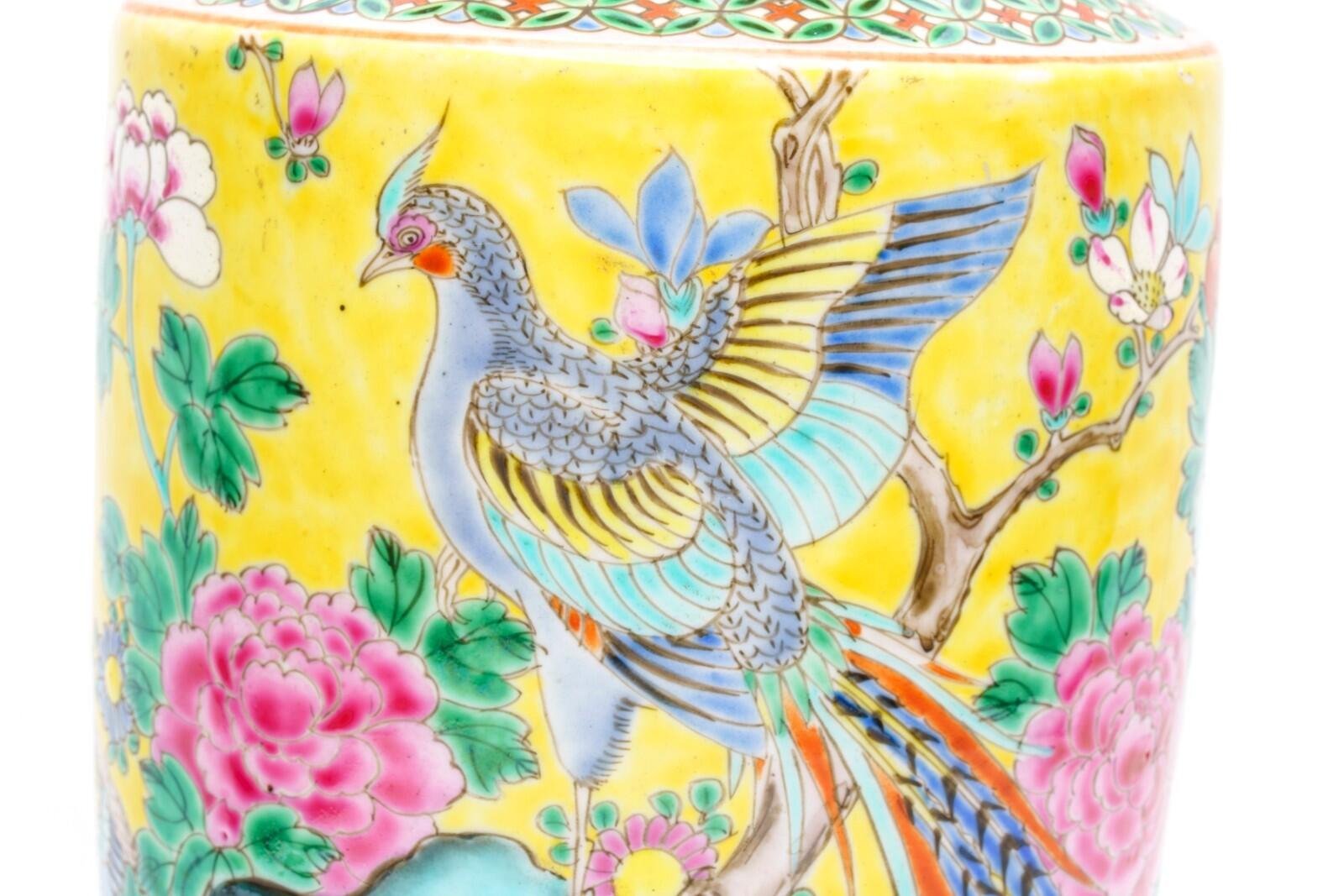
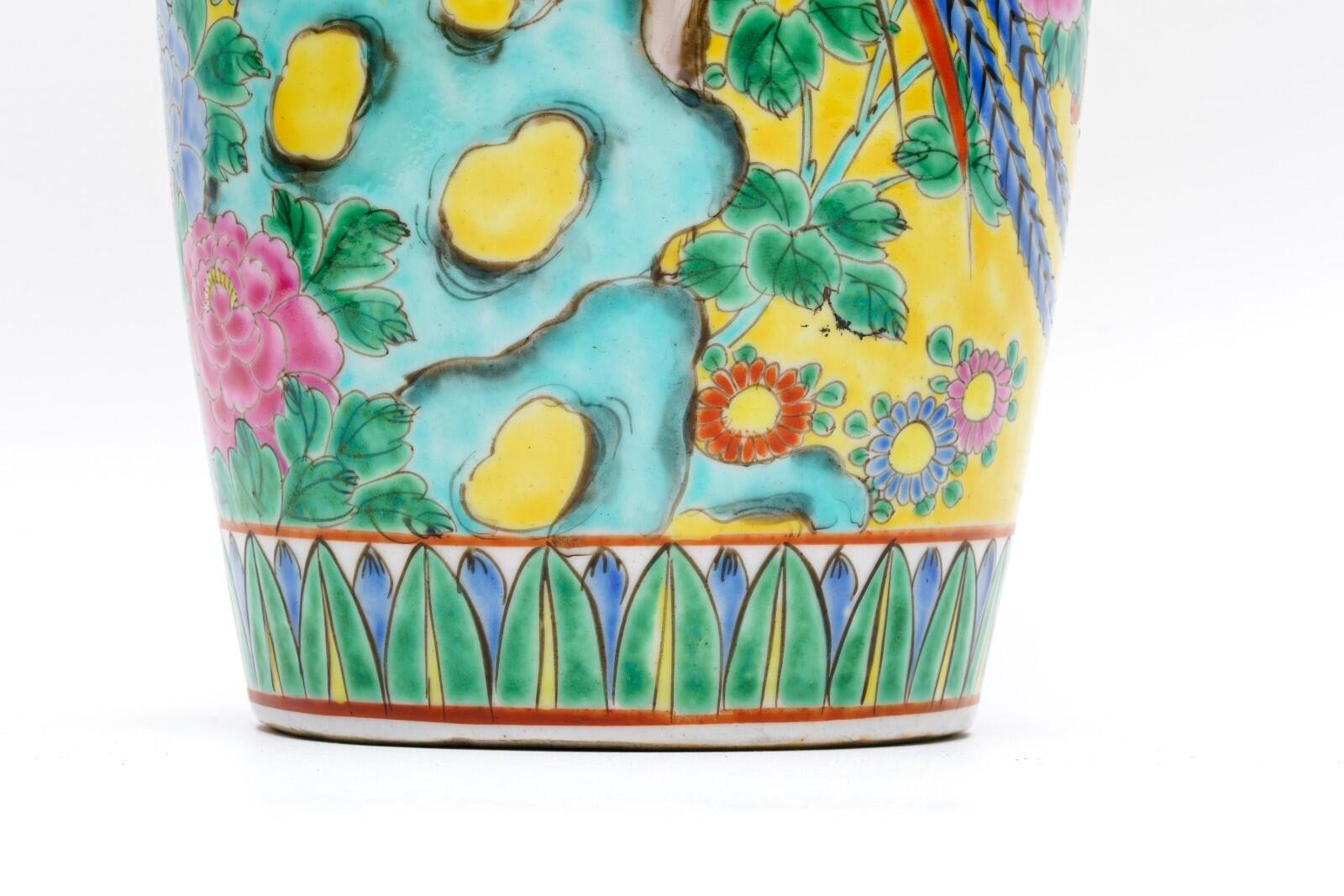
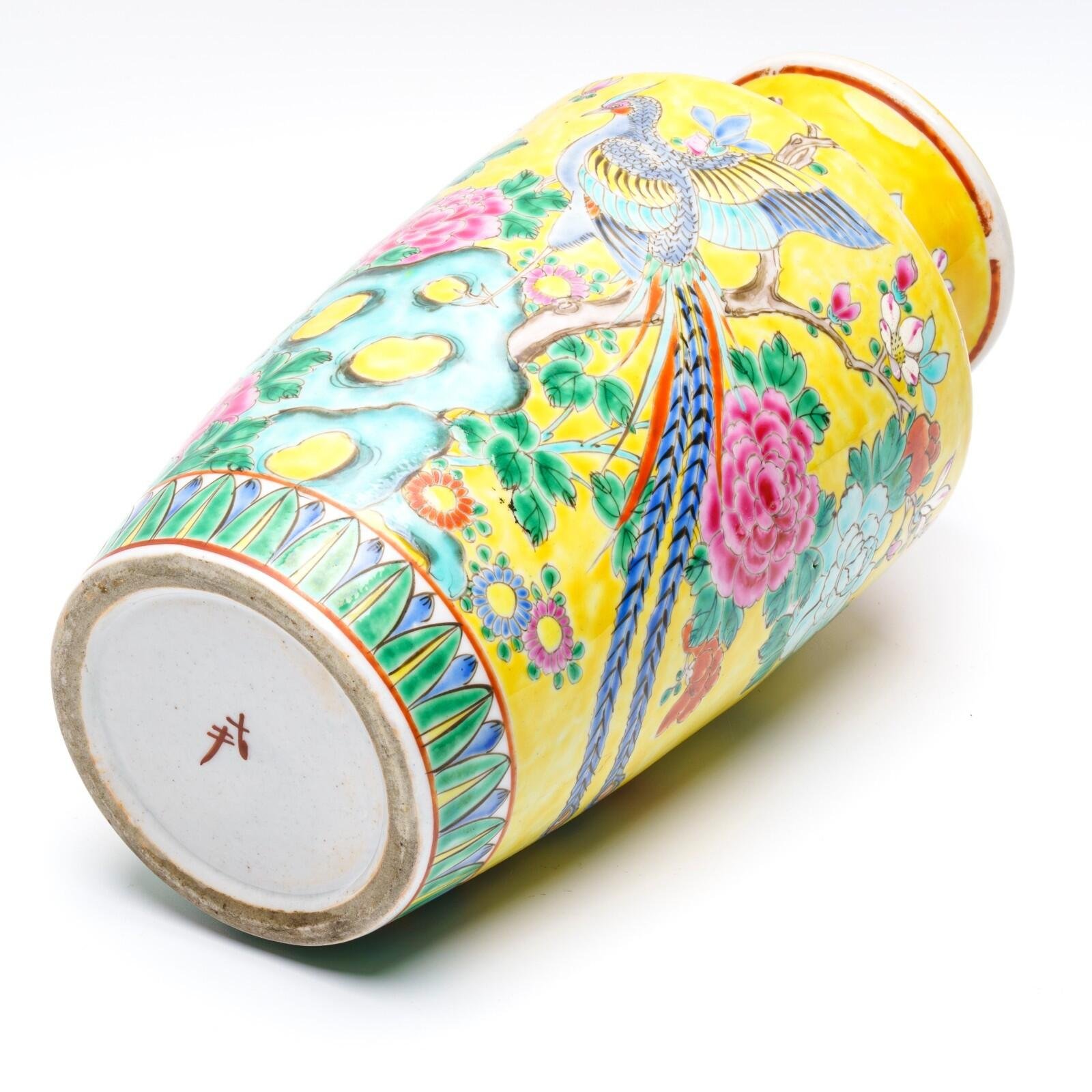
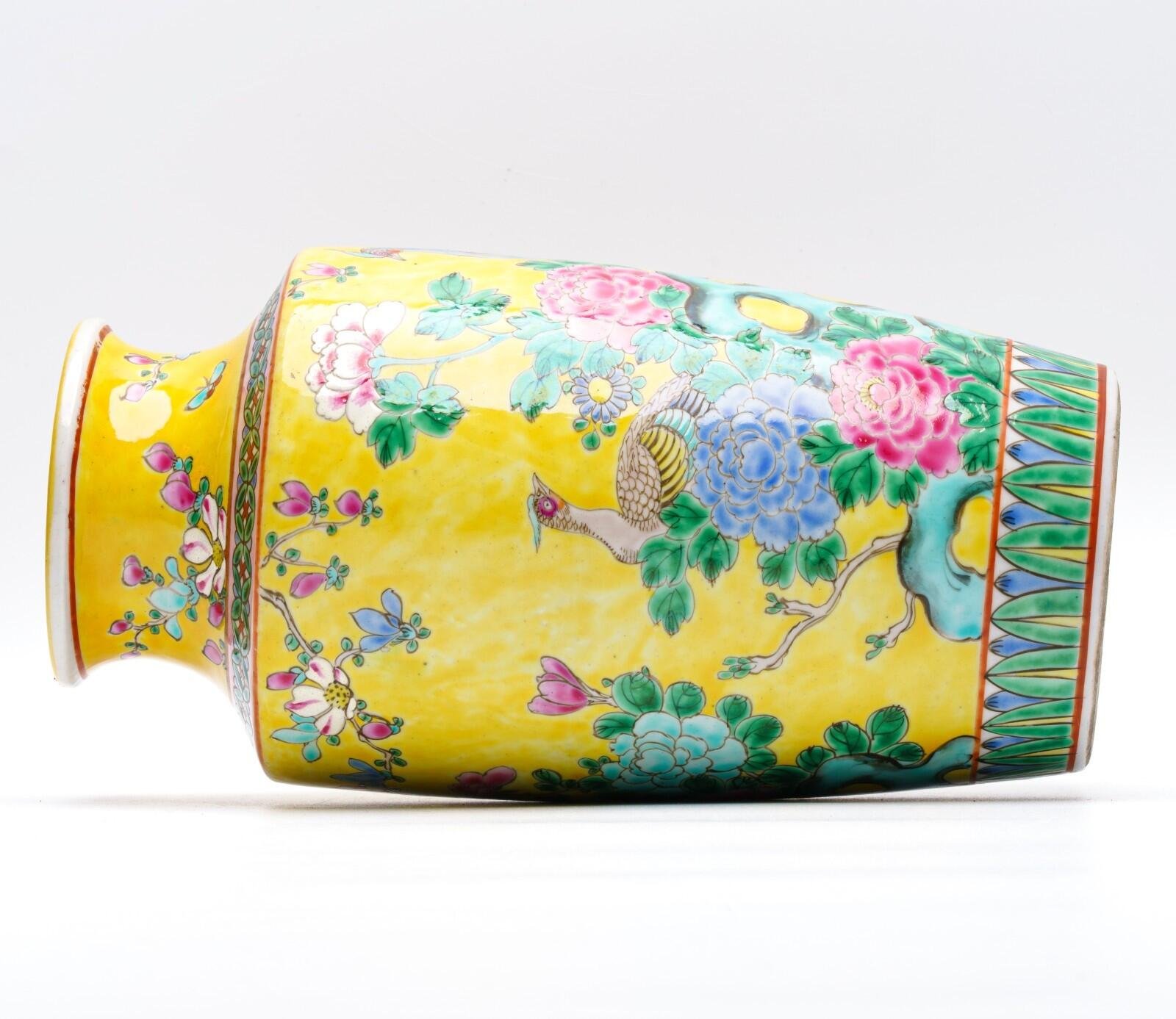
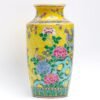
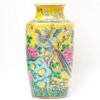
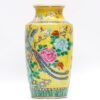
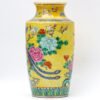
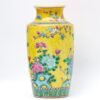
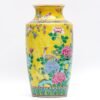
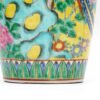
Decoration: Famille jaune ground with phoenix birds, peonies, flowering branches, rockwork, and geometric borders
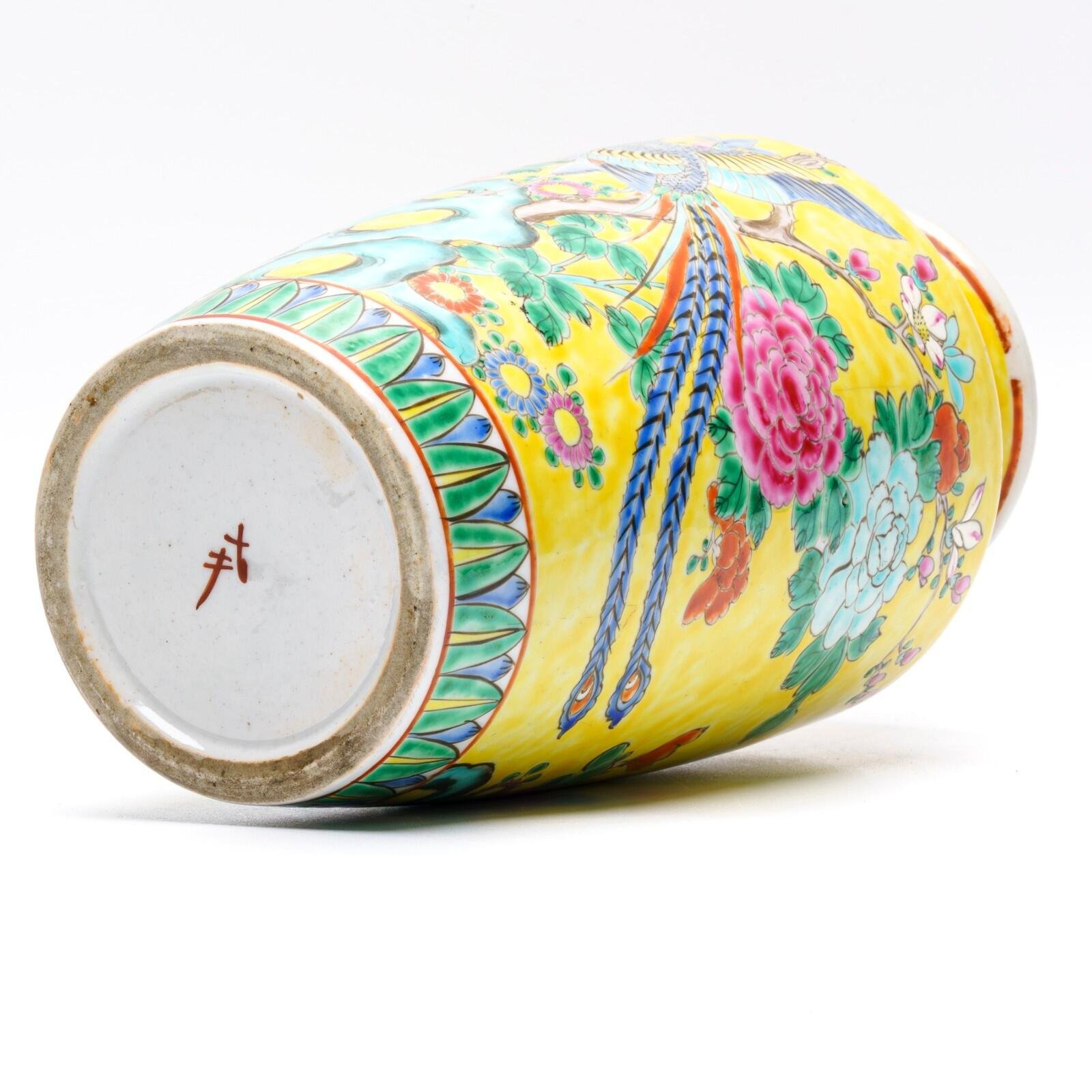
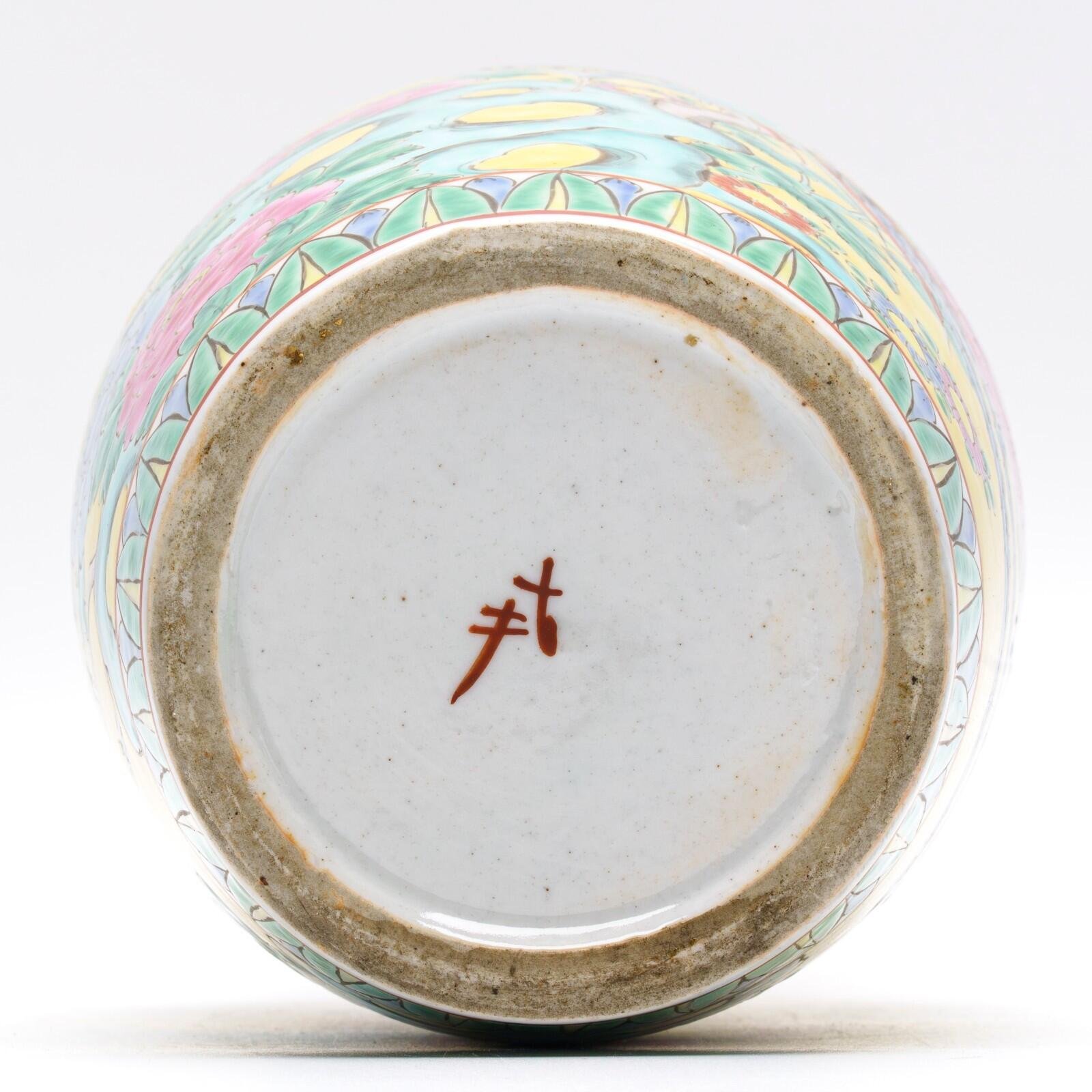
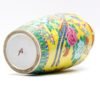
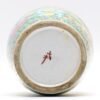
Mark: Red painted character mark to base
MEASUREMENTS
Height: 9.7 in / 24.5 cm
Width: 5.1 in / 13.0 cm
CONDITION
FAIR (3/5) – Hairline crack to the body. General age-related wear, minor enamel wear, and light staining to the interior. Please review the photos carefully for more details.
DESCRIPTION
Japanese porcelain vase decorated in the Kutani style with a vibrant yellow famille jaune ground.
The body is finely painted with phoenix birds among peonies, blossoms, and ornamental garden rockwork.
Bright enamel colors of pink, green, blue, and turquoise contrast beautifully against the yellow background.
Decorative geometric borders frame the neck and lower body, while a red painted mark appears on the base.
An attractive and colorful Meiji period cabinet display piece.
COLLECTOR’S NOTE
Kutani wares of the Meiji period are renowned for their rich enamel decoration and bold color palettes.
Phoenix motifs symbolize renewal, prosperity, and harmony, making them a popular subject in Japanese decorative arts.
NOTES
Please review all photos carefully as they form part of the description.
Related products
-
Chinese Export American Cup Saucer Sepia Shipyard Qianlong Blue Gilt Enamel 18C
£220.00 -
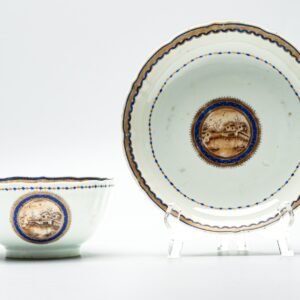
Chinese Export American Cup Saucer Sepia Shipyard Qianlong Blue Gilt Enamel 18C
£240.00 -

Chinese Export American Cup Saucer Sepia Shipyard Qianlong Blue Gilt Enamel 18C
£120.00 -
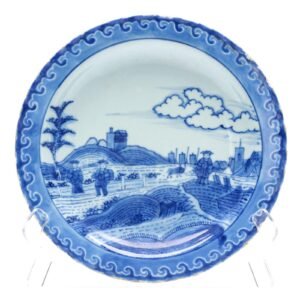
Chinese Porcelain Plate Blue Deshima Island Van Frytom Style Yongzheng Qing 18C
£649.99