
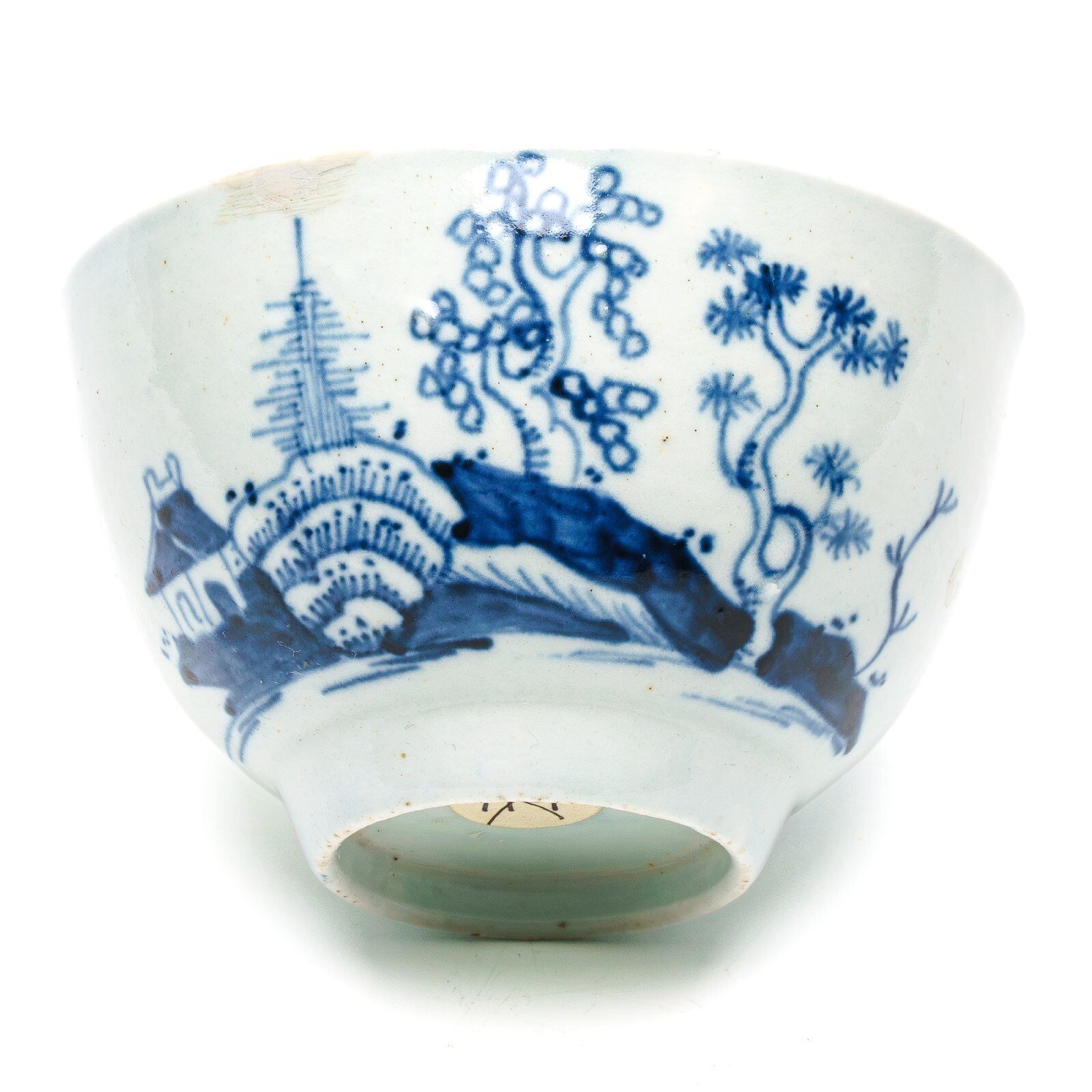
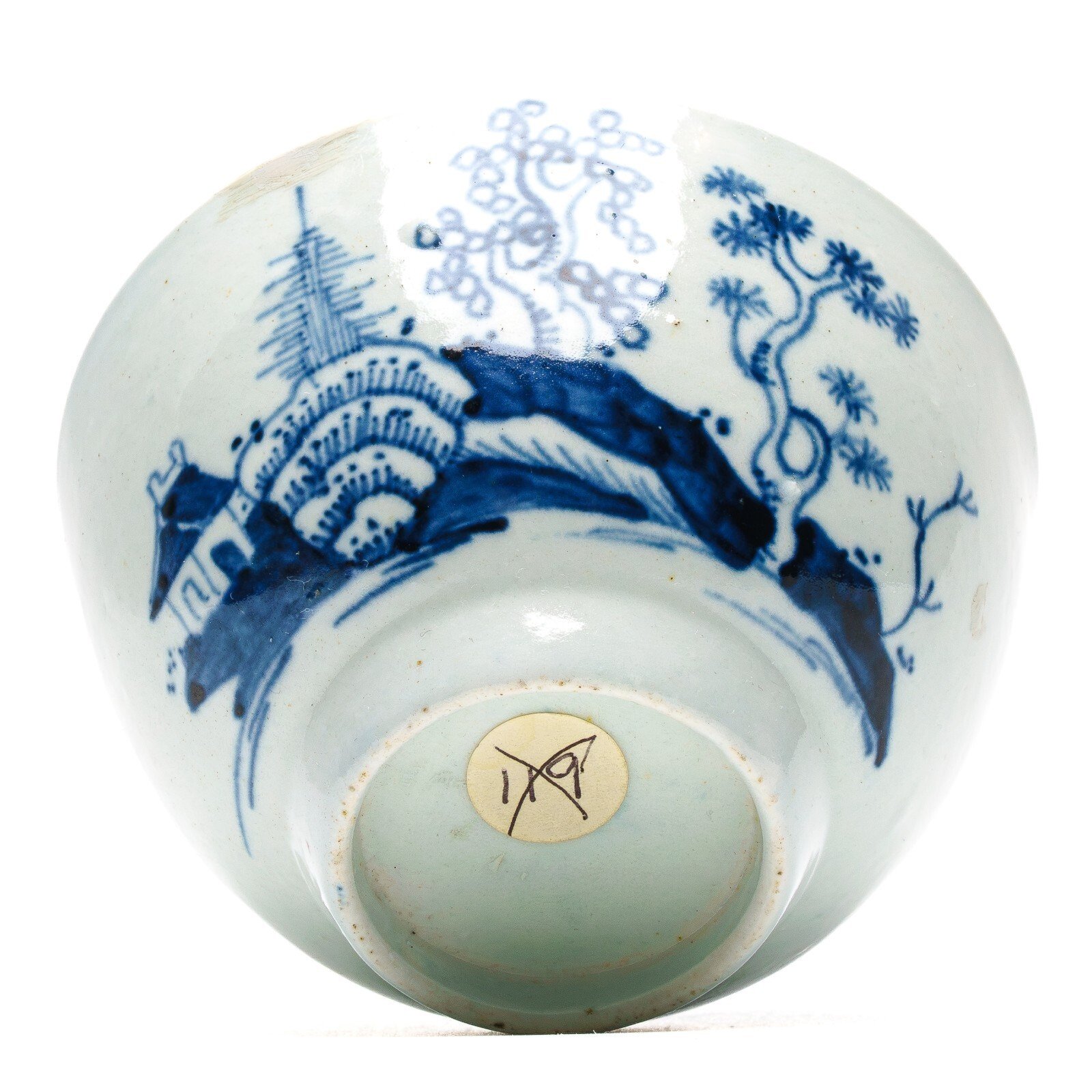
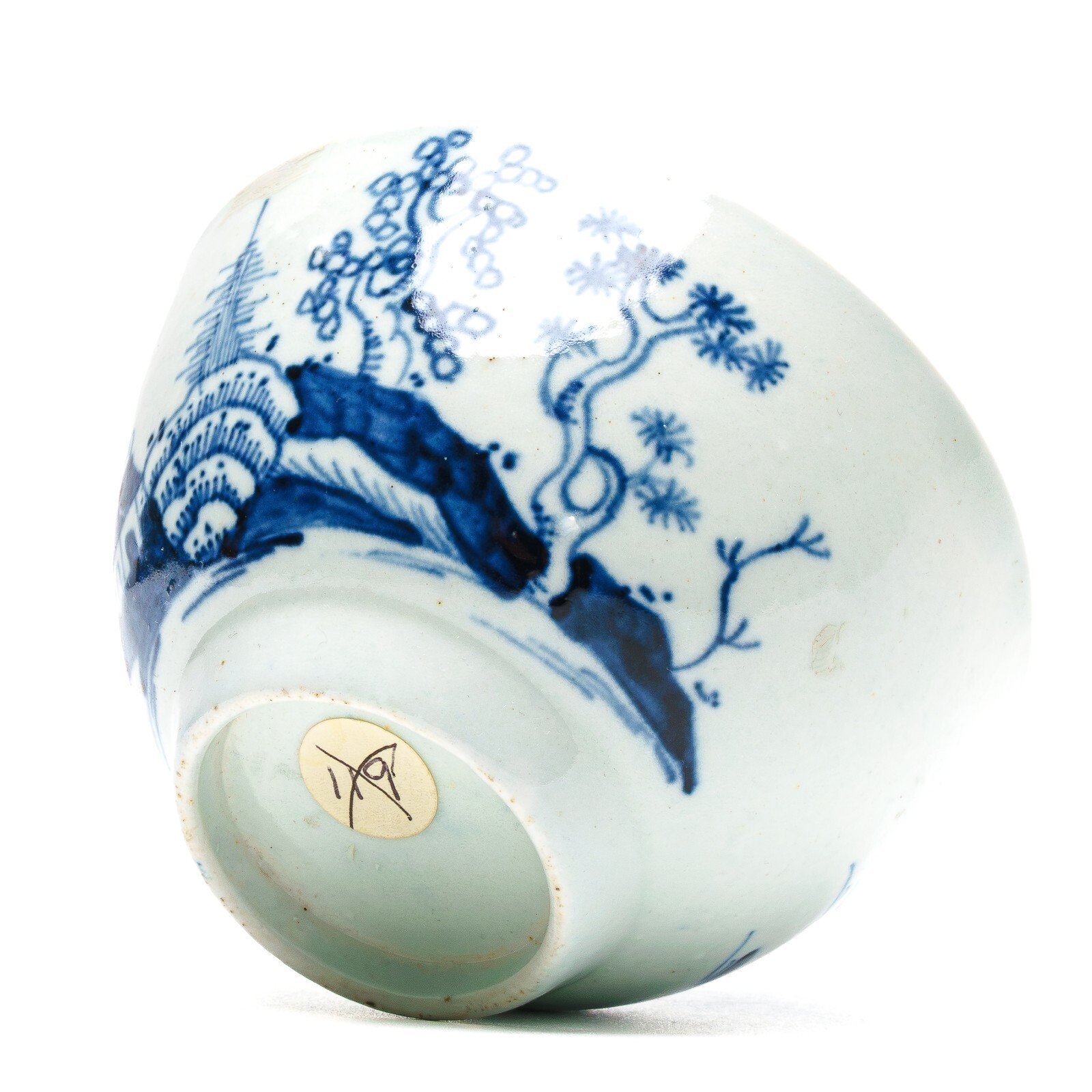
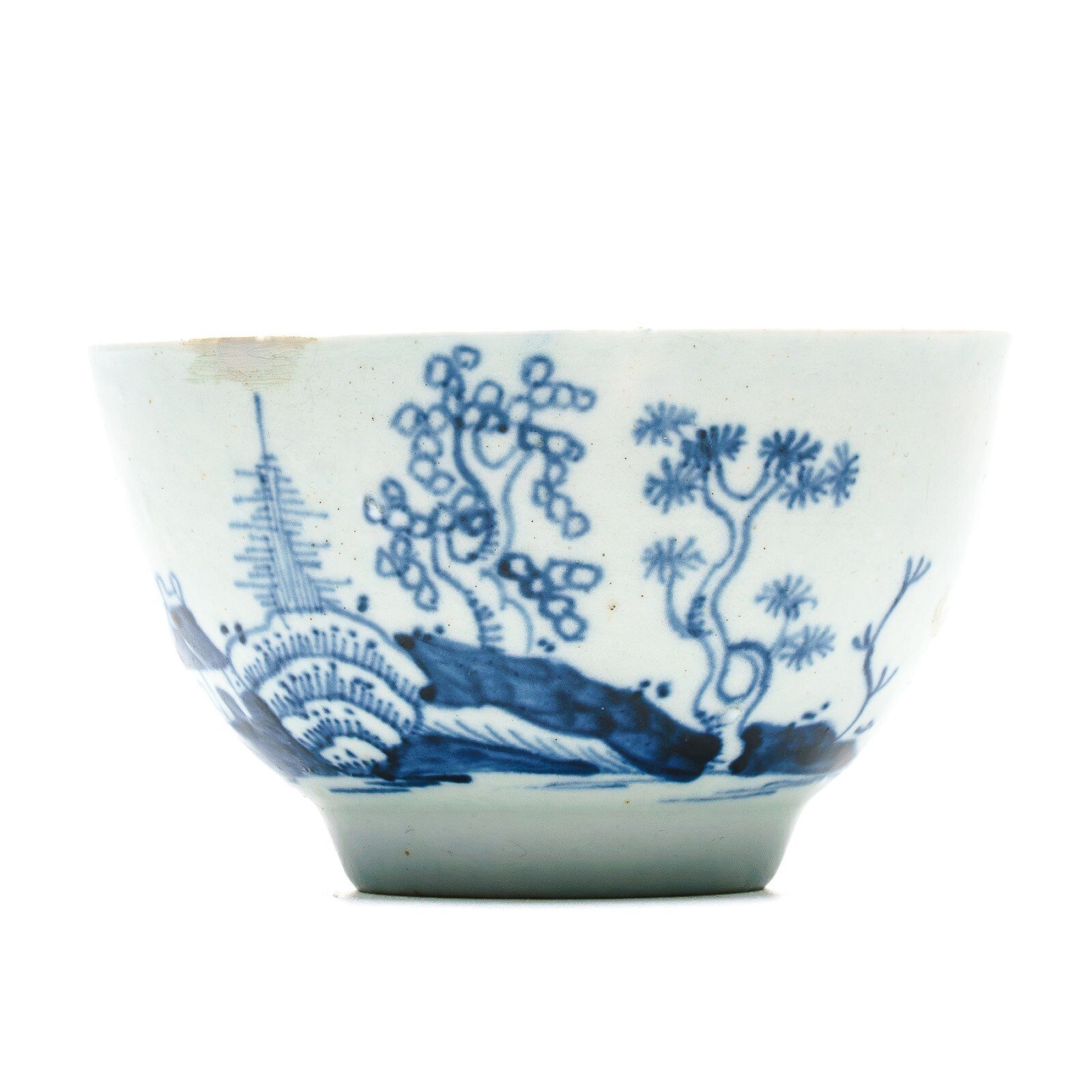
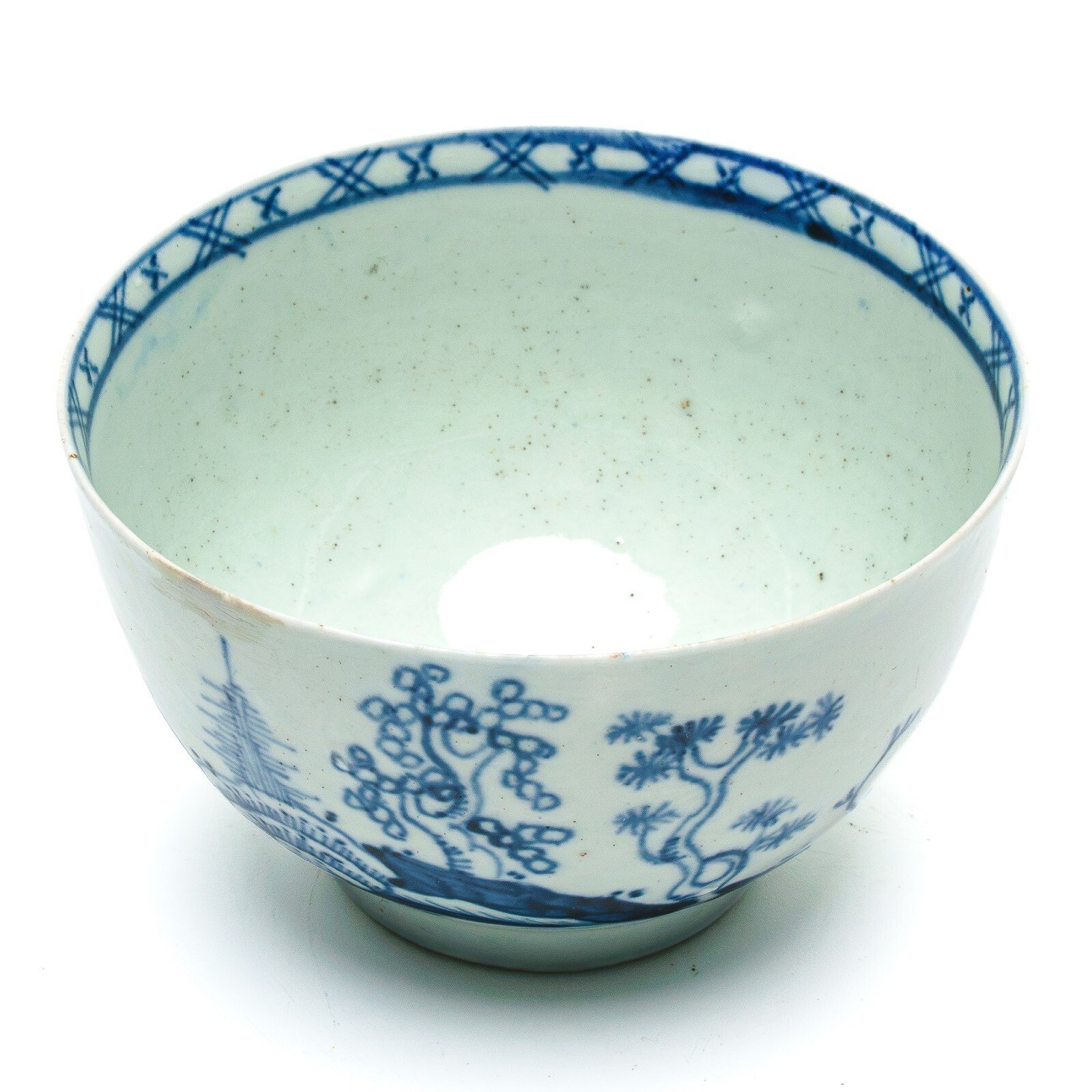
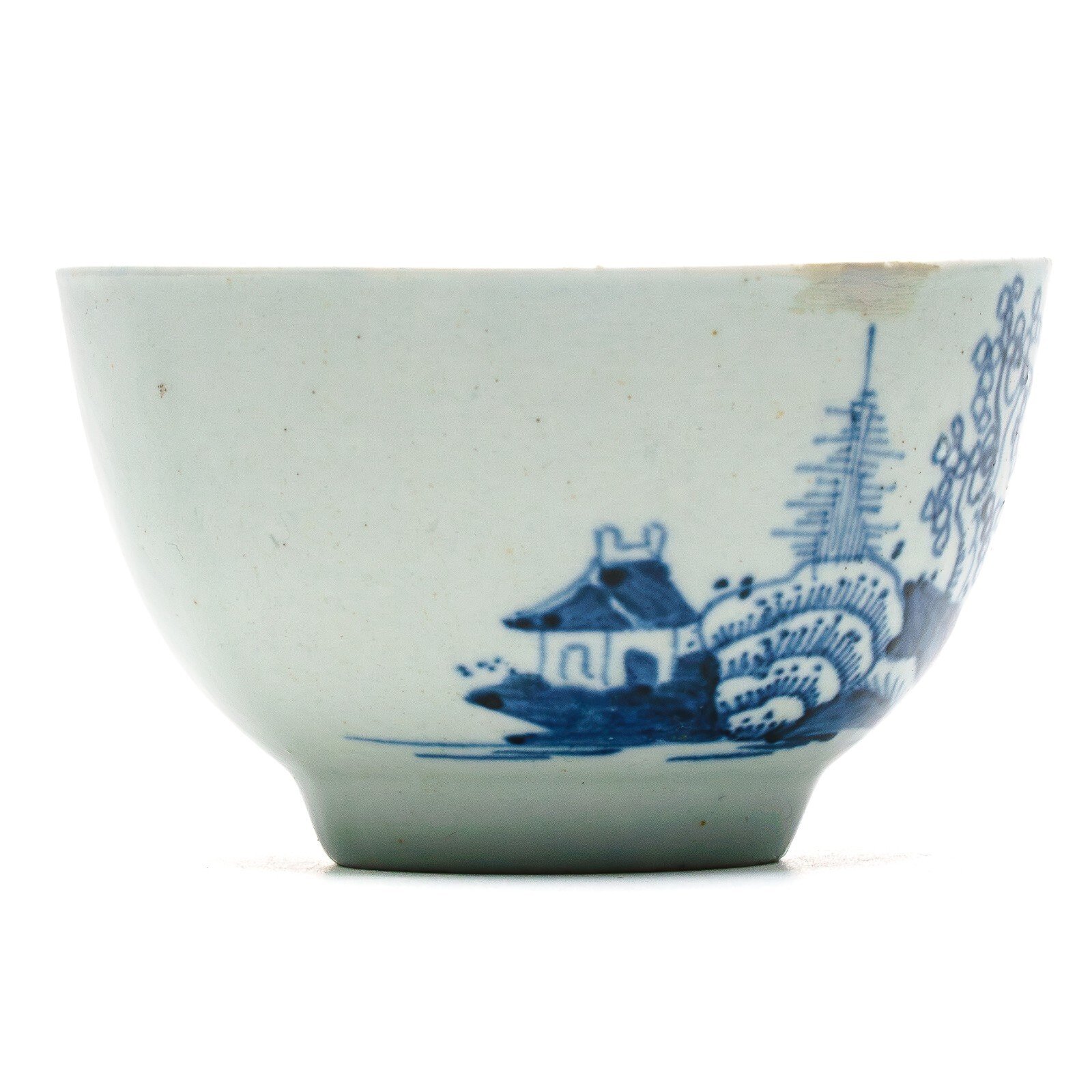
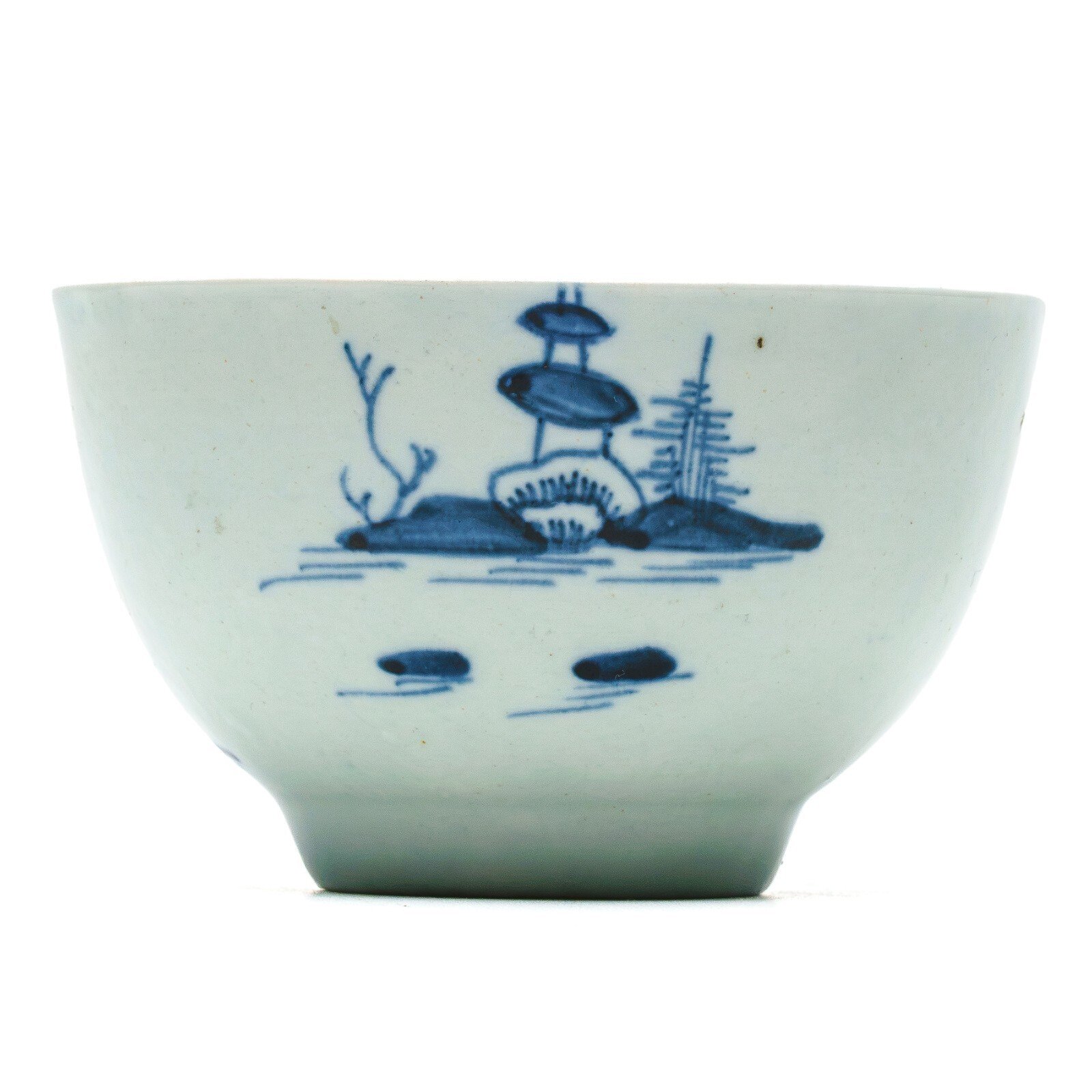
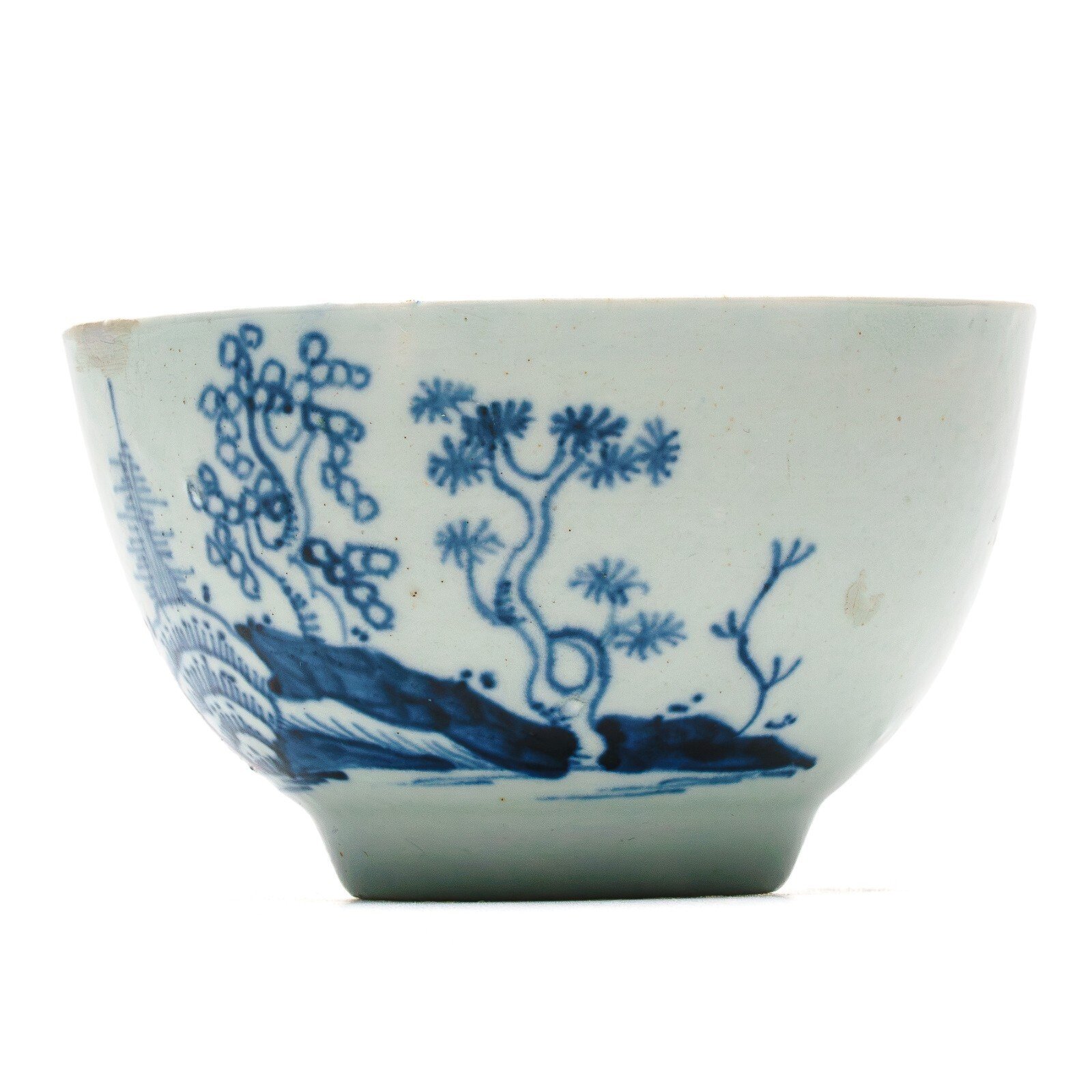


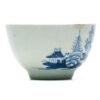
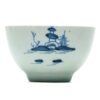
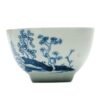
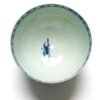
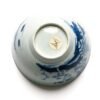
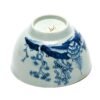

English Liverpool Cannon Ball Porcelain Bowl Cobalt Blue White Chinoiseries 18C
£50.00
Inventory Code: INV5210
Object: Tea Bowl
Material: Porcelain
Origin: England - Liverpool
Period: Georgian
Date: 18th Century
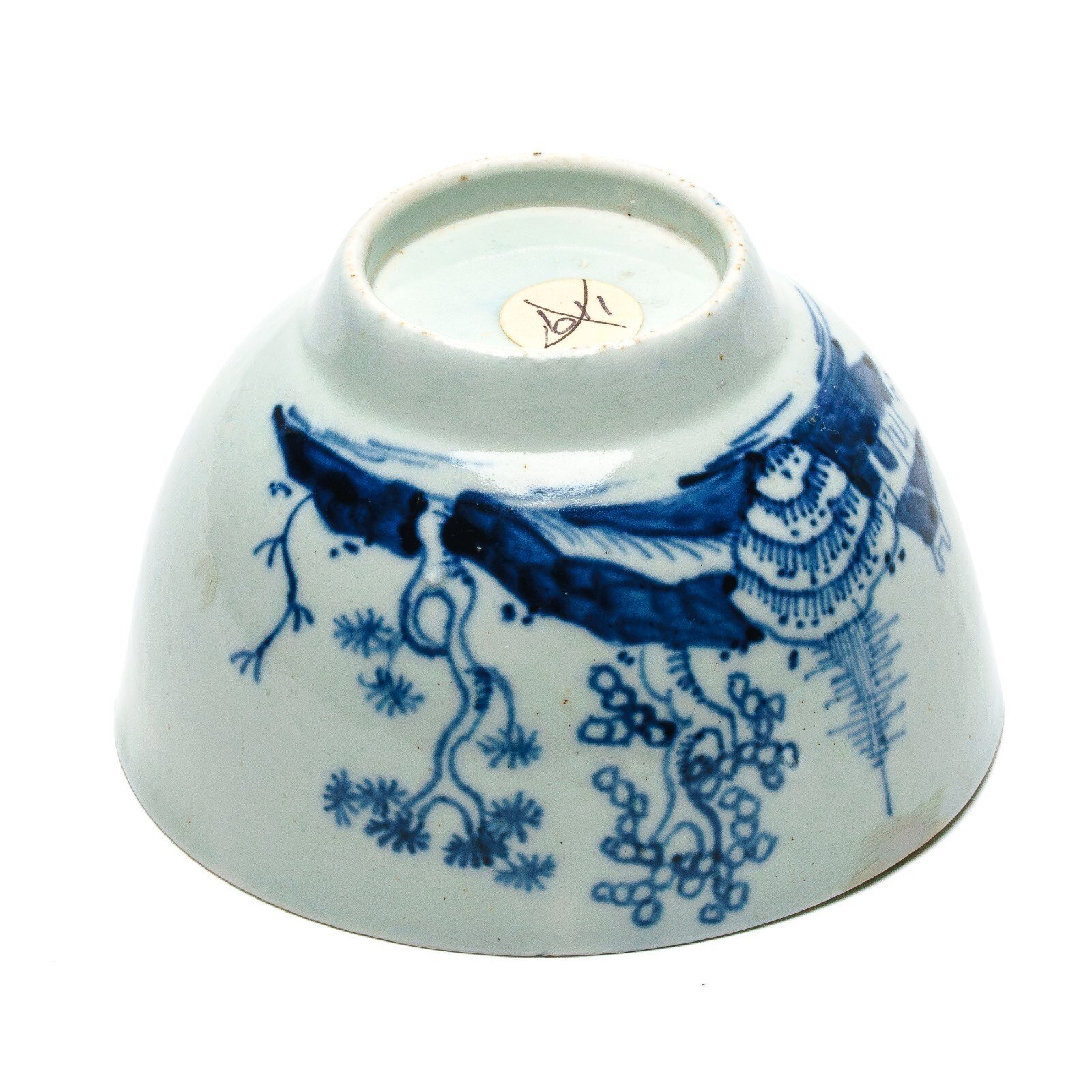
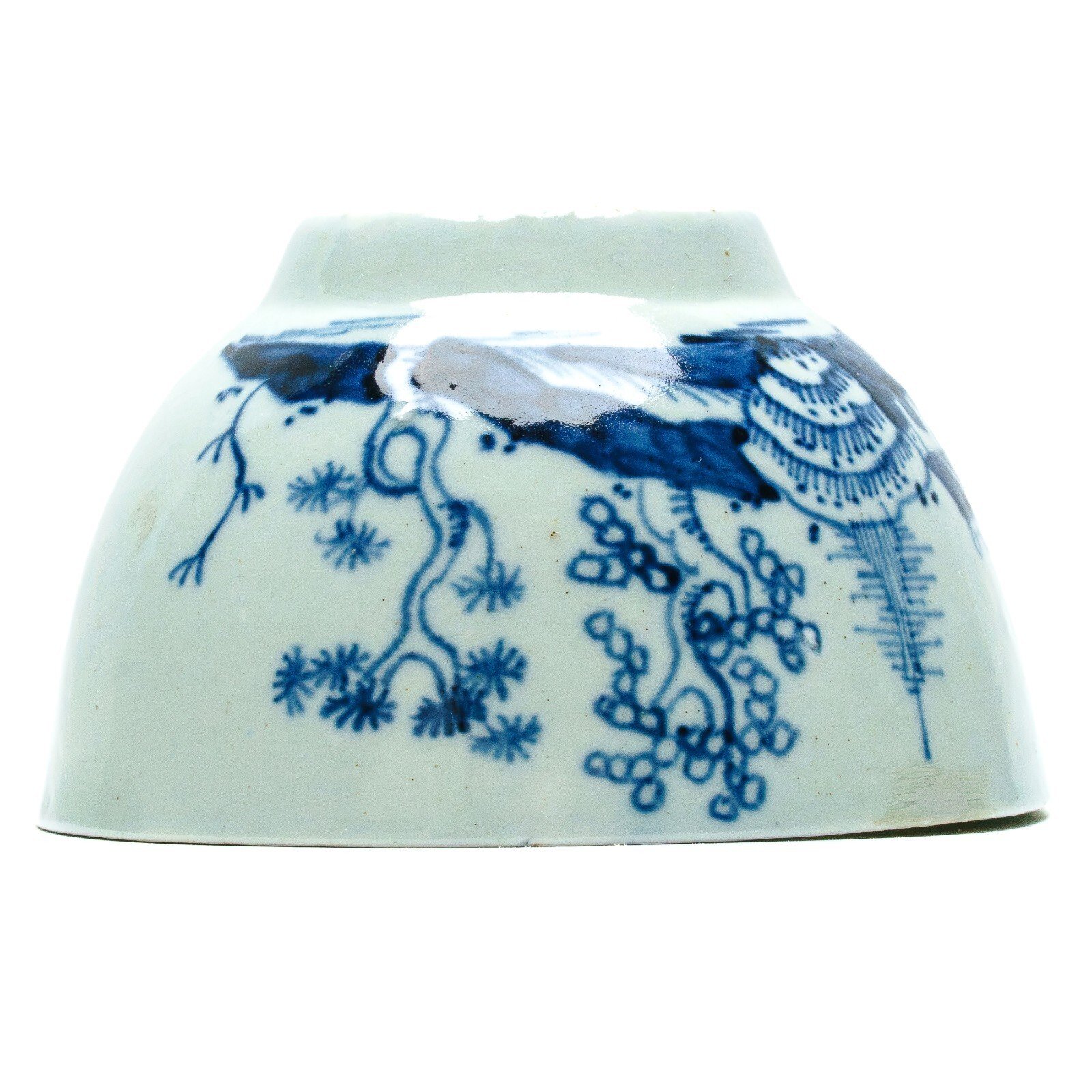
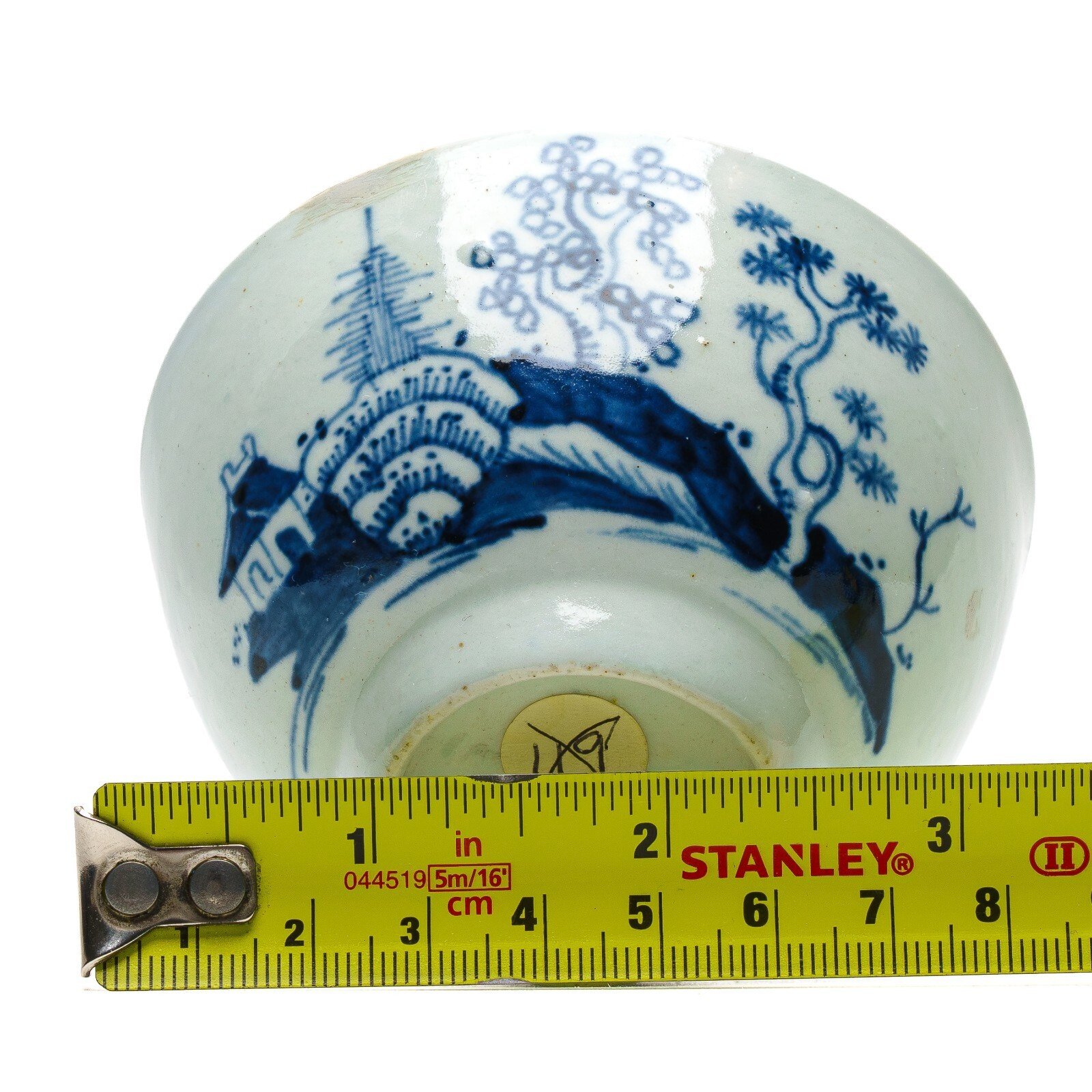
Decoration: Cobalt blue and white Cannon Ball pattern with Chinoiserie landscape
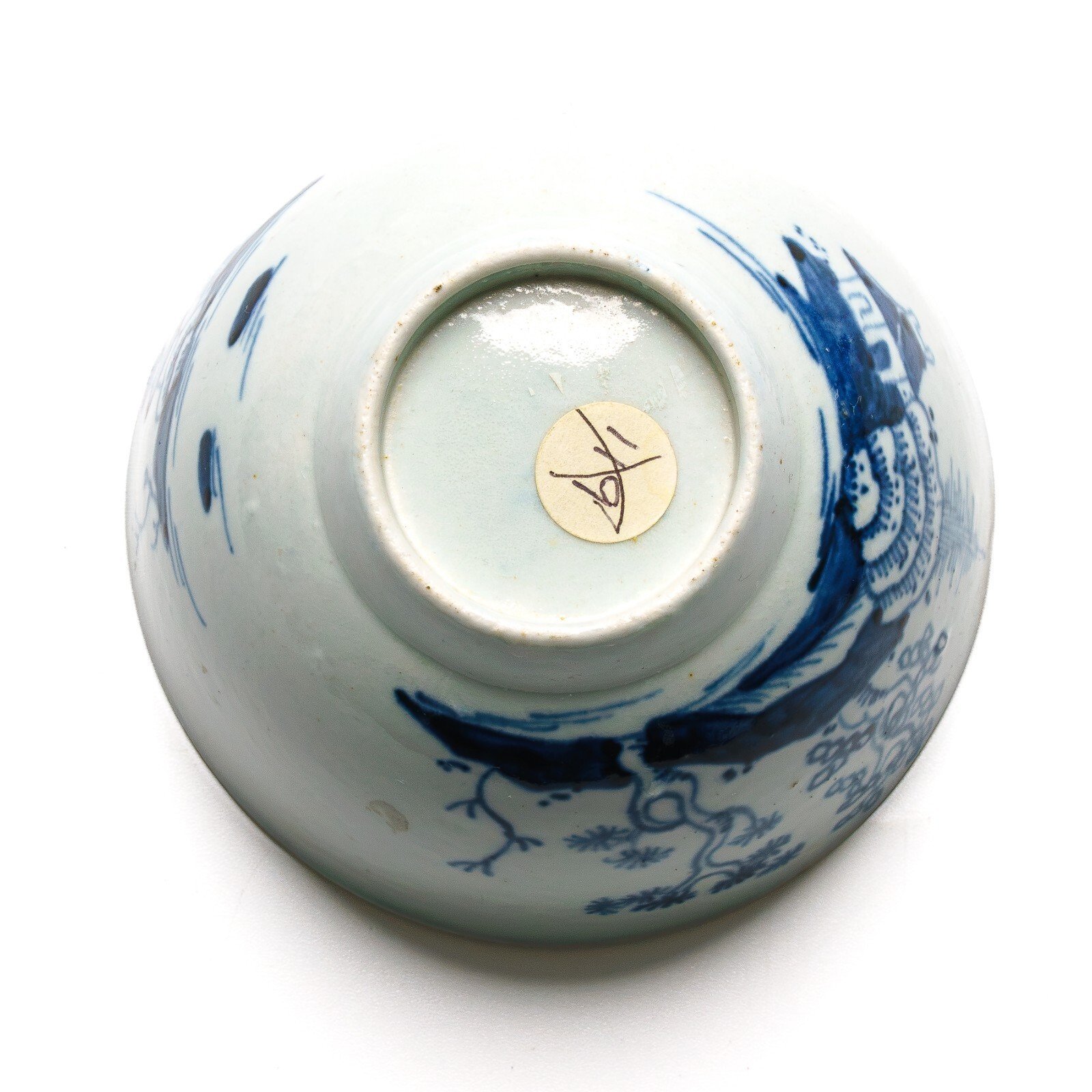
Marked: Unmarked
Measurements:
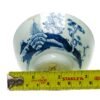
Diameter: 3.23 in / 8.2 cm
Height: 1.89 in / 4.8 cm
Condition:
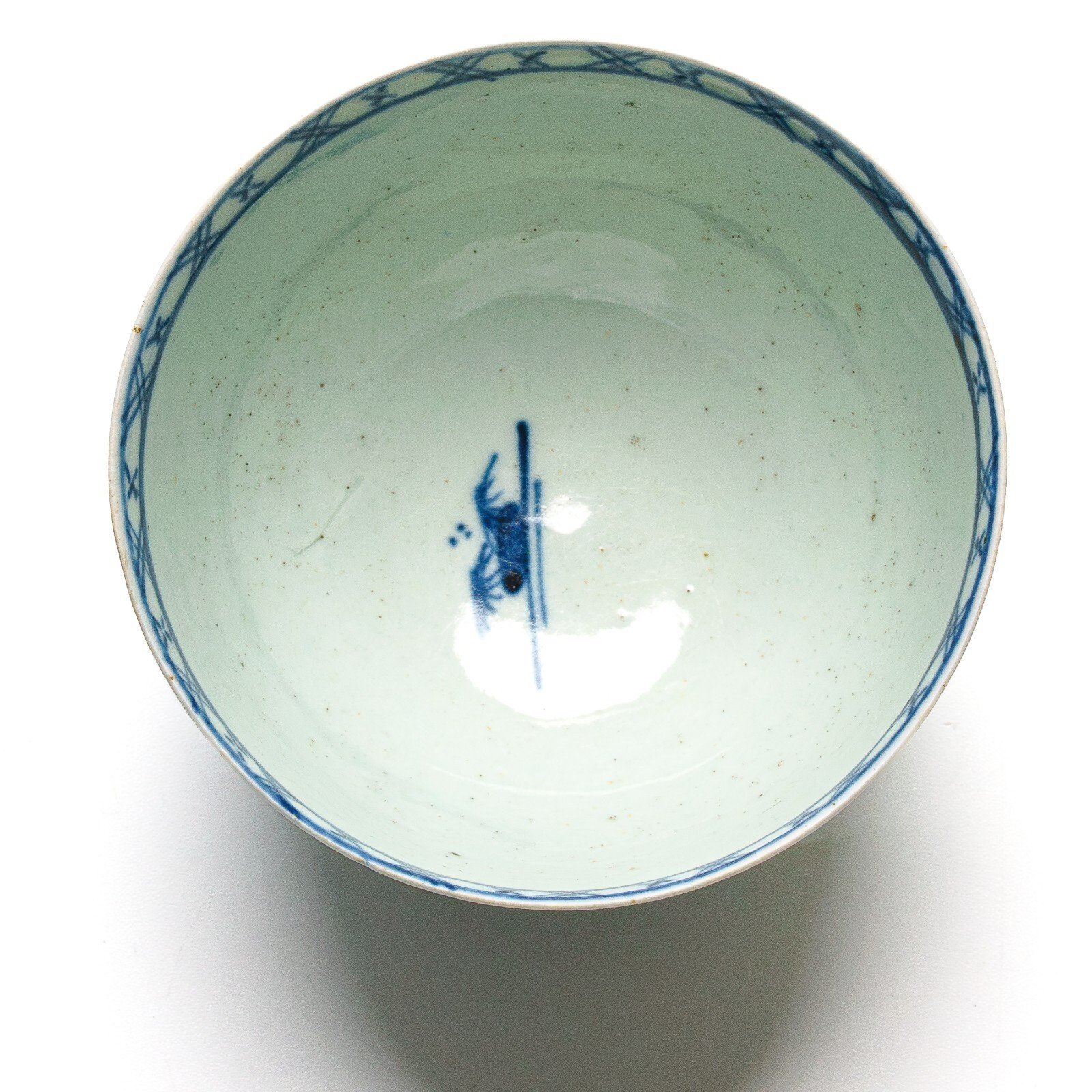
GOOD (4/5) - Light age-related surface wear, minor glaze imperfections, and small firing irregularities visible. Please review the photos carefully for more details.
International Shipping
We ship worldwide using tracked and insured services. Prices are calculated at checkout. All items are securely packaged with care and experience.
Pricing
Prices reflect past sales and our assessment of each item’s rarity and condition. Contact us if you would like to discuss.
Research
All item details are based on our own research and evaluation. We welcome questions or feedback.
Authenticity
Every item is guaranteed to be as described, with provenance provided where available.
Refunds
We accept returns within 14 days of delivery. Please contact us first to arrange a return and refund.
DESCRIPTION
An 18th century English porcelain bowl attributed to a Liverpool factory and decorated in underglaze cobalt blue with the pattern traditionally known as Cannon Ball. The exterior features a Chinese-inspired landscape with stylized buildings, rocks, trees, foliage and waterside elements arranged around the rounded body. A decorative blue border finishes the interior beneath the rim. Raised on a short circular foot, the bowl displays the freely painted decoration and firing characteristics associated with early Liverpool blue and white porcelain.
COLLECTOR’S NOTE
The Cannon Ball pattern is found on 18th century English blue and white porcelain and reflects the strong influence of Chinese landscape decoration on British ceramic production. This example is attributed to Liverpool, although assigning unmarked Liverpool porcelain to a specific factory can be difficult where closely related patterns and decorative styles were used by several manufacturers.
NOTES
Please review all photos carefully as they form part of the description.
Related products
-
Thai Sukhothai Sawankhalok Celadon Kiln Waster Bowl Black Underglaze 14th-16th C
£300.00 -
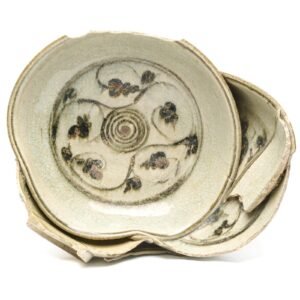
Thai Sukhothai Sawankhalok Celadon Kiln Waster Bowl Black Underglaze 14th-16th C
£300.00 -

Chinese Kangxi Porcelain Bowl Fish Cafe Au Lait Blue Mark Qing Period 19th C.
£40.00 -
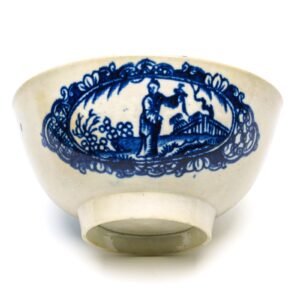
English Pennington Liverpool Falconer Porcelain Bowl Cobalt Blue White 18th C
£90.00