
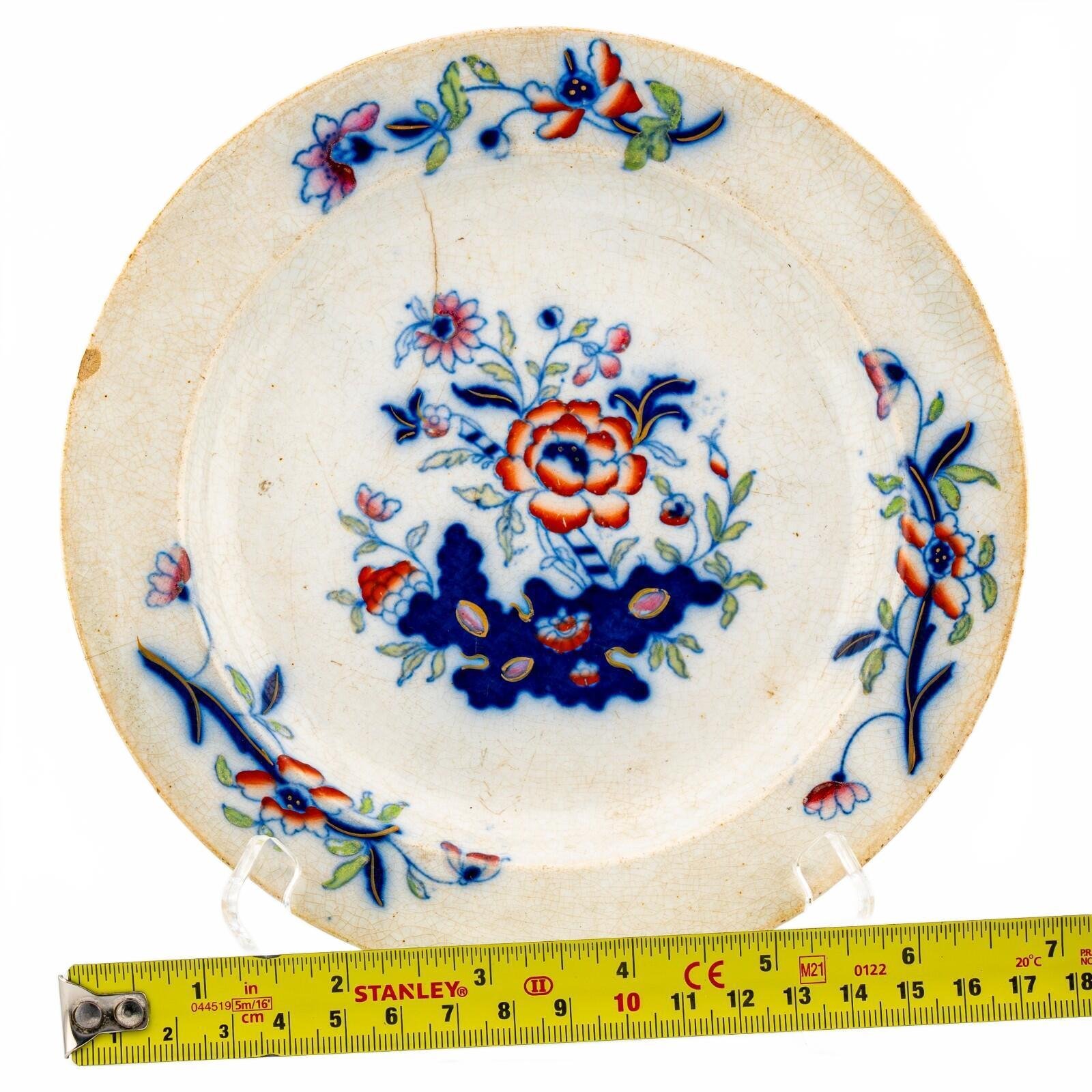


English Staffordshire Pearlware Plate Chinoiseries Flower Impressed Mark 19th C
£4.01 Sold
Inventory Code: INV2835
Object: Plate
Material: Pearlware (early earthenware with bluish glaze)
Origin: England
Period: Early–Mid 19th Century
Date: circa 1820–1840
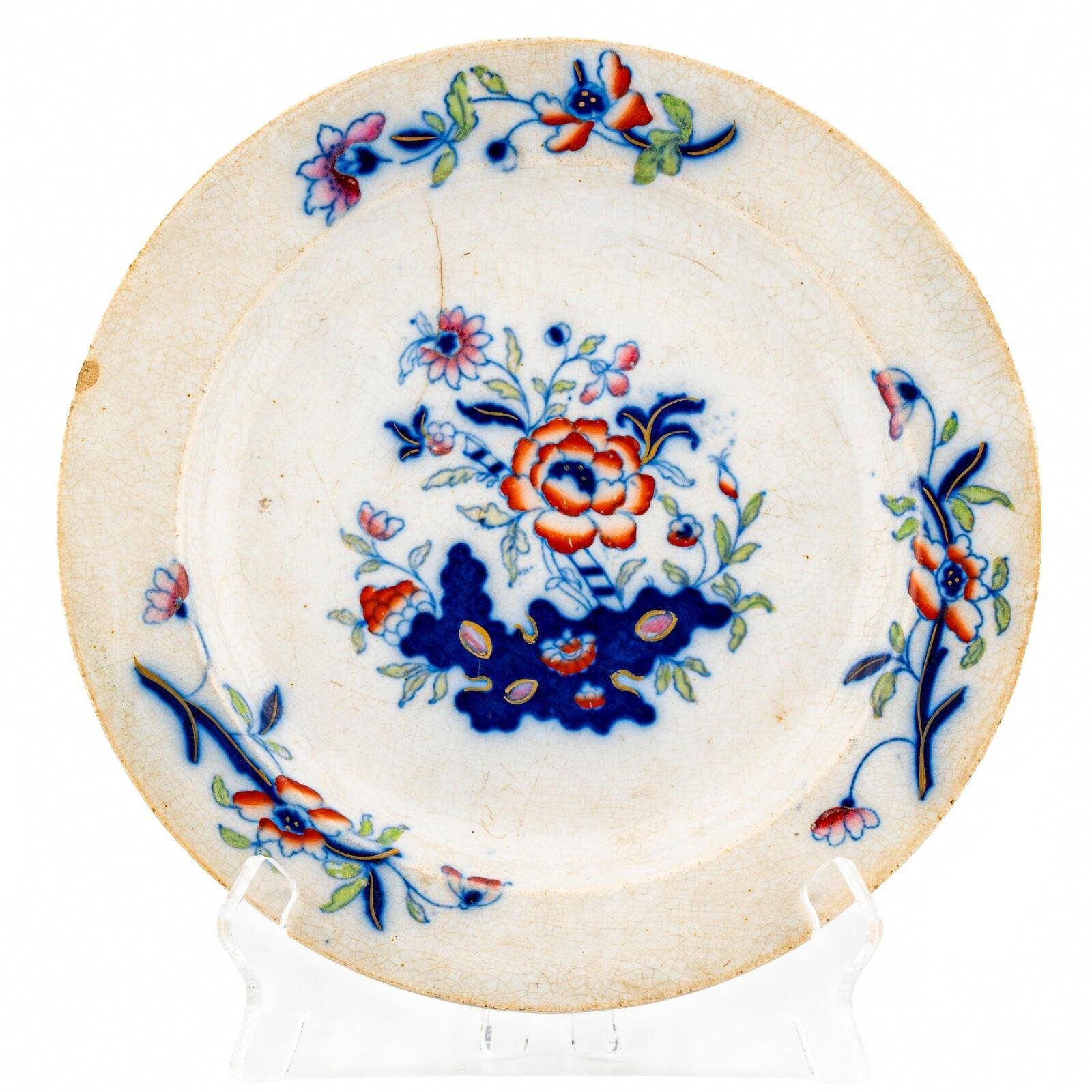
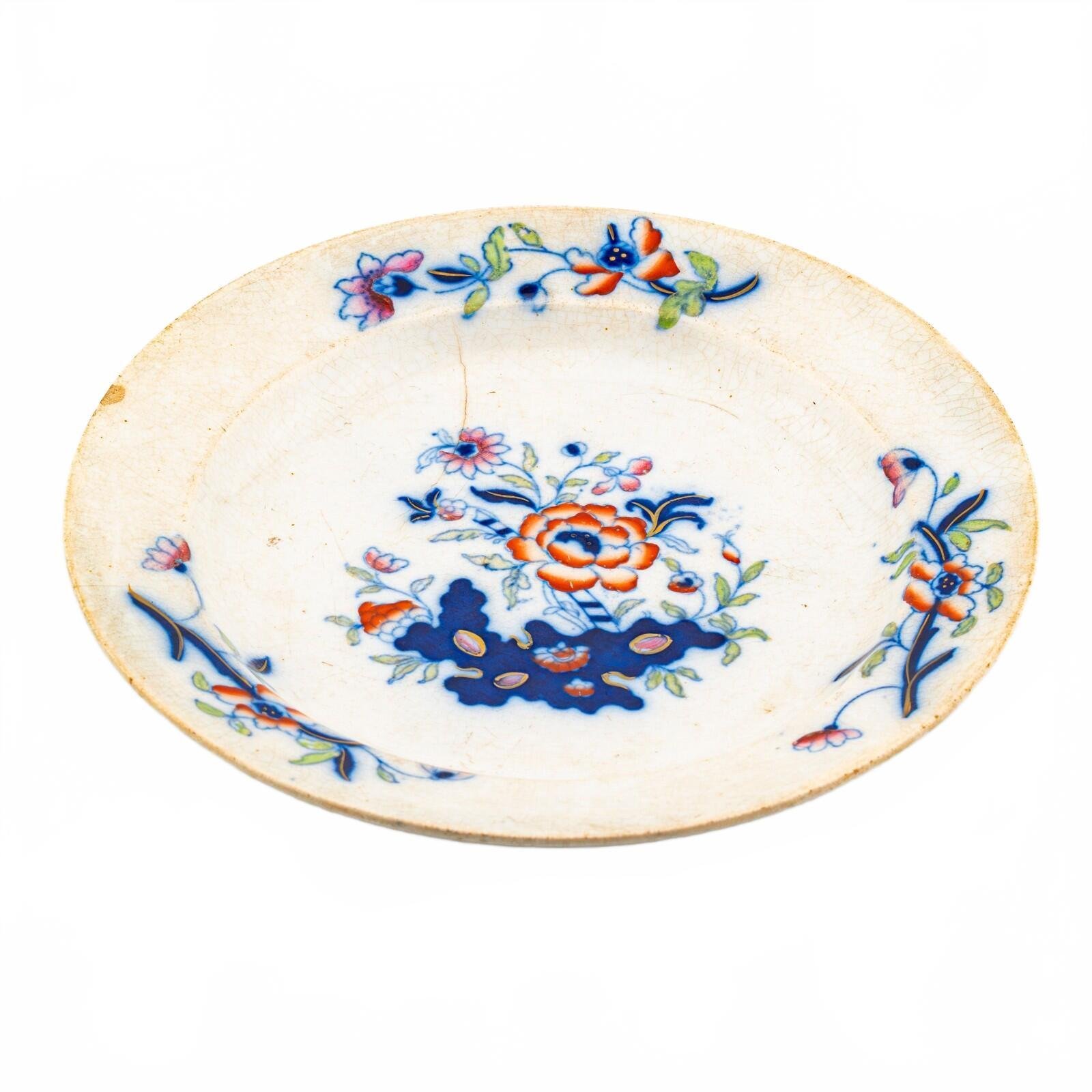
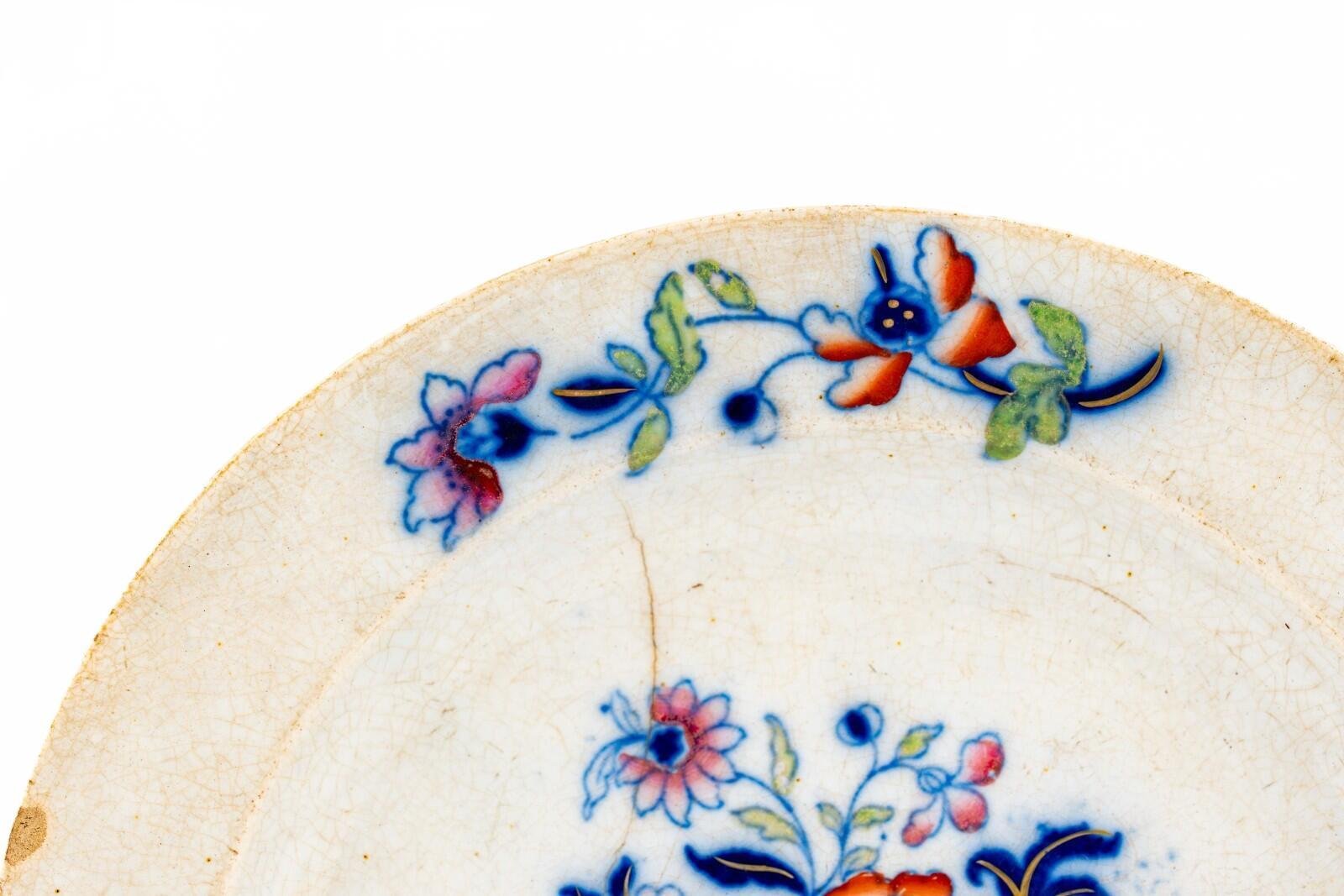
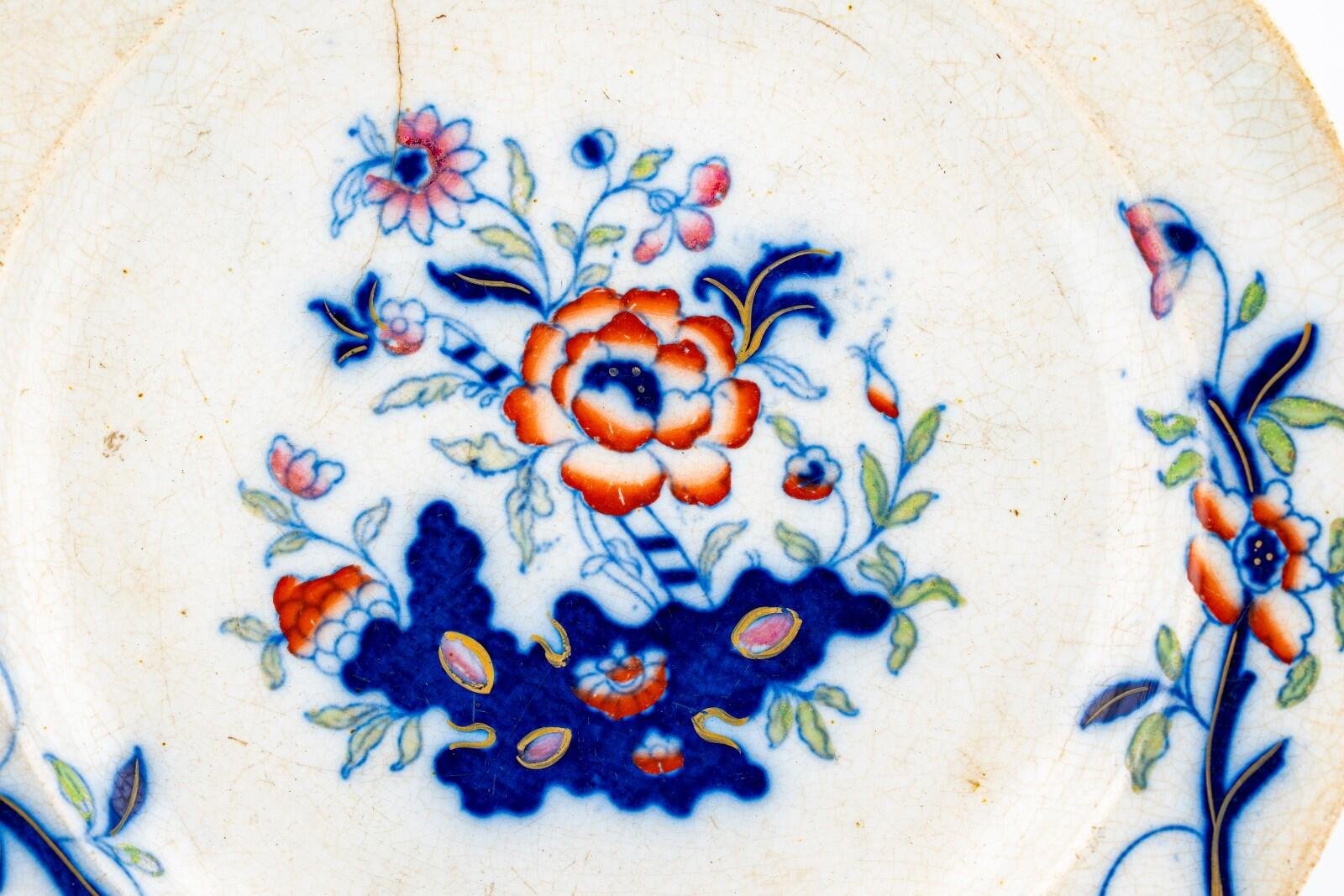
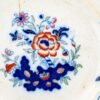
Decoration: Hand-painted Chinoiserie floral motif in Imari palette – cobalt blue, iron red, and green enamels, with delicate gilded accents.
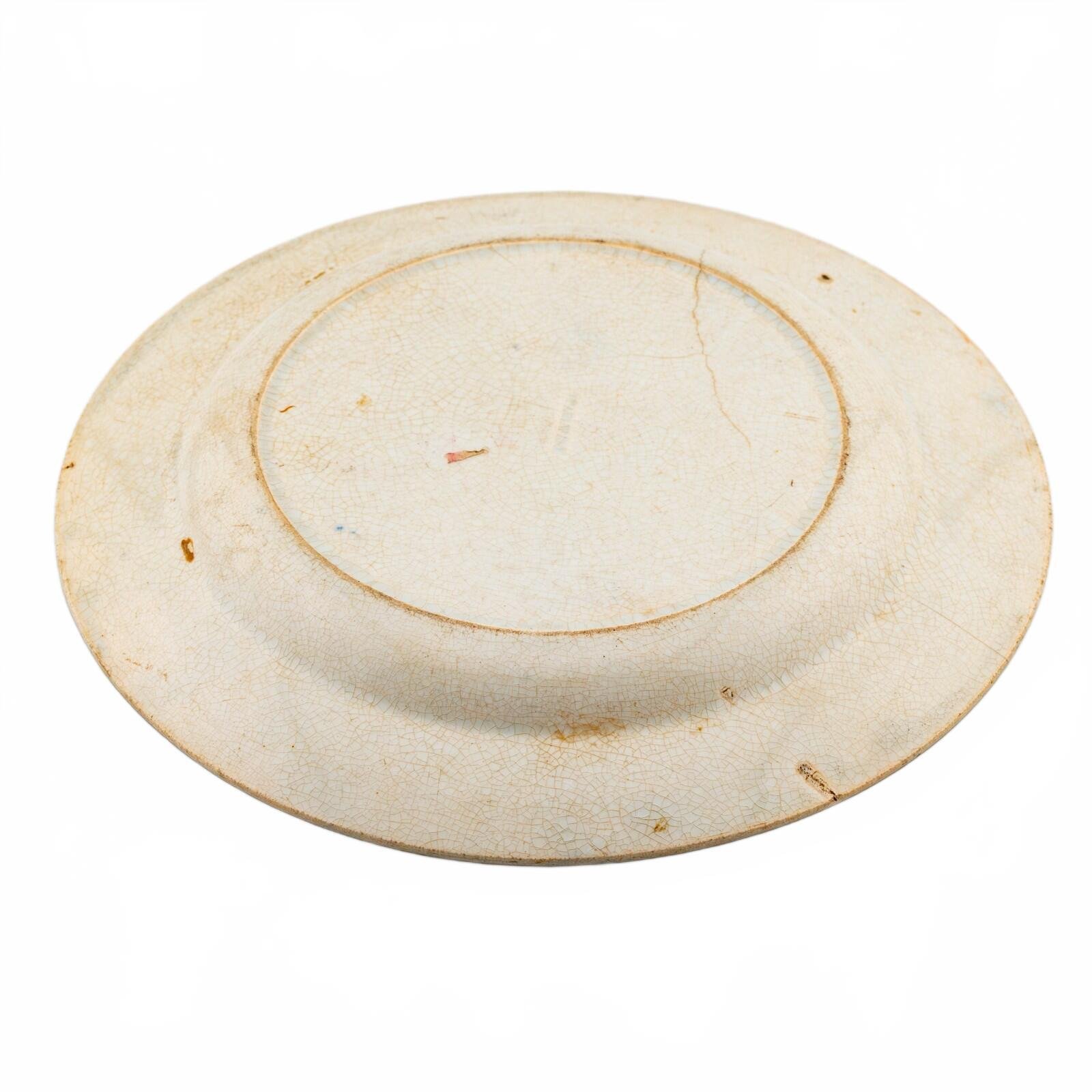
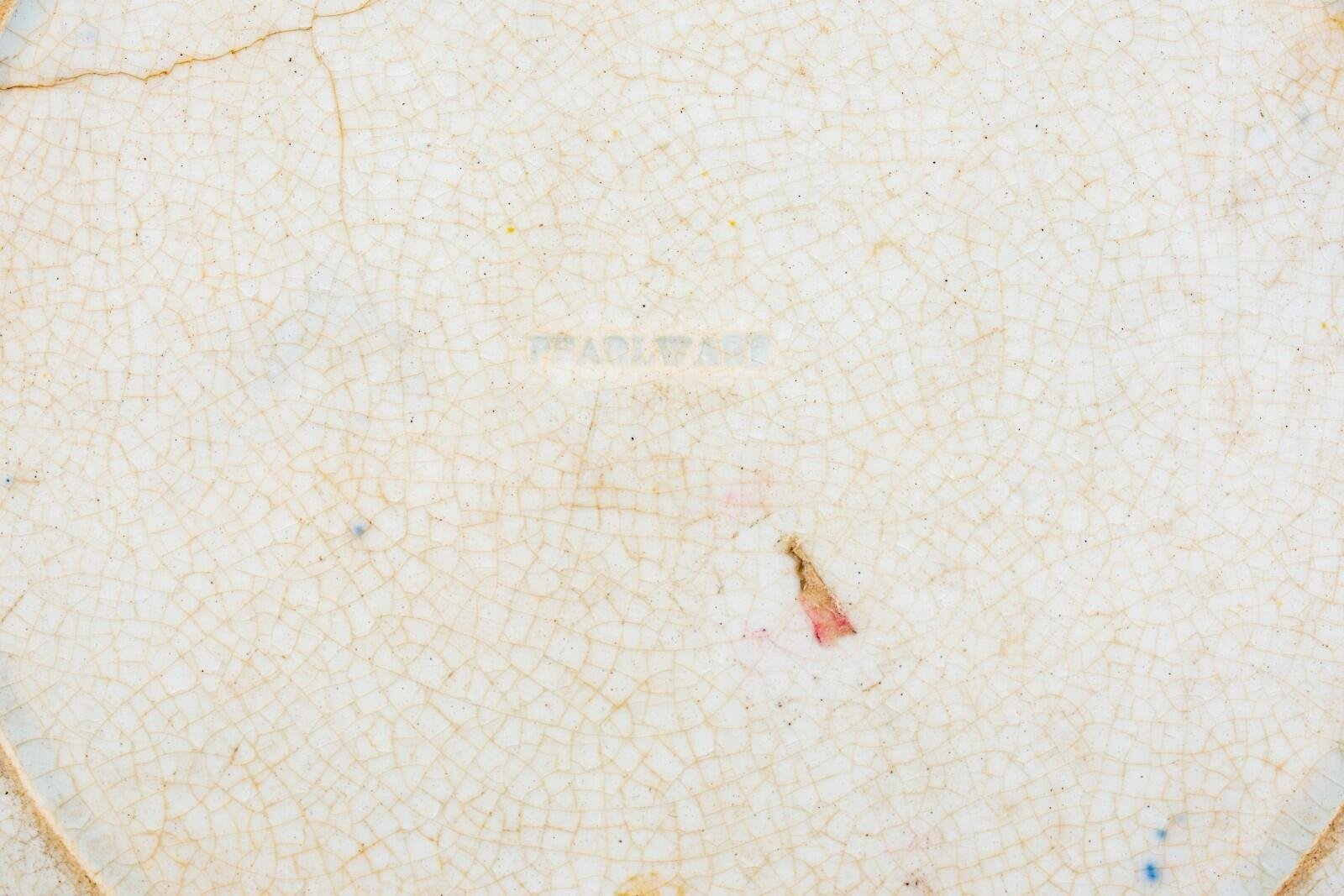
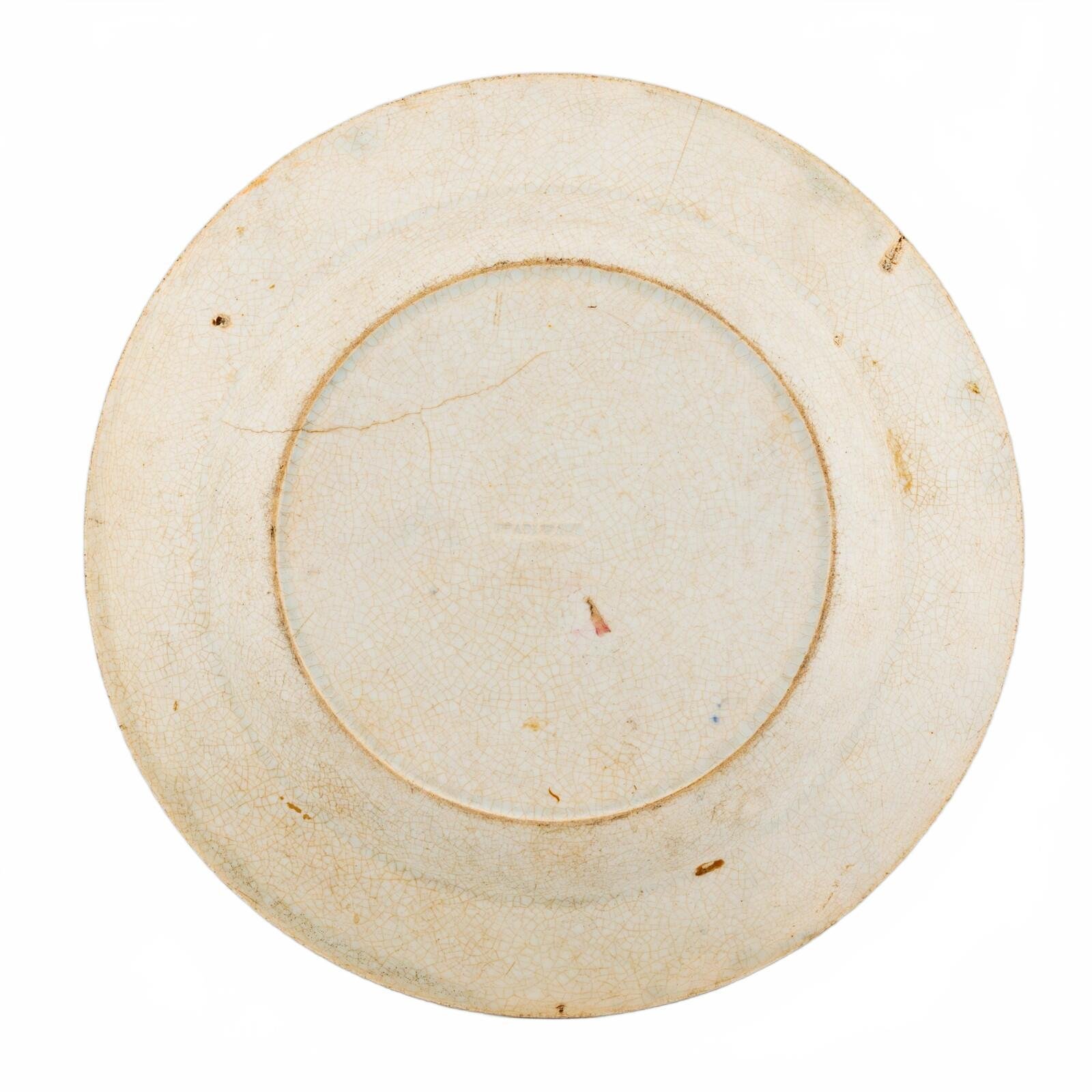
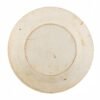
Marked: Impressed “PEARLWARE” mark on reverse, typical of Staffordshire production between 1820–1840.
Measurements:
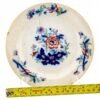
Diameter 17.5 cm
Height 2.0 cm
Condition:
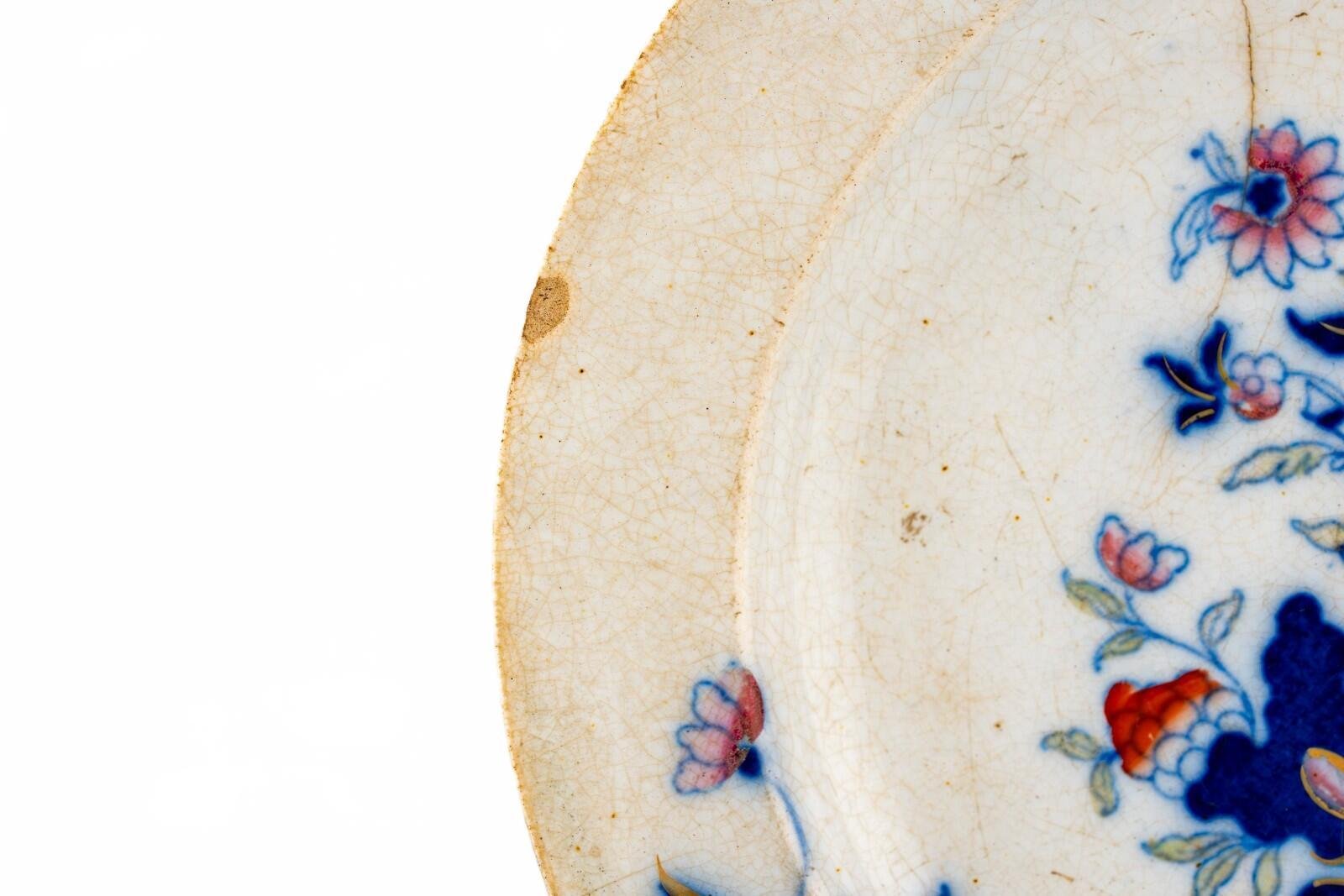
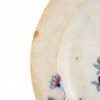
FAIR (3/5) – Fine hairline crack lines, age-related crazing and staining throughout. Small rim chip. Please review the photos carefully for more details.
International Shipping
We ship worldwide using tracked and insured services. Prices are calculated at checkout. All items are securely packaged with care and experience.
Pricing
Prices reflect past sales and our assessment of each item’s rarity and condition. Contact us if you would like to discuss.
Research
All item details are based on our own research and evaluation. We welcome questions or feedback.
Authenticity
Every item is guaranteed to be as described, with provenance provided where available.
Refunds
We accept returns within 14 days of delivery. Please contact us first to arrange a return and refund.
📜 Description
This charming Antique English Pearlware plate is decorated in the Chinoiserie floral style, featuring an elegant bouquet of stylized peonies and blossoms in vivid underglaze blue and overglaze iron red enamels. The design reflects the oriental-inspired motifs popular in early 19th-century English ceramics.
The body displays the characteristic pale blue glaze tint of pearlware, developed in the late 18th century as a refinement of creamware. The impressed mark “PEARLWARE” indicates this is an early example, likely from one of the Staffordshire factories following the style of Spode or Davenport.
📖 Historical Note
Pearlware was introduced by Josiah Wedgwood around 1779 as an improvement over creamware. It was characterized by a subtle bluish glaze achieved with cobalt oxide, giving the body a whiter, cooler tone. By the early 19th century, pearlware had become the dominant English earthenware type, used widely for transfer-printed and hand-painted tableware.
The Chinoiserie floral style seen here reflects the ongoing fascination with Eastern motifs during the Georgian and early Victorian periods, blending English folk interpretations of Chinese and Japanese decorative themes.
🛒 Thank you for visiting! Explore my store for more fine English and European ceramics.
Related products
-
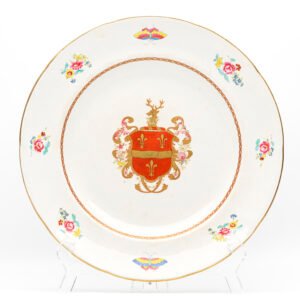
English Porcelain Armorial Style Plate Replica Chinese Hickes Arms Gilt 19th C
£95.00 -
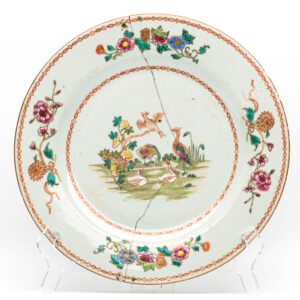
Chinese Qianlong Porcelain Plate Famille Rose Gilt European Aqua Birds Qing 18C
£45.00 -
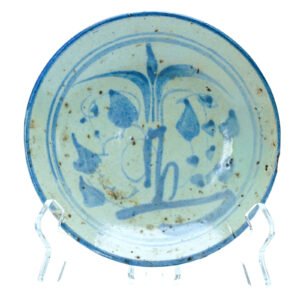
Chinese Porcelain Blue and White Provincial Kitchen Dish Qing 19th Century
£20.00 -

Chinese Porcelain Plate Armorial Francisco da Cunha e Meneses Qianlong Qing 18C
£245.00