
“Hidden decoration” on Chinese porcelain
A quiet surface… that is not empty
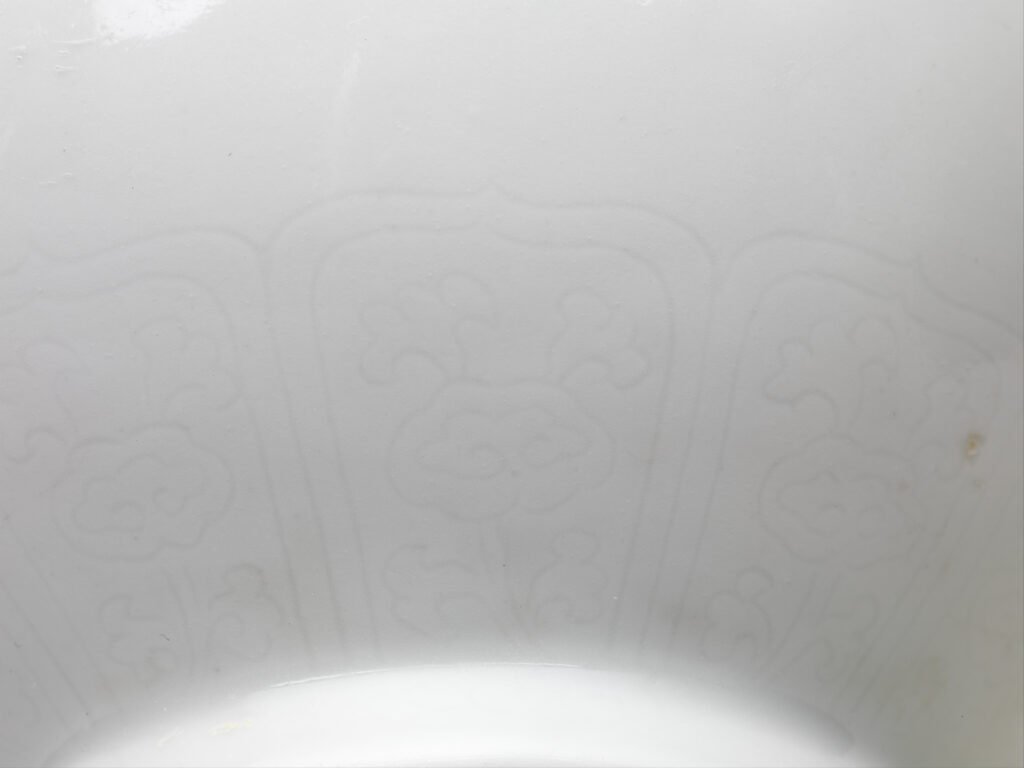
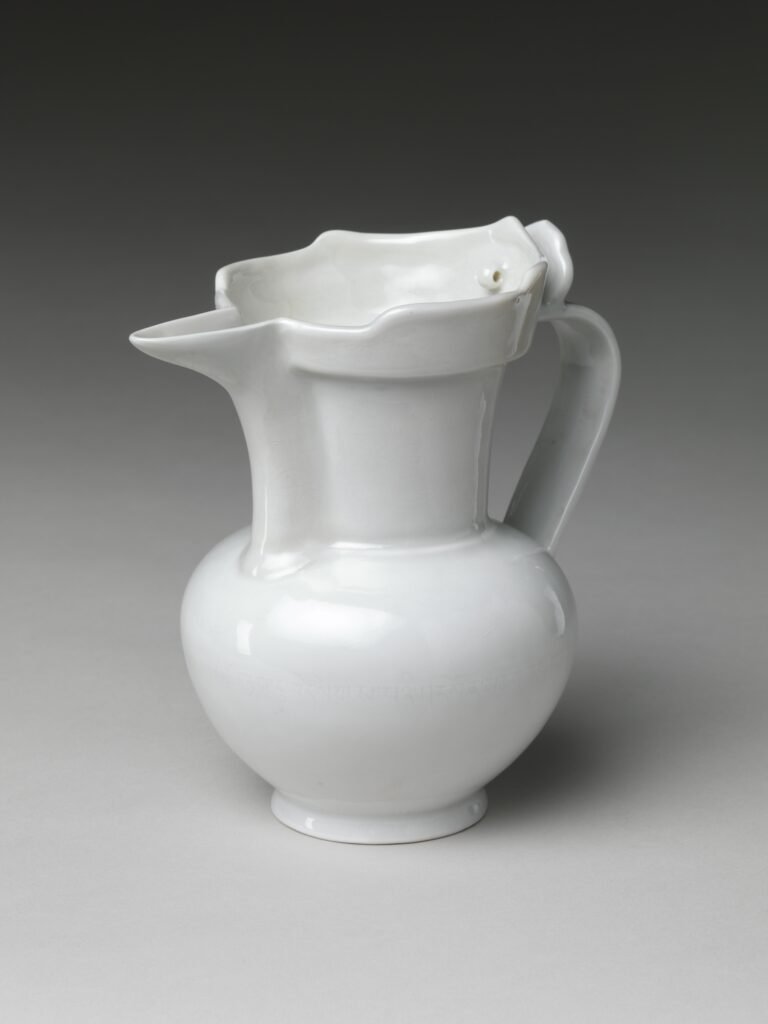
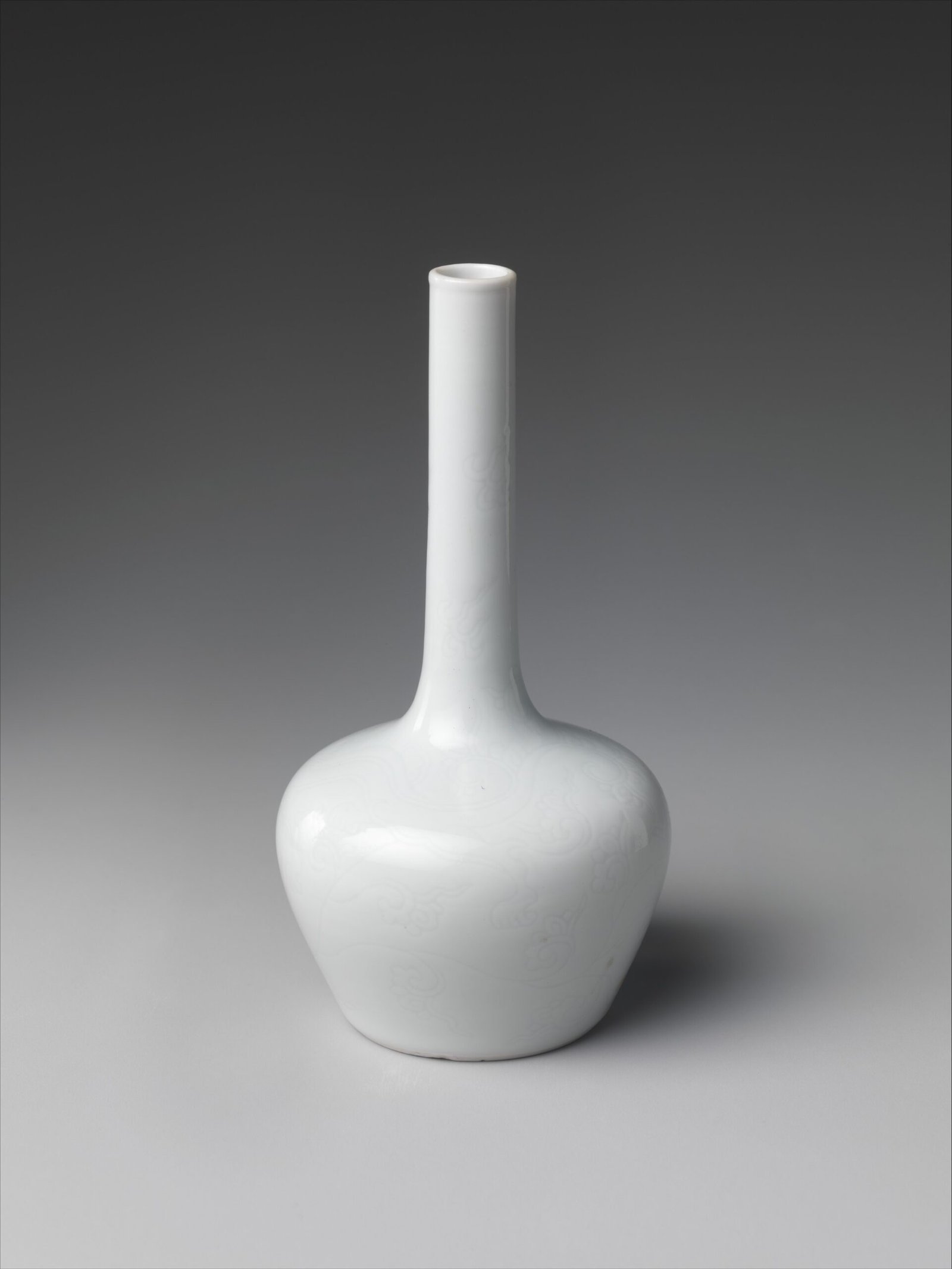
At first glance, an anhua piece may appear plain — even undecorated.
But as the light shifts, something begins to emerge.
Soft shadows.
Ghost-like lines.
A pattern that was never meant to shout.
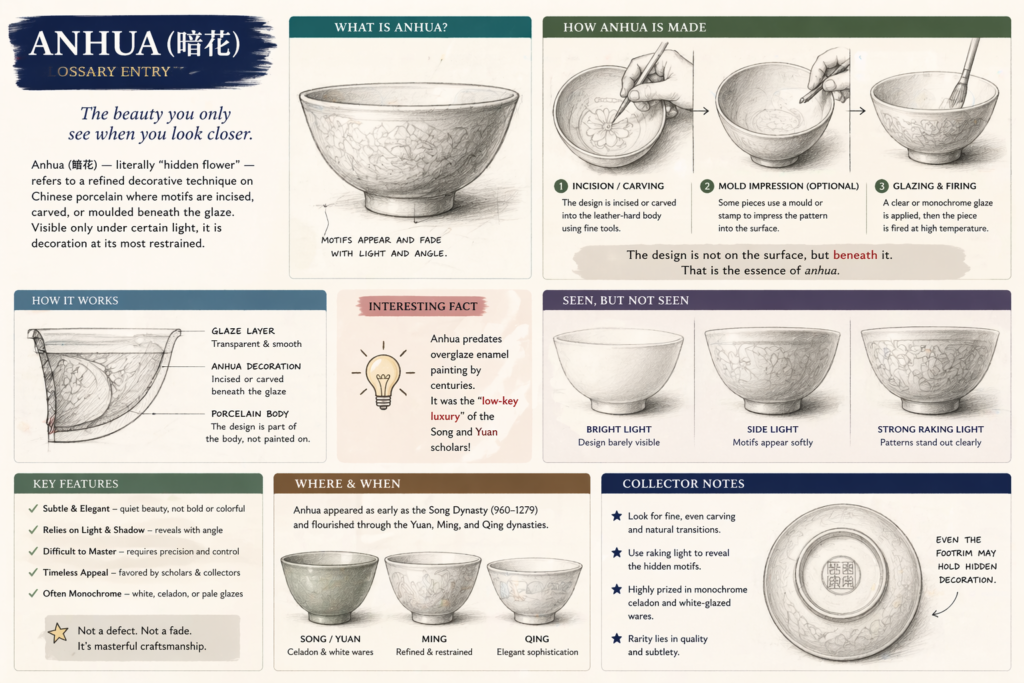
Anhua (暗花) — literally “hidden flower” — refers to a refined decorative technique where motifs are incised, carved, or moulded beneath the glaze, becoming visible only under certain light.
It is decoration at its most restrained:
not applied onto the surface, but concealed within it.
Collector’s Insight
Unlike painted decoration, anhua rewards patience.
The design reveals itself slowly — and differently every time you look.
The process begins before glazing, when the porcelain body is still in its leather-hard state.
The potter or decorator creates the design using:
- Fine incising with a sharp tool
- Subtle engraving or carving
- Mould-impressed patterns pressed into the surface
The piece is then covered in a clear or monochrome glaze and fired.
During firing, the glaze melts and pools over the surface, softening the lines.
The decoration does not disappear — it becomes submerged.
Visible only when:
- Light moves across the surface
- The piece is tilted
- Or viewed in raking light
Technical Note
The finest anhua decoration is extremely shallow — too deep, and it loses its effect; too light, and it disappears entirely.
Anhua reflects one of the most important principles in Chinese art:
true refinement is quiet.
Rather than bold enamels or cobalt painting, this technique relies on:
- Light and shadow
- Surface depth
- Controlled craftsmanship
It is often associated with:
- Monochrome wares (white, yellow, celadon)
- Imperial taste
- A preference for understated elegance
A Quiet Detail
Some anhua decoration is so subtle it was historically overlooked — even by collectors — mistaken for plain porcelain.
Historical Development
Ming Dynasty Origins (15th century)
Anhua decoration emerged at the Imperial kilns of Jingdezhen, particularly during:
- Yongle (1403–1424)
- Xuande (1426–1435)
- Chenghua (1465–1487)
Early examples include:
- White-glazed dishes with incised dragons
- Lotus scrolls hidden beneath smooth glaze surfaces
These pieces were often imperial commissions, made with extreme precision.
Imperial Yellow Wares
One of the most important developments was the use of anhua under yellow glaze.
- Yellow was reserved for the emperor
- Dragons often depicted with five claws (imperial symbol)
- Decoration remained subtle — power expressed through restraint
Qing Dynasty Refinement (Kangxi period)
By the Kangxi period (1662–1722), anhua reached a new level of refinement:
- Finer porcelain bodies
- More controlled glazing
- Sharper yet softer incised lines
It is also during this period that anhua is sometimes combined with:
- Underglaze blue
- Copper-red accents
Creating a subtle interplay between visible and hidden decoration.
Historical Observation
Kangxi potters perfected a balance:
decoration that is technically precise, yet visually almost invisible.
Motifs in Anhua Decoration
Common designs include:
- Dragons — often imperial, pursuing the flaming pearl
- Lotus scrolls — purity and continuity
- Cloud patterns — movement and cosmic symbolism
- Floral arabesques — endless growth and refinement
Symbolic Note
Because the decoration is hidden, the symbolism becomes more personal — intended for the owner, not the viewer.
How to Recognise True Anhua
Key characteristics:
- Extremely shallow, precise carving
- Visible mainly under angled or raking light
- Glaze appears softly pooled over the design
- No harsh or deeply cut lines
Dealer’s Warning
Modern reproductions often make the mistake of cutting too deeply —
the design becomes obvious, losing the essential subtlety.
Why Anhua Matters
Anhua is not just a technique — it is a philosophy.
It represents:
- Mastery of control
- Confidence in restraint
- A different idea of beauty
In a world of bold decoration, anhua chooses silence.
Final Reflection
Some of the finest porcelain ever made does not reveal itself immediately.
It waits — for light, for movement, for attention.
And in that moment, it comes alive.