

🌸Japan Edo Period (1603–1867)
Historical Overview
Historical Overview & Collectors’ Notes
Period Context or Era Overview
The Edo period was a time of peace and cultural flourishing in Japan under Tokugawa rule. Ceramics, lacquer, bronzes, and textiles were created for both domestic use and international trade through the Dutch East India Company (VOC).
Column 1: Historical Context
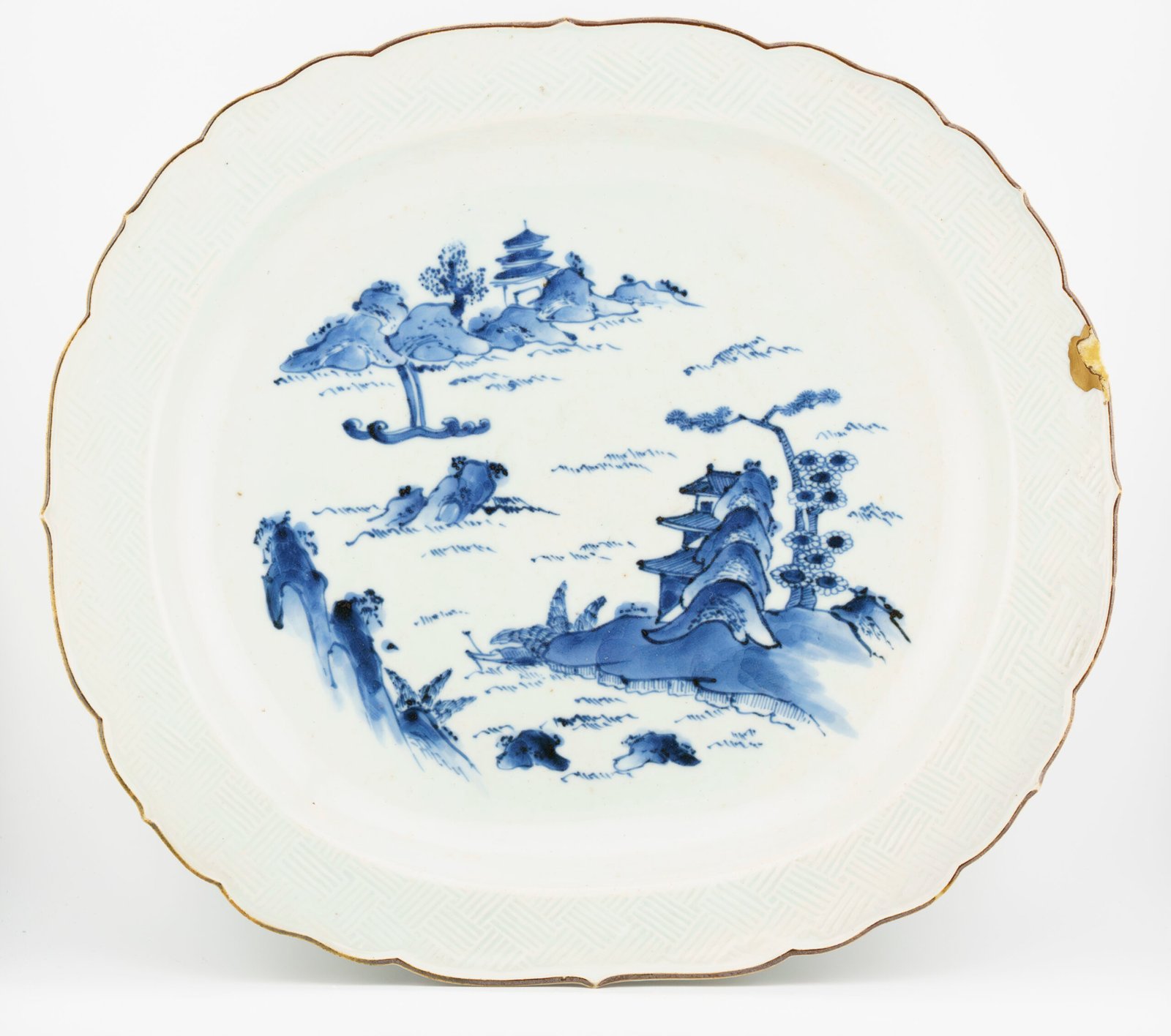
- Porcelain: Arita kilns produced blue & white porcelain, later decorated with iron-red and gilt to create Imari and Kakiemon styles. These became highly prized in Europe.
- Domestic arts: Tea ceremony wares (Raku, Hagi, Karatsu) flourished.
- Lacquer & carving: Finely decorated lacquer boxes, inro, netsuke, and okimono.
- Textiles: Silk weaving and embroidery expanded, often with motifs of cranes, waves, and pine.
Column 2: Collectors’ Notes & Shop Relevance
When browsing Edo period items in our shop, you may find:
- Imari & Kakiemon porcelain exported to Europe.
- Tea ceremony wares in stoneware and earthenware.
- Lacquered boxes and carvings.
- Woodblock prints, textiles, and bronzes.
Collector’s Note
Edo-period pieces are highly collectible. European taste for Imari and Kakiemon strongly shaped 18th-century porcelain in Meissen, Worcester, and Sèvres.
Objects from this Period or Antique Examples
Sort by:
Rated 5 out of 5
£255.00